
Listen to this article
In 2026, London Tube fare increases are projected to impact commuters significantly, as announced by the Mayor of London, Sadiq Khan. The fare hike, set at 5.8%, surpasses the current inflation rate by 1%, taking effect in March. This rise in London transport fares comes at a time when many residents are grappling with the rising cost of living in London. While national rail fares remain frozen, the same cannot be said for Transport for London (TfL) services, prompting concerns about deteriorating affordability for daily travelers. With the support of a £2.2 billion funding deal tied to the fare increase, Londoners now face tough choices about public transport options and their budgets under the changing fare landscape.
As Londoners brace for the impending fare adjustments, the increase in costs associated with the Underground and other TfL services highlights a pressing issue for urban dwellers. Dubbed the TfL fare rise 2026, this adjustment reflects ongoing challenges faced by the city’s public transit systems amidst economic pressures. With the cost to ride the Tube now on the rise, many are questioning how this will affect their travel habits and daily expenses. Furthermore, the impact of such hikes is felt more acutely against the backdrop of other economic strains, tying directly into broader discussions about the cost of living in the capital. As Sadiq Khan navigates these tough decisions, the implications for residents and their commuting choices remain a focal point for public discourse.
London Tube Fare Increase: What You Need to Know
In 2026, London commuters will face a fare increase of 5.8% across the Tube, Overground, and Elizabeth line services. This announcement, confirmed by Mayor Sadiq Khan, comes as part of an effort to secure funding from the government while addressing ongoing challenges for Transport for London (TfL). The increase is notable as it exceeds the 4.8% inflation rate, an aspect that has drawn criticism from various political factions in the city, particularly those arguing that Londoners are unfairly burdened compared to the fare freeze offered on national rail services.
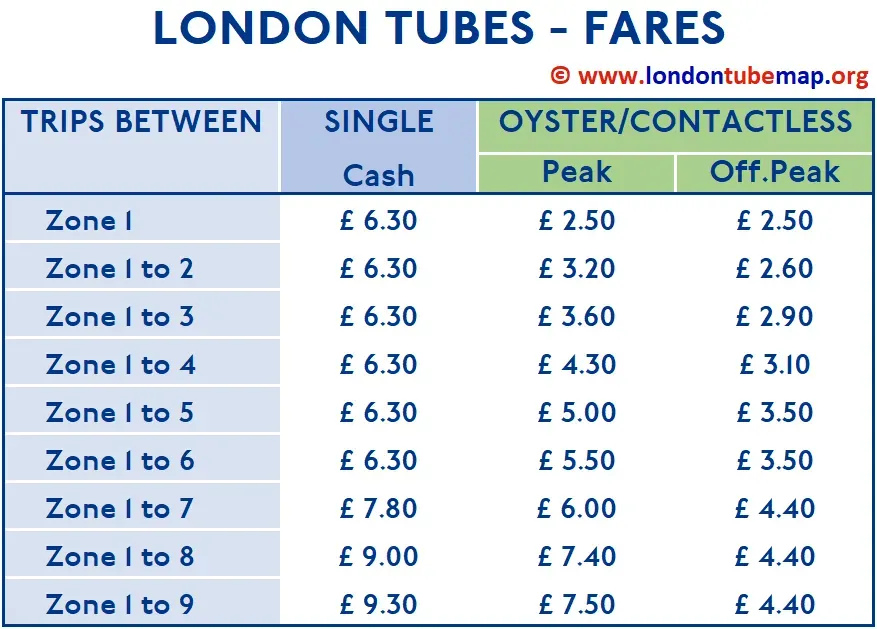
The fare rise will initiate in March and is projected to significantly affect the everyday commuter. For example, a pay-as-you-go fare for journeys between Tottenham Court Road and Edgware will increase from £3.60 to £3.80. This hike has been labeled by some as a strike against younger professionals and essential workers who rely heavily on public transport to navigate the city. As costs rise amidst a challenging economic climate, many London residents are left to wonder how these increases will impact their overall cost of living.
Impact of TfL Fare Rise 2026 on Commuters
The impending 5.8% increase in TfL fares is a significant concern for Londoners, especially those juggling multiple financial pressures. With the cost of living in London already high, the prospect of increased transport expenses adds another layer of financial strain on residents. Many commuters depend on TfL services to get to work, attend school, or engage in social activities. The mayor’s decision to hike fares while freezing bus and tram prices showcases a challenging balancing act between maintaining service quality and managing public funds.
Critics claim that this fare increase disproportionately affects the city’s younger workforce, particularly those who are crucial for London’s economic vitality. This demographic already faces high housing costs, making public transport affordability vital for their mobility. Sadiq Khan’s comments about the fare freeze on buses and trams, labeled as “an emergency cost-of-living measure,” suggest an awareness of the struggles faced by lower-income travelers. However, as the Tube fares rise, many wonder if enough is being done to protect those reliant on these services.
Sadiq Khan’s Strategy on Tube Fares Amid Economic Challenges
Mayor Sadiq Khan has expressed that the fare rise is a necessary move influenced by the £2.2 billion capital funding deal with the government, which aims to address critical infrastructure needs like train replacements and technology upgrades. While the rationale behind the increase may align with essential urban development goals, it raises questions about the long-term sustainability of travel costs for regular commuters. Public transport is a lifeline for many residents, and maintaining affordable travel options should be a priority.
Moreover, the announcement has sparked a political debate, with critics from City Hall arguing that the fare increases come at an inopportune time for Londoners already grappling with rising living costs. The freeze on certain fares, such as Travelcards, until 2027 might offer some relief, but the focus remains on the extent to which these fare increases will impact daily travel for Londoners who are navigating financial difficulties. The dialogue surrounding public transport affordability is crucial as residents seek solutions that address both cost and quality of service.
London Transport Fares and Cost of Living Crisis
As the cost of living crisis continues to affect London, transport fares remain a significant aspect of household budgets. The 5.8% increase in Tube fares is a stark reminder that public transportation costs are on the rise, placing additional pressure on individuals and families already facing soaring expenses for housing and living essentials. For many, commuting costs can feel like a significant barrier to employment and opportunities in a city where movement and access are vital.
The rise in commuting costs, set against ongoing inflation and economic uncertainty, highlights the crucial relationship between public transport pricing and cost of living in London. Londoners who use public transit frequently may find themselves struggling as fare increases coincide with rising prices in other essential areas. As discussions about public transport evolve, it becomes critical to examine how these fare strategies can be designed to support rather than burden the residents of London.
Political Reactions to London’s Tube Fares Increase
The announcement of the Tube fare hike has generated considerable debate within London’s political landscape. Critics have pointed out that while the government has implemented a national rail fare freeze, Londoners face an unfair burden with rising costs on their public transport systems. City Hall Conservatives and the Liberal Democrats have both voiced concerns, emphasizing that the fare increases could disproportionately impact professionals in the capital, an essential demographic to the city’s economic resilience.
This political outcry reflects a broader concern over how transport policy decisions resonate with the daily realities of Londoners. Transport for London (TfL) is tasked with balancing financial sustainability and providing affordable services; however, the need for improvements in infrastructure and service delivery is rising concurrently. Political leaders continue to scrutinize the mayor’s decisions, advocating for equitable solutions that provide essential transport options without escalating costs for those who rely on the Tube and other TfL services for their commute.
Understanding the Proposed Pay-As-You-Go Fare Changes
Under the plans announced by Sadiq Khan, pay-as-you-go fares on Tube services will see specific caps, with the majority of price hikes only amounting to 10p. For example, off-peak fares in Zones will transition from £2.90 to £3.10 during peak times. These incremental increases are framed as a way to manage inflation while still attempting to keep fares manageable for regular users. The mayor’s approach seeks to maintain a user-friendly pricing structure despite the overarching mandate for necessary funding.
Despite the slightly reduced increases in certain zones, many commuters remain concerned that these adjustments still do not sufficiently address the cost burden on those who use the London public transport system frequently. The nuances of these fare changes may seem minor but can add up for individuals commuting daily. As service delivery and budgetary constraints continue to press on TfL’s operational framework, how these fare increases are perceived will ultimately determine the long-term relationship Londoners maintain with their public transport networks.
The Future of Public Transport in London Post-Fare Rise
As London navigates the upcoming Tube fare increases, there is a critical need for strategizing the future of public transport within the city. Enhancements such as improved service reliability, investment in modernized technology, and fleet upgrades remain at the forefront of the discussion among transport officials and city planners. The commitment of £2.2 billion in government funding is a step towards this goal, as it aims to bolster TfL’s capabilities to enhance commuter experience and safety.
Despite the challenges posed by rising fares, there is an opportunity for TfL to realign its priorities towards passenger satisfaction and the overall public transportation climate. Engaging with residents and stakeholders can yield insights that may not only mitigate future fare increases but also can strengthen London’s public transport services to ensure they remain a viable option for every commuter. The future will depend heavily on TfL’s ability to adapt to economic pressures while prioritizing the needs of Londoners.
Rising Commuter Costs: A London Perspective
In light of the recent fare hikes, Londoners are understandably concerned about the rising costs associated with commuting. Various studies have indicated that the impact of higher transport fares aligns closely with an increase in living expenses, creating a compounded effect that could deter the use of public transit. The reliance on Tube, Overground, and bus services must be re-evaluated in light of budget adjustments, with many commuters questioning whether these service increases still offer value for money.
As core expenses in London continue to rise, it becomes imperative for transport authorities to consider more sustainable pricing strategies that acknowledge economic realities. For Londoners, finding a balance between maintaining affordable travel options and ensuring quality service is essential. The ongoing dialogue surrounding the Tube fare increase highlights the necessity for transparency and collaboration between decision-makers and the commuting public to create solutions that are equitable and forward-thinking.
Transport for London’s Role in London’s Economy
Transport for London plays a critical role in the connectivity and livability of the city, acting as the backbone of movement for millions of passengers daily. With the impending fare increases, the importance of these services in fostering economic growth and community connectivity cannot be overstated. Public transport supports not just individual commuters, but the economy of London itself by facilitating access to jobs, education, and recreational opportunities. As prices rise, it remains crucial to assess how these changes affect the overall economic landscape.
Additionally, the sustainability of TfL’s financial model can influence investments in public priorities such as affordable housing, local businesses, and environmental initiatives. As costs rise for public transport, critical funding must also be allocated to improve service quality, ensuring that investment leads to tangible outcomes for the residents. The effectiveness of TfL’s operations will soon be tested as it balances fare structures with operational efficiency and commuter needs in an evolving economic environment.
Frequently Asked Questions
What is the impact of the London Tube fare increase in 2026?
The London Tube fare increase set for March 2026 will raise prices by 5.8%, affecting the cost of traveling on the London Underground, Overground, and Elizabeth line. This increase is above the current inflation rate and is intended to support necessary upgrades to transport services.
How does the TfL fare rise 2026 compare to other transport fares?
Unlike the freeze on national rail fares, the TfL fare rise in 2026 will see Tube fares increase, while bus and tram fares will remain unchanged until July 2026 as part of a cost-of-living strategy. This aims to ease the burden on lower-income travelers.
Why are Sadiq Khan tube fares increasing while other transport services remain frozen?
Sadiq Khan has indicated that the fare increases for the Tube are part of a funding agreement with the government, which provides £2.2 billion for necessary improvements, while maintaining a freeze on fares for buses and trams to assist those with lower incomes.
What will be the new rates for London transport fares after the Tube fare increase?
After the London Tube fare increase in 2026, peak Tube fares within central zones will rise to £3.10, and off-peak fares will also see increases, exemplified by a rise from £3.60 to £3.80 for certain routes, showcasing the significant rise in public transport costs in London.
How is the cost of living in London affected by the London Tube fare increase?
The London Tube fare increase in 2026 will contribute to higher living costs for many residents, particularly impacting young professionals and commuters who rely on public transport. This rise in fares comes at a time when the overall cost of living in London is already high, raising concerns about affordable transportation.
What is the reasoning behind the TfL fare rise announced by Sadiq Khan?
The TfL fare rise announced by Sadiq Khan aims to secure funds for essential upgrades to aging transport infrastructure and improve service reliability. The increase is positioned as part of a broader strategy to enhance the quality of transport services amid rising operational costs.
Will the freeze on London bus and tram fares remain after the Tube fare increase?
Yes, Sadiq Khan has committed to maintaining the freeze on London bus and tram fares until July 2026, which will mitigate some of the financial impacts on residents amid the upcoming Tube fare increases.
Are there any exceptions to the Tube fare increase for London transport fares?
Yes, while the Tube fares will increase by 5.8% in 2026, Travelcard prices are set to remain unchanged until March 2027, providing some relief amidst rising fares for the Tube and other TfL rail services.
| Key Point | Details |
|---|---|
| Fare Increase | Tube fares will increase by 5.8% starting in March 2026. |
| Comparison to Inflation | This increase is 1% above the current inflation rate. |
| Fare Freeze on Travelcards | Travelcard prices will be frozen until March 2027. |
| News on Bus and Tram Fares | Fares on buses and trams will not increase until July 2026. |
| Government Funding | The fare hike is part of a £2.2 billion funding deal to support transport improvements. |
| Increase Effects | Off-peak fares from certain zones will rise, example: £3.60 to £3.80. |
| Criticism | The fare increase has faced criticism from London Conservatives and Liberal Democrats. |
Summary
The London Tube fare increase by 5.8% in 2026 is a significant change for commuters in the city. While the rise is intended to maintain and improve transport services amidst rising costs, it has sparked controversy. The fare hike, which exceeds inflation levels, will impact many passengers, particularly young professionals. With existing pressure on public transport fares and usage, the Mayor’s decision will undoubtedly shape the landscape of travel in London as stakeholders call for more value and transparency from Transport for London.