Listen to this article
Oasis ticket fraud has recently made headlines as a cautionary tale about the perils of purchasing concert tickets from unofficial sources. In a shocking turn of events, a woman from Staffordshire, Rosie Slater, admitted to pocketing £4,000 by falsely claiming to sell tickets for the highly anticipated Oasis reunion tour, which includes sought-after VIP box access to the band’s shows at Wembley. As fans eagerly awaited these coveted performances, many fell victim to her ticket scam, paying significant sums for what turned out to be nonexistent tickets. With the court proceedings underway, the growing issue of fraud offenses in the music industry is underscored, highlighting the need for vigilance among concertgoers. As the sentencing date approaches, the fallout from this ticket fraud serves as a crucial reminder to verify sources before jumping into purchasing tickets for live events.
The fraudulent activities surrounding the Oasis reunion tour illustrate a broader issue of ticket-related scams that often plague eager fans. In this case, participants were misled by claims of availability for the highly desirable Wembley shows, leading to a humbling realization when their purchases proved to be nothing more than a mirage. The term “ticket scam” encapsulates the deceitful actions of individuals like Slater, who prey on the excitement surrounding major events. Moreover, these incidents spotlight the risks associated with securing special experiences, such as VIP access, from unverified sellers. As authorities tackle such fraud offenses, it remains imperative for fans to conduct thorough research and utilize trusted platforms to secure their tickets safely.
Understanding Oasis Ticket Fraud
Oasis ticket fraud, especially evident during their much-anticipated reunion tour, represents a growing concern for fans eager to secure their spot at live shows like the Wembley events. In this particular case, Rosie Slater falsely claimed to sell legitimate tickets and VIP box access, illegally earning £4,000 by deceiving unsuspecting buyers. This incident reflects a broader trend where ticket scams plague many high-demand events, making it crucial for fans to understand how to protect themselves from such fraudulent activities.
Fraudulent ticket sales not only harm victims financially but also tarnish the reputation of the events themselves. As fans excitement builds around the Oasis reunion tour, it is paramount that they are aware of the different forms these scams can take. The case of Slater highlights the need for vigilance, as ticket sales through informal channels like WhatsApp can easily mask deceitful intentions. To maintain the joy of the concert experience, fans must be equipped with knowledge about verifying ticket sources and the common signs of a ticket scam.
The Impact of Ticket Scams on Victims
The emotional and financial fallout from ticket scams can be devastating for victims. Many individuals who believed they had secured tickets for the highly sought-after Wembley shows were left feeling frustrated and betrayed when the reality of the scam came to light. Victims often spent considerable time and money coordinating travel plans to the venue, only to learn that their much-anticipated night out would never happen. These experiences not only lead to disappointment but also create emotional strain on victims and their loved ones, who might have shared in the excitement.
In the case of Rosie Slater, the impact was felt not just by strangers, but also by friends and family who trusted her. Such trust breeds a sense of betrayal when the truth emerges, emphasizing that ticket scams damage relationships as much as they do financial stability. The court proceedings revealed that people impacted by her fraudulent actions fell into the trap largely out of excitement for the event, showcasing how scams can exploit the enthusiasm surrounding popular concerts like the Oasis reunion.
Prevention Strategies Against Ticket Fraud
Given the increasing prevalence of ticket scams, fans attending major events like the Oasis reunion tour should implement specific strategies to protect themselves. Firstly, it is crucial to purchase tickets from reputable sources, such as official box offices or authorized ticket vendors. This reduces the risk of falling victim to scams, as these channels usually have established protocols for verifying ticket authenticity. Additionally, being cautious of offers that seem too good to be true should be a guiding principle; if ticket prices are significantly lower than market value, skepticism is warranted.
Another effective strategy is to leverage social media and online forums to share experiences and alerts about potential scams. By actively engaging in conversations about scams, fans can educate each other on the signs of fraudulent ticket sales, and help build a community of informed concert-goers. Reporting any suspicious activity to local authorities or ticketing platforms can also aid in combating the spread of ticket fraud, ensuring others do not fall victim to similar schemes. Awareness and proactive measures are essential to safeguarding the enjoyment of events.
Legal Consequences for Ticket Fraud Offenders
The legal repercussions for engaging in ticket fraud can be severe, as demonstrated by Rosie Slater’s case. With 11 charges of fraud through false representation, offenders can face substantial fines and even prison time. The judiciary, recognizing the broader implications of scams, has started cracking down on such fraudulent activities, especially as they relate to significant events like the Oasis reunion tour. Legal systems are increasingly tasked with not only penalizing offenders but also deterring others from committing similar offenses.
The sentencing phase of such cases often reveals the societal impact of the fraud, as seen in Slater’s hearing, where her actions caused distress among friends and family. The court was made aware of her mental health issues, bringing into discussion the reasons behind such fraudulent behavior. While understanding the personal circumstances of offenders is vital, it serves as a reminder that accountability must be upheld to prevent ongoing ticket fraud schemes and to protect innocent fans eager to enjoy live music.
The Role of Social Media in Ticket Scams
Social media has dramatically changed the landscape of ticket sales, acting as a double-edged sword in the context of concert events like the Oasis reunion tour. Platforms such as WhatsApp can facilitate communication between buyers and sellers, but they can also be hotbeds for fraudulent activity. Scammers can easily present themselves as legitimate vendors, creating fake profiles to lure fans into purchasing counterfeit tickets. As seen in the case of Rosie Slater, connecting with potential buyers through casual social media channels may offer an air of credibility, making scams more difficult to recognize.
Fans must exercise caution while navigating social media when seeking concert tickets. Utilizing secured platforms that offer buyer protections can help mitigate the risks associated with purchasing tickets through informal channels. Additionally, conducting thorough research on sellers and soliciting references can provide some assurance when buying tickets. Remaining informed about the latest ticket scam trends on social media will not only protect individual consumers but also contribute to a collective effort to eliminate fraud in the concert-going community.
Analyzing the Psychology of Ticket Scammers
Understanding the mindset of ticket scammers, such as Rosie Slater, can provide insights into why these fraudulent schemes occur. Often, scammers perceive themselves as needing to fulfill an unmet desire for money or social recognition, leading them to exploit the excitement surrounding events like the Oasis reunion tour. In some cases, offenders may rationalize their actions through a belief that they will not get caught or that the victims will not suffer significant losses.
Examining the psychological motivations behind ticket fraud can also offer preventative strategies. By addressing the underlying issues that drive individuals to commit such offenses, such as financial desperation or social pressures, interventions can be tailored to reduce the likelihood of ticket scams occurring. Social programs that offer support for mental health and financial stability could potentially diminish the frequency of fraud offenses while promoting healthier communities.
Identifying Legitimate Ticket Vendors
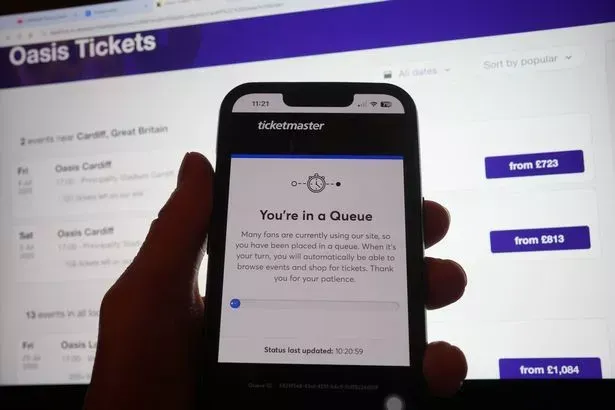
To steer clear of scams, it is essential for fans to familiarize themselves with legitimate ticket vendors. Official platforms such as Ticketmaster, Live Nation, or the venue’s box office for the Oasis reunion shows are reliable sources for getting authentic tickets. Understanding the difference between primary ticket outlets and secondary markets like StubHub can help fans navigate the ticketing landscape with more confidence, significantly reducing the risk of encountering scams.
Additionally, legitimate vendors often provide guarantees and customer support services that protect buyers from fraudulent transactions. Before purchasing, fans should always check for buyer protections, such as refund policies and ticket verification processes. By being diligent and opting for well-known ticketing services, attendees of concerts, including the eagerly awaited Oasis shows, can ensure a smoother experience without the shadow of fraud looming over them.
The Importance of Community Awareness in Ticket Fraud Prevention
Community awareness plays a pivotal role in the prevention of ticket fraud. By fostering a culture of vigilance and information-sharing, fans can collectively guard against scams that target eager concert-goers. Initiatives such as local workshops or online forums dedicated to discussing shared experiences with ticketing fraud can empower individuals with the knowledge to identify and report fraudulent activities, thus creating a safer environment for future concert attendees.
By engaging the community in conversations about ticket scams—including the dangers associated with purchasing from unofficial sources like WhatsApp—fans can ensure that fewer individuals fall prey to fraud schemes. Utilizing social media channels to disseminate warnings and tips can significantly enhance community awareness, protecting more potential victims as they gear up for events like the Oasis reunion tour. A proactive community can ultimately shift the landscape toward heightened security in ticket sales, reducing the chances of scams undermining the joy of live performances.
Frequently Asked Questions
What is Oasis ticket fraud and how does it relate to the reunion tour?
Oasis ticket fraud refers to fraudulent schemes involving the sale of tickets for the Oasis reunion tour, particularly the Wembley shows. In such cases, individuals deceive fans by claiming to sell tickets they do not possess, as seen in the case of Rosie Slater, who pleaded guilty to multiple fraud offenses.
How did the Oasis ticket scam operate during the reunion tour?
The Oasis ticket scam during the reunion tour involved individuals like Rosie Slater offering tickets and VIP box access through platforms like WhatsApp. Victims were misled into paying for tickets that were never real, leading to significant financial losses.
What can fans do to avoid falling for ticket scams related to the Oasis reunion tour?
To avoid falling for Oasis ticket scams, fans should only purchase tickets from official sources or authorized sellers. Always verify the legitimacy of the seller and be wary of offers from unfamiliar platforms, especially those promising VIP box access.
What were the consequences for the individual involved in the Oasis ticket fraud case?
Rosie Slater, who was involved in the Oasis ticket fraud case, admitted to 11 fraud offenses and is scheduled for sentencing in April 2026. Such legal repercussions emphasize the seriousness of fraud in ticket sales, especially for high-demand events like the Oasis reunion tour.
How did the victims of the Oasis ticket fraud react after the scam?
Victims of the Oasis ticket fraud, such as those scammed by Rosie Slater, expressed disappointment and frustration, especially after making travel arrangements based on the false belief that they had secured tickets for the Wembley shows. The emotional impact on victims, including friends and family, was significant.
What should I do if I suspect I’ve been a victim of an Oasis ticket fraud?
If you suspect you’ve been a victim of Oasis ticket fraud, report the incident to local authorities or consumer protection agencies. Gather any evidence, such as messages or payment receipts, to assist in the investigation of the ticket scam.
| Key Point | Details |
|---|---|
| Offender | Rosie Slater, 32, from Staffordshire |
| Total Amount Defrauded | £4,000 from victims |
| Nature of Offense | Fraud through false representation |
| Court Appearance | North Staffordshire Justice Centre, pleaded guilty to 11 charges |
| Next Court Date | Sentencing scheduled for April 6, 2026 |
| Ticket Selling Method | Offered via WhatsApp and chat groups starting May 12, 2025 |
| Victim Impact | Victims made travel arrangements under false assumptions, leading to disappointment |
| Mental Health Issues | Diagnosed with mental health issues; no prior criminal record |
Summary
Oasis ticket fraud highlights the serious consequences of fraudulent activity, as demonstrated by Rosie Slater’s case where she scammed individuals out of £4,000 by falsely claiming to sell tickets for the band’s reunion tour. This alarming incident serves as a reminder of the importance of verifying ticket purchases through legitimate sources to avoid similar scams.