Listen to this article
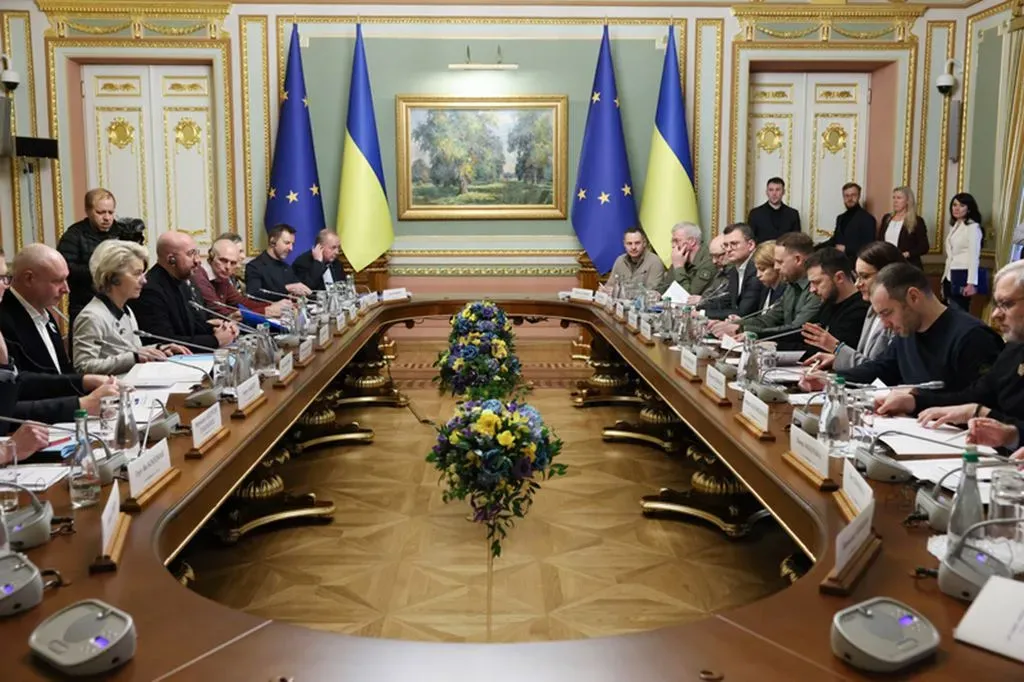
The Ukraine peace proposal has emerged as a critical focal point in international diplomacy, aiming to bring an end to years of conflict exacerbated by Russian aggression. Recently, German Chancellor Friedrich Merz highlighted a revised draft that suggests Ukraine may consider some territorial concessions, a contentious topic that requires careful negotiation. As discussions unfold, the implications for US Ukraine relations and potential NATO security guarantees remain paramount, especially with former President Trump voicing his views on the negotiations. These talks are essential for President Zelensky, who has signaled his readiness to engage in dialogue, including with Trump, to address the multifaceted issues surrounding the conflict. As Ukraine seeks a resolution, the stakes involve not just territorial integrity but the broader landscape of European security and the influence of foreign powers.
The quest for peace in Ukraine has taken on new dimensions with the introduction of alternative diplomatic frameworks aimed at stabilizing the region. This peace initiative seeks to redefine Ukraine’s relationship with neighboring countries and the global community, especially in the face of ongoing military threats. As European leaders rally around this collaborative effort, there is a keen awareness of the complexities involved, including the necessity for comprehensive security arrangements that deter future aggression. The dialogue surrounding negotiations has become increasingly sophisticated, with considerations of historical ties and strategic interests complicating direct talks. Ultimately, the challenge remains to forge a unified approach that respects Ukraine’s sovereignty while addressing the security concerns of NATO allies.
Understanding the Ukraine Peace Proposal
Recently, Ukraine has revised its peace proposal, presenting it to the United States to foster a renewed discussion about ending the ongoing conflict with Russia. This proposal includes considerations regarding territorial concessions, which has been a highly contentious point in the negotiations. German Chancellor Friedrich Merz highlighted the importance of this matter, suggesting that such concessions are ultimately for Ukraine’s leadership and its citizens to deliberate. This collaborative effort marks a significant moment in diplomatic relations, as it reflects both Ukrainian interests and the broader geopolitical landscape.
The United States’ involvement in this peace proposal is crucial, especially in the context of US-Ukrainian relations amidst ongoing Russian aggression. As European leaders push for a renewed dialogue, it is imperative that the nuances of territorial rights and sovereignty are carefully addressed. Drafting a peace proposal that satisfies both Ukraine’s territorial integrity and the security concerns of NATO allies will require significant diplomatic effort, especially given the precarious balance of power in the region.
The Role of Territorial Concessions in Peace Negotiations
Territorial concessions remain one of the most polarizing topics in the discussions surrounding Ukraine’s peace proposal. Ukraine’s government is adamantly against yielding territory in regions such as Luhansk and Donetsk, as conceding these areas could embolden further Russian incursions. President Zelensky has been vocal about the legal and moral implications of such concessions, asserting that Ukrainian sovereignty must remain intact. This stance is reinforced by international law, emphasizing that any agreements must uphold respect for territorial integrity and self-determination.
Furthermore, the nature of territorial concessions could set a precedent for future conflicts, not just between Ukraine and Russia but in other global hotspots. The hesitation from Ukraine is fueled by the fear that accepting territorial losses may legitimize Russia’s past aggressions. As discussions continue, Zelensky has expressed a willingness for dialogues with former US President Trump, indicating that fruitful talks may hinge on clear security guarantees alongside any discussions on territorial adjustments.
US Ukraine Relations and Security Guarantees
The interplay between US-Ukrainian relations and the concept of security guarantees is fundamental to the ongoing peace negotiations. The Biden administration has reiterated its commitment to supporting Ukraine against Russian aggression, which is perceived as essential in providing the necessary backing for any potential peace deal. Security guarantees could help alleviate the fears around territorial concessions, with assurances aimed at preventing further encroachments by Russia in the future. This strategic support is vital for maintaining regional stability and ensuring the survival of a sovereign Ukraine.
However, there is an ongoing debate about what these security guarantees would entail, especially in light of the skepticism expressed by Russian officials regarding NATO’s involvement. Recent discussions highlighted by NATO chief Mark Rutte emphasize a unified front against Russian threats, warning of the risks of a large-scale conflict reminiscent of past world wars. Thus, any peace negotiations must be carefully crafted to include strong guarantees that assure Ukraine, while also addressing the broader security architecture of Europe.
Potential Impact of Zelensky-Trump Talks on Peace Efforts
The potential for talks between President Zelensky and former US President Trump introduces an unpredictable variable into the ongoing peace discussions. Trump’s previous criticisms and nuanced relationships with Russia could influence the nature of any agreement reached. Zelensky has indicated his openness to discussions, highlighting the importance of dialogue in resolving issues surrounding territorial concessions and security guarantees. However, these negotiations must carefully balance Ukraine’s sovereignty with any potential compromises that could arise from such talks.
As the international community watches closely, the outcome of these interactions could play a defining role in shaping future US engagement with Ukraine and the ongoing response to Russian aggression. It raises questions about Trump’s approach and whether he favors a more conciliatory stance towards Russia, as implied in prior statements. Navigating this complex landscape requires a delicate balance of assertiveness and diplomacy, with the well-being of Ukraine at the forefront of discussions.
The Consequences of Abandoning Security Guarantees
Abandoning security guarantees in the peace proposal could lead to detrimental consequences for Ukraine and its allies. Ukrainian officials have expressed concerns that any peace agreement lacking robust security provisions would be ineffective and could leave the nation vulnerable to future aggressions. The idea that concessions would be made without credible safety assurances could also damage trust and credibility within international alliances, particularly among NATO countries that see Ukraine as a frontline state in the struggle against authoritarianism.
Without concrete security guarantees, Ukraine risks entering into agreements that could be seen as appeasement, inviting further Russian incursions and undermining regional stability. Historical precedents show that failing to secure protective measures can lead to escalated conflicts. Therefore, any feasible diplomatic solution must integrate a comprehensive security framework that not only protects Ukraine but also reinforces the collective defense posture of NATO and its partners.
The European Perspective on the Peace Proposal
European leaders have been actively involved in reshaping the Ukraine peace proposal, aiming to align it with Kyiv’s interests while addressing broader European security concerns. With the stakes high, there is a palpable urgency among European officials to prevent further Russian aggression and ensure stability within the region. The collaborative effort reflects a unified stance that underscores the importance of Ukraine’s sovereignty and the need for an inclusive peace process that considers the perspectives of all stakeholders involved.
This European perspective extends to the proposed security guarantees, as allies contemplate how best to fortify support for Ukraine. The sentiment is clear: any peace agreement must not only serve immediate diplomatic goals but also lay the groundwork for long-term stability. The involvement of figures such as Chancellor Merz shows the significance of diplomatic frameworks in addressing the complexities of the conflict while maintaining firm support for Ukraine’s territorial integrity.
Russian Response to the Proposed Peace Deal
The Russian response to the proposed peace deal has been marked by a mix of skepticism and strategic positioning. Russian Foreign Minister Sergei Lavrov has publicly commented on discussions about Ukraine, indicating a nuanced approach to negotiations. His acknowledgment of Trump’s willingness to engage raises questions about the true intentions behind Russia’s stance and its implications for future negotiations. Dismissing external security guarantees, Lavrov alludes to a belief that such requests are rooted in previous Ukrainian peace plans, further complicating the dialogue surrounding potential agreements.
Furthermore, the relatively quiet positioning of Russia during recent diplomatic efforts could indicate a tactical approach to the ongoing discussions, possibly suggesting an interest in waiting to see how negotiations progress. While Russia may assert readiness not to attack NATO or EU nations, the apprehensions among European countries remain. Thus, any agreements made must take into account the potential for rapid shifts in the geopolitical landscape based on Russia’s aggressive history and ambitions.
The Importance of International Law in Territorial Discussions
The consideration of international law is paramount in the discussions surrounding territorial claims and concessions in Ukraine. Ukrainian officials, including President Zelensky, have frequently cited international law as a foundational pillar in their resistance to ceding any territory. This legal framework is crucial not only for maintaining Ukraine’s sovereignty but also for establishing a respectful and lawful basis for any negotiations moving forward. The application of international law in this context serves to reinforce Ukraine’s position against Russian aggressions.
Moreover, the adherence to international law helps to frame the conversation about security guarantees in a way that meets not only Ukrainian needs but also the expectations of global allies. Peace proposals that do not consider the principles enshrined in international law may lack legitimacy, resulting in agreements that are prone to disputes and challenges. This underlines the necessity for all parties in the negotiations to commit to a solution that respects international law while advancing the interests of peace and stability.
Future Prospects for Diplomacy in the Ukraine Crisis
Looking ahead, the prospects for diplomacy in the Ukraine crisis are intertwined with the ongoing discussions around peace proposals and security arrangements. The evolving nature of US-Ukrainian relations will play a pivotal role in shaping the diplomatic landscape, as will the actions taken by European allies. The need for coherent strategic dialogues remains critical, highlighting the necessity for sustained engagement with Russia to achieve a negotiated settlement that acknowledges both security needs and territorial rights.
Additionally, developments in the geopolitical context, particularly the interplay between military readiness and diplomatic efforts, will influence future peace talks. As NATO reassesses its strategic posture in light of Russian aggression, the collective response to Ukraine’s peace proposal could help dictate the future stability of the region. Therefore, unity among allies in response to any emerging threats will be crucial in ensuring Ukraine’s sovereignty and securing a lasting peace.
Frequently Asked Questions
What are the main components of the Ukraine peace proposal discussed with the US?
The Ukraine peace proposal includes key components such as potential territorial concessions, security guarantees from NATO, and considerations around US Ukraine relations. The latest draft, reflecting Kyiv’s interests, has emerged from collaborative efforts among European leaders and aims to address the complexities of sovereignty in the context of Russian aggression.
How do territorial concessions factor into the Ukraine peace proposal?
Territorial concessions are a significant and contentious part of the Ukraine peace proposal. Ukraine is under pressure to consider some concessions regarding the eastern Luhansk and Donetsk regions, which Russia occupies. However, President Zelensky has emphasized that territorial ceding is unacceptable under both Ukrainian and international law, as it could invite further Russian aggression.
What role does NATO play in the Ukraine peace proposal?
NATO plays a critical role in the Ukraine peace proposal by offering security guarantees that Ukraine insists are essential for any lasting peace. The proposal reflects the need for a robust security framework to deter further Russian aggression, as Ukrainian leaders, including President Zelensky, seek assurance that their sovereignty will be upheld in any agreement.
How are Zelensky and Trump approaching talks about the Ukraine peace proposal?
President Zelensky has expressed a willingness to engage directly with Trump regarding the Ukraine peace proposal, focusing on resolving critical issues such as security guarantees and territorial integrity. However, Trump has indicated that he wants all aspects of the agreement clarified before any direct talks occur, highlighting the complexities involved in these negotiations.
What are the implications of Russian aggression on the Ukraine peace proposal?
Russian aggression significantly complicates the Ukraine peace proposal, as it involves ongoing military occupation of Ukrainian territories. Zelensky and other leaders are wary of any agreements that could inadvertently legitimize Russian claims or lead to further territorial losses. The peace proposal must address these challenges to ensure robust security and independence for Ukraine.
What can be expected in future discussions regarding the Ukraine peace proposal?
Future discussions regarding the Ukraine peace proposal will likely involve intensified diplomatic talks among Kyiv, European leaders, and the US. As President Zelensky leads these discussions, the focus will remain on securing NATO security guarantees and addressing territorial concerns, all while navigating the delicate balance of US Ukraine relations amid fears of possible concessions under pressure.
Why is the issue of security guarantees vital in the Ukraine peace proposal?
Security guarantees are vital in the Ukraine peace proposal to provide assurance against further Russian aggression and to uphold Ukraine’s sovereignty. Without these guarantees, both Ukraine and its European partners believe that any peace agreement would lack substance and could result in a precarious situation, potentially allowing future invasions or conflicts.
What challenges do European leaders face in supporting the Ukraine peace proposal?
European leaders face significant challenges in supporting the Ukraine peace proposal, such as balancing their relations with the US and addressing the concerns of member states regarding security guarantees. Additionally, they must navigate the complexities of territorial concessions and the implications of Russian aggression, all while working towards a proposal that aligns with Ukraine’s interests.
| Key Point | Details |
|---|---|
| Revised Peace Proposal | Ukraine has sent a revised peace proposal to the US, highlighting territorial concessions that may be considered. |
| Territorial Concessions | The issue of territorial concessions is contentious; Ukraine cannot agree to ceding parts of Luhansk and Donetsk. |
| European Leaders’ Involvement | European leaders are working with Ukraine to draft a peace plan that considers Kyiv’s interests. |
| Concerns Over US Influence | Concerns exist that President Trump’s stance may favor Russian interests in negotiations. |
| Zelensky’s Stance | President Zelensky remains open to dialogue with Trump regarding the peace terms, but insists on security guarantees. |
| NATO’s Position | NATO chief has emphasized the need to prevent a large-scale conflict with Russia. |
Summary
The Ukraine peace proposal has gained significant attention as it outlines key negotiations regarding territorial concessions amidst ongoing conflict. With Ukraine’s leadership open to discussions and European backing, the prospect of a comprehensive solution appears to hinge on substantial security guarantees. Efforts led by President Zelensky reveal a cautious but hopeful stance toward negotiations, even as concerns about external influences linger. As leaders strive for peace, the complexities of the proposal require careful consideration to ensure a lasting resolution.