Listen to this article
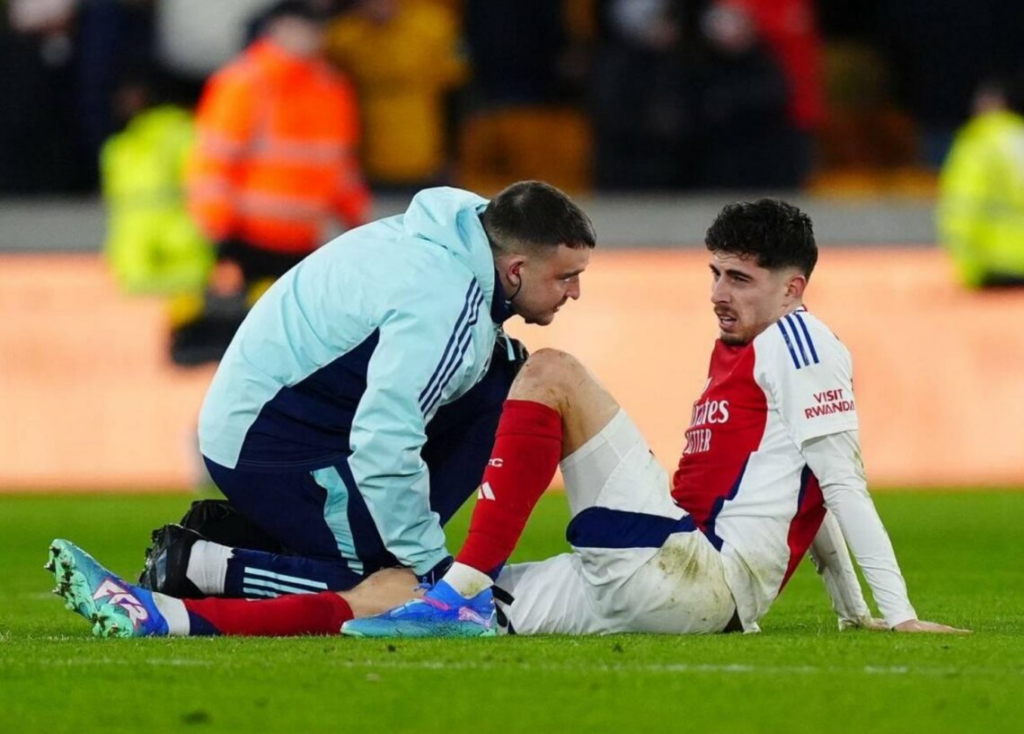
The Arsenal injury crisis has taken a toll on the team’s performance this season, with the Gunners enduring a staggering 93 injuries since the last campaign began. Mikel Arteta has recently provided injury updates, emphasizing the challenges faced by the club as it grapples with alarming statistics related to player fitness. As they navigate through this difficult period, Arsenal’s injury woes reflect a broader trend of Premier League injuries that have become increasingly frequent. Key players like Leandro Trossard, Gabriel Magalhaes, and Kai Havertz are sidelined, which underscores the need for effective football fitness management. With only Brighton surpassing them in injury count, the pressure mounts on Arteta to find solutions to restore the Gunners’ squad to full strength and improve their chances in both domestic and European competitions.
The situation at Arsenal exemplifies a significant challenge in modern football, where the management of player health and fitness has become crucial for success on the pitch. Often referred to as an injury epidemic, the Gunners are not alone in experiencing the strain of multiple player absences, as seen with numerous teams in the Premier League facing similar struggles. Factors such as fixture congestion, training intensity, and recovery protocols contribute to the ongoing dilemma of achieving optimal Arsenal player fitness. As the squad deals with these setbacks, it highlights the importance of effective strategies to mitigate injuries and maintain player availability throughout the season. Addressing these concerns will be essential for Mikel Arteta and his coaching staff as they aim to elevate their performance and competitive standing.
Understanding the Arsenal Injury Crisis
The Arsenal injury crisis has reached alarming levels, making it a topic of great concern for Mikel Arteta and all Gunners fans. With a total of 93 injuries recorded since last season, Arsenal stands as one of the clubs most affected by player unavailability in the Premier League. This staggering number highlights underlying issues in player fitness management and injury prevention strategies. Arteta has made it clear that he doesn’t hold medical staff solely accountable, as injuries often stem from a combination of factors including workload and match frequency.
Another critical aspect of the injury crisis at Arsenal revolves around the classification of injuries. Arteta emphasizes the distinction between long-term injuries, which can severely hamper squad depth for an extended period, and acute injuries that may result from sudden impacts or strains. The clarity in categorization can assist in developing targeted recovery programs to address the unique needs of each injured player, thereby enhancing overall team resilience in the face of challenges.
Recent Injury Updates by Mikel Arteta
Mikel Arteta has been proactive in providing updates regarding the fitness status of his players, particularly as various key members of the squad face extended spells on the sidelines. Notably, players like Leandro Trossard and Gabriel Magalhaes are currently unavailable due to injuries that have hampered their contributions on the pitch. Arteta’s transparency regarding the state of his squad fosters trust amongst fans and reinforces the need for comprehensive injury management protocols.
In his recent statements, Arteta has expressed visible frustration over player availability. The significant impact of specific players being injured, like Max Dowman, illustrates the ripple effect on team performance. The inability to field a full-strength squad complicates training dynamics and match preparations, often leading to additional strain on fit players. Arteta’s ongoing updates are crucial not only for fan engagement but for aligning the club’s medical and coaching resources to tackle these pressing injury issues efficiently.
The Impact of Injuries on Arsenal’s Season
The cascading effects of injuries on Arsenal’s season cannot be understated. With 26 injuries recorded just in the current campaign, the Gunners are struggling to maintain consistency and performance levels. Every absence from the lineup means altering tactics and relying on squad depth, which might not always yield favorable outcomes. This situation has raised questions about the team’s readiness for crucial matches, particularly in high-stakes tournaments like the Champions League.
Injury statistics show a stark reality; the Gunners’ players are frequently subjected to excessive workloads that could lead to burnout and further injuries. Teams like Leeds United, with slightly higher records, only highlight the growing concerns regarding player fitness and effective management during the season. Clearly, Arsenal’s approach to managing player fitness is at a crossroads, necessitating reassessment to mitigate risks of further injuries and enhance the team’s competitive edge.
Football Fitness Management: Lessons from Arsenal’s Situation
The plethora of injuries at Arsenal underscores the importance of robust football fitness management strategies. Efficiently managed player fitness can significantly reduce injury risk, thereby facilitating better squad stability throughout the season. Mikel Arteta’s insights into the nature of their injuries should prompt a deeper analysis of how training regimens and match loads are structured. Collaboration between fitness coaches and medical staff is vital to create a more holistic approach to player health.
Moreover, Arsenal can take this opportunity to innovate in their injury prevention methodologies while observing practices from other clubs that have successfully reduced their injury rates. This proactive stance on fitness management not only improves player health but also boosts overall team dynamics and morale. As teams navigate the challenges of an intensive football schedule, examining and reforming injury management protocols is essential for future success.
The Role of Medical Staff in Injury Prevention at Arsenal
The role of medical staff at Arsenal is critical in addressing the ongoing injury crisis afflicting the club. Arteta has defended the medical team’s efforts, emphasizing that blame should not lie solely with them, as multifaceted factors contribute to injuries. The team’s medical professionals are tasked with monitoring player usage, recovery routines, and making informed decisions about when players should return to training or match involvement, an effort critical to sustaining team performance.
The interplay between medical staff and coaching personnel becomes vital, particularly when navigating through periods with a high incidence of injuries. Effective communication ensures that coaching strategies consider player health and that any signs of fatigue or discomfort are promptly addressed. Furthermore, integrating advanced technologies to track player movements and health metrics can enhance Arsenal’s approach to injury management, leading to a longer-lasting athlete career and improved team performance.
Analyzing Gunners Injury Statistics: A Closer Look
Arsenal’s injury statistics provide valuable insights into the patterns and tendencies affecting player fitness over recent seasons. With 93 injuries noted since the last season, the stats reflect a broader trend within the club’s approach toward player management and conditioning practices. An analysis of these data can reveal which areas require immediate attention, such as training loads, pre-season preparations, and in-game risk assessments.
Moreover, comparing Gunners injury statistics with those from other clubs offers a benchmark for evaluating their performance in injury management. Identifying correlations in injury types and common occurrences aids in developing targeted training programs designed to minimize injury risks in the future. Statistical analysis becomes an indispensable tool for Arsenal to not just understand their injury landscape but also to chart a path toward striking a balance between player welfare and competitive success.
Future Implications of Arsenal’s Injury Woes
The future implications of Arsenal’s injury woes extend beyond the current season, affecting both player morale and club performance in the long run. As the season progresses, an already thin squad could find itself stretched even thinner with persisting injury issues. This raises concerns about potential player departures or changes in squad dynamics as frustrated athletes may seek opportunities elsewhere if they cannot secure consistent playing time.
Furthermore, the long-term impact on Arsenal’s competitiveness in the Premier League and European tournaments hinges on the ability to navigate these injury crises. The Gunners must invest in smart fitness management strategies to alleviate these recurring issues and secure both player longevity and high performance on the pitch. If addressed properly, this situation could lead to a reevaluation of training and medical practices that benefit not just the current squad but future generations of Arsenal players.
The Importance of Load Management in Football Injuries
Load management is a crucial aspect of preventing injuries in professional football, and Arsenal’s current predicament underscores this importance. As players endure rigorous schedules, the need to monitor training loads and match minutes becomes paramount. Arteta and his staff are now tasked with evaluating how much stress the players can handle, creating individualized plans to ensure that fatigue does not lead to injuries.
The integration of modern technologies, such as GPS tracking and analytics, is advantageous for assessing how players respond to certain loads, assisting in making informed decisions that impact training and matchday squads. By emphasizing load management, Arsenal can hope to mitigate the high frequency of injuries and develop a squad capable of maintaining optimal performance levels throughout the season.
Strategies for Improving Player Fitness at Arsenal
Improving player fitness is essential for Arsenal to navigate through their ongoing injury challenges more effectively. A strategic overhaul in their training regime, incorporating tailored conditioning programs and individualized recovery plans, could serve to enhance player resilience. Mikel Arteta needs to consider innovative training methodologies that focus on injury prevention, allowing players to maintain peak physical condition while reducing occupation risk.
Additionally, engaging with sports science professionals to analyze biomechanics and develop training specificities might yield substantial benefits. Fostering an ecological approach to player fitness ensures that a convergence of medical, physical, and technical aspects are harmonized. As Arsenal strives to solidify their position in both domestic and international football, implementing these strategies will not only tackle current injury issues but also lay the foundation for a healthier squad moving forward.
Frequently Asked Questions
What is the current status of the Arsenal injury crisis?
As of now, Arsenal is facing a significant injury crisis, having recorded a total of 93 injuries since the beginning of last season. This figure places them second in the Premier League rankings for injury statistics, just behind Brighton and Hove Albion. This season alone, Arsenal has experienced 26 injuries, affecting key players and impacting their performance.
How does Mikel Arteta manage the Arsenal player fitness amid the injury crisis?
Mikel Arteta has been actively addressing the injury problems at Arsenal by closely monitoring player fitness and differentiating between long-term and acute injuries. He emphasizes that the medical staff are not to blame for the injuries but acknowledges the strain of missing several players during matches. Arteta’s management approach focuses on ensuring players can contribute effectively without risking further injury.
What are the key injuries affecting Arsenal players during the current season?
Currently, Arsenal is missing several key players due to injuries, including Leandro Trossard, Cristhian Mosquera, Gabriel Magalhaes, Kai Havertz, and William Saliba. Their absence is particularly felt in crucial matches like the Champions League, where their fitness levels are essential for success.
How do Arsenal’s injury statistics compare to other Premier League teams?
In terms of injury statistics, Arsenal currently ranks second in the Premier League with 93 injuries recorded since last season. This places them just behind Brighton and Hove Albion, who have 97 injuries. This season, Leeds United also surpasses Arsenal with 28 injuries, while Aston Villa has matched Arsenal’s total of 26 injuries.
What type of injuries are most common among Arsenal players?
The injuries affecting Arsenal players consist of a mix of long-term injuries and acute injuries. Mikel Arteta highlights that these injuries are particularly problematic for strategic players, leading to prolonged absences that significantly impact the team’s performance and require ongoing management to mitigate risks.
How has the Arsenal injury crisis affected player performance in matches?
The Arsenal injury crisis has notably impacted player performance, with several key players unavailable to compete. The lack of player fitness and the ongoing strain of injuries have forced the team to adapt their strategies, often resulting in less effective gameplay and challenges in maintaining consistent performance across match fixtures.
What measures are in place for football fitness management at Arsenal during the injury crisis?
Arsenal employs rigorous football fitness management strategies to address the current injury crisis. This includes close monitoring of player health, adjusting training regimens, and assessing player availability for matches. Mikel Arteta underscores the importance of managing fitness levels to minimize injury risks while ensuring the team remains competitive.
What has Mikel Arteta said about the impact of injuries on the Arsenal squad?
Mikel Arteta has expressed frustration regarding the impact of injuries on the Arsenal squad, specifically highlighting the challenges of player availability due to both long-term and acute injuries. He emphasizes that missing key players creates additional strain on the remaining squad members, which can lead to more injuries and affect the overall performance of the team.
| Key Points | Details |
|---|---|
| Total Injuries | 93 injuries since last season, second-highest in the Premier League. |
| Comparison with Other Teams | Brighton has the highest with 97 injuries; Leeds United has 28 injuries this season. |
| Notable Injuries | Key players missing include Leandro Trossard, Cristhian Mosquera, Gabriel Magalhaes, Kai Havertz, and William Saliba. |
| Mikel Arteta’s Stance | He will not blame the medical staff and emphasizes monitoring different types of injuries. |
| Impact on Team Performance | Injuries create strain and affect player availability, limiting match performances. |
Summary
The Arsenal injury crisis has significantly impacted the team’s performance and availability of key players this season. With 93 injuries recorded, the Gunners find themselves facing a tough challenge as injuries continue to plague their squad. Coach Mikel Arteta’s commitment to monitoring players’ health and well-being while refusing to blame medical staff highlights the seriousness of the ongoing situation. As Arsenal navigates this injury-laden landscape, the hope is for a swift return to form and fitness for their missing stars.