
Listen to this article
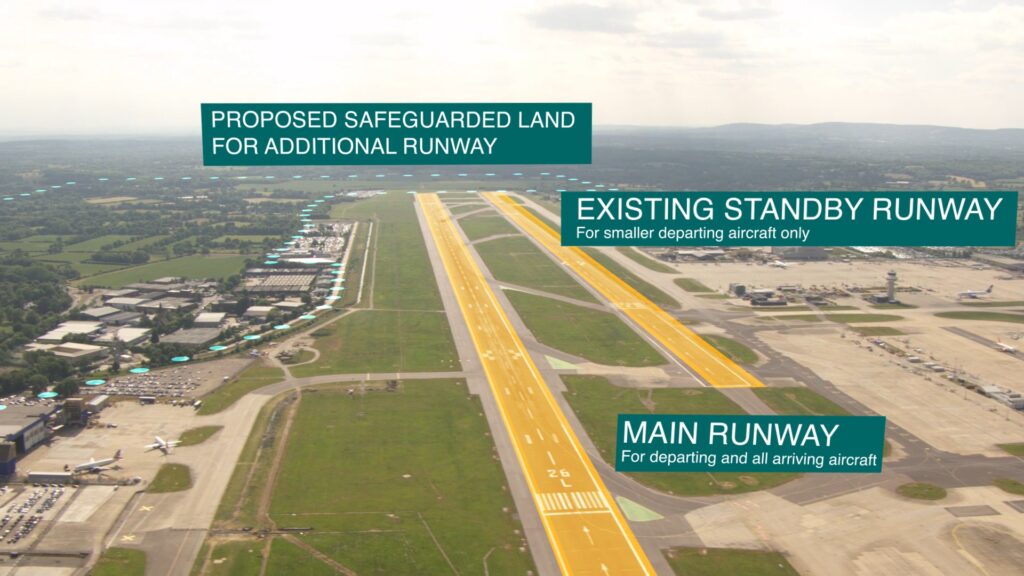
The Gatwick second runway legal challenge is set to unfold in a high-stakes battle at the High Court, with a date scheduled for January 2026. This controversial project aims to expand Gatwick Airport by relocating its emergency runway north, a move that is expected to add approximately 100,000 flights annually at a staggering cost of £2.2 billion. However, environmental concerns and community protests led by the campaign group CAGNE have sparked a significant legal challenge against this initiative, questioning the sustainability of the airport’s second runway plans. With the legal implications at the forefront, opponents argue that the government’s approval failed to thoroughly assess the potential climate impact of increased flight emissions. As Gatwick Airport news continues to develop, many eyes will be on the court to see how this pivotal ruling unfolds in early 2026.
In early 2026, the legal proceedings surrounding the proposed second runway at Gatwick Airport are poised to attract significant attention, as an official challenge has been lodged against the expansion plans. This expansion project, which entails moving the emergency runway northward, is both an ambitious infrastructure project and a point of contention for local advocates who argue about its environmental ramifications. The group CAGNE—Communities Against Gatwick Noise Emissions—is spearheading the legal actions, highlighting the potential oversights in evaluating emission impacts that could arise from the surge in air traffic. Such legal contests reflect broader concerns about balancing airport development with ecological sustainability, raising vital questions about the future of planned expansions in heavily populated areas. As this case progresses, it shines a light on the intricate dynamics between transportation growth and environmental stewardship.
Understanding the Legal Challenge to Gatwick’s Second Runway
As Gatwick Airport gears up for the upcoming legal challenge regarding plans for a second runway, the implications of this court case extend far beyond the airport itself. The challenge, spearheaded by the Communities Against Gatwick Noise Emissions (CAGNE), tightly intertwines issues of aviation growth with environmental concerns. The High Court is set to hear arguments from both sides beginning January 20, 2026, where the legality of the decision made by Transport Secretary Heidi Alexander will be scrutinized. It will explore whether the Department for Transport (DfT) adequately addressed critical questions regarding the environmental impact of increased air traffic, particularly concerning carbon and non-carbon emissions that could affect climate change significantly.
The scale of the proposed expansion is notable, with plans allowing for an additional 100,000 flights each year. This expansion has sparked widespread debate about the responsibilities of airports in mitigating climate impact, prompting organizations like CAGNE, led by Peter Barclay, to challenge the decision legally. The stakes are high, as Gatwick Airport, with its ambitious £2.2 billion project, faces not only delays in development but also the potential of heightened scrutiny regarding its commitment to sustainable operations.
The legal implications surrounding the Gatwick second runway project raise concerns that resonate throughout the aviation industry and beyond. If the courts decide to side with CAGNE, it would signal that environmental assessments need to be rigorously conducted before infrastructure projects are green-lighted. This would create a precedent that could redefine legal expectations for other airports across the UK, thereby influencing future developments and expansions in the aviation sector. Observers in the aviation space are already speculating about the long-term consequences this case could have on growth strategies within UK airports, emphasizing the need for a balance between expansion and environmental responsibility.
Key Issues in the Gatwick Second Runway Plans
At the heart of the Gatwick second runway plans are critical issues regarding environmental impact assessments and community concerns. CAGNE’s legal action emphasizes a perceived oversight in evaluating the significance of inbound flight emissions, contributing to the wider discussion about climate responsibility. Such scrutiny reflects a growing public sentiment that airport expansions should not disregard their carbon footprint. The High Court proceedings will involve evidence on whether the DfT considered all pertinent factors related to emissions and climate impact in their approval process. Failure to do so could invalidate the expansion plans and illustrate a failure to meet regulatory standards on environmental protection.
Moreover, the challenge has brought to the forefront a critical examination of how local communities are affected by the expansion of Gatwick Airport. Noise from increased flight paths and the overall emissions generated by additional flights are significant issues for those living in the vicinity. The debate presents a microcosm of broader environmental discussions taking place across the globe, highlighting how personal experiences intersect with regulatory decisions regarding national transportation infrastructure.
As the legal proceedings approach, the involvement of various stakeholders, including community groups and legal entities such as CAGNE, emphasizes the multifaceted nature of this challenge. The case illustrates a significant moment where local advocacy groups can influence governmental and corporate decision-making, reinforcing the notion that citizens have a voice in environmental matters that directly affect their lives. The ramifications of the court’s rulings could not only delay the Gatwick second runway but also set a vital precedent for how future airport projects handle environmental assessments.
The Timeline of the Gatwick Second Runway Legal Case
With the court hearing set for January 20, 2026, the timeline surrounding the Gatwick second runway legal case has captured significant attention. Legal representatives from both CAGNE and the DfT have prepared to present their arguments over the four-day hearing, following a series of intense preparatory phases leading up to this point. This case stands as a testament to the complex nature of aviation law in relation to environmental considerations, and the timing of the challenge coincides with a critical juncture for transport infrastructure in the UK. The insistence of Mr. Justice Mould on maintaining the date, despite requests from CAGNE for a delay, showcases the urgency perceived by the court in addressing this case expediently for the broader public interest.
The implications of this timeline extend beyond simply the date of the court appearance; they highlight a pressing agenda where legislators, airport authorities, and community groups must align their approaches toward sustainable airport operations. As the jet-setting ambitions of Gatwick Airport clash with local environmental concerns, the timeline serves as a crucial backdrop for anticipated rulings that may either bolster or impede future development plans.
As the clock ticks toward the 2026 court date, the preparations by both CAGNE and Gatwick Airport Limited serve as reminders of the stakes in this legal battle. Parties involved must consider that any delay or decision unfavorable to the expansion could shift the future planning dynamics of other national infrastructure projects. Legal teams will be closely monitoring the situation, as the outcomes might dictate the environmental standards expected in the aviation sector going forth. A ruling against Gatwick could alter how future infrastructure projects are undertaken, increasing the thoroughness of environmental assessments and possibly impacting similar projects across the UK.
Public Reaction to Gatwick’s Second Runway Plans
Public sentiment regarding the Gatwick second runway plans has been intensely polarized since the project was announced. Many local residents and environmental advocates have rallied against the proposed plans, citing concerns over increased air traffic, noise pollution, and carbon emissions that come with a substantial rise in flights. Campaign groups like CAGNE have gained traction by voicing these concerns and mobilizing community opposition to the project on the grounds that it poses significant environmental risks. Public awareness campaigns and petitions highlight how many individuals feel their quality of life could deteriorate as a result of the airport’s expansion, adding another layer of complexity to the case as it unfolds in court.
On the other hand, supporters of the second runway argue that the expansion is necessary for economic growth and job creation. Proponents suggest that increased airport capacity will not only benefit the local economy but also enhance Gatwick’s competitive stance in the increasingly crowded aviation market. This tug-of-war between environmental safeguarding and economic development underscores a broader national discourse about sustainable growth versus expansion, revealing the intricate dynamics of public opinion surrounding transport infrastructure projects.
As the legal challenge progresses towards its scheduled hearing, the evolution of public reaction will continue to play a pivotal role in shaping the discourse around Gatwick’s second runway plans. The involvement of community groups like CAGNE highlights how organized opposition can exert influence on decision-making processes at higher governmental levels. Analyzing public responses gives insight into how infrastructure projects can navigate the complexities of environmental stewardship and community relations. The outcome of the legal case may not only redefine local perceptions of Gatwick Airport but also echo into future transport policies, potentially shaping an era of greater environmental awareness.
The Role of Gatwick Airport Limited in the Legal Proceedings
Involved significantly in the legal challenge surrounding the second runway is Gatwick Airport Limited (GAL), the airport’s owner and operator. The company has taken a bold stance in defending its position, arguing that the expansion project received the necessary permissions through a rigorous evaluation process. GAL contends that the approved plans are aligned with national interests regarding infrastructure and transportation capacity. Their legal representation, equipped with extensive documentation since the application’s submission in July 2023, underscores the preparedness with which they are approaching the upcoming hearings. This strategic preparation is vital as GAL aims to counteract claims made by CAGNE about environmental oversight, insisting on a comprehensive review conducted prior to the project’s approval.
Additionally, GAL’s legal arguments emphasize the potential drawbacks of delaying the runway expansion, framing it as a threat to public interest and the continued growth of the region. Their perspective pushes back against the assertion that local concerns should halt national infrastructure progress, advocating instead for an integrated approach that balances both local and national priorities. In a landscape where environmental concerns are vital, GAL’s emphasis on developmental necessity forms a part of a larger narrative about how the UK intends to manage its airports in the future.
As the court date draws nearer, GAL’s involvement in the proceedings illustrates the intense competition among UK airports, especially as they seek to rebound post-pandemic. Their case will not only affect the future of Gatwick’s operations but could also set benchmarks for similar litigation involving other airports vying for expansion. The implications of this case on GAL extend beyond legal victory; a successful argument could bolster their reputation and operational capacity entering the future, while a loss could necessitate a reevaluation of how they conduct future expansion plans and engage with local communities on environmental impacts.
Impact of January 2026 Court Ruling on Gatwick Expansion
The court ruling set for January 2026 on the second runway plans at Gatwick Airport carries potential ramifications that could profoundly affect the aviation industry. Should the court find in favor of CAGNE, it could halt or significantly delay Gatwick’s proposed expansion, enforcing stricter adherence to environmental guidelines surrounding aviation emissions. This would not only affect Gatwick but could also set a legal precedent that might shape similar cases across the UK. The outcome is likely to signal to airport authorities that environmental assessments must take precedence when planning new developments, suggesting a shift towards more sustainable practices in the aviation sector overall.
Conversely, a ruling favorable to Gatwick Airport Limited would permit the commencement of the £2.2 billion project, representing a substantial commitment to the expansion of UK aviation infrastructure. Such a decision would likely be welcomed by stakeholders advocating for economic growth and job creation. The ruling would reinforce the message that national infrastructure projects can proceed despite local opposition, shifting the balance of power towards major transport hubs and their economic contributions.
Furthermore, the January 2026 ruling could effectively act as a bellwether for future infrastructure projects. Its implications may lead to a reevaluation of other planned expansions in the aviation sector, as stakeholders may become increasingly aware of legal vulnerabilities linked to environmental assessments. The outcome can help clarify the balance between economic demands and environmental responsibilities, ideally paving the way for more sustainable developments in the UK transport infrastructure going forward.
The Future of Gatwick Airport under Increased Scrutiny
As the legal challenge unfolds, the future of Gatwick Airport is threaded with increased scrutiny regarding its operational policies and expansion intentions. With the growing awareness of environmental impact, community groups and advocates are maintaining a vigilant watch over how the airport plans to align its ambitions with sustainability practices. The outcomes of the January 2026 ruling will likely inform how the airport approaches future projects and engages with local communities. A potential scenario could involve an enhanced focus on collaborative planning that prioritizes comprehensive environmental assessments and community outreach in decision-making processes.
Future airport expansions may very well be shaped by the precedents established by this legal challenge, prompting other airports to proactively integrate community concerns into their future development plans. Gatwick’s ability to navigate these challenges will determine not only its operational ambitions but also its reputation as a steward of responsible aviation practices amidst an environmentally conscious public.
Ultimately, as Gatwick Airport faces intensified challenges and scrutiny, ensuring that its future plans remain sustainable and transparent will be vital for its operational longevity. The unfolding legal situation serves as a critical reminder that airports must strike a delicate balance as they pursue growth while also addressing community and environmental needs. As they evolve, understanding the implications of this legal battle over the second runway is crucial for airport management and policymakers dedicated to navigating the complex landscape of modern aviation.
Frequently Asked Questions
What is the Gatwick second runway legal challenge about?
The Gatwick second runway legal challenge involves a lawsuit by the Communities Against Gatwick Noise Emissions (CAGNE) against the Department for Transport (DfT) regarding the approval of plans for a second runway at Gatwick Airport. The project aims to move the airport’s emergency runway to increase flight capacity, but CAGNE argues that the environmental impacts of the plans have not been adequately assessed.
When will the legal challenge regarding Gatwick’s second runway be heard?
The legal challenge concerning Gatwick’s second runway is scheduled to be heard starting on January 20, 2026. This four-day hearing will address the legal implications of the plans approved by the DfT.
What are the potential legal implications of the Gatwick second runway plans?
The legal implications of the Gatwick second runway plans may include scrutiny of environmental assessments, compliance with climate regulations, and the evaluation of flight emissions. CAGNE argues that the decision to approve the project did not sufficiently consider these factors.
Who is leading the Gatwick second runway legal challenge?
The Gatwick second runway legal challenge is being led by the Communities Against Gatwick Noise Emissions (CAGNE), with Peter Barclay, Chairman of the Gatwick Area Conservation Campaign, as a key figure in the legal action against the DfT’s approval of the runway plans.
What are CAGNE’s main concerns about Gatwick’s second runway plans?
CAGNE’s main concerns regarding Gatwick’s second runway plans include the failure to properly evaluate inbound flight emissions and the impact of non-carbon dioxide emissions on climate change, which they believe were overlooked in the DfT’s approval process.
How much is the Gatwick second runway project expected to cost?
The Gatwick second runway project is expected to cost approximately £2.2 billion. This investment aims to allow for an increase of around 100,000 additional flights per year at Gatwick Airport.
What arguments are being made by the DfT and Gatwick Airport Limited against the legal challenge?
The DfT and Gatwick Airport Limited (GAL) are arguing against the legal challenge by asserting that some claims made by CAGNE are ‘irrefutably unarguable.’ They emphasize the necessity to proceed with the project, citing its importance for national infrastructure and public interest.
What did the court say regarding the timing of the Gatwick second runway legal hearing?
Despite requests from CAGNE to postpone the Gatwick second runway legal hearing to February or March due to scheduling conflicts with their barristers, Mr. Justice Mould insisted that the case proceed on January 20, 2026, highlighting the importance of swift resolution.
| Key Aspect | Details |
|---|---|
| Legal Challenge Timing | Set for January 20, 2026, to be heard over four days. |
| Project Cost | £2.2 billion for the new runway project. |
| Additional Flights | Plans to allow approximately 100,000 additional flights per year. |
| Opponents | Communities Against Gatwick Noise Emissions (CAGNE) and Peter Barclay. |
| Government Involvement | The challenge is against the Department for Transport (DfT), led by Transport Secretary Heidi Alexander. |
| Arguments Presented | CAGNE argues against inadequate evaluation of climate impact, while DfT argues claims are unarguable. |
| GAL’s Position | Gatwick Airport Limited seeks to commence approved development without delays due to litigation. |
Summary
The Gatwick second runway legal challenge is a significant event scheduled for January 20, 2026, where crucial arguments regarding the expansion of Gatwick Airport will be debated. This challenge highlights the tensions between environmental concerns and infrastructure development, making it a focal point in discussions surrounding aviation policy and climate impact.

