Listen to this article
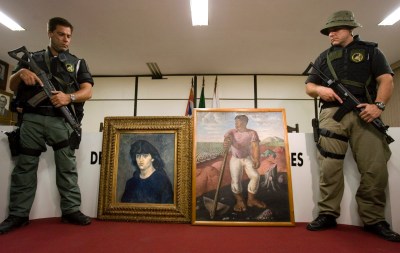
The São Paulo art heist has entered the headlines as a shocking incident involving the theft of at least 13 valuable paintings from a local library. Among the stolen artworks, the most notable pieces include eight engravings by the celebrated French master Henri Matisse, raising alarms in the art world. This brazen act of art theft has become a key focus of police investigations and art theft news, particularly as authorities work tirelessly to recover the stolen pieces. After identifying the escape vehicle used by the robbers, local law enforcement has made an arrest and is seeking further leads in collaboration with Interpol art recovery teams. As this story unfolds, the implications for art enthusiasts and collectors remain significant, revealing the vulnerability of even the most esteemed institutions to criminal activities.
In a daring operation, a recent art crime in São Paulo saw armed thieves make off with numerous priceless artworks, causing ripples through the cultural landscape of Brazil. This particular incident has drawn attention not only for the nature of the theft but also for the high-caliber nature of the stolen items, including original engravings by Henri Matisse. As updates circulate in the media, the case exemplifies broader issues surrounding art security and the ongoing battle against illicit art trade. Local authorities, working alongside international organizations like Interpol, aim to trace these stolen treasures, highlighting the persistence needed to combat art theft effectively. The São Paulo library theft serves as a crucial reminder of the importance of safeguarding cultural heritage against emerging threats.
Overview of the São Paulo Art Heist
The recent São Paulo art heist has left the art community in shock, highlighting the ongoing issue of art theft around the globe. Two armed men infiltrated a library, making off with at least thirteen valuable paintings, including eight engravings by the renowned French artist, Henri Matisse. This incident not only raises concerns about security measures in public institutions but also reflects the persistent demand for stolen artworks among collectors and black markets.
In this high-profile case, Brazilian authorities have acted swiftly. They have already recovered the escape vehicle utilized by the thieves and apprehended one suspect. With the involvement of Interpol, the pursuit of the stolen Henri Matisse paintings has escalated, underscoring the international commitment to art recovery efforts. As the story unfolds, more details from CCTV footage have begun to shed light on the culprits’ methods, garnering significant attention in the art theft news.
Significance of Henri Matisse’s Artworks
Henri Matisse is celebrated for his vibrant use of color and innovative design, which has had a lasting impact on modern art. The engravings stolen during the São Paulo heist are not just valuable in terms of monetary worth but also hold significant cultural and historical value. Collectors and museums around the world strive to conserve and showcase his masterpieces, as Matisse’s works embody a defining era in art history.
The theft of Matisse’s artworks represents a loss that resonates beyond just financial terms. As art theft becomes more prevalent, cultural heritage is increasingly at risk. Stolen artworks like those taken from the library in São Paulo often end up in clandestine sales, depriving the public of experiencing these artistic treasures. The efforts for their recovery, spearheaded by authorities and Interpol, seek not just to reclaim stolen properties but to restore cultural integrity.
The Role of Interpol in Art Recovery
Interpol plays a crucial role in the recovery of stolen artworks worldwide, tapping into a global network to track and locate missing pieces. With the recent São Paulo art heist, their involvement is particularly significant as they collaborate with Brazilian authorities to trace the lucrative paths often taken by stolen art. Their expertise in handling art theft cases reinstates the hope of recovering significant pieces, like the stolen Matisse engravings.
The commitment of Interpol to fight against art crime involves investigating and sharing information on art thefts across borders. Known for their extensive databases, they provide vital assistance in identifying and recuperating stolen artworks. By partnering with local law enforcement in Brazil, Interpol aims to ensure that the stolen Matisse paintings do not fall into the hands of art traffickers and that such cultural treasures can be displayed publicly once again.
Impact of Art Theft on Cultural Institutions
The theft of valuable artworks from cultural institutions such as libraries poses not only a financial burden but also a reputational threat. These establishments are typically seen as safe havens for cultural preservation, so incidents like the São Paulo art heist create a ripple effect that undermines public trust. Patrons and visitors may reconsider their engagements with institutions perceived as vulnerable to theft, leading to decreased attendance and support.
Moreover, the implications of art theft extend to the resources required for recovery and security enhancements. Institutions must now invest in advanced surveillance and recovery strategies, diverting funds that could have been used for exhibitions or community outreach programs. The challenges faced by Brazilian authorities in the aftermath of the heist underscore the need for innovative approaches to safeguard against future incidents.
Recent Trends in Art Theft
Art theft is an alarming trend that has seen a notable increase in recent years. As the value of art rises, so does the incentive for criminals to target valuable pieces. The São Paulo art heist illustrates how modern thieves are becoming more brazen, orchestrating complex operations to execute their plans. The increasing involvement of organized crime in art theft raises significant concerns for authorities worldwide.
In addition to the theft of individual works, there is a growing trend observed in illicit trade networks that specialize in stolen artworks. The ability of these criminals to move art across borders with relative ease complicates recovery efforts, as seen with the stolen Matisse engravings. The prevalence of thefts from prestigious institutions emphasizes the need for international cooperation, stringent laws, and public awareness to combat this ongoing issue.
Legal Framework Surrounding Art Theft
The legal framework concerning art theft varies widely across regions, creating challenges in the swift recovery of stolen artworks. In Brazil, while there are laws protecting cultural heritage, enforcement can often be difficult, particularly in cases involving international boundaries. The São Paulo art heist exemplifies the complexities involved in art recovery, as authorities seek to navigate legal intricacies while collaborating with entities like Interpol to maximize the chances of reclaiming stolen pieces.
On a global scale, treaties such as the 1970 UNESCO Convention aim to combat the illicit trade of cultural property, encouraging nations to strengthen laws against art theft. However, discrepancies in legal definitions and responsibilities can hinder cross-border cooperation. Efforts to establish clearer regulations and processes within the art world are essential in mitigating the risks related to art theft and enhancing recovery efforts. The pursuit of accountability for stolen artworks like those taken from the São Paulo library is pivotal in restoring cultural trust.
Community Response to Art Theft
The community’s reaction to the São Paulo art heist has been one of outrage and concern, demonstrating a collective recognition of the value of cultural heritage. Local artists, historians, and art enthusiasts have rallied to raise awareness about the theft and the importance of preserving such artworks. Social media campaigns and public discussions emphasize the need for greater vigilance and proactive measures to protect against future art thefts.
Furthermore, community-led initiatives may emerge from this incident, aiming to foster a stronger relationship between cultural institutions and their patrons. By engaging the public in dialogue about art security and recovery, communities can play an essential role in safeguarding cultural treasures. The resurgence of interest in the Matisse engravings stolen reflects a unified desire to recover these works and prevent similar incidents from occurring.
Global Implications of Art Theft
The ramifications of art theft extend beyond the immediate loss of the artworks; they reverberate across the globe, impacting cultural exchange and appreciation. When works like those of Henri Matisse are stolen, it diminishes the ability for communities—even nations—to connect with their artistic heritage. As art travels and lives beyond borders, theft disrupts the narrative of cultural continuity and shared history.
International organizations and local governments must work in tandem to address the ongoing threat posed by art thefts. The São Paulo art heist serves as a stark reminder of the vulnerabilities faced by cultural institutions worldwide. By fostering collaborations and sharing resources, the global art community can enhance efforts to combat this issue and promote the recovery of stolen artworks, ensuring that cultural legacies endure.
Future Prevention of Art Theft
In light of incidents such as the São Paulo art heist, there is an increasing necessity for cultural institutions to reassess and enhance their security measures. Employing advanced technology, such as surveillance systems and tracking software, can significantly deter potential criminals and protect valuable artworks. Furthermore, training staff on emergency protocols and theft prevention strategies is crucial to fostering a vigilant and prepared environment.
Building partnerships with law enforcement and art organizations can also provide vital resources and insights for preventing future art thefts. Community engagement, education about the importance of art, and the promotion of ethical collecting practices can cultivate a sense of responsibility and shared duty in preserving cultural heritage. By laying the groundwork for more secure environments, institutions can better protect their collections from the growing threat of art crime.
Frequently Asked Questions
What happened during the São Paulo art heist involving Henri Matisse paintings?
The São Paulo art heist involved at least 13 paintings being stolen from a library in São Paulo, Brazil, including eight engravings by the renowned French artist Henri Matisse. Armed men executed the theft, and local authorities have since arrested one suspect and located the getaway vehicle.
How many artworks were stolen in the São Paulo art heist?
In the São Paulo art heist, a total of 13 artworks were stolen, which notably included eight engravings by Henri Matisse. The incident has gained significant attention in art theft news due to the value and prominence of the stolen items.
What are the collaboration efforts to recover the stolen artworks from the São Paulo art heist?
Authorities are actively collaborating with Interpol to recover the stolen artworks from the São Paulo art heist. This partnership aims to prevent the paintings, including the Henri Matisse engravings, from being trafficked out of the country.
What does the CCTV footage reveal about the São Paulo art heist?
CCTV footage from the São Paulo art heist reveals critical details about the modus operandi of the armed thieves. It showcases how they executed the heist and subsequently escaped, providing key evidence for law enforcement.
What steps are being taken in response to the São Paulo art heist?
Following the São Paulo art heist, local authorities have made arrests and seized the escape vehicle. They are continuing their investigation and working with Interpol on international art recovery strategies to locate the stolen Henri Matisse paintings.
What is the significance of the stolen Henri Matisse paintings in the São Paulo art heist?
The stolen Henri Matisse paintings are significant not only due to their artistic value but also because they highlight the ongoing issues of art theft in Brazil. This São Paulo art heist has drawn international attention and emphasizes the need for stronger protective measures for cultural assets.
Where can I find the latest news on the São Paulo art heist?
For the latest updates on the São Paulo art heist, including recovery efforts and developments in art theft news, reliable sources include major news outlets like BBC Brasil, which has been covering the incident closely.
What challenges does law enforcement face in recovering stolen artworks from the São Paulo art heist?
Law enforcement faces several challenges in recovering stolen artworks from the São Paulo art heist, including the potential for artworks to be smuggled out of Brazil. Collaborating with organizations like Interpol is crucial in overcoming these hurdles.
| Key Points |
|---|
| Two armed men stole paintings from São Paulo library. |
| The theft included 13 paintings, 8 of which are by Henri Matisse. |
| Authorities found the escape vehicle and arrested one suspect. |
| Local authorities are working with Interpol to recover the artwork. |
| CCTV footage provides insights into how the heist took place. |
Summary
The São Paulo art heist has highlighted the vulnerabilities in security surrounding valuable artworks. As two armed men successfully executed their plan to steal at least 13 paintings from a local library, the incident underscores the importance of prompt law enforcement response and international cooperation. With one suspect arrested and local authorities collaborating with Interpol, efforts are underway to recover these significant works before they vanish from Brazil. The involvement of high-profile artworks, especially pieces by renowned artist Henri Matisse, amplifies the urgency of this case, making it crucial for authorities to act quickly.