Listen to this article
The Ukraine peace plan is at the forefront of international discussions as Ukraine seeks to navigate the complex landscape of negotiations with Russia. With President Volodymyr Zelensky firmly opposing any territorial concessions, the stakes have never been higher for maintaining Ukraine’s sovereignty. His strong stance reflects legal and moral objections against yielding land, especially in the contentious Donbas region conflict. Amidst efforts for US Ukraine negotiations, Zelensky has voiced his determination to avoid terms that could further empower Russian aggression. As the international community rallies around Ukraine, the pressure mounts for a strategic resolution that honors territorial integrity while securing vital international military support Ukraine desperately needs.
In the ongoing quest for peace in Ukraine, the focus shifts to a newly proposed diplomatic framework aiming to resolve the conflict without compromising national borders. Zelensky’s approach underscores a commitment to uphold Ukraine’s territorial rights amid external demands for concessions, particularly regarding sensitive areas like the Donbas. As US officials engage in high-stakes discussions, international allies remain critical of any proposals that might jeopardize Ukraine’s independence or bolster Moscow’s influence over Eastern Europe. The potential for a collaborative international military coalition adds another layer to this intricate situation, pushing for unity among nations supporting Ukraine’s autonomy. As negotiations unfold, the balance between peace and national integrity remains a pivotal concern for leaders around the globe.
Navigating the Ukraine Peace Plan: A Legal and Moral Stance
As Ukraine prepares to unveil a revised peace plan, President Volodymyr Zelensky’s firm stance against territorial concessions to Russia highlights a broader narrative of national sovereignty and international law. The rejection of any land surrender rests on both legal precedents and a moral imperative to uphold Ukraine’s territorial integrity. Zelensky’s remarks in front of European allies indicate a collective resolve to withstand pressures that might compel Ukraine to compromise its borders, with emphasis on the critical legal frameworks surrounding such decisions.
In the wake of ongoing negotiations, it is essential to understand the implications of Zelensky’s position. The existing international laws prohibit forced territorial acquisitions, which reinforces Ukraine’s determination to maintain control over key areas like the Donbas region. This legal clarity comes at a time when international military support for Ukraine is crucial, as such backing could deter Russia from further aggression and empower Ukraine to negotiate from a position of strength.
US-Ukrainian Negotiations: The Complexity of Peace Talks
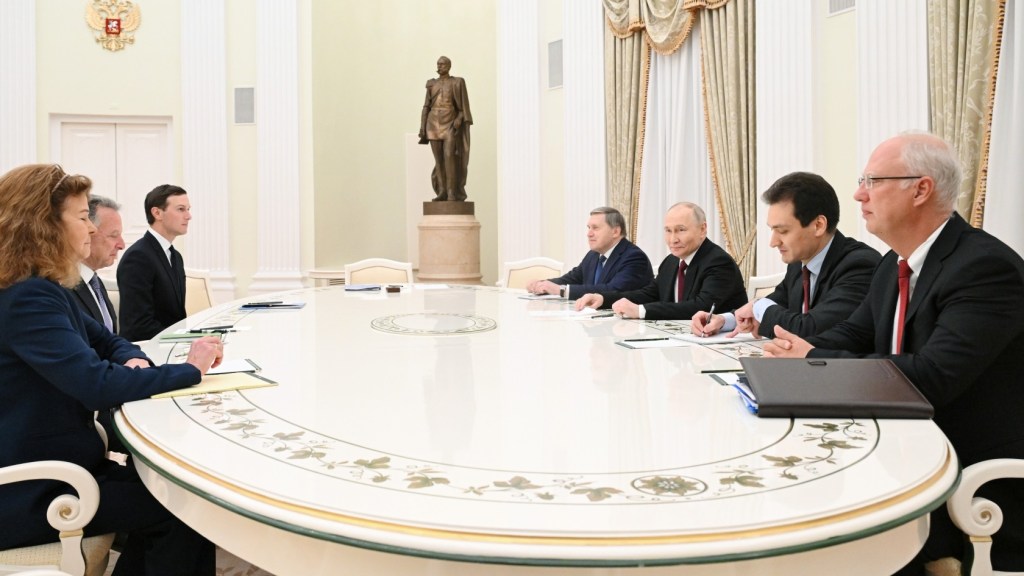
Recent discussions between US and Ukrainian negotiators highlighted the intricate dynamics at play in achieving a lasting peace. Zelensky’s journey across Europe post-negotiations showcases Ukraine’s urgency in refining its stance against territorial concessions, particularly in the context of the Donbas conflict. The absence of a satisfactory agreement reinforces the skepticism surrounding the proposed terms, especially those where Ukraine might relinquish significant territories. Such concessions could inadvertently set a precedent that undermines both Ukraine’s sovereignty and the collective security promises made by NATO allies.
The negotiations included US attempts to present a 28-point plan that has now been pared down to 20; however, Zelensky maintains that the core issues of Ukrainian territorial integrity remain unchanged within these discussions. European leaders are acutely aware that any deal must be one that does not leave Ukraine vulnerable to future threats from Russia, thereby underscoring the necessity for a robust international coalition to support Ukraine militarily if peace talks falter.
Territorial Concessions: Risks and Repercussions for Ukraine
The question of territorial concessions in the context of peace negotiations is critical, particularly regarding the Donbas region, a flashpoint of conflict since 2014. Zelensky’s assertion that he has ‘no right’ to negotiate Ukrainian land reflects a deep-seated commitment shared by many Ukrainians: the defense of their homeland against external aggression. The potential for concessions not only raises legal questions but also poses risks of emboldening Russian ambitions, potentially leading to further conflicts or territorial claims.
Moreover, any agreement that appears to favor Russian demands could incite backlash within Ukraine, resulting in a public outcry against perceived betrayals of national interests. The emphasis on public referenda for any border changes speaks to a broader democratic principle that Zelensky is advocating, ensuring that any territorial decisions are rooted in the will of the people rather than imposed by foreign powers.
Military Support for Ukraine: A Pillar of Peace Negotiations
As the peace negotiations evolve, the role of international military support for Ukraine emerges as a central theme. Allies, particularly in Europe, recognize that sustained support is pivotal to maintaining a strong defense posture while negotiating peace. The proposed idea of deploying international troops in Ukraine, while contentious, reflects a serious commitment to deterring further Russian advances. This military assurance is essential, especially if peace talks lead to compromises that could weaken Ukraine’s tactical advantage.
The ongoing efforts to assemble an international coalition demonstrate a unified approach to bolstering Ukraine’s defenses. Countries like the UK and France are actively engaging in discussions about military aid, signaling the necessity of a coordinated strategy to uphold Ukraine’s sovereignty. As the peace talks progress, these discussions become increasingly crucial, emphasizing that robust military backing remains a vital component in securing a believable and maintainable peace.
The Future of Eastern Europe: Geopolitical Implications of the Ukraine Peace Plan
The wider geopolitical landscape in Eastern Europe hinges on the outcome of Ukraine’s revised peace plan. The implications of the negotiations resonate beyond Ukraine’s borders, as the prospect of a successful peace agreement could set a precedent for how territorial disputes might be handled in the future. Any territorial concessions demanded by Russia could embolden its ambitions in the region, potentially destabilizing neighboring countries and altering the security dynamics across Eastern Europe.
Leaders in the region are wary of any outcomes that might undermine collective security frameworks established by NATO. As the talks progress, the spotlight remains on the unity among European nations and their shared commitment to deter Russian aggression. The ongoing diplomatic efforts, including Zelensky’s meetings with leaders in London and Brussels, are critical to fostering a collaborative response to potential Russian expansionism and ensuring that a robust peace prevails in the region.
Zelensky’s Strategy: Balancing Diplomacy and Defense
President Zelensky’s approach reflects an intricate balance between diplomacy and defense, particularly as the nation navigates through contentious negotiations. His refusal to yield on territorial rights illustrates an unwavering commitment to Ukraine’s sovereignty while engaging with international partners. Zelensky’s diplomatic outreach has been vital in garnering support from European allies, who share concerns over Russia’s expansionist policies and the implications of any favorable agreements for Moscow.
The dual-track strategy that combines diplomatic engagement with a robust military posture serves to reinforce Ukraine’s position in negotiations. By maintaining strong communication with allies and enhancing military readiness, Zelensky seeks to leverage both aspects to ensure any proposed peace plan is equitable and does not compromise the nation’s territorial integrity. This multifaceted approach aims to reassure both the Ukrainian populace and international stakeholders of Ukraine’s resilience and commitment to sovereignty.
European Unity in the Face of Conflict: The Role of Major Powers
The ongoing conflict in Ukraine has galvanized European unity around shared challenges posed by Russian aggression. Major powers within Europe have expressed a collective resolve to support Ukraine through diplomatic and military channels. This unity is essential in the context of any peace negotiations, where the stakes are high and the potential for territorial concessions remains a divisive issue. Leaders from countries like the UK and France are crucial players, and their support amplifies Ukraine’s calls for a fair peace agreement.
The collaborative efforts demonstrated during recent summits underscore a commitment to maintaining a strategic alliance that can effectively counteract Russia’s influence in the region. The acknowledgment of Zelensky’s concerns about the implications of territorial concessions is indicative of a broader European understanding of the need to uphold international law and national sovereignty, further solidifying the foundation upon which any sustainable peace must be built.
Military Support: A Critical Lever in Peace Processes
In the context of ongoing peace negotiations, the importance of international military support for Ukraine cannot be understated. As discussions unfold, the balance of power remains a vital consideration, and the backing of allies serves to fortify Ukraine’s negotiating position. Countries within the NATO alliance have recognized that without substantial military assistance, Ukraine could be compelled to make detrimental concessions that may undermine its long-term sovereignty.
Prominent military support initiatives from allies, including the provision of advanced weaponry and defense systems, are essential to ensure Ukraine can effectively resist aggression. This international coalition reiterates the commitment to Ukraine’s preservation and underlines the responsibility of allied nations to foster a secure environment in which peace talks can yield positive results.
Public Sentiment and Referendums: The Heart of Peace Agreements
Amidst the backdrop of negotiations, public sentiment plays a critical role in shaping the discourse around potential peace agreements. Zelensky’s call for referendums on any changes to territorial integrity resonates with the Ukrainian populace’s desire for autonomy and democratic input in matters that affect their homeland. This approach highlights a commitment to ensuring that any future peace plans are not only politically sound but also reflect the will of the people.
The process of integrating public opinion into the negotiation framework is crucial. Through referendums, Ukraine can reinforce its democratic ideals while establishing a clear mandate for the government in any potential territorial discussions. Engaging citizens in these decisions serves to enhance national cohesion and ensure that any outcomes align with the fundamental principles of Ukrainian sovereignty.
Frequently Asked Questions
What are the key elements of the Ukraine peace plan being presented by Zelensky?
The Ukraine peace plan, as outlined by President Zelensky, includes a steadfast refusal to make territorial concessions to Russia. Zelensky emphasizes maintaining Ukraine’s territorial integrity, citing both legal and moral justifications. The plan aims to refine a previous 28-point proposal down to 20 points while ensuring support for Ukraine remains intact and addressing key issues like control over the Donbas region and the Zaporizhzhia nuclear power plant.
How does Zelensky’s peace proposal intend to address territorial concessions?
Zelensky’s peace proposal explicitly rejects any form of territorial concessions to Russia. He firmly believes that any adjustments to borders must be sanctioned by a public referendum, asserting that Ukraine has ‘no right’ to surrender land according to both Ukrainian and international law. This stance seeks to maintain Ukraine’s territorial integrity amidst ongoing negotiations.
What role do international military support and coalition efforts play in the Ukraine peace negotiations?
International military support is a crucial aspect of the Ukraine peace negotiations. Zelensky’s administration is actively seeking to form a coalition of allies to ensure continued military backing for Ukraine during the peace process. This support is intended to bolster Ukraine’s position in discussions, especially against demands for territorial concessions from Russia.
What conflicting perspectives exist regarding the US Ukraine negotiations?
The US Ukraine negotiations present conflicting perspectives, particularly regarding territorial concessions. While the US has proposed compromises in earlier drafts of the peace plan, Zelensky’s administration resists these proposals, aiming to secure Ukraine’s territorial integrity without succumbing to Russian demands. This conflict highlights the dynamics of support from US allies in Europe and the need for continued solidarity.
How has Zelensky communicated the significance of the Donbas region in the peace talks?
Zelensky has highlighted the Donbas region as a sensitive topic in the ongoing peace talks. The negotiations have seen Russian demands for total control over this area, which Ukraine remains unwilling to concede. This highlights the geopolitical stakes at play, as the Donbas conflict continues to be central to Ukraine’s national integrity and security.
What challenges does Ukraine face in securing international support during the peace process?
Ukraine faces challenges in securing consistent international support, particularly regarding military backing and potential troop deployments from allies like the UK and France. Skepticism from other European defense figures about deploying troops complicates the situation, necessitating a unified front to deter Russian aggression while navigating the peace negotiations.
What impact might domestic politics in the US have on the Ukraine peace plan?
Domestic politics in the US may significantly impact the Ukraine peace plan, especially with statements from figures like former President Donald Trump, who claims Zelensky hinders peace efforts. Such perspectives could influence US foreign policy priorities and the level of support provided to Ukraine, complicating the international response to negotiation outcomes.
How is the international community responding to Zelensky’s peace proposal?
The international community has shown a varied response to Zelensky’s peace proposal, with European leaders recognizing the urgency of solidifying support for Ukraine. Discussions have focused on refining draft agreements and the necessity of maintaining military aid, indicating a united effort to support Ukraine against pressures for territorial concessions.
What are the next steps for Zelensky in the ongoing peace negotiations?
Next steps for Zelensky include further diplomatic engagements, such as meetings with NATO and EU leaders. Ongoing discussions aim to finalize the revised Ukraine peace plan while assessing international military support options. Zelensky’s focus remains on ensuring Ukraine’s territorial integrity without compromising during negotiations with Russia.
| Key Point | Details |
|---|---|
| Revised Peace Plan | Ukraine is preparing a revised peace plan to present to the US, focusing on avoiding territorial concessions. |
| Zelensky’s Position | President Zelensky refuses to surrender any land, citing Ukrainian and international law. |
| European Support | During discussions with European NATO leaders, Zelensky emphasized unity against US endorsement of any deal demanding major concessions. |
| Power Outage in Sumy | A Russian drone attack on Sumy resulted in a power outage; however, no casualties were reported. |
| Negotiations Status | Recent negotiations between the US and Ukraine ended without an acceptable deal, with Zelensky receiving updates from his aide. |
| Territorial Integrity | Zelensky stressed changes to borders should be sanctioned by a public referendum, maintaining Ukraine’s territorial integrity. |
| Sensitive Negotiation Issues | Key topics include control of the Donbas region and the Zaporizhzhia nuclear power plant. |
| International Coalition | Efforts are ongoing to form an international coalition for military support post-peace deal negotiations. |
| Future Discussions | Zelensky’s schedule includes meetings with NATO and EU leaders for further talks regarding support for Ukraine. |
| Trump’s Statement | Former President Trump views Zelensky as an obstacle to peace, claiming he can resolve the conflict quickly. |
Summary
The Ukraine peace plan is centered around a revised approach presented by President Zelensky, emphasizing Ukraine’s commitment to not concede any territory to Russia. Throughout ongoing discussions with allied leaders and US negotiators, Ukraine seeks to safeguard its national integrity while navigating complex diplomatic challenges. The emphasis remains on garnering international support for Ukraine, fostering collaboration, and ensuring any potential territorial changes undergo public referendum to reflect the nation’s stance. As the situation develops, the Ukraine peace plan holds critical importance in shaping the future of the conflict and regional stability.