Listen to this article
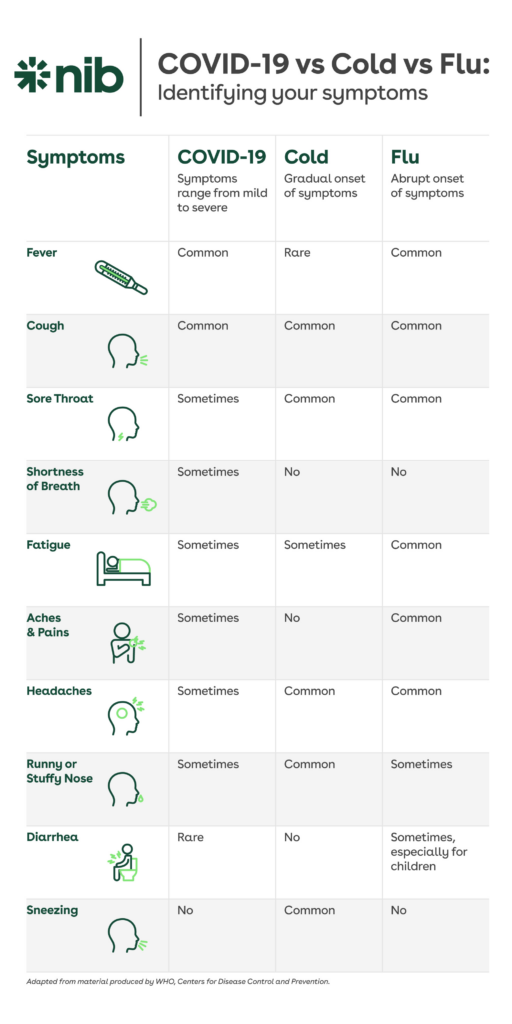
As the cold season descends and coughs and sneezes become commonplace, understanding the cold, flu, and Covid differences is crucial for safeguarding your health. Each of these illnesses presents a unique set of symptoms, making it vital to learn how to identify flu symptoms promptly. In fact, the so-called “super flu” has emerged this year, characterized by prolonged or intensified flu-like symptoms, complicating the distinction between these respiratory ailments. With the overlap of signs of super flu, cold, and symptoms of Covid, recognizing the specific indicators can make a significant difference in treatment and recovery. By staying informed about these varying conditions, you’ll be better equipped to tackle this challenging season and protect yourself and your loved ones from infectious diseases.
Navigating through the myriad of respiratory illnesses can be perplexing, particularly when considering the nuances between a common cold, seasonal influenza, and the ongoing Covid pandemic. Knowing how to discern between these maladies—often referred to as a viral infection spectrum—is essential for effective management. The flu season, accompanied by the fear of coronavirus variants, adds layers of complexity to our discussions about health. Symptoms can overlap significantly, making it difficult to pinpoint the exact illness without careful observation. Thus, grasping the essential distinctions between these afflictions not only empowers individuals to seek appropriate care but also aids in preventing further transmission of these pervasive viruses.
Understanding the Evolution of Cold and Flu Symptoms
Cold symptoms usually develop gradually, often starting with a scratchy throat and a runny nose. This gradual onset can help differentiate it from the flu, which typically hits much harder and faster. Colds mainly affect the upper respiratory tract, leading to symptoms like nasal congestion and mild coughing.” Understanding these early signs is crucial, especially as colder weather encourages the spread of these viruses as people gather indoors.
As the cold progresses, symptoms may include elevated congestion and mucus production, especially with a chesty cough. People often find that although colds can be annoying, they typically don’t prevent you from participating in daily activities. Recognizing these distinct characteristics can aid in accurate identification and prompt treatment.
The Rise of ‘Super Flu’ and Its Symptoms
The term ‘super flu’ has surfaced recently to describe particularly severe strains of influenza that seem to last longer than traditional flu seasons. NHS leaders have noted an unprecedented flu season, with cases appearing earlier and the strains more virulent than in previous years. Symptoms of the super flu are similar to those of standard flu but can include more intense muscle aches, severe headaches, and an overall sense of fatigue that can last for weeks.
Understanding the signs of this ‘super flu’ is vital because its impact is more pronounced, potentially leading individuals to underestimate their need for rest and recovery. Symptoms such as a high fever, chills, and debilitating exhaustion should prompt individuals to consult healthcare providers and consider vaccination options to curb the spread.
How to Differentiate Between Cold, Flu, and Covid
When considering cold vs flu vs Covid, it’s essential to note the symptom onset. Colds typically set in gradually, while flu symptoms often manifest suddenly, leaving individuals feeling utterly depleted. Common signs of flu include high fevers, severe chills, and widespread muscle aches. In contrast, Covid can mimic flu symptoms but also includes unique indicators such as a loss of taste or smell, which can help in making an accurate diagnosis.
Covid has complicated the landscape of respiratory infections, with overlapping symptoms causing confusion. While both flu and Covid generally feature similar indicators, Covid has a reputation for a sharper sore throat and gastrointestinal issues, including diarrhea. Rapid testing and awareness of these distinctions become crucial for proper self-isolation and the prevention of virus transmission.
Identifying the Symptoms of Covid-19
Covid-19 symptoms often align with those of the flu, making recognition challenging. Typical symptoms include fever, fatigue, and cough, but their appearance can be combined with loss of taste or smell, a symptom that has become more recognized during the pandemic. This sudden loss of taste or smell remains a definitive identifier, helping to distinguish it from other illnesses like traditional cold or flu.
Moreover, emerging variants and their associated symptoms can vary and may include gastrointestinal disturbances, which are less common with colds and flu. Awareness of these changing symptoms is essential for individuals to act swiftly, seek medical attention, or engage in testing procedures when Covid is suspected.
Recognizing the Signs of the ‘Super Flu’
The signs of the ‘super flu’ can be more severe than the typical flu, leading to crippling fatigue, muscular pain, and, in some cases, complications that require hospitalization. Early recognition is key; flu-like symptoms that escalate quickly, accompanied by significant body aches and high fever, may signify this variant rather than regular influenza.
Monitoring for these signs is critical, especially during peak flu seasons when both flu and respiratory viruses are prevalent. Distinguishing between super flu and other viral infections can guide individuals in protecting their health and understanding when to seek professional medical advice.
Effective Home Remedies for Common Viruses
While the body often fights infections naturally, several home remedies can provide symptomatic relief for colds, flu, or even Covid. Common strategies include hydration, rest, and using over-the-counter medications like ibuprofen or paracetamol to ease fever and body aches. Warm fluids, including herbal teas or chicken soup, can soothe the throat and keep you hydrated during an illness.
In addition to basic remedies, maintaining a balanced diet rich in vitamins can bolster your immune system. Vitamin C is frequently highlighted for its potential benefits in fighting colds, while Vitamin D supplementation is encouraged during the months of less sunlight.
The Importance of Vaccination Against Flu and Covid-19
Vaccination remains one of the most effective means of preventing severe illness from both flu and Covid-19. Annual flu shots are recommended, especially for at-risk groups, to decrease the likelihood of infection and mitigate the symptoms of the flu season, including the newer strains referred to as super flu.
Likewise, Covid vaccines are essential for reducing the severity of the disease and preventing hospitalizations. Being vaccinated not only protects the individual but also contributes to public health by intensifying community immunity against respiratory viruses.
When to Seek Medical Attention for Respiratory Symptoms
Recognizing when to seek medical attention for respiratory symptoms is an important aspect of managing health. If symptoms worsen significantly or if you have underlying health conditions that could complicate a cold or flu, it’s crucial to consult a healthcare professional promptly. Symptoms like persistent chest pain, breathlessness, or prolonged fever beyond three days warrant immediate medical assessment.
Also, understanding that overlaps exist between the symptoms of colds, flu, and Covid highlights the importance of medical guidance. Testing may be necessary to determine the appropriate treatment or if additional precautions need to be taken to prevent the spread of Covid among family and friends.
Staying Healthy During Cold and Flu Season
Navigating through cold and flu season requires proactive measures to maintain health and well-being. Regular hand washing, maintaining a balanced diet rich in essential vitamins, and following public health guidelines such as mask-wearing can dramatically reduce the likelihood of catching or spreading respiratory viruses. Tracking local health advisories can also inform individuals of prevalent strains and outbreaks.
In addition to personal hygiene, strengthening immune defenses through adequate sleep and stress management plays a vital role in overall health. Staying informed about vaccinations and seeking timely medical advice can prepare individuals for coping with seasonal illnesses effectively.
Frequently Asked Questions
How to identify flu symptoms compared to cold and Covid?
Identifying flu symptoms is crucial as they can overlap with those of a cold and Covid. Flu symptoms typically appear suddenly and include high fever, chills, muscle aches, and severe fatigue. In contrast, cold symptoms develop gradually, mainly affecting the nose and throat, presenting with sneezing and a runny nose. Covid may present similar flu symptoms but is distinct with the addition of loss of taste or smell and gastrointestinal issues like diarrhea.
What is a super flu and how does it differ from cold and Covid?
The term ‘super flu’ refers to a severe strain of the flu that lasts longer or strikes harder than typical flu cases. Unlike a regular cold, which develops gradually and primarily affects the upper respiratory system, super flu symptoms come on abruptly and can lead to significant fatigue and fever. While super flu shares symptoms with both regular flu and Covid, such as fever and body aches, its notable severity distinguishes it from a common cold and typical Covid cases.
What are the signs of super flu and how can I differentiate them from cold and Covid?
Signs of super flu typically include sudden onset of high fever, severe muscle aches, and exhaustion that requires bed rest. This contrasts with cold symptoms that are milder and develop gradually, and with Covid, which might include additional symptoms like loss of taste or smell and gastrointestinal discomfort. If you experience severe symptoms, especially during the flu season, it’s essential to consult a healthcare provider.
What are the key differences among cold, flu, and Covid symptoms?
Cold, flu, and Covid symptoms can overlap, but key differences exist. Colds usually present with a runny or stuffy nose, sneezing, and sore throat, developing gradually. Flu symptoms appear suddenly and include high fever, severe aches, and fatigue. Covid may present flu-like symptoms but often features loss of taste or smell and may include gastrointestinal symptoms. Assessing the onset and severity of symptoms can help distinguish between them.
Is there a particular way to identify flu symptoms during the winter season?
During the winter season, identifying flu symptoms can be particularly challenging due to overlapping signs with colds and Covid. Key indicators of flu include sudden onset of high fever, extreme tiredness, and body aches, which are usually more severe than those associated with a cold. It’s crucial to monitor for unique Covid symptoms like loss of taste or smell, especially during heightening virus circulation.
What should I do if I have symptoms of cold, flu, or Covid?
If you experience symptoms of a cold, flu, or Covid, first isolate yourself to prevent spreading the virus. Rest and hydrate, and consider over-the-counter medications to manage symptoms. If you have severe symptoms, persistent cough, or experience breathlessness, it’s important to seek medical advice. Testing for Covid is recommended if you exhibit any flu-like symptoms and especially if loss of taste or smell is noted.
How does the flu vaccine help differ from natural immunity for cold and Covid?
The flu vaccine specifically targets circulating strains of the influenza virus, thus reducing the risk of severe flu illness. Unlike cold viruses, which vary widely and against which there is no vaccine, the flu vaccine provides some level of immunity. For Covid, vaccines also exist that significantly lower the chances of severe outcomes, though breakthrough infections can occur. Natural immunity from prior infections, while beneficial, does not provide the same predictable protections as vaccination.
Can treating cold symptoms also alleviate flu and Covid symptoms?
Treating cold symptoms can alleviate some discomfort associated with flu and Covid. Over-the-counter medications like paracetamol can help manage pain and fever, regardless of the virus. However, because flu and Covid can lead to more severe symptoms, especially respiratory issues, targeted treatment may be necessary for those viruses. Consult a healthcare provider for appropriate care tailored to your specific symptoms.
| Symptom Category | Cold | Flu | COVID-19 |
|---|---|---|---|
| Onset of Symptoms | Gradual | Sudden | Varies, can be sudden or gradual |
| Main Affected Areas | Nose and throat | Whole body, affecting multiple systems | Respiratory system, may affect multiple systems |
| Primary Symptoms | Pressure in ears, chesty cough with mucus | High fever, muscle aches, extreme fatigue, dry cough | Loss of taste/smell, diarrhea, fatigue, dry cough |
| Duration | 7-10 days | Several days to weeks, depending on severity | Symptoms may last longer; can lead to severe illness |
Summary
The differences between cold, flu, and Covid can be crucial for effective management of symptoms and understanding contagion risks. Cold flu Covid differences hinge on the onset speed, symptoms, affected areas, and duration of illness. Colds typically come on gradually, affecting primarily the nose and throat, while flu presents with sudden onset symptoms and broader systemic impact that can leave you bedridden. In contrast, Covid-19 symptoms can overlap with flu but often include unique indicators such as the loss of taste or smell. Understanding these distinctions is vital, especially during flu seasons when multiple viruses circulate.