Listen to this article
European leaders are currently in a complex balancing act as they strive to support Ukraine amidst the ongoing conflict with Russia. With Ukrainian President Volodymyr Zelensky actively engaging with European allies, key discussions around Ukraine peace negotiations have emerged, especially in light of increasing pressure from the US for a swift resolution. Major figures such as German Chancellor Friedrich Merz and French President Emmanuel Macron have joined forces with Zelensky to delineate the future of Ukraine and emphasize the need for solid security guarantees. As NATO and Ukraine discuss potential strategies, questions linger about the implications of any territorial compromises in peace talks and how they might embolden further aggression from Moscow. The evolving dynamics underscore the delicate relationship between European nations and the US, particularly concerning support for Ukraine and the ongoing negotiations that could reshape the entire continental security landscape.
As the conflict in Ukraine continues to unfold, the involvement of European powers has become increasingly vital in the discussions surrounding Ukraine’s sovereignty and security. Leaders on the continent are tasked with navigating their support amidst geopolitical pressures, particularly from their American counterparts. The dialogue has centered not just on military backing and aid but also on the broader implications of peace discussions with Russia and how these affect regional stability. With Zelensky rallying support from his European allies, the focus has shifted towards crafting a unified response that aligns with both NATO objectives and the pressing need for a sustainable resolution. The complex interplay of diplomacy and defense highlights the crucial role that European leaders must play in reinforcing Ukraine’s resilience while addressing the multifaceted challenges posed by Russian aggression.
European Leaders’ Support for Ukraine Amidst U.S. Pressure
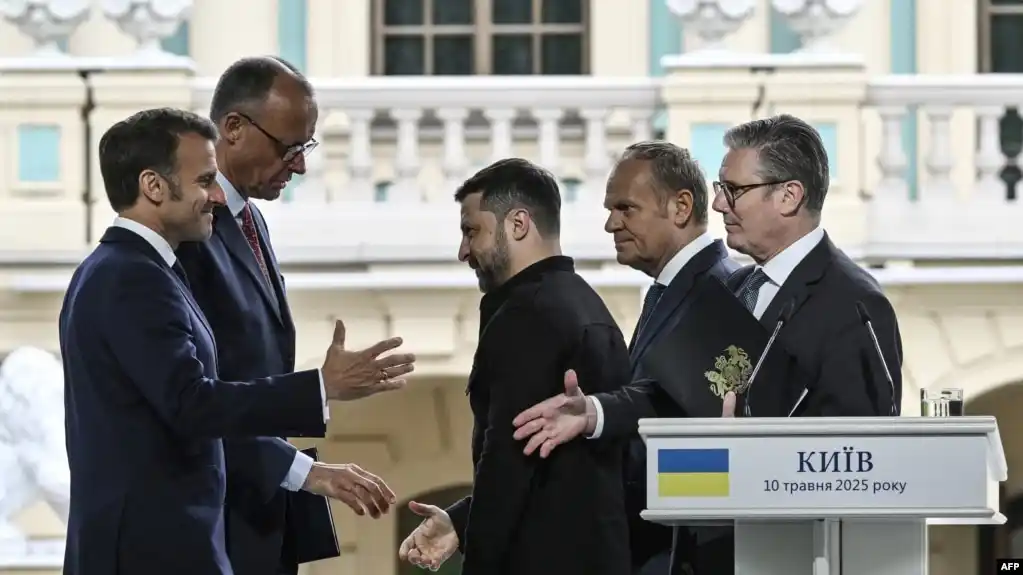
As the conflict in Ukraine continues, European leaders are faced with the delicate task of supporting Ukrainian sovereignty while navigating the expectations set by the United States. In recent meetings with Ukrainian President Volodymyr Zelensky, leaders such as Prime Minister Sir Keir Starmer, French President Emmanuel Macron, and German Chancellor Friedrich Merz have addressed the urgent need for a balanced approach. The discussions have revolved around the pressing necessity of fortifying support for Ukraine, particularly concerning military aid and security guarantees, which are essential not only for Kyiv’s defense but also for the stability of the entire European continent.
The pressures from the U.S. government to expedite peace negotiations with Russia complicate this dynamic. While European allies acknowledge the importance of finding a resolution to the conflict, they are highly cautious about any potential compromises that might involve ceding territory to Russia. Such actions could embolden further aggression from Moscow, not just against Ukraine but potentially against other European nations as well. Therefore, European leaders are advocating for a peace process that prioritizes Ukraine’s terms and conditions, allowing Kyiv to dictate its future without external imposition.
The Role of NATO in Supporting Ukraine
NATO’s involvement in Ukraine has been a pivotal aspect of the alliance’s strategy towards ensuring stability in Europe. With the U.S. as the largest member of NATO, there is a significant reliance on American capabilities for intelligence and military support. European nations, having historically underfunded their militaries, are now in a challenging position where they cannot independently support Ukraine without U.S. assistance. This dependency has raised concerns about how equipped European countries are to handle the threat posed by Russia, which many view as increasingly aggressive in its foreign policy.
The unity and effectiveness of NATO have been tested throughout the ongoing conflict, particularly as some European leaders express their hesitations regarding Washington’s long-term strategy towards Russia. The varying perceptions of Moscow’s intentions among NATO members highlight a need for cohesive action and communication. European allies are advocating for the reinforcement of NATO’s eastern flank as a deterrent against potential Russian incursions, while simultaneously pushing for a comprehensive security framework that would provide lasting guarantees to Ukraine.
Zelensky’s EU Engagement and Strategic Goals
Ukrainian President Volodymyr Zelensky’s direct engagement with European leaders illustrates his proactive strategy in garnering support amidst the ongoing crisis. His visits to London and recent discussions have focused on securing more robust aid packages, signaling that Ukraine needs both military and humanitarian support to navigate through these challenging times. By emphasizing the importance of European commitment to Ukraine’s sovereignty, Zelensky aims not only to bolster immediate assistance but also to foster a long-term partnership that will serve as a bulwark against Russian aggression.
Through his diplomatic efforts, Zelensky has been skillfully threading the needle between rallying European allies and addressing the escalating demands from the U.S. for a peace resolution. By portraying Ukraine’s struggles as a crucial battleground for broader European security, he is tapping into the European consciousness that resonates with historical ties and regional stability. This strategic approach not only seeks to ensure that Ukraine’s voice is heard but also reinforces the urgency for a collaborative European response to the threats posed by Russia.
Challenges of Achieving Peace in Ukraine
As peace negotiations unfold, various complexities complicate the possibility of a successful resolution in Ukraine. European leaders express concerns about the potential consequences of a hasty settlement that could reward Russia with territorial gains. This raises fears that such concessions might not only lead to a precarious peace but could also encourage further aggression from Moscow against neighboring states. The need for a thorough and thoughtful approach has become increasingly evident as European nations consider the long-term implications of their diplomatic strategies.
Moreover, differing expectations from the U.S. and European countries regarding the timeline and terms of a peace agreement present another challenge. While the U.S. is pushing for a quick resolution, many European leaders understand that a lasting peace must be built on strong assurances and guarantees to Ukraine. This has led to cautious discussions and negotiations among European leaders, who are wary of appearing divided before their American counterpart while simultaneously ensuring that Ukraine does not compromise its territorial integrity.
Impact of U.S. Policies on European Strategy
The evolving relationship between the U.S. and its European allies significantly influences the strategies surrounding support for Ukraine. Recent critiques from the U.S. National Security Strategy suggest that some European leaders may have unrealistic expectations about the war’s resolution, causing apprehension within Europe. This sentiment has underscored the importance of maintaining open lines of communication among allies, particularly in light of fluctuating U.S. policies and the unpredictable nature of American leadership.
European leaders are voicing their concerns behind closed doors, fearing that a shift in U.S. priorities, especially with impending elections, could jeopardize their strategic capabilities. This uncertainty influences their public stances, as they strive to avoid alienating a primary ally while also advocating for a coherent and sustained effort in supporting Ukraine. Such a diplomatic tightrope walk reflects the delicate balance European leaders must maintain in forging a unified transatlantic approach to the challenges presented by Russia.
The Future of U.S.-Ukraine Relations under European Observations
The relationship between the U.S. and Ukraine is under close scrutiny as European leaders attempt to navigate the evolving discourse around international support for Kyiv. With the potential for a changing political landscape in the U.S., European countries are concerned that American support for Ukraine could wane, altering their strategic calculations. This anxiety is heightened by past statements from U.S. officials that have fluctuated between strong endorsement of Ukraine’s sovereignty and more isolationist sentiments.
European leaders, therefore, emphasize the need for a consistent U.S. commitment to Ukraine, as any reduction in support could have dire consequences for European security. The ongoing discussions about military aid, economic assistance, and political support are pivotal, not just for Ukraine’s future but also for the stability of the entire region. As such, European leaders are keenly aware that U.S.-Ukraine relations will remain a defining factor in their own security policies moving forward.
Humanitarian Concerns in the Context of War
The repercussions of the conflict in Ukraine extend beyond military engagements; they encompass serious humanitarian crises that demand urgent attention from European leaders. As millions of Ukrainians are displaced due to the ongoing fighting, European nations face the challenge of providing asylum and support for refugees while ensuring that aid efficiently reaches those still in Ukraine. Zelensky’s alignment with European allies compounds this responsibility, pushing for sustained humanitarian assistance alongside military support.
European leaders are calling for a comprehensive response that encompasses not only military aid but a robust humanitarian strategy that addresses the needs of civilians affected by the conflict. This includes food security, shelter, and medical assistance for those affected by war. Furthermore, as humanitarian crises often act as precursors for regional instability, European nations recognize that aiding Ukraine is not merely a matter of international solidarity but also of strategic necessity.
Addressing Security Threats Beyond Ukraine
The ongoing conflict in Ukraine has unveiled broader security threats that extend well beyond its borders, prompting European leaders to reassess their defense policies and international partnerships. As incidents of cyberattacks and terrorism linked to Russian aggression have escalated, the need for a united front against these threats has never been more pronounced. European leaders recognize that their responses must involve not only military readiness but also a cohesive strategy to combat disinformation and enhance cybersecurity across the continent.
Furthermore, the interconnected nature of modern warfare means that the implications of unrest in Ukraine can have ripple effects throughout Europe, necessitating a comprehensive strategy that unifies European nations against potential threats. With this understanding, leaders are increasingly advocating for better intelligence sharing and coordinated military exercises within NATO, ensuring that Europe is not just reactive, but proactive in defending its interests against adversarial forces.
The Tightrope of European Diplomacy with the U.S.
European leaders find themselves in a precarious diplomatic position as they work to maintain strong relations with the U.S. while simultaneously advocating for a strategy surrounding Ukraine that reflects their own security concerns. The complexities of this balancing act require finesse in communication and action. European allies need to voice their perspectives on the urgent need for comprehensive security guarantees for Ukraine without openly challenging U.S. policies that seek a swift resolution to the conflict. This has resulted in nuanced diplomatic engagements.
As European leaders express their views about a sustainable peace approach, they are wary of provoking the U.S. inadvertently. Acknowledging the U.S.’s pivotal role, the dialogue continues within European circles to ensure that Kyiv’s needs are not sidelined in the push for peace. Ultimately, this tightrope act showcases Europe’s commitment to reinforcing its own geopolitical stance while navigating the intricacies of alliance dynamics with the U.S.
Frequently Asked Questions
How are European leaders supporting Ukraine amidst the ongoing conflict?
European leaders are actively supporting Ukraine by facilitating discussions and negotiations for peace, including security guarantees. Recent meetings with Ukrainian President Zelensky highlight their commitment to ensuring Ukraine’s sovereignty and future stability, emphasizing that Kyiv should determine its own path forward, despite external pressures.
What role does the US play in Ukraine’s peace negotiations with European leaders?
The US plays a significant role in Ukraine’s peace negotiations by influencing European leaders’ strategies. Recent critiques from the US about European expectations show a complicated dynamic, as leaders attempt to balance their support for Ukraine with the need to align with American interests in achieving a swift and effective resolution to the conflict.
What concerns do European leaders have regarding the peace negotiations between Ukraine and Russia?
European leaders are deeply concerned that ceding territory to Russia may embolden further aggression, impacting the security of neighboring countries. This apprehension shapes their approach to peace negotiations, as they strive to find a balanced solution that provides strong security guarantees to Ukraine while avoiding the perception of rewarding Russia.
How does Ukraine’s relationship with NATO influence European leaders’ decisions?
Ukraine’s relationship with NATO is crucial for European leaders, as they heavily rely on US backing for military and strategic support. European nations must navigate their commitments to Ukraine alongside NATO obligations, ensuring that they maintain a united front in their efforts to deter Russian aggression while securing peace.
What are the implications of US and European dynamics on Ukraine’s future?
The dynamics between the US and Europe significantly impact Ukraine’s future. While European leaders seek a sustainable peace, US pressures can complicate negotiations, leading to fears of a hasty resolution that may not address the root causes of the conflict, potentially leading to renewed tensions in the region.
What has been the reaction of European leaders to the recent US National Security Strategy regarding Ukraine?
European leaders privately express concern over the US National Security Strategy, as it challenges their optimistic expectations concerning the resolution of the conflict. They fear that misaligned approaches with the US could undermine their efforts to secure meaningful peace guarantees for Ukraine.
How does European reliance on US military support affect Ukraine’s defense capabilities?
European reliance on US military support significantly affects Ukraine’s defense capabilities, as European nations lack sufficient resources to independently support Ukraine militarily. This dependency underscores the critical role the US plays in facilitating arms, intelligence, and strategic planning vital for Ukraine’s sustained resistance against Russian aggression.
What security guarantees are crucial for Ukraine according to European leaders?
According to European leaders, crucial security guarantees for Ukraine include solid commitments to defensive support and protection against further aggression. These guarantees are intended to reassure Kyiv and bolster their stance in peace negotiations, ensuring that any agreements reached do not compromise Ukraine’s territorial integrity.
What challenges do European leaders face in maintaining support for Ukraine under US scrutiny?
European leaders face significant challenges in maintaining support for Ukraine under US scrutiny, primarily due to differing perceptions of how quickly peace should be achieved. They must navigate the complexities of US influence while articulating their views on Ukraine’s needs to ensure a durable and just peace agreement.
In what ways have recent incidents linked Russia’s actions to European security concerns?
Recent incidents, such as cyberattacks and sabotage attributed to Russia, have heightened European security concerns and illustrated the potential risks of Russian aggression extending beyond Ukraine. These events underscore the need for a unified European response to safeguard continental security and reinforce their support for Ukraine.
| Key Points |
|---|
| European leaders are juggling support for Ukraine with US backing. |
| President Zelensky meets with European allies amid US pressure for peace. |
| Territorial concessions to Russia remain a critical issue for Ukraine. |
| European leaders stress Ukraine’s right to determine its own fate. |
| Concerns exist that conceding land could embolden Russia further. |
| US accuses European leaders of having unrealistic expectations. |
| Recent Russia-related incidents in Europe heighten security concerns. |
| European countries rely on US for military support and intelligence. |
| Differences in approach towards Moscow impact Europe-US relations. |
| European leaders face budget constraints in supporting Ukraine. |
Summary
European leaders regarding Ukraine are navigating a challenging landscape where they must balance their support for Ukrainian sovereignty with the expectations and pressures from the United States. While key discussions among European leaders like Sir Keir Starmer, Emmanuel Macron, and Friedrich Merz aim to address critical security guarantees for Ukraine, they also express apprehension about the implications of a peace deal that might reward Russia with territory. As they seek a sustainable resolution to the conflict, the influence of US policy and the fluctuating stance of its leadership complicate their diplomatic efforts. European nations are increasingly aware that their military capabilities are heavily dependent on US support, raising concerns about their autonomy in maintaining regional security. This delicate situation emphasizes the importance of European unity in confronting both external threats and the evolving dynamics of international diplomacy.