
Listen to this article
In recent months, the Australia wildfire crisis has captured global attention as devastating blazes sweep across the nation, particularly in New South Wales. The Koolewong wildfire, which erupted in a coastal area just north of Sydney, has left a trail of destruction, with at least 12 homes reported destroyed or damaged. The high temperatures and dry conditions have fueled numerous fires throughout the state, exacerbating the threat to local communities. Survivors of these fires have shared heartbreaking stories of loss, claiming, “you had no time to even think… we’ve lost everything, all we’ve got left is what we’re wearing.” As firefighting efforts continue, the damage from these Australian wildfires highlights the urgent need for fire management and prevention strategies in the face of climate change.
The recent outbreak of wildfires across Australia, particularly the coastal fires in New South Wales, represents a dire environmental challenge. These impactful events, often referred to as bushfires, have led to significant destruction of homes and wildlife habitats, prompting urgent responses from local authorities and firefighters. In places like Koolewong and Sydney, affected residents have witnessed the harrowing reality of losing their homes to flames. The ongoing situation has raised awareness about the increasing prevalence of such natural disasters in Australia, intensifying discussions around climate resilience and community safety. As the Australian landscape continues to grapple with these formidable challenges, the need for effective wildfire management strategies has never been more critical.
The Impact of the Australia Wildfire on Local Communities
The recent Australia wildfire has devastated communities along the New South Wales coast, particularly in the Koolewong area. With at least 12 homes destroyed or severely damaged, families are feeling the immediate impact of such a disaster. Local residents have expressed their heartbreak over the loss of their homes and personal belongings, recounting how quickly the fire spread amidst soaring temperatures and strong winds. This wildfire is just one of many that have been raging throughout New South Wales, highlighting the increasing threat posed by climate change and environmental conditions to Australian communities.
As the fires continue, not only are homes being lost, but the emotional toll on residents also cannot be understated. Many individuals have found themselves displaced, struggling to find shelter and support in the aftermath of the fire. The stories of locals who have fled their homes resonate deeply; as one individual poignantly stated, ‘You had no time to even think.’ The sense of urgency and panic during such events can leave lasting scars on communities, further urging the need for effective fire management and community support systems.
Understanding the Causes of the New South Wales Fires
Recent occurrences of the New South Wales fires, particularly the Koolewong wildfire, can be attributed to a combination of factors including prolonged drought conditions, high temperatures, and significant wind speeds that facilitate the rapid spread of flames. Climate scientists have warned that these wildfires are becoming more frequent and intense due to climate change, prompting discussions about how to better prepare and respond in future fire seasons. Understanding these causes is critical to developing strategies to mitigate the risks associated with wildfires across Australia.
Moreover, the significance of proactive measures such as controlled burns and improved land management practices cannot be overstated. These practices aim to reduce fuel load in woodlands and bushlands, potentially decreasing the intensity of wildfires. Education for local communities about fire safety measures and the importance of having emergency plans in place can also play a pivotal role in ensuring the safety of residents during such unpredictable events.
The Aftermath of Australian Wildfire Damage in Coastal Areas
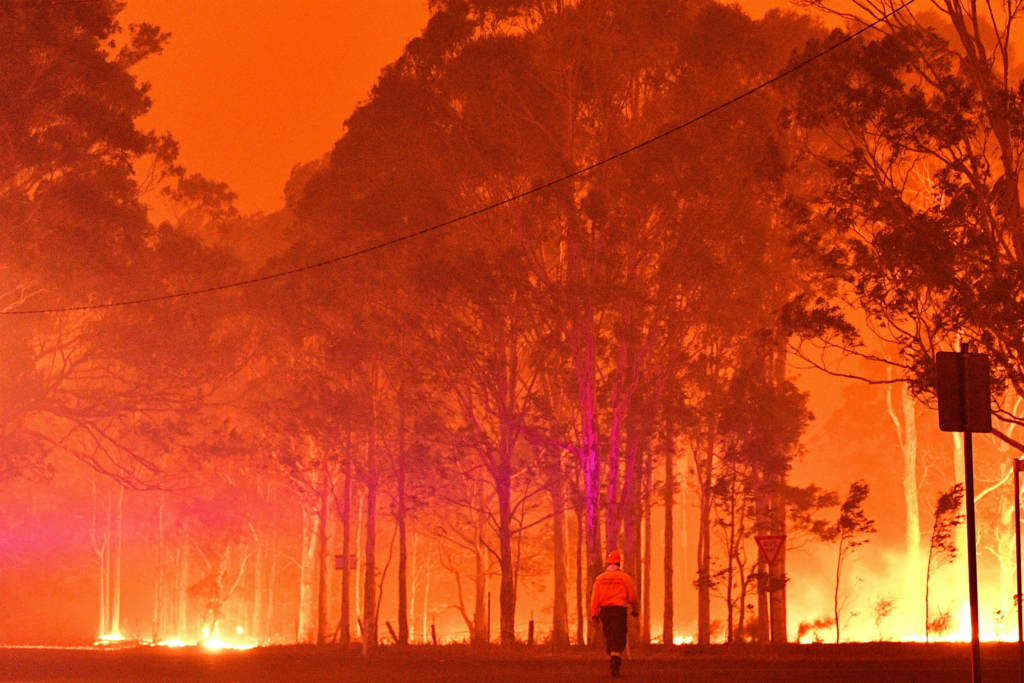
The aftermath of the recent Australian wildfire has left a visible mark on the landscape of coastal areas like Koolewong. As firefighters continue to battle the blazes, images and reports of burnt trees and destroyed homes dominate the news. These visuals serve as a stark reminder of the devastation these wildfires can cause. In addition to the physical damage, important ecological areas have been affected, leading to concerns about the impact on local wildlife and natural habitats that are essential for biodiversity.
Recovery after such devastation is a long and challenging process for affected communities. Government assistance programs are often rolled out to support reconstruction efforts and provide financial aid to those who have suffered losses. Nonetheless, revitalizing these areas takes time, and community resilience plays a crucial role in recovery. Local organizations often step in to provide assistance and resources, showcasing the strength and solidarity of communities in the face of adversity.
Firefighting Efforts: A Battle Against Coastal Wildfires in Australia
Fighting against coastal wildfires in Australia requires a coordinated effort among firefighting teams, local authorities, and volunteers. The efforts during the recent Koolewong fire highlight the intensity of firefighting operations involving helicopters and ground crews working tirelessly to contain the blaze. The challenging conditions posed by high temperatures and unpredictable winds have made these efforts increasingly difficult, underscoring the importance of having well-trained personnel and adequate resources on hand.
Technological advancements have also improved firefighting strategies, allowing teams to pinpoint hotspots and monitor fire behavior more effectively. However, the need for collaboration cannot be overstated, as multiple agencies must work together to combat these wildfires efficiently. Ensuring that all stakeholders are prepared and can respond swiftly when wildfires strike can significantly reduce the impacts on communities and the environment.
Community Resilience in the Face of Climate-Induced Disasters
In the wake of the devastating Australia wildfire, community resilience has emerged as a significant factor in recovery efforts. Residents of Koolewong and surrounding areas have come together to support one another in rebuilding their lives after such a traumatic event. Local initiatives aimed at providing emotional and practical support have been vital, as they foster a sense of unity and collective strength among those affected.
Educational programs focusing on disaster preparedness and resilience can empower communities to effectively respond and adapt to climate-induced disasters like wildfires. Encouraging individuals to share their experiences and resources can help build stronger networks that are essential in times of crisis. As communities learn from past experiences, they can implement better safety measures and foster a culture of preparedness for the future.
Lessons Learned from the Sydney Recent Fires
The Sydney recent fires have provided critical insights into the urgency of enhancing fire management and prevention strategies in Australia. As communities come to terms with the devastation caused by wildfires, it is clear that lessons must be learned to improve future responses. From ensuring that local firefighting efforts are adequately funded to implementing more effective land management practices, taking proactive steps is essential to mitigate the risk of future disasters.
Additionally, engaging local communities in discussions regarding fire safety and emergency resources fosters a sense of awareness and preparedness. By sharing the experiences and stories from the recent fires, the importance of community engagement and education cannot be emphasized enough. When individuals and families are equipped with knowledge and support, the overall resilience of the community can dramatically improve, ultimately safeguarding lives and property.
The Role of Government in Managing Australian Wildfires
The government’s role in managing Australian wildfires, particularly in regions like New South Wales, is critical in mitigating the devastation caused by these blazes. Effective policies that promote forest management, land use, and fire safety awareness are essential. The recent Koolewong wildfire has spotlighted the need for robust fire management strategies, including funding for firefighting resources and support for communities affected by wildfire damage.
Furthermore, a transparent communication strategy during fire events can ensure that residents receive timely warnings and instructions. This involves collaboration among government agencies, local authorities, and community leaders to disseminate vital information effectively. By prioritizing a comprehensive approach to wildfire management, governments can improve community safety and resilience in the face of natural disasters.
Preparedness Strategies for Future Coastal Wildfires
As Australia braces for future coastal wildfires, implementing preparedness strategies is crucial. Factors such as the increasing frequency of extreme weather events underscore the importance of establishing clear protocols for fire season preparedness. Communities need to have updated emergency plans in place that include evacuation routes, designated shelters, and access to essential resources for those affected by wildfires.
Training and educating residents about fire safety and the escalation of wildfire risks can empower them to take immediate action when necessary. Additionally, creating community fire watch programs can enhance vigilance and promote proactive measures to prevent wildfires from spreading. Working together, communities can bolster their defenses against the next fire season.
Wildfire Recovery Efforts: Rebuilding Lives and Homes
The recovery efforts following the recent wildfires in Australia, especially in the Koolewong area, serve as a testament to the resilience of communities. As individuals begin the long process of rebuilding their homes and lives, support from local organizations and government programs play a pivotal role. Resources provided for reconstruction, mental health support, and community rebuilding initiatives are crucial for helping residents recover from the trauma of loss.
Moreover, sharing personal stories and experiences among community members fosters connection and healing. Engaging in local recovery initiatives, such as community events and fundraisers, helps raise awareness and provides additional support for those who have been significantly impacted by the fires. Ultimately, the journey toward recovery can be a powerful catalyst for community renewal and solidarity.
Frequently Asked Questions
What caused the Koolewong wildfire in New South Wales?
The Koolewong wildfire in New South Wales was ignited by extreme weather conditions, including soaring temperatures and dry winds. These conditions contributed to the rapid spread of the fire, which led to significant damage to homes and properties in the region.
How has the recent Sydney fires impacted local communities?
The recent Sydney fires, particularly the Koolewong wildfire, have devastated local communities by destroying over a dozen homes and displacing residents. Many families have suffered total loss, highlighting the urgent need for support and recovery efforts for those affected by Australian wildfire damage.
What areas are most affected by the Australian wildfires?
Coastal areas of Australia, including places like Koolewong and parts of New South Wales, are among the most affected by wildfires. These regions experience higher risks due to their dry climates and proximity to bushland, especially during peak fire seasons.
What measures are being taken to control the New South Wales fires?
Firefighting authorities are deploying helicopters and ground crews to combat the New South Wales fires, including the Koolewong wildfire. Strategies involve controlled burns, fire breaks, and emergency evacuations to protect lives and property from the advancing flames.
How can residents prepare for coastal wildfires in Australia?
Residents of coastal regions in Australia can prepare for wildfires by creating and maintaining defensible space around properties, having an emergency plan in place, and staying informed about fire danger ratings. It is crucial to follow local authorities’ guidance during wildfire threats.
What long-term effects do Australian wildfires have on the environment?
Australian wildfires, such as those seen in the Koolewong and New South Wales fires, have long-term environmental impacts, including habitat destruction, loss of biodiversity, and altered ecosystems. Recovery can take years, and the effects on flora and fauna are significant.
What support is available for victims of the Koolewong wildfire?
Victims of the Koolewong wildfire can access various support services, including local government assistance, charitable organizations, and recovery initiatives aimed at helping families rebuild their lives after experiencing Australian wildfire damage.
What are some safety tips for residents during wildfire emergencies in Australia?
During wildfire emergencies in Australia, residents should stay indoors if smoke is present, have an emergency kit ready, and heed evacuation orders. It’s important to remain informed through local news and emergency broadcasting regarding the status of fires, including recent Sydney fires.
| Key Point | Details |
|---|---|
| Location | Koolewong, New South Wales, near Sydney |
| Impact | At least 12 homes destroyed or damaged |
| Cause | Wildfires driven by soaring temperatures |
| Resonant Quote | “You had no time to even think… we’ve lost everything, all we’ve got left is what we’re wearing.” |
| Visual Evidence | Aerial footage shows homes engulfed in flames |
| Response | Firefighting helicopters engaged in extinguishing fires |
Summary
The Australia wildfire has devastating consequences, as evidenced by the destruction of many homes in the Koolewong area. With soaring temperatures exacerbating the situation, local residents are facing immense challenges, often losing everything they own in the chaos. As firefighting efforts continue, it highlights the urgent need for effective measures to combat the growing threat of wildfires in Australia.

