
Listen to this article
Puppy rescue activism has become a powerful movement in recent years, as compassionate individuals work tirelessly to save vulnerable puppies from horrific conditions. As these activists shine a light on the brutal realities of places like beagle breeding facilities, their actions often stem from a deep-rooted belief in animal rights activism and the urgency for puppy adoption. Many people are appalled by the thought of innocent animals suffering in silence, prompting them to join animal rescue organizations and advocate for stricter animal testing laws. By raising awareness about the plight of these puppies, activists challenge society to rethink its norms regarding animal welfare. This commitment to fostering change not only saves lives but also inspires a wave of empathy that encourages communities to engage in rescue efforts and adopt pets in need.
The growing movement of rescuing distressed puppies highlights an essential discussion surrounding the rights and well-being of animals, especially in environments where they are bred for testing or exploitation. Often referred to as canine liberation efforts, these passionate campaigns aim to free puppies from the hands of those who treat them as mere commodities in beagle breeding operations. Advocates for animal rights have taken bold steps to confront these issues, pushing for reforms that not only protect animals but also transform public perception about pet ownership and puppy rescue initiatives. By fostering a culture of compassion and responsibility, these grassroots efforts resonate with individuals who aspire to be part of the solution, promoting puppy adoption over support for facilities that perpetuate suffering. Ultimately, this activism calls for a broader understanding of animal ethics and a commitment to ensuring that all creatures, particularly our youngest and most vulnerable companions, can live free from pain and fear.
The Role of Puppy Rescue Activism in Animal Rights
Puppy rescue activism plays a crucial role in the broader landscape of animal rights. Activists like Eben Lazarus not only seek to save lives but also aim to draw attention to the systemic abuses occurring in facilities that breed dogs, particularly Beagles used in animal testing. This activism challenges the status quo, highlighting that every animal deserves proper care and compassion. By rescuing puppies, these dedicated individuals often expose the grim realities of puppy mills and breeding facilities, educating the public about the need for reform in animal welfare laws.
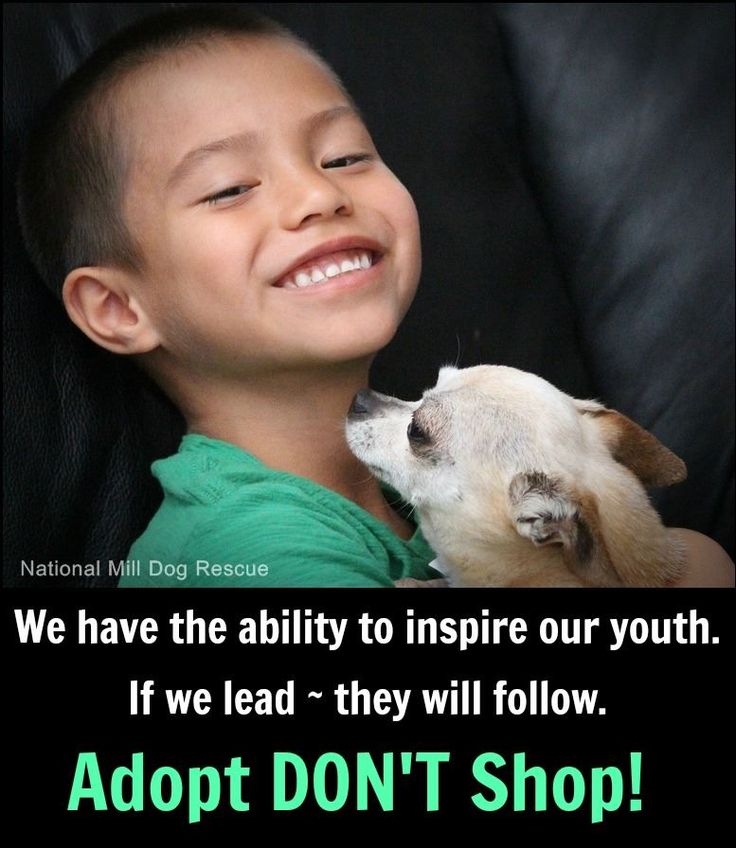
Additionally, puppy rescue activism fosters a culture of empathy and responsibility toward animals. It encourages puppy adoption rather than supporting breeding practices that often perpetuate suffering. Advocacy campaigns underscore the importance of adopting rescue dogs instead of purchasing them, which ultimately contributes to decreasing the demand for breeding facilities. Through awareness-raising events and legal challenges, puppy rescue activists are striving to reform the existing animal testing laws, pushing for humane alternatives that respect animal rights.
Understanding Animal Testing Laws and Their Impact on Dogs
Animal testing laws are designed to regulate how animals are treated in research and product testing, yet many activists argue that these laws fall short of protecting the rights and welfare of animals. Current legislation allows for practices that can lead to severe suffering and death, particularly in cases where Beagles are bred for scientific research. Facilities like MBR Acres, which is licensed by the Home Office, may operate within legal guidelines, but proponents of animal rights activism believe they still perpetuate an unacceptable level of suffering that must be addressed.
The implications of these laws extend beyond the confines of research facilities. The distressing conditions that activists like Lazarus observed in these breeding environments have prompted a surge in puppy rescue activism. Many advocates argue that the ethical treatment of animals should take precedence over research benefits, leading to calls for reforms that would eliminate animal testing altogether. By raising awareness of the stark realities faced by animals used in testing, these activists are not only advocating for the puppies’ immediate safety but also working towards long-term systemic change in animal rights laws.
The Fight Against Beagle Breeding Facilities
Beagle breeding facilities are often at the center of controversy due to their role in supplying animals for laboratory testing. Many activists, including members of Animal Rising, view these facilities as inhumane and exploitative, perpetuating cycles of abuse. The actions taken by activists, such as the burglary of MBR Acres, highlight the lengths to which they are willing to go to rescue these helpless animals from potential death and suffering. This has resulted in rising tension between proponents of animal rescue and those who defend the practices of breeding for research.
The need for reform in how institutions like MBR operate has become a focal point in the fight for animal rights. By shedding light on the distressing living conditions faced by Beagles, activists aim to mobilize public support and legislative change to protect these animals. Highlighting personal stories of rescue and rehabilitation helps to humanize the issue, garnering empathy from the public and inspiring action. As awareness grows, the discussion surrounding the ethics of breeding facilities continues to evolve, drawing attention to the necessity for profound change.
Public Perception of Animal Rescue Activism
Public perception of animal rescue activism can vary widely, but it often hinges on the visibility of the actual practices involved in rescuing animals. Many people empathize with the plight of dogs in horrible conditions and support the movement to rescue them, especially when narratives highlight the emotional and physical suffering of these animals. However, there are also critics who question the methods used by activists, particularly actions that may be categorized as illegal, such as breaking into facilities. This division reflects broader societal views on animal rights and the moral obligations humans have towards animals.
Activists like Eben Lazarus argue that their actions are justified in the face of egregious animal suffering, and this viewpoint resonates with audiences who prioritize compassion over legality. Engaging the public through storytelling, social media campaigns, and high-profile actions can effectively shift perceptions, gaining more supporters for the animal rights cause. By exposing the truth behind puppy breeding and the harsh realities these animals endure, rescue activists feel empowered to advocate for change, fostering a growing movement aimed at transforming societal attitudes toward animal welfare.
The Importance of Puppy Adoption
Puppy adoption is a vital component of combatting issues like puppy mills and unethical breeding practices. When individuals choose to adopt instead of buy, they not only provide a loving home to an animal in need but also send a strong message against breeding facilities that prioritize profit over well-being. Puppy adoption campaigns emphasize the importance of saving lives and encourage prospective pet owners to consider the joy and companionship a rescue dog can offer. These campaigns are instrumental in reducing the overwhelming number of dogs in shelters, which often leads to a reduction in breeding as demand decreases.
Supporting puppy adoption initiatives can also enhance public awareness regarding the importance of spaying and neutering pets, which aids in controlling the pet population and reducing the number of animals subjected to abuse in breeding facilities. Adoption organizations often educate prospective owners about responsible pet ownership and the realities of the lives many rescue dogs have led, fostering a sense of connection between adopters and their animals. By promoting adoption, the animal rights community can create systemic change, ensuring fewer puppies are bred under horrifying conditions and more are given the homes they deserve.
Legal Challenges Faced by Animal Activists
Animal activists often encounter significant legal challenges when advocating for the rights of animals, especially when their actions involve resistance to established breeding and testing practices. Legal repercussions can include charges for trespassing or burglary, as seen in the actions taken by activists from Animal Rising against MBR Acres. The moral reasoning presented by activists often clashes with the legal framework that permits certain inhumane practices, creating a complex battleground where ethical considerations must be weighed against the law.
In court, activists must demonstrate that their actions stemmed from genuine concern for animal welfare rather than criminal intent, which can be an uphill battle. Jurors are tasked with navigating the blurry lines of legality and morality, often revealing deep societal divisions regarding animal rights. Successful advocacy, therefore, not only requires passionate activism but also strategic legal defense and public support to shift perceptions and perceptions about both animal welfare and the legitimacy of activist actions.
Animal Rights Advocacy and Public Awareness Campaigns
The relationship between animal rights advocacy and public awareness campaigns is vital for transforming societal attitudes towards animal welfare. Through creative campaigns that leverage social media, documentaries, and public events, activists can effectively engage the public and ignite discussions about crucial issues such as puppy mills, animal testing, and rescue initiatives. These efforts not only raise awareness but also inspire action among individuals who may have previously been unaware of the animals’ suffering, creating a ripple effect that encourages a collective shift in consciousness regarding the treatment of animals.
Moreover, public awareness campaigns often focus on personal narratives from activists who have rescued dogs or witnessed the conditions in which they lived. These emotional appeals can capture the audience’s attention, prompting them to take an active role in supporting animal rescue organizations. As more people become informed about the devastating realities faced by puppies in testing facilities, they may choose to adopt, donate, or volunteer, thereby reinforcing the animal rights movement and the fight against pervasive abuse in breeding institutions.
The Future of Animal Rescue Organizations
The future of animal rescue organizations hinges on their ability to adapt to changing societal attitudes and leverage technology to further their missions. As the public becomes more aware of the plight of shelter dogs and the ethical concerns surrounding puppy breeding, these organizations must innovate their strategies to engage potential adopters and support a culture of rescue over purchase. This may include enhanced online platforms for showcasing available pets, as well as virtual adoption events that reach wider audiences beyond local communities.
Additionally, collaboration between animal rescue organizations and advocacy groups can strengthen the push for better animal welfare laws. By unifying their efforts, they can create more significant impact and drive public policy shifts that prioritize humane treatment for all animals. The evolving perceptions of animal rights are encouraging a new generation of advocates to join the movement, promising a promising future for animal rescue organizations as they continue to fight against the injustices faced by animals in breeding and testing facilities.
Frequently Asked Questions
What is puppy rescue activism and how can it make a difference?
Puppy rescue activism involves advocating for the rescue and welfare of puppies, particularly from facilities that breed dogs for testing, like Beagle breeding facilities. This activism raises awareness of puppy adoption and promotes the importance of ethical treatment for animals, ultimately aiming to influence both public opinion and animal rights laws.
How do animal rescue organizations participate in puppy rescue activism?
Animal rescue organizations play a crucial role in puppy rescue activism by rescuing puppies from abusive situations, facilitating puppy adoption, and educating the public on responsible pet ownership. They often collaborate with activists to expose the conditions in breeding facilities and push for changes in animal testing laws.
Why is awareness of animal rights activism important in puppy rescue movements?
Awareness of animal rights activism is vital in puppy rescue movements because it highlights the inhumane treatment that many animals endure, especially in breeding and testing facilities. It encourages society to advocate for stronger animal testing laws and ethical treatment, promoting the adoption of rescued puppies instead.
What impact do allegations against pupply activists have on public perception of puppy rescue activism?
Allegations against puppy activists, such as accusations of burglary, can polarize public perception of puppy rescue activism. While some may view these actions as extreme, others may see them as a necessary stand against ‘disgusting’ abuse in facilities that breed Beagles and conduct animal testing. This tension can ignite broader discussions about animal rights and the ethical treatment of pets.
What are the legal implications of puppy rescue activism actions?
The legal implications of puppy rescue activism actions can vary, particularly when activists trespass or remove animals from facilities. Courts often evaluate whether the activists believed their actions were honest and justifiable, which can affect the outcome of trials involving alleged burglary or theft, as seen in cases involving Beagle breeding facilities.
How can I support puppy adoption through puppy rescue activism?
You can support puppy adoption through puppy rescue activism by volunteering with local animal rescue organizations, participating in awareness campaigns, and adopting puppies instead of buying from breeders. Advocating for better animal testing laws and educating others about responsible pet ownership also contributes to a positive impact on puppy welfare.
What challenges do puppy rescue activists face when trying to expose abuse in breeding facilities?
Puppy rescue activists face numerous challenges when trying to expose abuse in breeding facilities, including legal risks associated with trespass or rescue, opposition from facility operators, and public skepticism. Additionally, navigating the complex landscape of animal testing laws can hinder their ability to enact change and promote the adoption of rescue puppies.
What can the average person do to help improve conditions for puppies in breeding facilities?
The average person can help improve conditions for puppies in breeding facilities by supporting animal rights activism and organizations dedicated to rescuing these animals. Engaging in advocacy for stronger animal testing laws, spreading awareness about puppy adoption, and participating in or donating to rescue initiatives are practical ways to contribute.
| Key Point | Details |
|---|---|
| Eben Lazarus’s Testimony | Claimed to hear the screams of Beagle puppies and believed they were being abused in terrible conditions. |
| Activist’s Intent | Believed it was morally right to rescue the puppies to prevent their suffering and potential deaths. |
| Legal Defense | Defendants admitted to trespass but claim their actions were not dishonest as they were acting on a moral imperative. |
| Public Reaction | Lazarus argued that any decent person would agree that the treatment of the Beagles was disgusting. |
| Background of the Activists | Activists were affiliated with Animal Rising (formerly Animal Rebellion) and aimed to raise awareness about animal testing. |
Summary
Puppy rescue activism aims to save dogs from abusive conditions and prevent their suffering. The recent case involving Eben Lazarus highlights the moral dilemmas faced by activists who break the law to rescue animals they believe are in peril. Activists like Lazarus argue that their actions, such as breaking into facilities where dogs are allegedly abused, stem from a deep commitment to animal rights and compassion. This incident has sparked important discussions about the ethics of animal testing and the responsibilities of individuals toward animal welfare.