Listen to this article
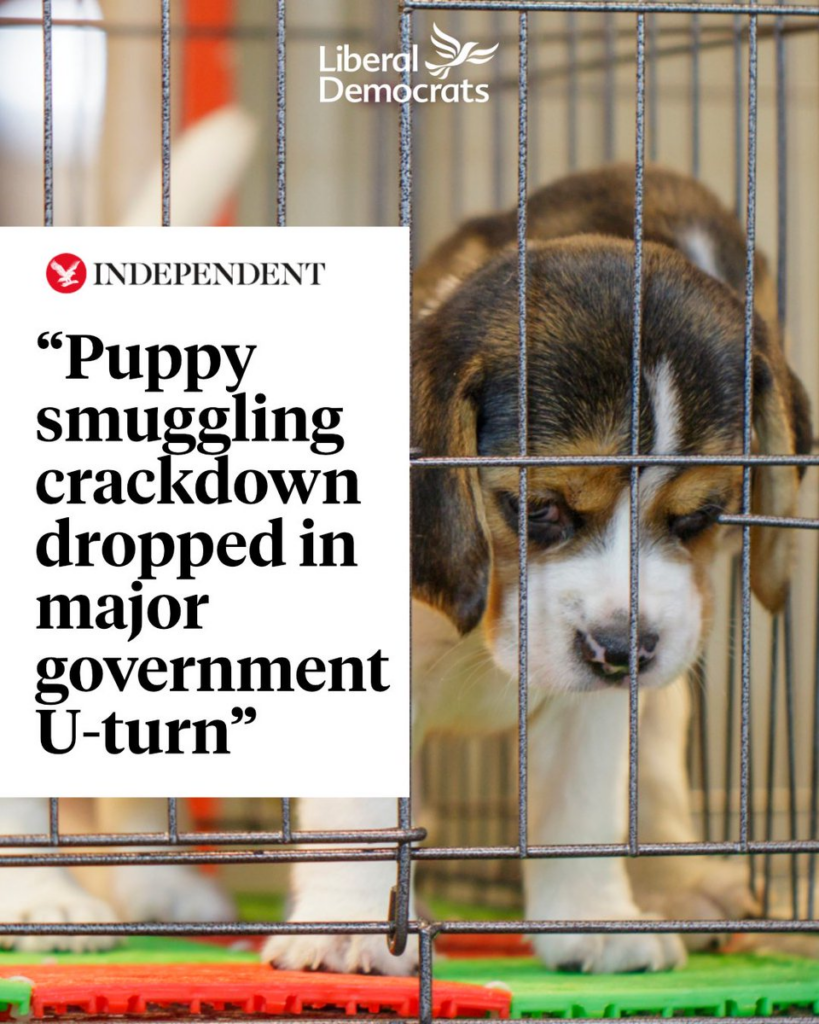
Recent developments in puppy smuggling laws are stirring conversations across the UK about animal welfare and the trade of puppy imports. These laws aim to crack down on the illegal trade of puppies and kittens, which has been a growing concern for both animal rights activists and the government. Recent reports reveal grave conditions many smuggled dogs endure, leading to dire health consequences. The introduction of stricter regulations presents an opportunity to mitigate issues like dog smuggling, ensuring that future imports adhere to humane treatment standards. As the new puppy smuggling law takes effect, it sparks hope for better protection of vulnerable animals and dismantling of illicit networks that have thrived too long.
The newly enacted regulations concerning the trafficking of puppies represent a significant shift in the UK’s approach to animal protection. These legislative measures address the pressing issue of illegal puppy imports, a trend that raises red flags for animal rights advocates and welfare organizations alike. The law also aims to provide full legal backing against the smuggling of pets, which can lead to various health risks and deplorable living conditions. With this comprehensive framework, authorities are set to enforce stricter penalties on those involved in dog smuggling networks, promoting the welfare of animals across borders. By establishing clearer standards for pet imports, the UK endeavors to create a safer environment for both animals and their future owners.
Understanding Puppy Smuggling Law and Its Implications
The newly passed puppy smuggling law represents a major stride in the fight against the illegal puppy trade in the UK. This legislation is specifically designed to halt the smuggling of puppies and kittens that typically enter the country through unethical channels. Charitable organizations dedicated to animal welfare, such as Dogs Trust and the RSPCA, have welcomed the law with optimism, as it holds promise for reducing the number of underage and poorly cared-for animals entering the UK. By imposing stricter regulations on puppy imports, the law aims to safeguard animal rights and ensure that pets are brought into the country legally and ethically.
However, as with any legislative change, there are concerns regarding the implementation of these new measures. Critics argue that while the law is commendable in its intent, it may inadvertently create additional challenges for individuals and organizations trying to bring in dogs for legitimate purposes. For instance, breeders and animal lovers who require specific breeds for quality reasons could face difficulties because of the age restrictions imposed by the law. This potential oversight highlights the need for comprehensive discussions and amendments to ensure the law benefits both animal welfare efforts and those engaging in responsible pet ownership.
The Role of Animal Welfare Charities in Combatting Dog Smuggling
Animal welfare charities have been at the forefront of advocating for laws such as the puppy smuggling law, highlighting the distressing realities many smuggled animals face. With countless stories of puppies subjected to inhumane conditions during transportation, these organizations provide essential support not only by fostering and rehoming rescued animals but also by raising awareness about the consequences of puppy smuggling. Their continuous efforts to educate the public about animal rights and the importance of adopting animals rather than purchasing them are vital in reducing demand for illegally imported pets.
Moreover, these charities play a critical role in monitoring and reporting dog smuggling activities to the authorities. Their experience in handling rescued animals allows them to identify signs of smuggling and advocate for policy changes that strengthen animal protection. By collaborating with governmental agencies such as the Animal and Plant Health Agency, they can align their missions with enforced regulations, ensuring legal frameworks like the puppy smuggling law effectively combat the illegal exploitation of dogs and enhance overall animal welfare in the UK.
In conclusion, the collaboration between animal charities and legal structures is instrumental in not only enforcing existing laws but also in promoting a culture of responsible pet ownership.
Potential Consequences of the New Puppy Smuggling Law
While the new puppy smuggling law is a significant step toward improving animal welfare, it raises the question of unintended consequences. By setting an age limit for importing puppies, the law could inadvertently push some responsible breeders and rescuers to operate outside legal frameworks, especially those focusing on rare breeds or working dog lines. The concerns voiced by individuals like Rosemary Kind highlight the delicate balance between ensuring the safety of pets entering the UK and the need for genetic diversity in domestic breeds. As the law is enforced, careful monitoring will be necessary to assess its impact on responsible breeding practices and animal health.
Furthermore, as highlighted by reports of abused or mutilated rescue dogs, there is a risk that the ban could hinder the efforts of organizations working to rescue these animals. Striking a balance between preventing illegal trade and allowing compassionate rescue initiatives will be crucial in the upcoming discussions about potential exemptions in the law. If not addressed, this could lead to more dogs remaining in vulnerable situations abroad, thereby counteracting the positive effects intended by the puppy smuggling law.
Risks Associated with Illegally Imported Pets
Illegally imported dogs pose significant health risks not only to themselves but also to other pets and owners in the UK. Dogs smuggled into the country may not have received crucial vaccinations or health checks to rule out diseases such as rabies. This lack of oversight can lead to outbreaks that threaten the overall health of the canine population and compromise the welfare of innocent animals already in homes. Public health advocates urge that the new law’s stricter import regulations should be supported with comprehensive education about the risks associated with obtaining pets from dubious sources.
In an effort to mitigate these risks, enforcement agencies like the Animal and Plant Health Agency are committed to enhancing their vigilance at ports of entry. By increasing inspections and working closely with local councils, they aim to ensure that only animals meeting health standards enter the UK. This proactive approach not only addresses the implications of puppy smuggling but also fosters a culture of responsible pet ownership, encouraging potential dog owners to seek out legitimate, ethical sources when considering a new pet.
Public Awareness Campaigns and Their Importance
Raising public awareness about puppy smuggling and animal welfare is essential for the success of the new law. Animal charities are actively launching campaigns to educate potential pet owners about the signs of puppy smuggling and the ethical implications of purchasing dogs from questionable sources. These efforts include outreach programs, informative resources on social media, and community events aimed at promoting a clearer understanding of the legal requirements surrounding pet ownership. By fostering an informed public, these campaigns can significantly reduce the demand for illegally imported pets.
Moreover, public awareness campaigns also emphasize the importance of adopting pets from shelters rather than purchasing from breeders or pet shops. Highlighting the successes of rehomed animals, such as the experiences of Pip and Squeak, can inspire compassion in potential adopters. Encouraging adoption not only alleviates the burden on animal welfare organizations but also helps break the cycle of illegal activity surrounding puppy imports, ensuring that more dogs find loving homes. These community-focused efforts are a vital complement to legislative measures, creating a united front against puppy smuggling.
Legislative Measures Supporting Animal Rights
The introduction of the puppy smuggling law is part of a larger movement towards strengthening animal rights legislation in the UK. By addressing loopholes that have previously allowed animal smuggling to thrive, this law showcases the growing commitment of the government to protect vulnerable animals. Other proposed measures, including bans on the import of mutilated pets and stricter penalties for offenders, illustrate the coordinated approach necessary to effectively combat dog smuggling on multiple fronts.
As animal rights advocacy continues to gain traction, it’s critical that these legislative efforts translate into tangible improvements in the lives of animals. For instance, organizations advocating for a complete ban on ear cropping and tail docking align with the principles of humane treatment, ensuring dogs are not subjected to physical alterations that can cause them pain or affect their behavior. Such efforts emphasize the importance of complementing new laws with ongoing advocacy for animal rights and welfare, fostering a legal environment that reflects the ethical values of society.
The Impact of Brexit on Puppy Imports
The dynamics surrounding puppy imports have shifted significantly post-Brexit, providing the UK with greater autonomy over its import regulations. This newfound independence has prompted urgent action in addressing the grim realities associated with puppy smuggling and animal welfare violations. The puppy smuggling law is set against the backdrop of these changes, illustrating how the UK can establish more stringent measures to protect animals from exploitation by unethical traders who exploit legal loopholes.
However, adjustments resulting from Brexit also prompted concerns regarding the potential for lower standards in animal welfare practices. Advocates stress the importance of reinforcing animal rights amid these shifts to ensure the ongoing alignment of regulations with humanitarian expectations. By proactively revising and enforcing laws that deter puppy smuggling, the UK can reaffirm its commitment to animal welfare while also navigating the complexities of its new relationship with the EU.
Best Practices for Responsible Dog Ownership
Promoting best practices for responsible dog ownership is vital in the context of new regulations surrounding puppy imports. Potential pet owners are encouraged to adopt dogs from shelters and participate in local breed rescue initiatives rather than turning to breeders who may engage in unethical practices. By fostering responsible ownership, new pet parents can set a precedent for future generations, emphasizing the significance of adopting over buying. This approach not only helps combat puppy smuggling but also encourages ethical breeding and reduces the demand for smuggled pets.
Additionally, responsible dog ownership entails ensuring proper veterinary care, socialization, and training for newly adopted pets. Understanding the needs of different breeds allows owners to provide the appropriate environment and resources, promoting a harmonious relationship between pets and their families. These practices will serve as a buffer against the issues associated with illegal imports while also enhancing the overall experience of dog ownership, fostering connections between pets and their human companions, ultimately benefiting animal welfare and community welfare alike.
Future Considerations and Legislative Improvements
As the puppy smuggling law takes effect, it is essential to continually evaluate its impact and effectiveness in combating smuggling and improving animal welfare. Ongoing discussions with animal welfare organizations, breeders, and the public will be crucial to ensure the law adapts to the ever-changing dynamics of the illegal puppy trade. By setting up review periods for the law, lawmakers can assess how well it fulfills its objectives and address any gaps that may surface over time. This approach demonstrates a commitment to refining legal frameworks in accordance with real-world outcomes.
Legislative improvements may also include providing clear guidelines regarding exemptions for specialized breed imports or rescue dogs needing to travel to the UK. It is essential that these exemptions are carefully considered to prevent exploitation by unscrupulous traders. By establishing a transparent process, the UK can uphold its animal welfare standards while still permitting compassionate organizations to assist dogs in need. Future legislative discussions should prioritize animal welfare while balancing the interests of responsible breeders and pet owners, reflecting a collaborative effort in the pursuit of a better future for animals.
Frequently Asked Questions
What are the key components of the new puppy smuggling law in the UK?
The new puppy smuggling law in the UK raises the minimum age for importing puppies and kittens to six months. It aims to combat the illegal trade of pets, ensuring better animal welfare standards, and prohibits the import of dogs with mutilations such as cropped ears or docked tails.
How does the puppy smuggling law impact animal welfare in the UK?
The puppy smuggling law significantly enhances animal welfare by preventing the import of underage and potentially unhealthy pets. This law aims to deter smuggling practices that expose puppies to horrendous living conditions and diseases, thereby protecting both animal rights and the welfare of local pets.
What are the potential unintended consequences of the puppy smuggling law?
While addressing illegal puppy imports, the puppy smuggling law may inadvertently raise costs for legitimate breeders and affect those needing to import dogs for genetic diversity. Critics argue that extending the age limit could hinder rescue efforts for animals already facing poor conditions.
How does the puppy smuggling law aim to prevent dog smuggling into the UK?
The puppy smuggling law seeks to deter dog smuggling by raising the age limit for acceptable puppy imports, making it less appealing for traffickers to bring in young dogs who are often in need of immediate medical attention or have been smuggled under inhumane conditions.
Can individuals still import puppies after the new puppy smuggling law takes effect?
Yes, individuals can still import puppies, but they must ensure the animals are over six months old and meet all health requirements. This law is designed to limit the influx of underage puppies, enhancing overall animal health and welfare.
What measures are being implemented to enforce the puppy smuggling law?
Enforcement of the puppy smuggling law involves collaboration with the Animal and Plant Health Agency and the UK government. They will work closely with authorities in Scotland and Wales to ensure strict regulations against puppy smuggling and illegal breeding practices.
What are the penalties for violating the puppy smuggling law?
Penalties for violating the puppy smuggling law may include fines and confiscation of smuggled animals. Repeat offenders, especially those involved in animal abuse or illegal breeding, could face severe legal consequences under animal welfare statutes.
How can consumers ensure they are not buying smuggled puppies?
Consumers are encouraged to research reputable breeders and adoption agencies, seek documentation proving the puppy’s age and health, and be wary of deals that seem too good to be true. Awareness of the signs of puppy smuggling can greatly help in protecting animal welfare.
What role do animal welfare charities play in the context of the puppy smuggling law?
Animal welfare charities are key players in the advocacy and implementation of the puppy smuggling law. They help raise awareness about the importance of responsible pet ownership and provide support for rescue and rehoming efforts, ensuring that animal rights are upheld.
What should someone do if they suspect puppy smuggling activities?
If someone suspects puppy smuggling activities, they should report their concerns to local animal welfare authorities, such as the RSPCA or the Animal and Plant Health Agency. Providing details about the situation can help combat illegal animal trafficking and protect vulnerable pets.
| Key Point | Details |
|---|---|
| New law passed | Aims to combat puppy and kitten smuggling into Britain. |
| Previous Attempts | The law follows two unsuccessful attempts to ban puppy smuggling. |
| Animal Welfare Charity Support | Charities have hailed the law as a significant breakthrough. |
| Conditions of Smuggled Pets | Pets are often smuggled under horrendous conditions; many arrive unhealthy. |
| Increased Age Limit | The law will raise the age limit for importing puppies to six months. |
| Potential Unintended Effects | Experts warn that the new limits could increase costs and complicate responsible breeding. |
| Import Prohibitions | The law prohibits the import of dogs with cropped ears or docked tails. |
| Concerns Regarding Exemptions | Exemptions for certain breeds could be misused by smugglers. |
| Positive Outcomes | Pip and Squeak, smuggled puppies, have found loving homes after rescue. |
Summary
The newly enacted puppy smuggling law marks a significant step forward in the fight against the illegal importation of puppies and kittens into the UK. This legislation, praised by animal welfare advocates, seeks to regulate and tighten restrictions on pet imports to safeguard animal health and welfare. By raising the minimum age for puppy imports to six months and banning the import of pets with mutilated features, the law aims to discourage smuggling practices, although concerns remain about potential unintended consequences. Overall, the puppy smuggling law represents a critical intervention in ensuring the humane treatment of animals and supporting responsible pet ownership.