
Listen to this article
Firefighters face a significantly heightened cancer risk, as highlighted by a recent report linking their health risks to exposure to hazardous materials commonly found in modern building products and during electric vehicle fires. Alarmingly, firefighters aged 35 to 39 experience cancer rates that can be as much as 323% higher than those of their peers, underscoring severe firefighter health risks. This troubling statistic, revealed by the Fire Brigades Union, emphasizes the need for urgent changes in fire station safety measures and protocols. With the prevalence of flame retardants and other dangerous substances, it is crucial to address the underlying hazards in firefighting. Addressing these issues not only protects the brave men and women on the front lines but also raises awareness about the risks associated with emerging fire challenges.
The occupational hazards facing emergency responders have increasingly come under scrutiny, particularly concerning the alarming cancer rates in firefighters. These health complications stem from prolonged exposure to potentially harmful substances, particularly those emerging from electric vehicle incidents and the hazardous materials used in construction. Fire safety personnel are at the frontline of these challenges, pushing for improvements in practices aimed at decontamination and overall health risk management. Enhancing fire station safety protocols and implementing comprehensive training on the dangers of toxic exposures remain critical for safeguarding firefighter wellbeing. This evolving landscape of firefighter health risks demands a concerted effort to mitigate dangers and promote a culture of safety within fire services.
Understanding Firefighter Health Risks
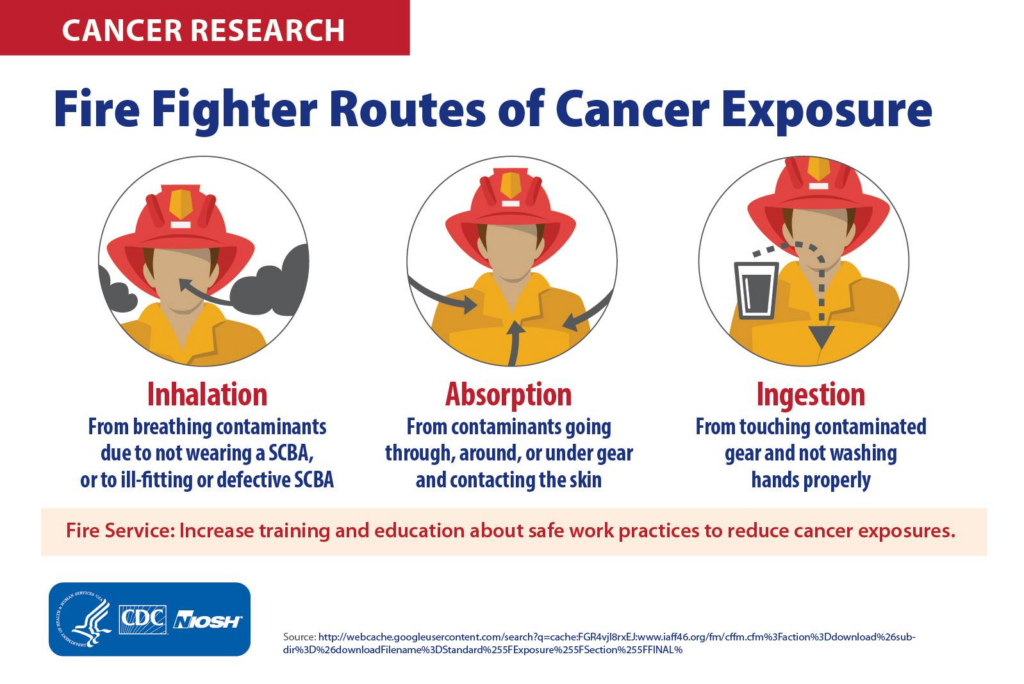
Firefighters are exposed to a variety of health risks throughout their careers, leading to significant concerns regarding their well-being. The nature of their work inherently places them in situations with potentially hazardous materials, including chemicals present in modern building materials and flame retardants. These materials can emit toxic substances when exposed to heat, which can inadvertently be inhaled or absorbed by firefighters during service. Moreover, research indicates that firefighters frequently encounter various other health threats, such as respiratory issues and cardiovascular diseases, making it imperative to recognize and address these health risks.
A recent report shed light on the heightened health risks associated with firefighting, particularly cancer. Firefighters are diagnosed with cancer at rates significantly higher than those observed in the general population. By comprehensively analyzing firefighter health risks, it becomes evident that these heroes, who put their lives on the line daily to protect our communities, deserve better protections and health safeguards. The alarming trends related to cancer rates in firefighters call for immediate changes to safety protocols and health screenings to ensure that their sacrifices do not lead to dire health consequences.
Heightened Cancer Rates in Firefighters
Studies indicate that firefighters face a dramatically increased risk of developing various forms of cancer, particularly due to exposure to hazardous chemicals during emergency response situations. Reports showed that firefighters aged between 35 and 39 are subject to cancer incident rates up to 323% higher than their counterparts in the general population. This sharp rise in incidence can be attributed to several factors, including the continuous exposure to smoke and toxic particulates and the complex fire environments that modern materials create, particularly those containing harmful flame retardants.
The need for enhanced awareness regarding cancer risks in firefighters cannot be overemphasized. As responders are often engaged in high-intensity situations that might involve electric vehicle fires, which have their own set of toxic emission challenges, the urgency for comprehensive cancer screening initiatives becomes evident. Characterizing firefighting as a 1A occupation by the World Health Organization highlights the critical need for establishing preemptive measures and post-incident health evaluations for firefighters to manage and mitigate these cancer risks.
The Role of Fire Station Safety Standards
Fire stations play a crucial role in maintaining the safety and health of firefighters. However, many fire stations, particularly older ones, are often outdated in terms of safety practices and technologies. Concerns have been raised regarding the efficacy of health and safety procedures intended to minimize contamination risks, which highlights the necessity for improved infrastructures and protocols. Improving fire station safety standards can help reduce exposure to harmful contaminants right from the workplace, ensuring that firefighters are able to perform their duties in a safe environment.
Moreover, the importance of segregating clean and contaminated spaces within fire stations cannot be overstated. The lack of adequate facilities for proper decontamination after a call can intensify the risks associated with hazardous materials in firefighting. Firefighters must have access to proper hygiene facilities to limit their exposure to harmful substances that can contribute to long-term health issues, including cancers. Ensuring that modifications and upgrades are made to fire station safety protocols is essential for the protection of the firefighters who dedicate their lives to serving the community.
Hazardous Materials in Firefighting
One of the most pressing issues concerning firefighter health is the prevalence of hazardous materials encountered during firefighting operations. Modern building materials often contain flame retardants and other toxic compounds that can pose serious health risks. Firefighters are frequently exposed to these harmful substances during their work, particularly in incidents involving structure fires. Unfortunately, the existing health and safety measures may be insufficient to effectively shield firefighters from the cancer-causing effects of these materials.
Training and awareness initiatives surrounding hazardous materials must be reinforced to ensure that firefighters are fully equipped to identify and mitigate risks associated with these substances. Knowledge about how to handle and respond to fires involving hazardous materials is crucial to reduce potential exposure. Additionally, ongoing education about the latest research concerning hazardous materials in both urban environments and during routine operations will provide firefighters with the tools necessary to better protect their health.
Electric Vehicle Fires: New Challenges for Firefighters
The advent of electric vehicles presents unique challenges for firefighters. These vehicles, which utilize lithium batteries, can pose a range of safety hazards during firefighting operations. When involved in fires, these batteries can produce toxic fumes and may even lead to explosive reactions, putting firefighters at increased risk. As electric vehicle fires become more prevalent in our cities, the firefighting community must adapt to these challenges and enhance their training to address the specific risks associated with these new technologies.
Furthermore, the emergence of electric vehicle fires highlights the need for specialized equipment and protocols designed to mitigate the risks of fires in these vehicles. Firefighters must undergo comprehensive training to understand the unique behaviors of lithium-ion batteries during combustion, allowing them to develop strategies for effective containment and suppression. It is essential for fire departments to remain ahead of the curve by integrating electric vehicle fire training into their standard operating procedures and ensuring all personnel are prepared for these evolving challenges to maintain their health and safety.
A Call for Improved Cancer Screening for Firefighters
Given the alarming statistics surrounding cancer rates in firefighters, there is a growing call for improved cancer screening protocols. Firefighters are encouraged to undergo regular health screenings to catch potential issues early, thus enabling timely treatment and better outcomes. The notion that firefighters face heightened cancer risks should compel firefighting departments to prioritize health assessments as part of their operational procedures.
Implementing routine cancer screenings could significantly assist in identifying risks early on and help combat the potential long-term effects of hazardous materials exposure. This proactive approach not only safeguards the health of firefighters but also affirms the commitment of fire departments to prioritize the well-being of those who serve on the frontlines. Creating a culture of health awareness within the firefighting community can ultimately contribute to safer working conditions and improved outcomes.
The Need for Cultural Change in Firefighting
As the firefighting community grapples with health risks and safety challenges, a cultural shift within the profession is increasingly vital. There exists a need for a shift in mindset from practices that may inadvertently glorify the ‘heroic’ aspects of dirty equipment to prioritizing cleanliness and safety. Ensuring that firefighters have access to clean gear and facilities can serve as a fundamental part of promoting their well-being.
Educational campaigns that emphasize the importance of maintaining hygiene and reducing contamination risks can help foster a culture that better protects firefighters’ health. Additionally, training protocols must emphasize adherence to safety best practices not only during incidents but as an everyday approach to their role. Such changes will be instrumental in mitigating health risks and fostering an environment where the safety of firefighters is unequivocally prioritized.
The Impact of Financial Constraints on Firefighter Safety
Financial constraints present a significant obstacle to improving firefighter safety. With limited budgets, many fire departments struggle to update equipment, facilities, and training programs that could enhance safety for their crews. Firefighters like Karl Smith emphasize that these financial hurdles directly impact the department’s capacity to implement vital safety measures and cancer prevention strategies. Without sufficient funding, many health and safety initiatives remain stagnant, and improvements to outdated equipment and facilities often take a back seat.
Advocating for increased funding is essential for addressing these safety gaps. Regional fire unions, like the Fire Brigades Union, actively push for financial resources to enhance safety standards, acknowledging that a more robust investment in firefighter health and safety can yield significant long-term benefits. By securing necessary financial support, fire departments can invest in critical safety training, equipment upgrades, and health initiatives, ultimately contributing to better outcomes for firefighters and the communities they serve.
The Importance of Awareness Campaigns in Firefighting
Awareness campaigns play a crucial role in promoting health and safety standards within the firefighting community. These initiatives not only educate firefighters about the risks associated with hazardous materials and cancer but also provide vital information about the importance of maintaining hygiene and adhering to safety protocols. An effective campaign can help cultivate a culture of safety that pushes the conversations about contamination risks and the need for better practices to the forefront.
Furthermore, regular training sessions that coincide with awareness efforts can ensure that firefighters are continually updated with the latest strategies and best practices for reducing exposure to harmful substances. The upcoming awareness campaign planned by the London Fire Brigade is a positive step towards this goal, emphasizing that by improving knowledge and fostering discussions around safety practices, firefighters can significantly reduce the risks they face on duty.
Frequently Asked Questions
What are the cancer risks associated with firefighters’ exposure to hazardous materials?
Firefighters face significant cancer risks due to exposure to hazardous materials found in modern building products, especially flame retardants. Studies indicate that firefighters have cancer rates 323% higher than their peers, emphasizing the need for improved safety protocols to mitigate these risks.
How do electric vehicle fires impact the cancer rates in firefighters?
Electric vehicle fires increase cancer risks for firefighters as they often release toxic substances during combustion. The rise of these incidents complicates the hazardous material exposure firefighters encounter, contributing to elevated cancer rates in the profession.
What steps can fire stations take to improve safety and reduce cancer risks for firefighters?
Fire stations can enhance safety measures by updating facilities, ensuring proper separation of contaminated and clean areas, and implementing effective decontamination procedures. Training firefighters on contamination risks and adhering to safety practices is crucial in reducing overall cancer risks.
How does firefighting compare to other occupations in terms of cancer risk?
Firefighting is classified as a 1A occupation by the World Health Organization, indicating it carries a cancer risk on par with smoking 20 cigarettes a day. This alarming comparison underlines the critical need for comprehensive cancer risk assessments and safety reforms in the field.
Are there any recent initiatives aimed at addressing cancer risks among firefighters?
Yes, organizations like the Fire Brigades Union (FBU) are advocating for increased funding and improved training to address cancer risks among firefighters. Awareness campaigns and regular health screenings are also being promoted to ensure proactive measures are taken against these health hazards.
What challenges do firefighters face regarding safety procedures at fire stations?
Firefighters often encounter challenges such as outdated facilities, lack of resources for proper decontamination, and insufficient implementation of safety procedures. Many stations in London, for instance, have not effectively adopted protocols to reduce the risks of contamination, resulting in higher cancer exposure.
How can cultural changes within the firefighting community help reduce cancer risks?
Cultural changes such as prioritizing clean gear maintenance, promoting awareness of contamination risks, and encouraging accountability for adherence to safety measures can significantly mitigate cancer risks among firefighters. Initiatives to reform attitudes towards cleanliness and safety practices are essential.
| Key Points | Details |
|---|---|
| Heightened Cancer Risk | Firefighters in London are facing increased cancer risks due to hazardous materials in modern building materials and electric vehicle fires. |
| Cancer Statistics | Firefighters aged 35-39 have a cancer incident rate 323% higher than the general population. |
| LFB Acknowledgment | The London Fire Brigade recognizes the unique challenges posed by the city’s density and size. |
| Financial Resources | The Fire Brigades Union urges for increased funding to improve safety at older fire stations. |
| Implementation Gaps | Health and safety procedures to mitigate contamination risks have not been fully implemented. |
| Working Conditions | Firefighters face restrictions that prevent them from showering after incidents due to staffing shortages. |
| Cultural Change | There’s a need for cultural change regarding cleanliness and safety practices among firefighters. |
| Lithium Battery Fires | The rise of lithium battery fires poses new risks related to the gig economy. |
| Ongoing Initiatives | An awareness campaign and training on safety practices are planned for the upcoming year. |
Summary
Firefighters cancer risk is a pressing issue that necessitates immediate attention and action. The alarming rates of cancer among firefighters, particularly those exposed to modern materials and hazardous environments, underscore the importance of improving safety measures and protocols. Increased funding and a cultural shift towards emphasizing hygiene and safety practices are vital in reducing the risk of cancer among firefighters. As the landscape of firefighting evolves with new challenges such as electric vehicle fires, the commitment to protect those who serve must be prioritized.