
Listen to this article
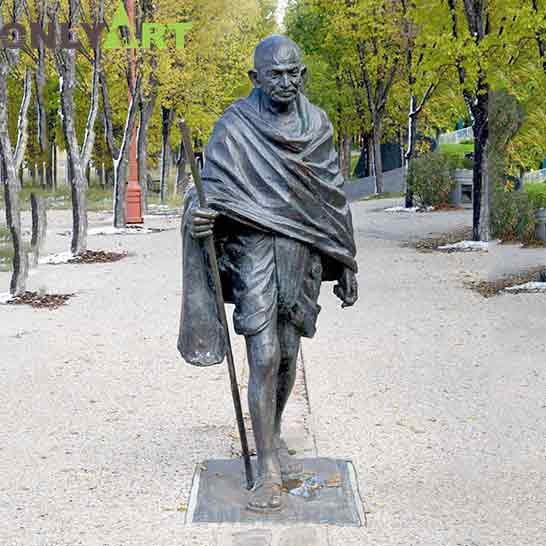
The upcoming Mahatma Gandhi statue auction is generating considerable excitement in the art world, with a unique bronze model expected to fetch a significant price at Woolley & Wallis’s art sale in London. Standing at 27cm, this model represents the earliest vision of the full Gandhi statue that has adorned Tavistock Square since 1968. Crafted by the late Polish sculptor Fredda Brilliant, this piece not only captures the essence of Gandhi but also highlights Brilliant’s growing reputation in the realm of sculpture. Experts anticipate that this auction could see bids exceeding the estimated value of £6,000 to £8,000, reflecting the high demand for artifacts linked to renowned historical figures. Collectors and art enthusiasts alike will surely be keeping a close eye on this remarkable event, as it presents a rare opportunity to own a piece of art history linked to Mahatma Gandhi’s legacy.
In an intriguing event for art collectors, the auction of a model statue honoring the revered Indian leader, Mahatma Gandhi, is set to capture the attention of buyers this week. This remarkable auction features a bronze maquette designed by notable sculptor Fredda Brilliant, who is celebrated for her work and vision, particularly with her pieces associated with Gandhi. The sale, taking place in the heart of London, aims to showcase the first complete model of the Gandhi statue which has stood prominently in Tavistock Square since the late 1960s. Following an incident of vandalism that drew global attention, this auction not only represents a chance to own a significant artifact but also underscores the importance and recognition of Gandhi’s message of peace and non-violence in contemporary culture. With a predicted surge in bids, this art sale promises to bring together enthusiasts eager to celebrate a piece that symbolizes such a profound historical narrative.
Mahatma Gandhi Statue Auction: A Significant Event
The upcoming auction of the Mahatma Gandhi statue model is generating significant buzz within the art community. This bronze model, originating from a private London collection, represents the first complete vision of the statue that has proudly stood in Tavistock Square since 1968. With expert estimations placing its initial value at £6,000 to £8,000, many anticipate the final bidding to exceed expectations, reflecting the growing interest in Fredda Brilliant’s works and the iconic nature of the statue itself. In recent years, items related to Gandhi’s legacy have gained considerable traction among collectors and art enthusiasts alike, driving up their market value.
Victor Fauvelle of Woolley & Wallis has noted the increasing prominence of Fredda Brilliant in the art world. The significance of this auction lies not only in the piece itself but also in how it symbolizes an essential part of both British and Indian history. With the previous sale of her second model fetching an impressive £65,000, many are left to wonder how high the bids will soar this time around. This auction is poised to make waves, not just as an art sale in London, but as a pivotal moment in the appreciation of Gandhi’s representation in public spaces.
The Artistic Legacy of Fredda Brilliant
Fredda Brilliant, the talented Polish sculptor, played an instrumental role in bringing the likeness of Mahatma Gandhi to life in bronze. Her craftsmanship in creating the statue that graces Tavistock Square is a testament to her skill and her ability to encapsulate the essence of Gandhi’s character. Born into a tumultuous world, Brilliant’s work emerged as a beacon of inspiration, melding her artistic vision with profound historical narratives. Collectors have recognized her unique ability to infuse emotion into her bronze sculptures, making each piece a window into the past while still relevant to contemporary discussions.
The upcoming auction of the Mahatma Gandhi statue model showcases not just an object of beauty but a storied history entwined with the legacy of human rights and non-violence. As interest in her works grows, so does the appreciation for the stories they tell. The Gandhian message of peace and resistance resonates through Brilliant’s art, and this particular model serves as an embodiment of those principles. Collectors seeking to invest in her work are not only acquiring a sculpture but are also participating in the preservation of a historical memory, a narrative woven through both art and activism.
Tavistock Square and Its Importance
Tavistock Square, located in the heart of London, is a significant site not only for its historical context but also for the ideals it represents through the statue of Mahatma Gandhi. Since its unveiling in 1968, the statue has stood as a symbol of peace and contemplation, attracting visitors from all corners of the world who come to pay homage to Gandhi’s enduring legacy. Situated among other monuments, the Gandhi statue elevates the square from a mere urban space to a cultural landmark. This prominence has further influenced public engagement with social issues and the glories of non-violent resistance as espoused by Gandhi.
The recent vandalism of the statue has sparked outrage and discussions on the relevance of Gandhi’s teachings amidst challenges to non-violence today. The incident underscores the need to protect such iconic representations of peaceful protest, particularly in a city that values its rich tapestry of history and activism. As the auction approaches, the Mahatma Gandhi statue not only serves as an auction piece but also ignites important conversations about the legacy of non-violent movements, making Tavistock Square a focal point of reflection and remembrance.
Collector Interest and Market Trends
The rising interest in collecting artworks related to iconic figures like Mahatma Gandhi has been notable in recent years. The auction of the bronze statue model, crafted by Fredda Brilliant, symbolizes the intersection of art with cultural significance, emblematic of Gandhi’s message of peace. Auction houses like Woolley & Wallis are witnessing a surge in bids for such pieces, reflecting a broader trend where collectors are not only looking for aesthetic value but also the historical narratives embedded within these artworks. It paints a picture of an evolving market that appreciates the complex layers of meaning behind collectible items.
Moreover, the market for bronze sculptures is particularly robust, with buyers increasingly inclined to invest in works that hold deep cultural resonance. The piece inspired by Gandhi’s legacy is expected to command significant attention, given the artist’s growing reputation and the recent sales in her oeuvre that have shattered previous records. As potential buyers prepare for the auction, many are positioning themselves not only as collectors but as custodians of history, eager to acquire pieces that encapsulate significant moments in the ongoing dialogue around peace, justice, and human rights.
The Role of Auctions in Preserving History
Auctions serve as a vital mechanism for preserving historical artifacts and significant works of art. When pieces like the Mahatma Gandhi statue model come to auction, they are not merely commercial transactions; they represent opportunities to keep the memory and importance of influential figures alive. By offering these works to collectors, auction houses play a crucial role in ensuring that the histories and messages behind these pieces are passed down through generations. The process allows history to be appreciated in a new light and encourages broader discussions about the societal values these works embody.
Furthermore, the competitive nature of auctions often elevates the perceived value of cultural artifacts, compelling individuals and institutions alike to recognize their importance. The upcoming auction at Woolley & Wallis for Fredda Brilliant’s model of the Gandhi statue is an opportunity for collectors to invest in a narrative that has shaped ideologies across continents. Each sale stands to not only enrich the buyer’s collection but also foster an enduring appreciation for the figures and stories that have shaped our understanding of peace and non-violence.
Art Sales in London: A Growing Scene
London’s art scene is one of the most vibrant and dynamic in the world, attracting collectors, artists, and enthusiasts from all walks of life. With prestigious auction houses like Woolley & Wallis leading the charge, the city has become a focal point for art sales, particularly those featuring works that celebrate historical figures and movements. The anticipation surrounding the auction of the Mahatma Gandhi statue model indicates a healthy appetite for art that not only brings beauty but also messages of hope and resilience. This particular event marks a highlight in the contemporary art calendar, showcasing how historical narratives remain relevant today.
Furthermore, the global implications of London’s art sales extend far beyond the city itself, as they often influence trends and interests worldwide. As collectors look toward acquiring significant pieces, the conversation surrounding art becomes deeply intertwined with cultural identity and historical legacy. The auctioning of pieces like Brilliant’s Gandhi model thus contributes to a larger narrative within the art market where Every sale propels a dialogue about the values represented in the works, making art not just a commodity but a reflection of our collective consciousness.
Gandhi’s Enduring Legacy in Modern Society
Mahatma Gandhi’s teachings on non-violence and peaceful resistance continue to resonate strongly in modern society, influencing a variety of movements aimed at social justice and equality. The presence of the Gandhi statue in Tavistock Square serves as a reminder of the values he stood for, making it an essential landmark for those who embrace his philosophies. As discussions about social change evolve, so too does the interpretation of Gandhi’s ideals, which have become crucial touchstones for contemporary activism. The upcoming auction is not just about acquiring a piece of art; it embodies a commitment to keeping his legacy active in public discourse.
In times of social upheaval, figures like Gandhi provide direction and inspiration, encouraging individuals to approach conflict with peaceful solutions. The potential sale of Brilliant’s model at auction is thus more than a financial opportunity for collectors; it represents an ongoing legacy that seeks to educate and inspire new generations. As collectors vie for the statue model, they acknowledge the importance of celebrating and preserving the positive impacts of historical figures, making their teachings accessible and relevant in today’s challenging societal landscape.
Vandalism and the Call for Action
The recent vandalism of the statue in Tavistock Square has raised alarms about the preservation of public monuments dedicated to peace and social justice. The Indian government’s swift response emphasizes the importance of safeguarding symbols of non-violence that resonate deeply within local and global communities. Such acts challenge the values that Gandhi represented and call for a collective commitment to protect the principles of tolerance and peace that he championed. As the auction of the Gandhi statue model approaches, the discourse around vandalism intertwines with cultural preservation, adding layers of urgency and significance to the event.
The reaction to the vandalism incident serves as a backdrop for the auction, igniting not just outrage but a renewed dedication to honor Gandhi’s legacy through collective action. Public support for addressing such acts is crucial, as they echo broader societal conflicts that Gandhi would have confronted with patience and resolve. With the auction at Woolley & Wallis offering an opportunity to acquire a significant piece rooted in this legacy, participants may engage in not only purchasing art but also contributing to the ongoing narrative of preserving peace and integrity in public spaces.
Conclusion: The Intersection of Art and Activism
The upcoming auction of the Mahatma Gandhi statue model encapsulates the intersection of art and activism, showcasing how creative expressions can inspire and reflect societal values. As collectors prepare to bid on this significant work by Fredda Brilliant, they are reminded of the importance of preserving historical narratives that promote peace and justice. This event acts as a catalyst for discussions on the responsibility of safeguarding monuments in a time when such ideals are continually under threat.
In conclusion, the auction is more than a mere sale of art; it represents an opportunity to reinforce the values embodied in Gandhi’s legacy. As potential buyers and art lovers converge at Woolley & Wallis, they embark on a journey that intertwines history, culture, and the enduring pursuit of peace, reminding us of the vital role that art plays in furthering human rights and social progress.
Frequently Asked Questions
What is the significance of the Mahatma Gandhi statue auction in London?
The Mahatma Gandhi statue auction in London is significant because it features the first complete vision model crafted by Polish sculptor Fredda Brilliant. This bronze statue, expected to fetch a substantial price, highlights Gandhi’s legacy and the artist’s increasing reputation in the art community.
Who created the bronze statue model of Mahatma Gandhi being auctioned?
The bronze statue model of Mahatma Gandhi up for auction was created by Fredda Brilliant, a Polish sculptor whose work has gained attention in recent years. The model represents the earliest complete vision of the Gandhi statue located at Tavistock Square in London.
When and where will the Mahatma Gandhi statue auction take place?
The Mahatma Gandhi statue auction will take place at Woolley & Wallis’s art sale in London on Thursday. Collectors are eager to see how much the model, which is anticipated to exceed its estimated price of £6,000 to £8,000, will sell for.
What is the estimated auction price for the Mahatma Gandhi statue model?
The estimated auction price for the Mahatma Gandhi statue model crafted by Fredda Brilliant is between £6,000 and £8,000. However, experts believe that the unique significance of this piece could lead to a much higher final sale price.
Has the Mahatma Gandhi statue in Tavistock Square faced any controversies recently?
Yes, the Mahatma Gandhi statue in Tavistock Square was vandalized in September, prompting a strong response from the Indian government, which condemned the act as a violent attack on the principles of non-violence that Gandhi stood for.
Why is Fredda Brilliant’s work related to the Mahatma Gandhi statue auction considered valuable?
Fredda Brilliant’s work related to the Mahatma Gandhi statue auction is considered valuable due to the growing recognition of her contribution to art and the international significance of her sculptures, particularly the statue of Gandhi in Tavistock Square, which represents a lasting tribute to his legacy.
What opportunities does the Mahatma Gandhi statue auction present to collectors?
The Mahatma Gandhi statue auction presents an exceptional opportunity for collectors to acquire a significant piece of art history, as it is the first maquette from a renowned sculptor’s body of work. It connects to one of Fredda Brilliant’s most internationally recognized monuments.
How has the auction community reacted to the Mahatma Gandhi statue model?
The auction community has shown intense interest in the Mahatma Gandhi statue model, with experts noting a surge of bids expected due to Fredda Brilliant’s reputation and the historical importance of Gandhi’s representation in art.
| Key Points |
|---|
| A model of Mahatma Gandhi’s statue will be auctioned next week. |
| The bronze model stands 27cm tall and is the earliest complete version of the statue in Tavistock Square, London. |
| Crafted by Polish sculptor Fredda Brilliant, who passed away in 1999. |
| The estimated value is between £6,000 and £8,000, but it may fetch a ten-figure sum. |
| Auction taking place at Woolley & Wallis’s art sale on Thursday. |
| Victor Fauvelle emphasized the significance of the maquette’s unveiling and Brilliant’s growing reputation. |
| An earlier sculpture of Gandhi sold for £65,000 at a 2019 auction. |
| The statue was vandalized recently, prompting strong condemnation from the Indian government. |
Summary
The Mahatma Gandhi statue auction highlights the cultural significance of Gandhi’s legacy and the increasing value of sculptures related to his work. With the upcoming auction of a model statue expected to attract significant bids, collectors and art enthusiasts alike will be keenly watching. The interest in this maquette not only reflects Fredda Brilliant’s growing reputation but also underscores the broader historical and social importance of Gandhi’s message, especially in light of recent events surrounding the statue’s vandalism. As the auction date approaches, the potential of the Mahatma Gandhi statue auction to fetch a ten-figure sum demonstrates the enduring impact of artistic representations of fundamental principles such as non-violence.