
Listen to this article
The recent decision regarding the London synagogue tower appeal has sparked significant interest within the community. A developer seeking to construct a 43-storey office block adjacent to the historic Bevis Marks Synagogue has withdrawn its application. This move follows the City of London Corporation’s rejection due to concerns about the towering structure overshadowing one of the UK’s oldest places of worship. The proposed Welput development plans aimed to bring modern office and community spaces, yet they faced substantial opposition, highlighting the importance of historic site preservation. As advocates worry about the impact on congregational worship and the visual integrity of Bevis Marks, the conversation around development in sensitive areas continues to unfold.
The recent cancellation of the appeal tied to the proposed tower near the Bevis Marks Synagogue highlights the complexities involved in urban development. The failed attempt to build a towering structure reflects broader issues of balancing modern office needs with the protection of significant historical landmarks. Local residents and faithful members alike viewed the potential 43-storey facility as an obstruction to their cherished worship practices, emphasizing the need for thoughtful planning in historic landscapes. These discussions reflect the growing concern over how projects can respect and integrate with the rich heritage of the City of London, ensuring that development does not come at the expense of cultural and historical assets.
The Decision Behind the Withdrawal of the Tower Appeal
The recent withdrawal of Welput’s appeal to build a 43-storey office block next to the historic Bevis Marks Synagogue has sent ripples through the planning community. Following a series of rejections from the City of London Corporation, the developer recognized the mounting challenges against their controversial plans. The initial proposal intended to transform the area into a modern workspace, yet faced staunch opposition due to concerns about its visual impact on the revered synagogue, the UK’s oldest continuously operating place of worship.
The decision to withdraw highlights the significance of public sentiment and the safeguarding of historic sites. With over 1,400 objections raised, the local community demonstrated an unwavering commitment to preserving the architectural integrity of the Bevis Marks Synagogue. This incident serves as a crucial reminder that developments adjacent to historical landmarks must tread carefully. The City of London Corporation’s decision reflects a commitment to maintaining the historic ambiance of such sites, showcasing the importance of community voices in urban development.
Bevis Marks Synagogue: Significance and Community Response
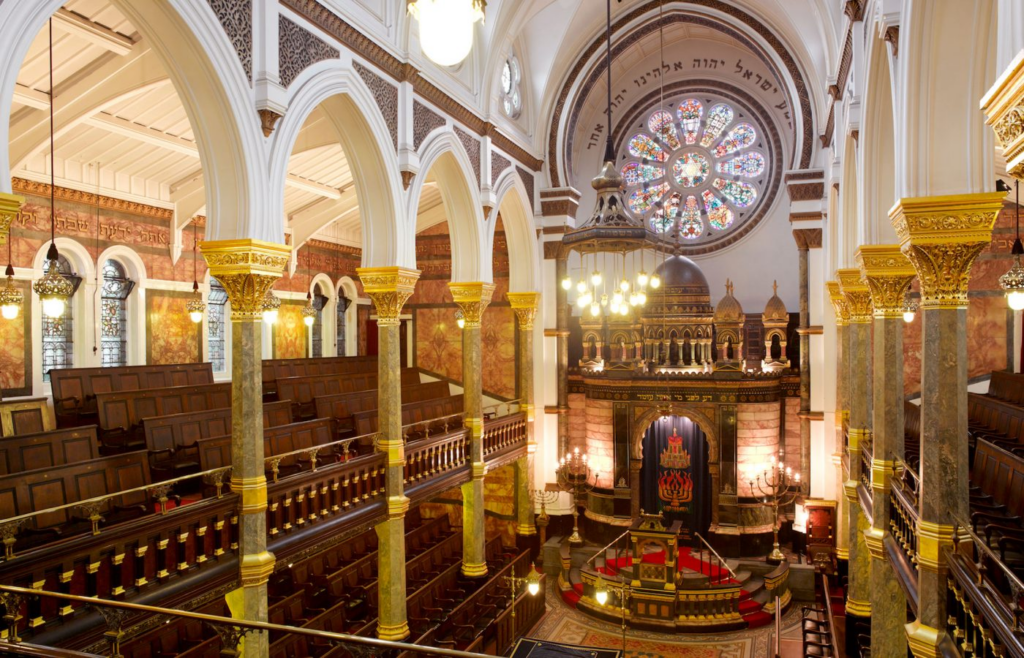
Bevis Marks Synagogue, located in Aldgate, is not just a place of worship but a vital part of Jewish heritage in London. Its long-standing history and architectural beauty draw attention from both locals and tourists, making it an irreplaceable landmark. The concerns regarding the proposed tower showed a strong community voice, emphasizing the importance of preserving cultural identity in the face of modern development. Rabbinic leadership and community members articulated fears that the skyscraper would overshadow both the physical and spiritual light that is essential to their worship practices.
Community leaders, including Rabbi Shalom Morris, have made it clear that the preservation of clear views of the skies is integral to Jewish rituals. This reflects a broader issue wherein not just physical structures, but cultural and spiritual elements are at stake when tall buildings encroach on historic sites. The insistence of the Bevis Marks congregation on safeguarding their environment signals a growing movement against encroaching developments. Community engagement and advocacy emerged as essential strategies for ensuring that development plans align with the needs of local constituencies.
The Role of City of London Corporation in Urban Development
The City of London Corporation played a pivotal role in the recent developments concerning the proposed office tower next to Bevis Marks Synagogue. As the governing body responsible for planning and urban development in the area, the Corporation’s thorough evaluation process reflects its commitment to balancing modern needs with the preservation of historical integrity. The rejection of the 43-storey tower proposal highlights the corporation’s dedication to understanding community concerns and weighing them against economic and developmental ambitions.
Furthermore, the Corporation’s decision underscores the necessity for developers to engage in meaningful dialogue with both the community and governing bodies before proposing large-scale projects. The planning system aims to encourage responsible development that align with local character and historic sites, ensuring that growth does not come at the expense of valuable cultural landmarks. This case sets a precedent for future proposals, stressing the importance of preserving the historic site as a cultural bastion against towering modernity.
Implications of Development on Historic Sites
The refusal of Welput’s application to construct a high-rise office block not only serves to protect Bevis Marks Synagogue but also raises broader questions about the impact of urban development on historic sites. As cities expand and evolve, the tension between modern architectural aspirations and the need for historic preservation becomes more pronounced. This case illustrates how conflicting interests can lead to significant community pushback and the necessity for developers to incorporate historical context into their plans.
The implications are manifold: preserving historic structures like Bevis Marks enriches local culture, enhances city landscapes, and allows future generations to connect with their heritage. Developers must recognize that while they aim to provide contemporary spaces, such endeavors should respect the historical narratives of their locations. This case serves as a crucial reminder of the importance of integrating community sentiment and historical preservation into the core planning processes for urban development.
Future Developments in the Aldgate Area
With the withdrawal of the appeal for the 43-storey tower, future developments in Aldgate must consider the delicate balance of preserving historic sites while accommodating growth. The decision serves as a catalyst for policymakers and developers to innovate ways to incorporate modern infrastructure within the historical context of the area. Aldgate is a vital point for cultural convergence, and any plans must harmonize economic requirements with heritage protection.
The City of London Corporation has the opportunity to engage with local communities and stakeholders actively when planning future developments. Collaborative workshops, consultations, and public forums can enrich the planning process, ensuring that new constructions serve the needs of both present and future generations. By fostering a proactive dialogue, the city can support developments that not only enhance economic viability but also protect the rich historical tapestry of Aldgate, allowing landmarks like Bevis Marks Synagogue to thrive alongside modern innovations.
The Future of Bevis Marks Synagogue amidst Urban Change
As urban change evolves rapidly around the Bevis Marks Synagogue, the future of this historic site remains a topic of considerable interest. Given its historic status, there are ongoing concerns about how various developments can coexist alongside the needs of the congregation. Maintaining a balance between the needs for expansion in London’s business district and the reverence for historic nomology becomes critical in preserving the synagogue’s cultural landscape.
Advocates for Bevis Marks Synagogue can take proactive steps to ensure that their voices are heard in future urban planning discussions. This can include forming alliances with other historic preservation groups and engaging in lobbying efforts to protect their space. Ensuring that planning decisions made by the City of London Corporation prioritize preservation will be vital for the site’s longevity. Overall, preserving Bevis Marks will not only maintain its spiritual significance but also continue its legacy as a cultural landmark for future generations in London’s multifaceted history.
Public Sentiment and Urban Development
Public sentiment plays a crucial role in urban development, as demonstrated in the recent case surrounding the Bevis Marks Synagogue and Welput’s proposed tower. Over 1,400 objections reflect the community’s strong attachment to the synagogue and its significance within the historical context of London. This overwhelming feedback serves as an important lesson for developers: community input must be prioritized when designing projects that could significantly alter the urban landscape.
Successfully navigating public opinion can lead to more thoughtful and inclusive development practices. Engaging community stakeholders not only serves to mitigate opposition but can also lead to innovative solutions that satisfy both historical preservation and modern needs. The City of London Corporation’s response to community voiced objections shows that public sentiment is a dynamic force in shaping urban policies, leading to a more harmonious relationship between development and preservation.
Challenges in Modernizing Historic Sites
Modernizing historic sites like Bevis Marks Synagogue involves navigating a complex landscape of regulations, sentiments, and stakeholder interests. Developers often face significant challenges when proposing high-rise buildings near designated historic landmarks. This case underlines the tensions that exist between aspirations for economic growth through extensive urban redevelopment and the importance of maintaining historic character and community integrity.
Investing in strategies that respect the historical significance of sites can result in innovative developments that enhance both the surrounding community and the urban environment. Navigating these challenges requires dialogue among developers, preservationists, and policymakers to foster developments that ensure economic growth without sacrificing cultural heritage. Only through collaborative efforts can stakeholders successfully tackle the challenges presented by modernizing historic sites.
An Overview of the Planning Process
The planning process in London, particularly concerning historic sites, is a detailed and often lengthy endeavor. Planning applications, such as that for the 43-storey office block next to Bevis Marks Synagogue, undergo rigorous scrutiny from both the City of London Corporation and the local community. This structured approach aims to assess the potential impact of developments on surrounding landmarks and ensure compliance with guidelines that protect historical integrity.
Engagement with various stakeholders, including local residents, interest groups, and historical societies, is integral to the planning process. The corporation’s recent rejection of the proposed tower clearly illustrates the importance of community feedback in shaping urban development. Moving forward, it will be crucial for the planning system to continue prioritizing local perspectives, ensuring that developments serve the broader interests of both economic growth and historical preservation.
Frequently Asked Questions
What is the status of the London synagogue tower appeal related to Bevis Marks Synagogue?
The London synagogue tower appeal concerning the proposed 43-storey office block next to Bevis Marks Synagogue has been withdrawn by the developer, Welput. This follows the City of London Corporation’s refusal of the application due to concerns about its impact on the historic site.
Why was the appeal for the 43-storey tower next to Bevis Marks Synagogue withdrawn?
The appeal for the 43-storey tower adjacent to Bevis Marks Synagogue was withdrawn after the City of London Corporation rejected the application based on substantial objections regarding the tower’s impact on the synagogue, which is the oldest continually operating synagogue in the UK.
What were the main concerns regarding the skyscraper near Bevis Marks Synagogue?
The main concerns about the proposed skyscraper near Bevis Marks Synagogue included its potential to overshadow the historic site and obstruct views of the night sky, which are vital for Jewish worship and maintaining the ambiance of this Grade II-listed building.
Who opposed the development plans for the 43-storey office block near Bevis Marks?
The development proposals for the 43-storey office block adjacent to Bevis Marks Synagogue faced significant opposition, including over 1,400 objections from the community. Prominent endorsements against the project were received from figures like UK Chief Rabbi Sir Ephraim Mirvis and historians.
What impact would the Welput development have had on Bevis Marks Synagogue?
The Welput development, which aimed to demolish Bury House and build a 43-storey tower, was seen as potentially detrimental to Bevis Marks Synagogue. It was believed that the tower would obstruct the congregants’ ability to view the sky, a crucial element for worship practices associated with the synagogue.
What was the City of London Corporation’s decision regarding the tower development?
The City of London Corporation thoroughly evaluated the application for the 43-storey tower adjacent to Bevis Marks Synagogue and ultimately rejected it, citing significant concerns about its impact on the historic site as a main factor in their decision.
Did the London synagogue tower appeal receive any support from notable figures?
Yes, the London synagogue tower appeal faced strong opposition but received support against the development from notable figures, including UK Chief Rabbi Sir Ephraim Mirvis and historians who highlighted the tower’s potential negative effects on Bevis Marks Synagogue.
How does the proposed development relate to historic site preservation in London?
The proposed 43-storey development near Bevis Marks Synagogue raised important issues regarding historic site preservation in London. Concerns revolved around the skyscraper’s capacity to overshadow and negatively affect the visibility and cultural significance of one of the city’s historic landmarks.
| Aspect | Details |
|---|---|
| Developers | Welput, a real estate fund |
| Project | 43-storey office block next to Bevis Marks Synagogue |
| Location | Adjacent to Bevis Marks Synagogue, Aldgate, London |
| Previous Applications | Originally proposed a 48-storey tower, rejected in 2021 |
| Reason for Rejection | Concerns about overshadowing the synagogue and impacting worship |
| Community Response | Over 1,400 objections submitted regarding the tower |
| Endorsements | Support from UK Chief Rabbi Sir Ephraim Mirvis and historians |
| Worship Impact | Potential obstruction of view of the night sky critical for Jewish worship |
| Recent Update | Appeal for the project has been withdrawn by Welput |
Summary
The London synagogue tower appeal has reached a significant milestone with the withdrawal of the appeal by developer Welput to build a 43-storey office block next to the historic Bevis Marks Synagogue. This decision comes after substantial community objections and a thorough review by the City of London Corporation, which had previously denied the application due to its potential negative impact on the synagogue. The saga exemplifies the ongoing tension between urban development and heritage conservation, highlighting the vital importance of preserving historical sites and their spiritual significance for the community.