Listen to this article
The recently signed DR Congo Rwanda peace deal has garnered significant attention, marking a pivotal moment in the ongoing Eastern Congo conflict. This accord, endorsed during a summit with US President Donald Trump, aims to stabilize a region long troubled by violence, particularly involving the M23 rebels DR Congo, who have gained control over key territories. Despite the high-profile nature of the signing ceremony, experts remain skeptical about the likelihood of lasting peace, as tensions persist and accusations of Rwandan troop presence in DR Congo continue to surface. The ramifications of this agreement could extend beyond bilateral relations, potentially influencing wider Africa peace initiatives aimed at promoting stability across the continent. As the international community closely monitors the aftermath, the effectiveness of this peace deal might hinge on cooperation and genuine commitment from both nations to uphold their promises.
The recent peace accord between the Democratic Republic of Congo and Rwanda offers a glimmer of hope in addressing decades of strife that have resulted in widespread instability. During a historic summit facilitated by US President Trump, leaders from both nations aimed to forge a path towards peaceful coexistence amidst ongoing clashes involving rebel groups, particularly the M23. The dynamics at play in this agreement reflect broader efforts in the region to resolve the persistent Eastern Congo conflict that has often seen international stakeholders involved. As the dialogue unfolds, the involvement of various foreign powers seeking to bolster investment in these resource-rich areas further complicates the situation. Thus, the successful implementation of this peace deal is crucial not only for the two countries but also for fostering a more stable future for the entire Great Lakes region of Africa.
Understanding the DR Congo-Rwanda Peace Deal
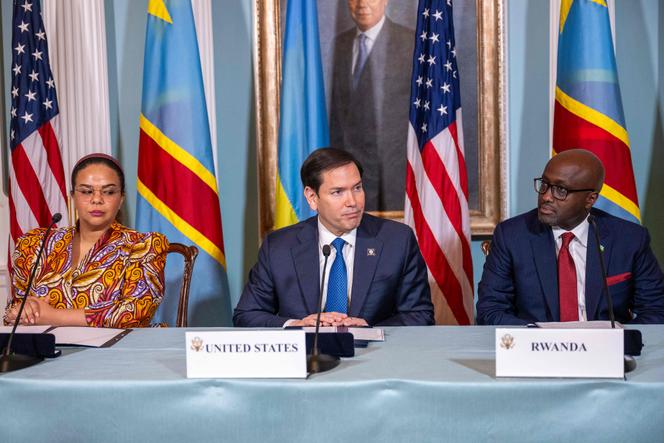
The recent peace deal between the Democratic Republic of Congo (DRC) and Rwanda, hailed as ‘historic’ by U.S. President Donald Trump, is designed to resolve a long-standing conflict that has claimed countless lives and displaced numerous civilians. Led by President Trump, the signing was held at the White House, demonstrating the U.S.’s commitment to stabilizing the region. However, many analysts see this deal not as a definitive resolution but rather as an endorsement of a previously established agreement that has failed to cease hostilities.
Amidst the optimism surrounding the peace negotiations, the reality on the ground presents a stark contrast. Fresh clashes in Eastern Congo, where the M23 rebels, allegedly backed by Rwanda, are active, underscore the fragile nature of the agreement. The Congolese army’s accusations against Rwanda complicate the situation further, as violations of ceasefire agreements and territorial disputes suggest neither party fully commits to honoring the terms set forth. The ongoing tensions point to the need for a proactive international involvement and sustained peace initiatives to truly address the complexities of this conflict.
Frequently Asked Questions
What is the significance of the DR Congo Rwanda peace deal signed during the Trump peace summit?
The DR Congo Rwanda peace deal, signed at the Trump peace summit, is significant as it aims to address the Eastern Congo conflict and the involvement of M23 rebels DR Congo. The deal seeks to promote stability in the region, enhance bilateral relations, and create a framework for cooperation on security and economic initiatives in Africa.
How does the Trump peace summit influence the ongoing Eastern Congo conflict?
The Trump peace summit has provided a platform for the DR Congo Rwanda peace deal, potentially influencing the Eastern Congo conflict by fostering dialogue between the two nations. However, ongoing skirmishes involving M23 rebels DR Congo highlight the complexities of achieving lasting peace amid deep-seated tensions.
Are Rwanda troops still present in DR Congo after the peace deal?
Despite the DR Congo Rwanda peace deal emphasizing respect for national sovereignty, Rwandan Foreign Minister Olivier Nduhungirehe has denied troop presence, claiming Rwanda troops DR Congo do not exist. This denial raises questions about compliance with the agreement and the UN’s assessment of Rwanda’s alleged influence over M23 operations.
What challenges does the DR Congo Rwanda peace deal face in guaranteeing stability?
The DR Congo Rwanda peace deal faces multiple challenges in ensuring stability, including the persistent activity of the M23 rebels, the lack of mutual trust between both governments, and accusations of aggression. Analysts express skepticism that the deal can end the ongoing Eastern Congo conflict without concrete actions from both sides.
How does the involvement of the US impact the DR Congo Rwanda peace deal?
The US, through the Trump administration, plays a crucial role in mediating the DR Congo Rwanda peace deal, which is part of broader Africa peace initiatives. This involvement aims to stabilize the region, facilitate investment opportunities, and harness the wealth of DR Congo’s resources, using diplomatic leverage to encourage cooperation between the two nations.
What are the key components of the DR Congo Rwanda peace deal?
Key components of the DR Congo Rwanda peace deal include a commitment to cease support for armed groups like the M23 rebels, respect for national borders, and efforts to address mutual security concerns, particularly regarding the disarmament of militias threatening both nations’ stability.
What is the role of M23 rebels in the context of the DR Congo Rwanda peace deal?
M23 rebels play a pivotal role in the context of the DR Congo Rwanda peace deal, as they have control over significant territory in eastern DR Congo and are a primary concern for both governments. Their actions and aspirations directly impact the feasibility and effectiveness of the peace agreement signed during the summit.
How does the peace deal relate to economic initiatives in DR Congo?
The peace deal is expected to pave the way for economic initiatives in DR Congo, as it can foster a stable environment conducive to foreign investments. The potential collaboration on mining and infrastructure, emphasized in the deal, may unlock DR Congo’s vast mineral reserves, enhancing economic prospects for the region.
What are experts predicting regarding the outlook of the DR Congo Rwanda peace deal?
Experts are cautiously optimistic yet realistic about the DR Congo Rwanda peace deal, acknowledging that historical grievances and ongoing military tensions complicate the peace process. While some see it as an opportunity for accountability and collaboration, many remain skeptical about its ability to bring about immediate and lasting peace in Eastern Congo.
What steps are necessary for the success of the DR Congo Rwanda peace deal?
For the success of the DR Congo Rwanda peace deal, both nations must demonstrate genuine commitment to cease hostilities, address the presence of M23 rebels, enhance bilateral cooperation, and foster trust through transparent communication and compliance with the agreement’s stipulations.
| Key Points |
|---|
| The leaders of DR Congo and Rwanda signed a peace deal in Washington, hosted by Trump, aimed at ending ongoing conflict. |
| The agreement is seen as an endorsement of a previous deal from June that has not effectively stopped fighting. |
| Fresh clashes have erupted in eastern DR Congo, with accusations of Rwandan support for local rebels, M23. |
| Tensions between Presidents Tshisekedi (DR Congo) and Kagame (Rwanda) remain high, highlighted by their lack of a handshake at the signing. |
| Trump praised the deal as a historic moment while skepticism remains about its potential to foster lasting peace. |
| Rwanda denies troop presence in DR Congo despite international reports of their involvement with rebels. |
| The peace deal includes commitments to respect national borders and end support for armed groups, yet enforcement remains uncertain. |
| Economic collaboration between the US, DR Congo, and Rwanda is being explored to enhance regional stability and investment. |
Summary
The recent DR Congo Rwanda peace deal aims to resolve long-standing conflicts between the two nations, which have been marred by violence and accusations of interference. Although President Trump hailed this agreement as a significant milestone, many analysts remain skeptical about its effectiveness in achieving real peace, especially given the ongoing clashes and the unwillingness of the involved parties to fully commit to the terms. The path to a sustainable resolution will likely require not just diplomatic negotiations but also accountability and respect for each nation’s sovereignty, along with efforts to diminish external influences from regional actors.