
Listen to this article
The Barbican arts centre revamp is set to breathe new life into one of London’s most iconic yet perplexing cultural landmarks. As the centre prepares for a transformative £451 million overhaul, project leaders aim to enhance Barbican accessibility and navigate the complexities that have long characterized this famous space. With plans to update its labyrinthine layout and provide better wayfinding solutions, the Barbican renovation promises to turn this bewildering venue into a welcoming hub for all visitors. Accessible art spaces and improved facilities will cater to the needs of London’s diverse population, ensuring that this arts centre remains a cornerstone of cultural attractions in London. As anticipation builds for the start of construction in 2027, the Barbican building project heralds a new chapter for this beloved institution, aiming to attract even more art enthusiasts in the years to come.
The revitalization of the Barbican arts complex highlights an ambitious initiative to reimagine this multifaceted London arts centre. Known for its challenging design and rich cultural offerings, the ongoing Barbican refurbishment aims to resolve long-standing accessibility issues while inviting a broader audience to experience its artistic treasures. With a focus on creating a more intuitive and navigable environment, this significant renovation underscores the centre’s commitment to inclusivity among London’s vibrant cultural institutions. By reconfiguring its layout and enhancing visitor amenities, the Barbican is poised to solidify its status as a premier destination for art and performance in the city. As work commences in the near future, the transformation promises to reshape the experience of both new and returning visitors alike.
Revitalizing the Barbican Arts Centre: A Necessary Transformation
The Barbican Arts Centre has long been an iconic figure in London’s cultural landscape, yet its physical structure has struggled to keep pace with modern standards of accessibility and navigation. The upcoming revamp aims to address these longstanding issues, making it a more welcoming environment for everyone. By investing £231 million in the first phase of the project, the team led by Philippa Simpson seeks to enhance the building’s infrastructure while also improving visitor experience. This renovation is crucial not just for the current patrons but also for future generations who will benefit from a revitalized arts centre, which has been a cornerstone of London’s creative community since its opening.
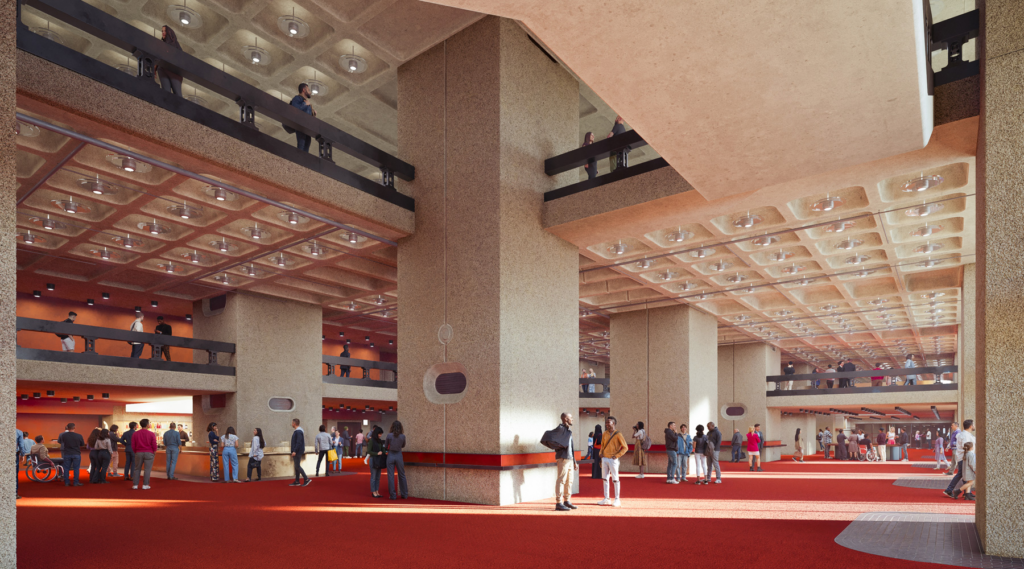
Understanding the intricate layout of the Barbican is essential for a successful transformation. The building’s design, originally intended for 4,000 nearby residents, may have served its purpose well in the early 1980s, but now it struggles to meet the demands of over 1.5 million annual visitors. With a maze of entrances and confusing signage, navigating the Barbican can feel daunting. The planned renovations promise to create straightforward pathways and clearer instructions, ensuring that visitors can move freely and enjoy all the cultural offerings of this beloved landmark.
Enhancing Accessibility at the Barbican
Accessibility is a critical focus of the Barbican renovation project. With features such as the conservatory being temporarily inaccessible to wheelchair users, the revamp aims to implement comprehensive accessibility measures throughout the entire facility. This includes adapting entrances, installing lifts, and creating an intuitive wayfinding system that ensures everyone can fully partake in the arts and cultural activities the Barbican has to offer. Philippa Simpson emphasizes that making the arts centre inclusive does not merely cater to a particular group; it enhances the cultural experience for all visitors, thus fostering a more diverse community around the arts.
In addition to physical accessibility, the Barbican aims to create an environment that is easy to navigate for individuals with cognitive disabilities or those who may feel overwhelmed in crowded spaces. By prioritizing inclusive design principles, the Barbican is set to transform itself into a beacon of accessibility within London’s vast array of cultural attractions. This strategy not only positions the centre as a leader in modern architectural practices, but it also invites all Londoners and tourists to share in its rich artistic offerings without hindrance.
The Future of London’s Cultural Attractions: Barbican Building Project
The upcoming Barbican building project reflects a broader commitment to enhancing London’s cultural attractions as a whole. As cities evolve, so too must their cultural landmarks, and the Barbican’s revamp stands as a testament to this necessary transformation. The project not only ensures the preservation of the centre’s iconic architectural features but also adapts them for contemporary audiences. By bridging the gap between historical significance and modern functionality, the Barbican is poised to reinforce its position as a leading arts destination in London.
Furthermore, this renovation reflects a larger trend in urban development, where arts centres are reimagined to serve as hubs of community engagement. As part of the Barbican’s renovation, enhancements that promote interaction and creativity are being prioritized, thus fostering a sense of belonging among visitors. The Barbican aims to not only be an arts centre but a vibrant gathering space that facilitates cultural exchange and artistic expression across diverse audiences.
Navigating the Barbican: Addressing the Maze-Like Design
The Barbican’s labyrinthine design has made it a subject of both fascination and frustration for visitors and performers alike. As noted in the project outline, the numerous entrance points can disorient patrons, leading to a less enjoyable experience. By reevaluating the existing layout, the renovation aims to simplify wayfinding for first-time visitors and regulars. Eliminating redundant signage and creating a cohesive navigational system are paramount to the success of the redesign, ensuring that guests can easily locate key features such as theatres, galleries, and restaurants.
Additionally, the revamp seeks to address the negative perceptions that have clouded the Barbican’s reputation as ‘bewildering.’ The exploration of incorporating technology, such as interactive maps and digital signage, could further enhance the accessibility of the centre. Through these innovative solutions, visitors will be empowered to explore the vast artistic offerings at their own pace, free from the confusion that has historically plagued the space.
The Role of Community Feedback in the Barbican Revamp
Incorporating community feedback has been vital to ensuring that the Barbican revamp meets the needs of its diverse audience. Engaging with local residents, artists, and stakeholders provides invaluable insights that inform design decisions. Listening to the experiences of those who frequent the arts centre allows the renovation team to address specific concerns regarding accessibility, signage, and overall visitor experience. Their involvement not only builds enthusiasm but also fosters a sense of ownership and pride in the revitalized building.
By actively seeking input from those who utilize the space, the Barbican is setting a precedent for future arts projects in London. This collaborative approach demonstrates that modern renovations need not be top-down but can instead foster community involvement. As a cultural institution, the Barbican is not just a building but also a meeting place for creative expression and civic engagement, and it is essential that voices from all user demographics are integrated into its transformation.
Environmental Considerations in the Barbican Revamp
As the Barbican renovation progresses, environmental sustainability will play a pivotal role in reshaping the cultural landmark. The building’s current infrastructure struggles with issues such as leaking and inefficient heating systems, which waste valuable resources. The proposed upgrades aim to replace outdated components with energy-efficient alternatives that reduce the overall carbon footprint of the arts centre. This commitment to sustainability is not only environmentally responsible but also aligns with contemporary values, making the Barbican a model for modern architectural practices.
Moreover, the integration of green spaces and sustainable materials is crucial for enhancing the visitor experience. Updates to the landscape surrounding the Barbican—as well as the communal areas within the arts centre—are set to provide a breath of fresh air amidst the urban environment. Efforts to create eco-friendly features, such as rain gardens and improved natural light flow, will contribute to a more pleasant atmosphere while promoting awareness and education around sustainability in the arts.
A Look at Upcoming Features Post-Renovation
A key aspect of the Barbican revamp is the introduction of new features that enhance both functionality and enjoyment for visitors. The redesign will include improved seating areas and community zones that invite art lovers to linger and socialize, thus fostering a deeper connection with the arts. Enhanced exhibition spaces will allow for a richer array of programming, showcasing both established and emerging artists in a more adaptable format. Furthermore, improved acoustics and lighting in performance areas will elevate the quality of the arts presented at the Barbican.
Additionally, the renovation plans also include the expansion of educational facilities that expand programming for schools and community groups. By providing spaces for workshops, lectures, and interactive experiences, the revamped Barbican will engage audiences of all ages, creating opportunities for cultural enrichment in ways that the original design could never accommodate. With these renovations, the Barbican is not merely transforming its physical appearance; it is also revitalizing its commitment to artistic innovation and education.
Timeline and Future Prospects for the Barbican
Looking ahead, the construction for the Barbican revamp is anticipated to begin in 2027, with hopes that the newly refurbished arts centre will be ready for its 50th anniversary in 2032. This ambitious timeline reflects the long-term vision held by all stakeholders, including those involved in the building project and the community at large. The anticipation surrounding the upcoming enhancements has already sparked excitement among patrons and arts enthusiasts across London.
The completion of the Barbican renovation is expected not only to breathe new life into the iconic venue but also to reignite discussions about the future of arts centres in urban settings. As London continues to evolve, cultural institutions like the Barbican must adapt to the needs of their residents and visitors. If successful, this project could pave the way for other arts centres struggling with similar challenges while simultaneously reinforcing London’s status as a global cultural hub.
Frequently Asked Questions
What is the timeline for the Barbican arts centre revamp and renovation?
The Barbican arts centre revamp aims for completion in time for the venue’s 50th anniversary in 2032. The project begins in 2027 and is part of a larger £451 million Barbican renovation plan.
How will the Barbican accessibility improve after the revamp?
The Barbican arts centre revamp will include enhancements such as improved signage, better pathways, and accessible entry points to make the cultural attractions London offers, like the Barbican, easier for all visitors to navigate.
What are the key features of the Barbican building project?
The Barbican building project focuses on modernizing the facilities, addressing leaks, enhancing accessibility, and creating a clearer layout for visitors, ensuring the arts centre remains a top cultural attraction in London.
Why is the Barbican arts centre revamp necessary?
The Barbican arts centre revamp is essential due to the age of the building, which has never received a significant upgrade since its opening in 1982. The renovations will address leaks, improve accessibility, and enhance the visitor experience.
What challenges is the Barbican renovation facing?
The Barbican renovation faces challenges like navigating a complex layout with multiple entrances, the need to dismantle outdated infrastructure, and ensuring that modern design standards are met for accessibility and usability.
How will the cultural attractions at the Barbican change after the revamp?
Post-revamp, the Barbican’s cultural attractions will become more accessible and inviting, with improved wayfinding, enhanced facilities, and a revamped interior designed to better serve and welcome all visitors.
What investments are being made in the Barbican arts centre revamp?
The first phase of the Barbican arts centre revamp has an estimated cost of £231 million, part of the overall £451 million investment aimed at revamping this key London arts centre.
How does the Barbican arts centre revamp improve visitor navigation?
The Barbican arts centre revamp will implement a new signage system and a restructured layout to simplify navigation, reducing confusion caused by the building’s original architecture and numerous entrances.
What is the significance of the Barbican arts centre to London’s cultural scene?
The Barbican arts centre is a vital part of London’s cultural scene, hosting over 1.5 million visitors annually and featuring a combination of theatre, concert space, art gallery, and conservatory that showcases a rich variety of cultural offerings.
Will the Barbican renovation impact its historical elements?
While the Barbican renovation will modernize key aspects, care will be taken to preserve significant historical elements, including listed signage, maintaining the building’s character while enhancing functionality.
| Key Aspects | Details |
|---|---|
| Project Cost | £231 million for the first phase; total estimate: £451 million |
| Timeline | First phase aiming for completion by 2032, coinciding with the centre’s 50th anniversary |
| Main Challenges | Water damage, confusing layout, multiple entrances, outdated designs and accessibility issues |
| Accessibility Improvements | New signage, lighting improvements, and renovations to public areas like the conservatory |
| Historical Significance | Opened in 1982, originally designed for residents; now a major UK cultural hub |
Summary
The Barbican arts centre revamp represents a significant step towards revitalizing one of London’s most iconic yet perplexing landmarks. With a focus on enhancing accessibility, reducing disorientation, and preserving the unique charm of the centre, the upcoming renovations aim to transform the visitor experience for the millions who pass through its doors annually. As the project progresses, the goal is to ensure the Barbican remains not just a cultural hub but also a welcoming and navigable space for everyone.