
Listen to this article
The recent release of Eritrea prisoners marks a pivotal moment in the nation’s long-standing human rights crisis. Thirteen individuals, including renowned Olympian cyclist Zeragaber Gebrehiwot, were freed after nearly two decades of captivity in the infamous Mai Serwa prison. Their release shines a stark light on the broader issues of political prisoners in Eritrea and the harsh conditions they have endured. Families, who had long been deprived of contact with their loved ones, are finally experiencing a glimmer of hope amid ongoing concerns about the Eritrea government’s oppressive measures. This development has sparked renewed discussions about Eritrea human rights and the urgent need for reform in one of the world’s most secretive states.
In a significant development, the liberation of individuals previously held in confinement under politically motivated charges has garnered international attention. The recent freeing of detainees from Mai Serwa prison, notorious for its inhumane treatment of inmates, reflects ongoing concerns about the treatment of political dissidents in Eritrea. With figures like Zeragaber Gebrehiwot among those released, there is a growing emphasis on human rights advocacy and the potential for meaningful change in Eritrea’s political landscape. This incident not only highlights the plight of political prisoners in Eritrea but also raises questions about the future of governance and civil liberties in the region.
Recent Release of Eritrean Prisoners
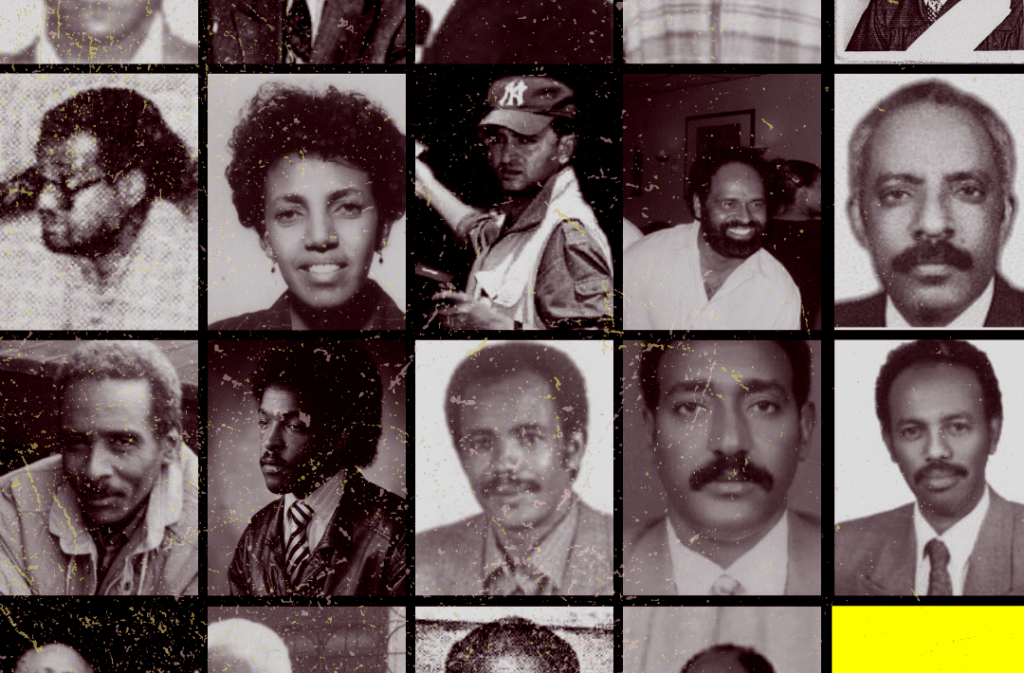
Thirteen individuals who had been incarcerated for over 18 years in Eritrea’s notorious Mai Serwa prison were recently released. This significant event was confirmed by relatives and covered by multiple news outlets, including the BBC. Among those freed is the esteemed Olympian cyclist, 69-year-old Zeragaber Gebrehiwot. The release has sparked discussions about human rights in Eritrea, particularly concerning the treatment of political prisoners who face harsh conditions, often without trial and lack of oversight.
The detained individuals were arrested in October 2007 following an assassination attempt on Colonel Simon Gebredingil, a senior security officer aligned with President Isaias Afwerki’s regime. While the originally detained number was around 30, many were released over the years, leaving behind those considered more political prisoners of the Eritrean government. This recent release illustrates a rare albeit slight shift in a regime notoriously known for its disregard towards human rights and political freedoms.
Conditions at Mai Serwa Prison
Mai Serwa prison, located just northwest of Eritrea’s capital Asmara, has become infamously known for its brutal and inhumane conditions. Reports indicate that inmates are housed in metal shipping containers and held in total isolation. Human rights groups have continually condemned this prison for the suffering inflicted upon its occupants, many of whom are political prisoners accused of crimes against the state. The harsh reality inside Mai Serwa reflects the broader systemic issues within Eritrea regarding human rights.
Over the years, the treatment of detainees at Mai Serwa prison has drawn international condemnation. Human rights organizations such as Amnesty International have documented cases of torture and forced disappearances. The government’s strategy of silencing dissent through repression often leaves families unaware of their loved ones’ fates. The erosion of civil liberties in Eritrea illustrates the devastating impact of an oppressive regime on individuals and society alike.
The Role of the Eritrean Government in Human Rights Violations
The Eritrean government, under President Isaias Afwerki, has faced relentless criticism for its human rights record. The regime’s authoritarian control, highlighted by indefinite military conscription and suppression of free speech, has created one of the planet’s most criticized human rights environments. Reports suggest that thousands remain imprisoned under brutal conditions for opposing the government’s policies or merely for their political beliefs, a phenomenon that has led to a grim reality for many families across the nation.
Reports from various human rights organizations spotlight the ongoing struggle faced by Eritrean citizens, as the government employs extreme measures to maintain power. The lack of a functional legal system means that dissenters often find themselves without recourse, complicating the already dire situation. Notably, the recent release of prisoners, including Zeragaber Gebrehiwot and other notable figures, indicates that international pressure may influence governmental actions, though the underlying issues of human rights violations remain prevalent in Eritrea.
Zeragaber Gebrehiwot’s Significance
Zeragaber Gebrehiwot, a prominent figure in Eritrean sports history, symbolizes resilience in the face of oppressive governmental policies. His release not only highlights the plight of long-term political prisoners in Eritrea but also draws attention to the broader struggle for human rights within the country. As a former Olympian cyclist, Zeragaber’s achievements serve as a reminder of Eritrea’s rich cycling tradition, established even during the years of conflict and turmoil.
The significance of his release resonates beyond the individual, reflecting the collective hardships faced by many Eritreans. Zeragaber, along with other notable prisoners, embodies the voices often silenced by governmental repression. His story has galvanized support for ongoing human rights campaigns, encouraging international stakeholders to advocate for political reform within the Eritrean government and for the welfare of all political prisoners.
International Response to Eritrean Human Rights Abuses
International organizations and human rights advocates have long condemned the Eritrean government’s abuses, pressing for accountability and changes in policy. The United Nations and numerous NGOs assert that a systemic pattern of oppression characterized by enforced disappearances and torture persists within the country’s prisons. The release of prisoners, including Zeragaber Gebrehiwot, has prompted renewed discussions in the international community, urging more vocal support for reform in Eritrea.
Organizations such as Human Rights Concern – Eritrea highlight the need for sustained international pressure to encourage the Eritrean government to respect human rights. Activists argue that the plight of political prisoners must remain in the spotlight, leveraging the stories of individuals released from detention to strengthen calls for change. The hope remains that continuous advocacy can lead to tangible improvements in human rights conditions within Eritrea.
The Historical Context of Eritrea’s Political Prisoners
Eritrea’s considerable history of conflict and governmental control sets the stage for understanding the plight of its political prisoners. Following its independence from Ethiopia in 1993, the Eritrean government’s approach to governance has been characterized by the suppression of dissent and restriction of freedoms. The arrests of the G-15 politicians and journalists in 2001 marked a severe turning point in the nation’s political landscape, curtailing hopes for democratic governance and freedom of expression.
For over two decades, many individuals have been imprisoned for exercising their rights or for ideologies contrary to state policy. This historical context underscores the challenges faced by those who dare to challenge the regime and the grave consequences of doing so. The recent release of prisoners like Zeragaber Gebrehiwot serves as a critical reminder of the long-standing struggle for justice and human rights in Eritrea.
Eritrea’s Ongoing Battle for Human Rights
Eritrea’s government continues to stand resilient against international criticisms of its human rights practices. Often described as one of the world’s most repressive regimes, Eritrea’s lack of free press and persistent military conscription only exacerbate the human rights situation. The ongoing disregard for civil liberties echoes throughout the nation, leaving countless families affected by disappearances and forced detainment.
Despite some instances of prisoner releases that have drawn media attention, the fundamental issues remain primarily unaddressed. Advocacy groups maintain that a concerted global effort is essential to end the cycle of human rights abuses in Eritrea. The plight of political prisoners, including the more than 10,000 reported detainees, highlights the urgent need for an impactful dialogue focused on human rights reform and governmental accountability.
The Impact of Zero Accountability on Eritrean Society
The Eritrean government’s lack of accountability has cultivated a societal environment steeped in fear and oppression. Families live in uncertainty regarding the fate of their loved ones detained under dubious circumstances, which has led to a culture of silence and submission. This pervasive atmosphere not only stifles individual expression but also prevents collective action that could challenge the regime’s authority.
Critics argue that the absence of accountability feeds a cycle wherein human rights abuses go unchecked. The marginalization of dissenting voices enables the government to continue its repressive tactics without fear of retribution. The need for international engagement remains pressing to address these ingrained issues and to promote a society where human rights are respected and upheld.
Towards a Vision of Reform in Eritrea
In light of the recent release of prisoners, there is a budding conversation about the potential for reform within Eritrea. Activists and human rights groups are advocating for the establishment of a framework that guarantees the protection of civil liberties and human rights throughout the nation. The momentum generated by the release of notable figures like Zeragaber Gebrehiwot may serve as a catalyst for broader changes.
However, for meaningful reform to occur, the Eritrean government will need to embrace transparency and accountability. This includes acknowledging past injustices and redefining its approach to governance. Engaging with the international community in this endeavor could provide the necessary support and pressure needed to initiate real change, ultimately fostering a society that respects human rights and recognizes the contributions of all its citizens.
Frequently Asked Questions
What led to the release of Eritrea prisoners from Mai Serwa prison?
The release of Eritrea prisoners from Mai Serwa prison was announced following years of detention without trial, with some individuals, including prominent figures like Zeragaber Gebrehiwot, being held since an assassination attempt in 2007. This action may be related to ongoing international scrutiny over human rights conditions in Eritrea.
Who is Zeragaber Gebrehiwot and why is his release significant?
Zeragaber Gebrehiwot is a 69-year-old Olympian cyclist and businessman who was among the 13 Eritreans released after over 18 years of imprisonment in Mai Serwa prison. His release is notable as it highlights the plight of political prisoners in Eritrea and sheds light on the severe human rights violations under the Eritrean government.
What are the conditions like in Mai Serwa prison where Eritrea prisoners were held?
Mai Serwa prison is known for its harsh and inhumane conditions, where many detainees have reportedly been held incommunicado. The facility has expanded to include metal shipping containers for housing prisoners, which has drawn significant criticism from human rights organizations monitoring Eritrea.
How many political prisoners are estimated to be held by the Eritrean government?
Human rights organizations estimate that tens of thousands of individuals remain imprisoned in Eritrea, many of whom are believed to be political prisoners subject to torture and severe mistreatment, highlighting the dire human rights situation in the country.
What has the international community said about the human rights situation in Eritrea?
The international community, including the UN and various human rights organizations, has condemned the Eritrean government for numerous human rights violations, including the unlawful detention of individuals, torture, and forced disappearances, particularly affecting political prisoners.
Are families allowed to visit prisoners in Eritrean jails like Mai Serwa?
Families have historically been denied the right to visit prisoners in Eritrean facilities such as Mai Serwa, which adds to the suffering of both detainees and their loved ones, exacerbating the human rights concerns associated with political imprisonment in Eritrea.
What events have led to the detention of political prisoners in Eritrea?
Many political prisoners in Eritrea were detained following a crucial political shift in 2001, when the government arrested numerous individuals, including the G-15 group of politicians and independent journalists, who called for democratic reforms and the implementation of the constitution.
| Key Point | Details |
|---|---|
| Release of Detainees | Thirteen prisoners, held without trial for over 18 years, were released from Mai Serwa prison. |
| Zeragaber Gebrehiwot | Among those freed was Olympian cyclist Zeragaber Gebrehiwot, who is now 69 years old. |
| Background of Imprisonment | The detainees were arrested in October 2007 following an assassination attempt on a senior security officer. |
| Conditions in Mai Serwa | Mai Serwa prison is notorious for its harsh conditions, where many inmates are believed to be political prisoners. |
| Government Response | The Eritrean government has not issued any statements concerning the recent releases. |
| Health of Released | Many of the released detainees are reportedly unwell, which may have influenced the timing of their release. |
| Human Rights Violations | Eritrean government has been accused of severe human rights violations including torture and forced disappearances. |
| Eritrea’s Political Climate | Eritrea has remained a one-party state without a functional constitution, with no free press since 2001. |
Summary
The recent release of Eritrea prisoners highlights significant human rights issues within the country. After over 18 years of unjust detention, thirteen inmates were freed from a notorious military prison, reflecting both a potential shift in government policy and the desperate conditions many prisoners face. Notably, among those released was former Olympian Zeragaber Gebrehiwot, raising awareness about the plight of political prisoners in Eritrea. While this event is a glimmer of hope, it also underscores the ongoing challenges regarding human rights and political freedom in Eritrea.

