Listen to this article
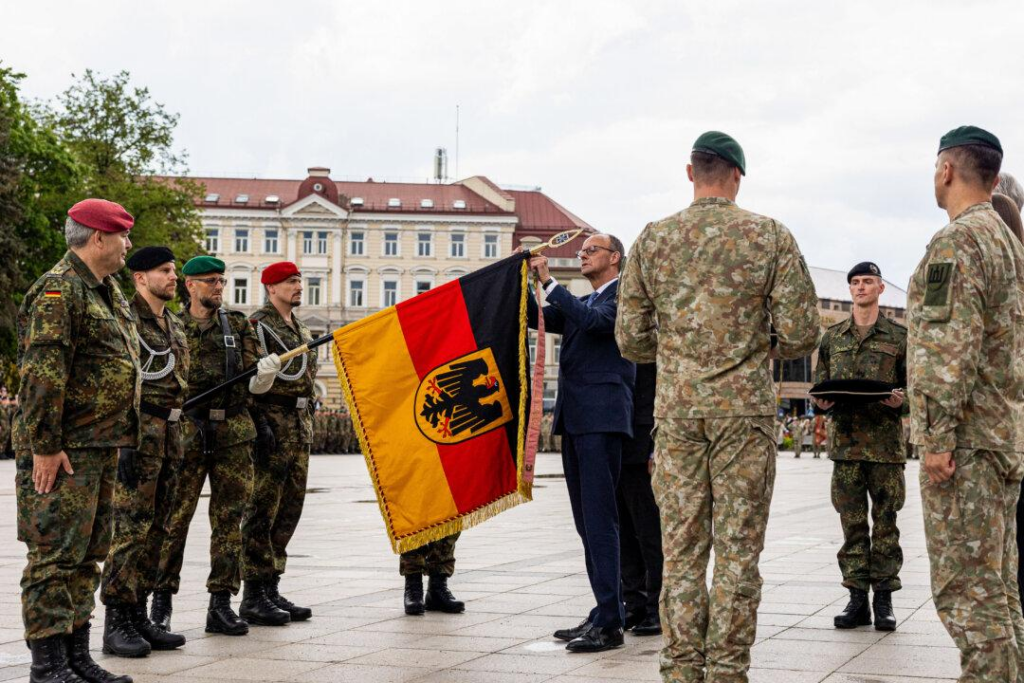
Germany is set to reinstate voluntary military service in a bold move by the Bundestag aimed at reinforcing its national defense strategy. Amid evolving security concerns, particularly following Russia’s aggressive actions, this initiative is seen as a pivotal shift in Germany’s military service structure, which has long relied on a smaller, professional army. Starting in January 2026, all 18-year-olds will face a questionnaire assessing their willingness to join the German army as the country seeks to build a robust volunteer army. This reform aligns with Chancellor Friedrich Merz’s vision to transform Germany into a formidable force within NATO and adjust its defense policy to meet contemporary challenges. The potential for this voluntary military service to counter threats while fostering a sense of duty among the youth underscores a significant commitment to the future of military service in Germany.
In recent developments, Germany has taken steps to boost its defense capabilities through the establishment of a voluntary enlistment program for young men and women. This program is not just a political response to global tensions but also a response to public sentiment regarding military engagement. With proposals emerging to revitalize enlistment protocols, youthful engagement in national defense has become a critical topic in German society. As the nation grapples with the implications of these changes, the discourse around military readiness extends to debates over Germany’s broader defense strategy and its role within international alliances. Such initiatives mark a significant transition from past policies, reflecting a growing acknowledgment of the need for preparedness in an unpredictable geopolitical landscape.
Germany’s New Voluntary Military Service Initiative
Germany’s decision to reintroduce voluntary military service marks a significant milestone in its approach to national defense. The Bundestag’s vote signifies a transition towards a more robust military stance, particularly in light of escalating tensions with Russia. This move aligns with Chancellor Friedrich Merz’s vision of transforming the Bundeswehr into Europe’s leading conventional army. Starting in January 2026, all 18-year-olds will receive a questionnaire regarding their willingness to enlist, reflecting a shift towards embracing a volunteer army in Germany’s defense policy.
This initiative is not merely about numbers; it represents a paradigm shift in how Germany perceives its military obligations. The introduction of voluntary service aims to instill a sense of responsibility among the youth towards their nation’s security. Proponents argue that the program will not only enhance military preparedness but also foster a culture of civic duty and engagement. Critics, however, see this as a potential gateway to reinstating compulsory military service, revealing a divide in perceptions on national security.
The Role of the Bundestag in Military Reforms
The Bundestag plays a crucial role in shaping Germany’s military policies, particularly in recent votes surrounding military service reforms. With a tally of 323 votes for and 272 against the reintroduction of voluntary military service, parliament has shown a willingness to adapt to changing security environments. This decision follows a broader trend across Europe, where nations are reassessing their military capacities to respond to emerging threats. The debate surrounding this legislation reflects the balancing act between maintaining national security and addressing public dissent.
In addition to the military service vote, the Bundestag is also involved in broader defense policy discussions, such as the contentious pension reform bill intended to stabilize state pension levels until 2031. These discussions highlight the interconnected nature of military funding and social policies, as lawmakers grapple with the implications of increased military spending on domestic issues. Ultimately, as Germany’s defense policy evolves, the Bundestag will remain a central player in navigating the complexities of military reform and ensuring public support for these changes.
Impact of Protests Against Military Service in Germany
The recent protests in Germany against the reintroduction of voluntary military service highlight a significant public sentiment opposing military conscription. Organized by students across 90 cities, these demonstrations reflect a broader anxiety amongst young Germans regarding their potential commitment to military obligations. Critics argue that enforcing military training undermines their freedom and future prospects. Statements from protest leaders emphasize a vision for peace over military engagement, further complicating the narrative surrounding national security.
These protests also shed light on the generational divide regarding military service in Germany. While some view participation in a volunteer army as a patriotic duty, others see it as a step backward towards compulsory service and potential conflict. The government’s attempt to frame military service as voluntary is met with skepticism, particularly amid fears of a mandatory draft resuming in the event of escalated security threats. As Germany navigates this socio-political landscape, the tension between government objectives and public opinion will play a pivotal role in shaping future defense policy.
Future Prospects for Germany’s Defense Policy
Looking ahead, Germany’s defense policy is poised for significant transformation as it seeks to bolster the Bundeswehr’s ranks and capabilities. The government’s objective to increase active soldiers from 182,000 to 260,000 reflects an urgent need to adapt to the contemporary security climate. Concerns about potential threats from Russia and commitments to NATO defense spending illustrate the pressures influencing this new military strategy. As volunteer military service is implemented, these shifts demonstrate Germany’s commitment to becoming a key player in European defense.
However, the sustainability of this military expansion hinges on public support and willingness to engage with military service. The balance between voluntary engagement and the potential for mandated service creates a challenging political environment. Policymakers must carefully consider how to incentivize enlistment while maintaining the trust of the public. The challenge will be ensuring that the move towards a more robust military posture does not alienate those who feel disenfranchised by the notion of service, thereby preserving the democratic values that underpin German society.
Evaluating the Voluntary Military Service Pay Structure
One of the incentives for young Germans under the new voluntary military service program is the proposed salary of approximately €2,600 per month. This financial compensation is designed to attract potential recruits in a competitive labor market, especially given the current economic climate. By offering attractive pay, the government aims to counterbalance the apprehensions many youths have regarding military training and deployment. Enhanced financial incentives could play a crucial role in ensuring that Germany achieves its recruitment goals.
In comparison with other European nations like France, where volunteers are promised €800 per month, Germany’s competitive pay structure may bolster its appeal significantly. The expectation is that attractive compensation will engage a broader demographic and encourage enlistment, particularly among youths feeling the weight of student debt or economic uncertainty. However, as the implementation date approaches, it will be essential for the government to communicate effectively the benefits and responsibilities that come with military service, to foster a sense of pride and commitment among new recruits.
Chancellor Merz’s Vision for a Stronger Bundeswehr
Chancellor Friedrich Merz’s commitment to rebuilding the Bundeswehr into a formidable military force aligns with Germany’s strategic objectives in Europe. His vision supports the necessity for a robust defense policy that can respond to changing geopolitical dynamics, especially in light of ongoing tensions with Russia. Merz’s insistence on reinstating voluntary military service exemplifies his belief in investing in human capital to create a responsive and capable army. The move is indicative of a broader acknowledgment of the need for reform within the German military.
Furthermore, this direction aligns with NATO’s expectations for member states to enhance military readiness and increase defense spending. The push for a stronger Bundeswehr is part of Merz’s broader strategy to ensure Germany takes a leading role in regional security initiatives. However, ensuring that this vision translates into actionable policies that resonate with the public will be essential. As Germany embarks on this ambitious reform, balancing military aspirations with public sentiment will be a crucial task for the administration.
The Connection Between Defense Policy and Social Dynamics
Germany’s evolving defense policy is intrinsically linked to social dynamics within the country. The introduction of voluntary military service posits complex implications for social cohesion and national identity. As opinions vary significantly among the youth regarding military engagement, policymakers must navigate these emotional and ideological landscapes. The government’s decisions impact not only military readiness but also social narratives about citizenship and responsibility.
Moreover, the juxtaposition of expansive military ambitions alongside pressing domestic issues like pension reforms illustrates the intricate dance between defense strategies and social welfare. As German citizens weigh the value of military service against personal freedoms and societal expectations, the government must be attuned to public sentiment to garner support for its initiatives. Strengthening the connection between defense policy and citizen engagement will be pivotal to the legitimacy and effectiveness of these reforms.
Potential Global Implications of Germany’s Military Policy Shift
The resurgence of voluntary military service in Germany could have significant implications beyond its borders, particularly within NATO and the European Union. As Germany steps up its military readiness, it sets a precedent for other nations to evaluate their defense strategies in the context of an increasingly volatile global landscape. The shift signifies not only a commitment to national security but also a willingness to take on a leadership role in collective defense measures across Europe.
Moreover, as Germany expands its military capabilities, it may influence defense policy discussions among its allies, affecting global security stability. The potential for Germany to reassert its role as a military power within Europe may evoke varied responses from neighboring countries, potentially reshaping alliances and strategic partnerships. In this light, Germany’s move to enhance its military may not only reinforce its national safeguards but also redefine the security architecture of Europe, prompting allies to reconsider their own military commitments.
Engaging Youth in Germany’s Volunteer Army Program
To successfully implement the voluntary military service program, Germany must focus on effectively engaging its youth. This involves educational initiatives that inform young people about the benefits of military service while addressing their concerns regarding personal freedom and future opportunities. Creating outreach programs in schools and communities that highlight career pathways and personal development gained through military service could foster a more positive perception of enlistment.
Additionally, involving young voices in the conversation around military service could bridge gaps between government objectives and public sentiment. By actively listening to the apprehensions of the youth—especially those participating in protests—policymakers can tailor their approach to better resonate with future generations. Open dialogue and transparent communication about the role of voluntary military service in shaping national defense could empower young Germans to embrace their responsibilities as citizens, easing their concerns about military training.
Frequently Asked Questions
What is the purpose of Germany’s new voluntary military service program?
Germany’s new voluntary military service program aims to enhance national defenses following geopolitical tensions, specifically after Russia’s invasion of Ukraine. The Bundestag initiated this shift in military policy to establish a more robust and capable Bundeswehr, which translates to a stronger military presence in Europe.
How will Germany’s voluntary military service program work for 18-year-olds?
Starting January 2026, all 18-year-olds in Germany will receive a mandatory questionnaire regarding their interest in joining the armed forces. While this plan sees military service as primarily voluntary, it allows for medical evaluations to prepare potential recruits for future needs.
What are the potential implications of the Bundestag’s vote on military service in Germany?
The Bundestag’s vote to bring back voluntary military service reflects a significant policy change that might lead to increased troop levels in the Bundeswehr. If volunteer numbers remain low, the government could resort to compulsory service, emphasizing the urgent need to bolster Germany’s defense capabilities.
What are the benefits of joining the volunteer army in Germany?
Joining the volunteer army in Germany offers various benefits, including a competitive salary around €2,600 per month. Additionally, participants can expect comprehensive training and the opportunity to serve as a homeland protector amidst evolving security challenges.
Why are some young Germans opposing the voluntary military service initiative?
Many young Germans oppose the voluntary military service initiative due to concerns about being confined in barracks and undergoing military training. Protests have emerged, highlighting fears that military service detracts from meaningful future prospects and contributes to a culture of war.
How does the reform of military service in Germany compare to other European countries?
Germany’s reform of military service follows a trend among European nations, with countries like France introducing similar programs for 18- and 19-year-olds. This regional shift reflects growing concerns over security and defense postures in light of current geopolitical tensions.
What is the long-term goal for the German army’s personnel numbers?
The long-term goal for the Bundeswehr is to increase its personnel from approximately 182,000 troops to 260,000 by the early 2030s. This aims to meet NATO force targets and strengthen Germany’s defense capabilities significantly.
What actions will Germany take if volunteer numbers for military service are insufficient?
If Germany struggles to recruit enough volunteers for military service, the Bundestag might consider reintroducing compulsory military service. This step would ensure that military readiness is maintained as security situations evolve.
What were the underlying reasons for reintroducing voluntary military service in Germany?
The reintroduction of voluntary military service in Germany is largely driven by heightened perceptions of military threats, notably from Russia, alongside pressure from allies like the US for increased defense spending and military capabilities.
What consequences could arise from the Bundestag’s decision regarding military service?
The Bundestag’s decision could lead to substantial changes in Germany’s military policy, increased troop levels in the Bundeswehr, and potentially set a precedent for future compulsory service, shaping Germany’s role in collective European defense.
| Key Points |
|---|
| Germany has voted to reinstate voluntary military service for 18-year-olds, responding to increased defense needs due to geopolitical tensions. |
| This military service initiative is part of Chancellor Friedrich Merz’s strategy to strengthen Germany’s military presence and fulfill NATO commitments. |
| Starting January 2026, questionnaires will be sent out to gauge interest in joining the armed forces, mandatory for men and voluntary for women. |
| Protests are being organized by students across up to 90 cities, reflecting significant public opposition to this new military initiative. |
| If the number of volunteers is insufficient, the Bundestag may consider reintroducing compulsory military service at some point in the future. |
| The Bundeswehr, Germany’s armed forces, aims to increase its current troop level from approximately 182,000 to 260,000 by the early 2030s. |
| Concerns about the financial sustainability of a pension reform bill coincide with the military service vote, potentially impacting future government stability. |
Summary
Germany voluntary military service is being reintroduced following a significant vote in the Bundestag, mirroring growing national defense concerns amid rising global tensions. The initiative targets 18-year-olds and aims to bolster military readiness while facing considerable public opposition. Despite protests from youth expressing their discontent, the government stands firm on its plan to enhance the Bundeswehr and assess the potential for future mandatory service should voluntary enlistments fall short. This could signal a pivotal moment for Germany’s military policy and its role on the international stage.