Listen to this article
Deep-sea mining is an emerging field that holds both promise and peril as humanity seeks valuable minerals from the ocean depths. This contentious practice, particularly in areas like the Clarion-Clipperton Zone, has raised alarms about its potential impact on seabed life and marine biodiversity. Recent studies indicate that the environmental effects of mining could drastically reduce the number of species inhabiting these untouched ecosystems, with reports showing biodiversity loss of up to 37% in affected areas. While the minerals extracted may be crucial for advancing green technologies, understanding the long-term consequences on deep-sea ecosystems is imperative. As scientists delve deeper into deep-sea exploration, they highlight a critical need for a balanced approach that safeguards our oceanic heritage against the backdrop of technological advancement and resource exploitation.
The exploration of underwater mineral resources, often referred to as seabed mining, is gaining traction as a method to secure essential minerals vital for modern technology. However, the ecological ramifications of these practices are drawing concern among researchers and environmentalists alike. In regions like the Pacific Ocean’s Clarion-Clipperton Zone, where diverse marine life thrives, the disturbances caused by mining operations threaten to disrupt the delicate balance of these ecosystems. As we probe deeper into the mysteries of our oceans, the challenges posed by the environmental toll of mining weigh heavily on discussions about marine conservation and sustainable practices. The call for responsible stewardship of marine biodiversity has never been more pertinent as the world balances its need for mineral resources with the imperative to protect fragile underwater environments.
The Environmental Impact of Deep-Sea Mining on Marine Biodiversity
Deep-sea mining poses significant threats to marine biodiversity, particularly in areas like the Clarion-Clipperton Zone. Recent studies indicate that the machines used for mining reduce the number of seabed animals by an alarming 37%. This substantial decline illustrates the direct impact on marine organisms that inhabit these fragile ecosystems. As these mining activities strip the top layers of sediment, which serve as habitats for countless species, the long-term implications on ecological balance are profound.
Additionally, the environmental effects of mining extend beyond immediate habitat destruction. Pollution generated from mining operations can have cascading effects on marine life. Less resilient species may face slow decline due to increased toxicity in their environment, meaning that even if some organisms survive the initial impact, their populations may dwindle over time. The intricate web of marine ecosystems is jeopardized, making it essential to analyze and understand these effects before proceeding with large-scale mining efforts.
Understanding the Clarion-Clipperton Zone’s Unique Ecosystem
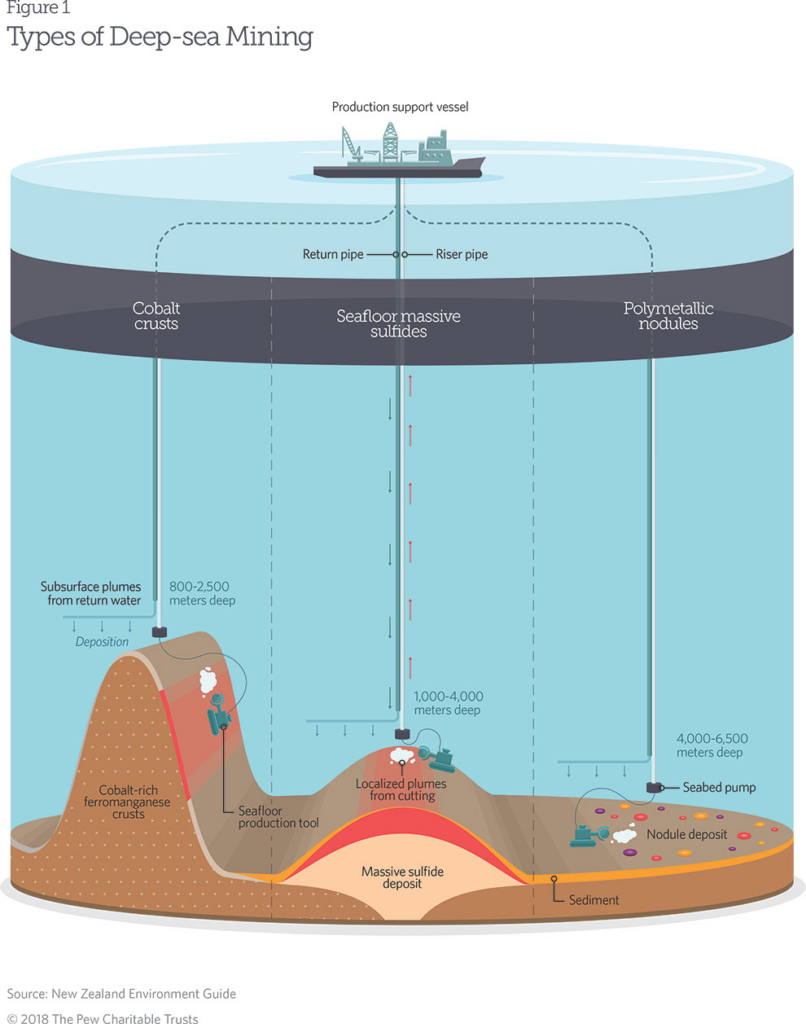
The Clarion-Clipperton Zone (CCZ) is a unique region in the Pacific Ocean, teeming with diverse life forms, many of which remain uncharted. Scientists have cataloged over 4,000 species in this area, with approximately 90% being new to science. This remarkable biodiversity underlines the ecological importance of the CCZ, emphasizing the need for thorough assessments of the effects of deep-sea mining operations. The region’s vast resources, including nickel and cobalt-rich polymetallic nodules, have drawn significant interest, but the ecological costs could far outweigh the benefits.
Exploring this unique marine ecosystem further reveals the intertwined relationships among its inhabitants. The reduction in species diversity observed after mining tests demonstrates potential long-term impacts on ecological stability. Species that are integral to nutrient cycling and sediment health could be lost, leading to unforeseen consequences. The lack of comprehensive knowledge about the CCZ makes it imperative that future mining decisions incorporate thorough environmental assessments to protect this vital aquatic resource.
Short-Term vs. Long-Term Effects of Deep-Sea Mining
The immediate impacts of deep-sea mining are clear, as studies revealed significant reductions in animal populations along mining paths. While some areas near vehicle tracks showed a shift in species dominance, the overall decline in abundance and diversity raises concerning questions about the long-term viability of these ecosystems. It’s crucial to differentiate between short-term disturbances during mining operations and the prolonged ecological effects that may persist long after the machines have left. The subtle changes in species composition can indicate deeper issues that threaten marine biodiversity.
Furthermore, the notion that animal populations might recover after mining activities is precarious, as evidenced by the research findings. There are no guarantees that migratory patterns will return to previous norms, nor that species will maintain their ecological roles after such disturbance. To ensure the resilience of deep-sea ecosystems, mining regulations must weigh initial short-term gains against potentially irreversible long-term consequences, reinforcing the need for a balanced approach in the management of marine resources.
The Role of Marine Scientists in Deep-Sea Exploration
Marine scientists play a vital role in understanding the impacts of deep-sea mining, undertaking extensive research to provide data-driven insights for policymakers. Their studies shed light on intricate relationships within marine ecosystems and the resilience of different species. This research is particularly crucial in places like the Clarion-Clipperton Zone, where rapid geological processes and unique animal adaptations are still being uncovered. By continuously documenting and cataloging marine species, scientists equip stakeholders with the knowledge required to make informed decisions regarding mining activities.
Moreover, the insights gained from marine exploration can influence future mining technologies and practices, enabling safer and more sustainable extraction methods. As the demand for critical minerals grows with the transition to renewable energy technologies, the role of scientists becomes even more essential. Their research can help bridge the gap between economic interests and environmental stewardship, creating a framework for responsible management of deep-sea resources.
Technological Advances in Minimizing Deep-Sea Mining Disruption
Technological innovations are vital in minimizing the disruption caused by deep-sea mining. Companies are exploring methods to reduce habitat destruction while still extracting valuable resources, striving for a balance between industrial needs and ecological preservation. For instance, advancements in remote-controlled vehicles are aimed at allowing more precise mining with minimal disturbance to surrounding habitats. By refining these technologies through research and development, the potential to lessen the environmental footprint of mining activities increases significantly.
However, technological progress must be coupled with rigorous testing and assessments to ensure that these new methods do not inadvertently worsen the degradation of marine ecosystems. Planning and simulations before actual operational deployment are critical components to gauge potential impacts. The science community must collaborate closely with mining firms, regulatory bodies, and environmental advocates to navigate the complexities of deep-sea mining responsibly, ultimately forging a path that prioritizes marine biodiversity.
Regulatory Frameworks Governing Deep-Sea Mining
The regulatory landscape surrounding deep-sea mining remains complex and continually evolving. The International Seabed Authority (ISA) oversees mining activities in international waters, yet the implementation of effective regulations has lagged behind rapid technological advances in extraction methods. With countries like the UK and France advocating for temporary moratoriums on mining, there is a pressing need for competent governance that addresses both ecological risks and economic demands. Such frameworks must balance the necessity for critical minerals against the protection of marine ecosystems.
As discussions regarding deep-sea mining regulations intensify, public awareness and engagement become integral in shaping policies. Stakeholder collaboration—including government, scientists, environmental groups, and the mining sector—will be pivotal in establishing a regulatory framework that promotes sustainable practices. Continuous dialogue and updated regulations will help protect vulnerable marine species and ecosystems while also considering the economic implications of mineral extraction in the face of climate change.
Potential Consequences of Inaction on Deep-Sea Mining Policies
Inaction or delays in establishing robust deep-sea mining policies can lead to dire consequences for marine biodiversity. As demand for minerals rises—driven largely by the transition to greener technology—unregulated mining could hasten the degradation of sensitive ecosystems, such as those found in the Clarion-Clipperton Zone. The potential irreversible loss of species and decline in marine health serve as clear warnings for policymakers to take proactive measures before deeper ecological harm occurs.
Moreover, the failure to implement strict guidelines may hinder scientific communities from acquiring vital research data. As the mining industry expands without sufficient oversight, opportunities to properly study and understand deep-sea ecosystems will decrease. This could compromise future conservation efforts and impede advancements in sustainable practices that are necessary to ensure the health of our oceans. It is critical for stakeholders to recognize these risks and prioritize preventative measures to protect our marine environments.
Public Awareness and the Future of Deep-Sea Mining
Increasing public awareness about the implications of deep-sea mining is crucial in shaping its future. As communities become more informed about the potential impacts on marine ecosystems, they can better advocate for responsible practices and policies. Educational campaigns and collaborations with environmental organizations can amplify the voices of scientists and activists, pushing for a halt to unsustainable mining operations in pristine oceanic areas like the Clarion-Clipperton Zone. Engaging the public effectively can lead to greater accountability and drive meaningful change.
Furthermore, the future of deep-sea mining hinges not only on available technologies and regulations but also on societal values and priorities. With a growing emphasis on sustainability and environmental responsibility among consumers and corporations, mining companies may be compelled to adopt more ethical practices. By fostering a culture of ecological mindfulness, the desire for critical minerals can be met without sacrificing the integrity and health of marine ecosystems, ensuring a balanced future for both industry and the environment.
Frequently Asked Questions
What is deep-sea mining and why is it controversial?
Deep-sea mining involves the extraction of minerals from the ocean floor, particularly in unexplored regions like the Clarion-Clipperton Zone. This practice is controversial due to its significant environmental impacts, notably the reduction of marine biodiversity and potential destruction of seabed ecosystems.
How does deep-sea mining impact seabed life?
Research indicates that deep-sea mining can decrease seabed life dramatically, with studies showing up to a 37% reduction in animal populations within mining areas. The removal of sediment disrupts habitats where most seabed animals reside, leading to harmful effects on marine biodiversity.
What are the environmental effects of deep-sea mining?
The environmental effects of deep-sea mining include habitat destruction, pollution from mining operations, and reduced biodiversity. The clearing of sediments can kill local species and disrupt delicate marine ecosystems, posing risks to the overall health of ocean environments.
How does deep-sea mining affect marine biodiversity in the Clarion-Clipperton Zone?
In the Clarion-Clipperton Zone, deep-sea mining has demonstrated significant impacts on marine biodiversity, with studies reporting a 32% decrease in species diversity following mining tests. This remote area is crucial for many unique species, and mining poses a risk to their survival.
What are critics saying about the testing of deep-sea mining technologies?
Critics argue that current deep-sea mining technologies are too harmful. Studies show significant biodiversity losses even during small-scale tests, suggesting that larger-scale operations could result in catastrophic environmental damage, putting marine ecosystems at further risk.
Is there scientific support for deep-sea mining to help meet demands for critical minerals?
While some industries argue that deep-sea mining is necessary to supply critical minerals for green technologies, many scientists caution against this approach. They emphasize the need for more research to fully understand the implications for marine ecosystems before allowing large-scale extraction.
What is the role of the International Seabed Authority (ISA) regarding deep-sea mining?
The International Seabed Authority (ISA) regulates mining activities in international waters. Currently, the ISA has issued exploration licenses but has not yet sanctioned commercial mining, responding to global calls for caution due to environmental concerns.
What steps are being taken to protect marine ecosystems from deep-sea mining?
Various countries and organizations advocate for protective measures against deep-sea mining. A temporary ban supported by over 37 countries highlights the concern for marine biodiversity, with continuous calls for stricter regulations to safeguard these vulnerable ecosystems.
| Key Points |
|---|
| Deep-sea mining significantly impacts seabed life, with a 37% reduction in animal numbers in mined areas versus untouched areas. |
| Over 4,000 animals were discovered, 90% of which were new species, in the Clarion–Clipperton Zone of the Pacific Ocean. |
| Machines used in mining operations remove the top five centimeters of sediment, leading to habitat destruction for seafloor animals. |
| The study showed a 32% decrease in species diversity in mined areas, indicating potential long-term ecological impacts. |
| Some experts argue that current mining technologies are too destructive for large-scale operations. |
| Concerns about deep-sea mining include environmental risks and the loss of biodiversity in yet-to-be-explored ocean depths. |
| The International Seabed Authority has not sanctioned commercial mining, amid ongoing debates over its environmental impact. |
| Critical minerals from the deep ocean are essential for green technologies, challenging the balance between resource extraction and conservation. |
Summary
Deep-sea mining poses significant threats to marine biodiversity, with recent studies indicating that the process can cause substantial harm to seabed ecosystems. As the demand for critical minerals increases due to the need for renewable energy technologies, the balance between resource extraction and environmental preservation becomes ever more crucial. The ongoing research underscores the urgent need for sustainable practices in deep-sea mining to prevent irrevocable damage to these delicate and largely unexplored ecosystems.