
Listen to this article
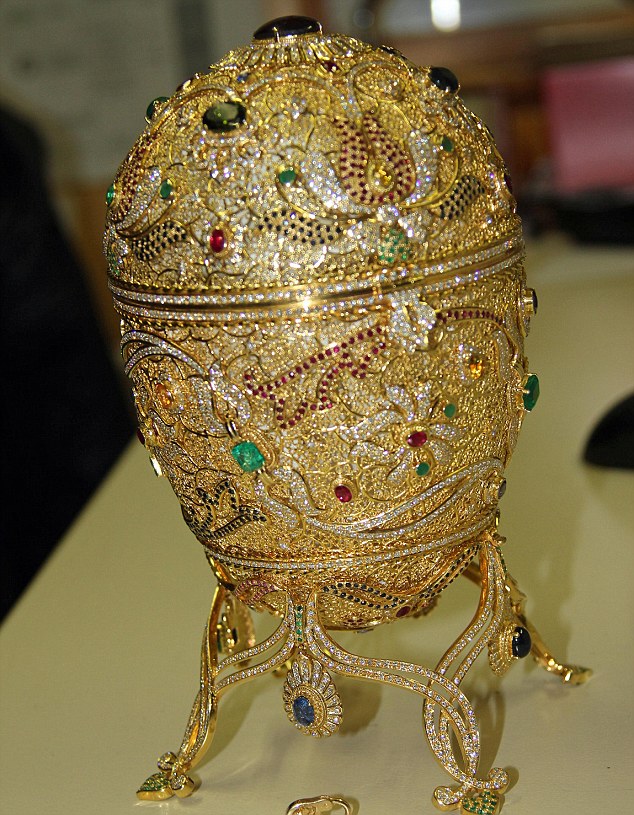
The recent Fabergé egg theft in New Zealand has captured the attention of police and jewel enthusiasts alike. A daring attempt to steal a diamond-studded locket culminated in an unusual twist when the thief ingested the valuable item. Worth NZ$33,585 ($19,300; £14,600), this jewel was once part of the highly coveted Octopussy egg, inspired by the iconic James Bond film. Arrested at Partridge Jewellers in Auckland, the suspect’s bizarre method of concealment has raised eyebrows and questions about the audacity of modern jewellery heists. With authorities closely monitoring the individual and the recovery of the locket deemed “natural,” the story unfolds like a thrilling heist movie right out of a script, showing just how far some will go for a piece of history.
The curious case involving the theft of a Fabergé egg locket highlights a bold and unique jewellery crime that has unfolded in New Zealand. Often associated with opulence and artistry, Fabergé eggs have become synonymous with luxury, making this incident particularly shocking. The locket in question, bearing a striking design that includes a hidden miniature octopus, not only represents a piece of fine craftsmanship but also an audacious attempt at robbery. Following the arrest of a 32-year-old man outside Partridge Jewellers, authorities have had their work cut out, investigating the theft and subsequent recovery of the stolen jewel in a most unconventional manner. As the case unfolds, it reveals a narrative that intertwines the glamour of high-end jewellery with the underbelly of desperate criminal antics.
The Intriguing Tale of the Fabergé Egg Theft
The recent theft of the Fabergé egg has captivated not only the local community in New Zealand but also international audiences due to its unique circumstances. The locket, valued at NZ$33,585, was swallowed by a 32-year-old man shortly after he attempted to steal it from Partridge Jewellers in Auckland. This bizarre act adds a layer of intrigue to an already fascinating narrative about one of the world’s most iconic jewelers. The significance of the theft is amplified by the history of Fabergé eggs, known for their lavish materials and exceptional craftsmanship, making this act not just a simple jewelry heist but a bizarre twist in an epic tale related to luxury and crime.
In addition to the immediate theft, the implications highlight the ongoing challenges of securing high-value items in the luxury jewelry market. The recovery of the diamond-studded locket without medical intervention suggests that, despite the odd methods employed by the thief, some level of oversight was executed by New Zealand police. Their rapid response in apprehending the suspect post-theft further emphasizes the proactive measures law enforcement takes to protect valuable assets and deter similar future incidents.
Moreover, the resemblance to cinematic plots—like the heist depicted in the James Bond film ‘Octopussy’—has not gone unnoticed. Such comparisons underscore the romanticized allure of Fabergé eggs as targets for nefarious activities, enhancing their legendary status. This particular egg, referred to as the “Octopussy egg,” encapsulates both beauty and intrigue, drawing parallels between fictional narratives and the real plight of jewelers in safeguarding their creations from thieves. As stories unfold on the nature of criminal behavior confronting such high-value treasures, the jewel heists of yesterday echo into today’s headlines, challenging the boundaries of security and direct implications against theft.
The Jewel Recovery Process: Insights from New Zealand Police
In the aftermath of the theft from Partridge Jewellers, New Zealand police have shared insights into their recovery process. The authorities revealed that the diamond-studded locket was recovered ‘naturally,’ without the need for medical intervention, showcasing a unique scenario in theft recovery stories. The police have stated their commitment to monitoring the suspect’s health after an unusual chain of events following the act of theft. This careful observation ensures that the logistics of recovery and apprehension are handled with due diligence, respecting the suspect’s rights while maintaining public safety and interest in the case at hand.
As the investigation continues, a fuller picture of the man’s motives and the broader implications of his actions is emerging. The case is a stark reminder of how targeted the jewellery heist world can be, especially against establishments like Partridge Jewellers. Furthermore, the process also encompasses assessing potential psychological or substance-related factors that could explain such rash actions, adding multiple layers to the understanding of criminal behavior associated with high-value items.
Additionally, the involvement of medical personnel in cases like these highlights a growing need for interdisciplinary approaches in handling thefts that cross over into the medical realm, such as swallowing stolen goods. This peculiarity raises further questions about the complexities surrounding thefts in luxury markets, where items like the Fabergé locket are not only valuables but also pieces of artistic and cultural heritage. The prevailing need for strategic management following such an unusual recovery emphasizes proactive measures that jewelers and police must adopt in preparing for and addressing such incidents down the road.
Fabergé: A Testament to Luxury and Craftsmanship
Fabergé is more than just a name—it symbolizes exquisite craftsmanship, luxury, and a rich history that dates back over 200 years. Known for creating ornate egg-shaped masterpieces, the jeweler has captivated art collectors and luxury enthusiasts alike. With each piece meticulously designed and decorated with precious gems and metals, Fabergé remains a continual source of fascination within the world of high-end jewelry. By associating with exclusive retail locations like Partridge Jewellers, they maintain their allure while facing the modern-day challenges posed by theft and imitation in a rapidly changing luxury market.
The recovery of the Octopussy egg, particularly in light of its cinematic inspiration, indicates the lengths to which these storied jewels will go to remain in the public’s imagination. As they inspire new generations of collectors and thieves alike, the stories surrounding these pieces transcend mere aesthetic beauty, blurring the lines between art, history, and criminality.
Moreover, Fabergé’s intricate designs often include elements like the magnificent octopus crafted from 18-carat gold, housed within the locket—a detail that speaks to the brand’s commitment to complexity and luxury. The jewel-making process is not just about assembling precious stones; it’s about storytelling, infusing life into jewels that carry weight beyond their value. Each egg and locket, like the one featured in this heist, tells a story of craftsmanship and culture, solidifying their status as treasures of heritage that transcend generations and slowly navigate their journey through history even amidst attempts at theft.
A Closer Look at the Octopussy Egg’s History
The Octopussy egg’s origins connect deeply to the iconic 1983 James Bond film, which introduced audiences to a thrilling narrative involving jewel heists and espionage. This connection not only prompts intrigue but also imbues the locket with a sense of cinematic legacy that heightens its allure in the real world. The locket’s depiction in the film resonates with fans and collectors, bridging the gap between fiction and reality, leading to a fascination with such treasures that can be seen in pop culture today.
Moreover, the cultural significance of the Octopussy egg extends beyond its physical representation, inviting discussions about luxury branding in films. The way items like the Fabergé egg are portrayed contributes to their mystique and desirability, fostering a market where myth and history coalesce to create an object of both admiration and temptation. Understanding this context can enhance our appreciation for not just the theft but the narrative that surrounds one of the most exquisite pieces ever created.
The egg itself is adorned with precious jewels, including 60 white diamonds and 15 blue sapphires, which signifies the level of craftsmanship that has become synonymous with the Fabergé name. Collectors recognize that ownership of such pieces is not just about financial investment but also about preserving a part of history. Each stolen piece, including the Octopussy egg, encapsulates a tale involving multiple stakeholders—from artisans and collectors to thieves and law enforcement—rendering the entire ecosystem of jewelry as both a craft and a contested space. The recent recovery adds another chapter to this ongoing narrative, serving as a reminder of the allure and peril that accompanies the world of luxury jewelry.
Partridge Jewellers: The Jewel of New Zealand
Partridge Jewellers stands out in New Zealand’s luxury market, providing access to world-renowned brands like Fabergé. Their commitment to quality and exceptional service has established them as a staple in high-end jewelry retailing. Known for curating spectacular collections, any incident involving a theft, such as the recent Fabergé egg heist, not only impacts their reputation but also touches their loyal clientele who appreciate the intricate art of fine jewelry. The incident surrounding the diamond-studded locket has not only shed light on the vulnerability of luxury retailers but has also reinforced the importance of preventative measures in the jewelry industry.
Customer trust in brands like Partridge Jewellers hinges on their ability to offer safety and assurance while maintaining a luxurious shopping experience. With regular training on theft prevention and awareness initiatives, retail employees across similar establishments stay informed on the latest security protocols and customer service strategies necessary to navigate the complex luxury retail landscape. The incident with the Octopussy egg serves as a reminder of the delicate interplay between luxury, safety, and customer experience.
In addition to handling high-value items, Partridge Jewellers plays a crucial role in educating customers about the value and craftsmanship behind such unique pieces as the Fabergé egg. They create an immersive experience focusing on luxury, ensuring that customers not only appreciate the beauty of these items but also understand their significance and history. This educational approach helps to diffuse the potential for theft by cultivating a deeper appreciation for the craftsmanship involved, thereby transforming customers into guardians of the history that these pieces represent.
The Psychological Aspects of Jewelry Heists
The psychological motivations behind jewelry thefts often delve into deeper issues surrounding desire and risk. The bizarre act of swallowing a stolen diamond-studded locket, as seen in the Fabergé egg theft, suggests a complex interplay of compulsion and thrill-seeking behavior exhibited by the suspect. Such incidents provide a unique lens through which to view the interactions of human psychology and the allure of luxury items. Jewelry, particularly items with significant monetary or sentimental value, can act as catalysts for impulsive decisions resulting from desperation or a quest for notoriety.
This psychological aspect is not limited to the perpetrators; it further extends to society’s fascination with thefts of luxurious items. Films and media portrayals often glamorize these acts, leading some individuals to aspire to similar behaviors, viewing theft as a means to acquire what they cannot achieve through traditional paths. Consequently, understanding these psychological dimensions can assist law enforcement in both prevention and apprehension efforts, creating a more comprehensive approach to tackling luxury thefts.
Furthermore, examining the situational factors contributing to thefts reveals underlying societal tensions surrounding wealth and accessibility. In tumultuous economic climates, where disparities are glaring, the act of stealing high-value jewelry can reflect a misguided attempt to capture the wealth and status consigned to an elite class. Each theft, including those targeting prestigious brands like Fabergé, echoes a broader commentary on aspiration versus reality, prompting discussions on wealth distribution and societal expectations. By addressing these psychological and social dimensions, stakeholders within the luxury sector can foster more effective conversations and solutions aimed at redressing the imbalances that often lead to such desperate acts.
Luxury Jewellery Security: Evolving with the Threat Landscape
In response to increasing incidents of theft, luxury jewelry retailers are continuously adapting their security measures to safeguard their collections. With items like the Fabergé egg locket at stake, retailers like Partridge Jewellers are instituting more rigorous monitoring systems and customer screening processes to mitigate risks. This evolution reflects a broader trend across the luxury market where the combination of advanced technology and trained personnel is becoming standard practice to deter theft.
Moreover, the implementation of surveillance systems, alarm technologies, and staff training programs aims to create a security-conscious environment in retail spaces. Retailers are also exploring partnerships with local police forces to enhance their ability to respond to incidents swiftly, thereby reinforcing the protective fabric surrounding their high-value items. As the landscape of jewelry theft evolves, so too must the measures employed to combat it, ensuring that luxury retailers can maintain their reputation and provide customers with a safe shopping experience.
Likewise, education on security protocols extends to the customers as well, informing them of the steps taken to protect their purchases and what precautions they can take themselves. Educating the public about the inherent value and significance of items like the Fabergé egg not only heightens awareness but also fosters a community that looks out for luxury retail spaces. Such initiatives can deter potential thieves who might think twice if they recognize the collective effort being made to protect these treasures.
The Future of Fabergé and Luxury Jewels
As discussions regarding the future of luxury jewelry unfold, Fabergé remains a significant player in the industry. The rich legacy of craftsmanship, combined with modern artistic interpretation, positions Fabergé to maintain its relevance in contemporary markets. Despite challenges such as theft, the brand continues to innovate, creating pieces that resonate with both history and modern elegance. The incident surrounding the recent theft of the Octopussy egg serves not only as a cautionary tale but also as an opportunity for the brand to reinforce its reputation for exquisite quality and heritage craftsmanship.
Additionally, as technology progresses, the luxury market must navigate challenges that include cybersecurity threats to digital collections in addition to physical theft. Brands need to strike a balance between maintaining exclusivity and appealing to a newer audience accustomed to online purchasing. Forming connections through storytelling and developing unique narratives around their creations will continue to attract buyers, allowing cherished brands such as Fabergé to thrive despite the risks associated with high-value items. As retailers learn and adapt, the future of luxury jewelry can remain bright and full of potential.
Frequently Asked Questions
What happened in the Fabergé egg theft involving the Octopussy egg in New Zealand?
In New Zealand, police arrested a 32-year-old man for stealing a diamond-studded locket, known as the Octopussy egg, from Partridge Jewellers. The man attempted to consume the locket, which is valued at NZ$33,585, leading to it being recovered in a ‘natural’ manner without medical intervention.
How is the Octopussy egg connected to the Fabergé egg theft in New Zealand?
The Octopussy egg, inspired by a James Bond film, was the central artifact in the Fabergé egg theft incident in New Zealand. The egg locket, adorned with 60 diamonds and 15 sapphires, was stolen by a man from Partridge Jewellers, who then attempted to swallow it.
What are the details of the stolen diamond-studded locket in the Fabergé egg theft?
The stolen diamond-studded locket from the Fabergé egg theft is valued at NZ$33,585 and features an 18-carat gold miniature octopus. It was retrieved after the suspect ingested it during the theft attempt at Partridge Jewellers.
What charges has the suspect faced after the Fabergé egg theft incident?
Following the Fabergé egg theft incident at Partridge Jewellers, the suspect, a 32-year-old male, has been charged with theft. Additionally, he was charged for allegedly stealing an iPad and other items from different locations before the locket incident.
What precautions did New Zealand police take regarding the suspect involved in the Fabergé egg theft?
In light of the Fabergé egg theft, New Zealand police have implemented monitoring measures for the suspect, ensuring he receives continual care and assessment after he ingested a valuable locket during the heist.
What is the historical significance of Fabergé eggs in relation to the theft cases?
Fabergé eggs are historically significant treasures, famously created by the Russian jeweller Peter Carl Fabergé, known for their intricate designs and use of precious materials. The Octopussy egg involved in the New Zealand theft highlights the lore surrounding these valuable artifacts, often celebrated in popular culture.
Will the stolen Octopussy egg locket be returned after its recovery?
Yes, after its recovery from the suspect involved in the Fabergé egg theft, the diamond-studded locket will be returned to Fabergé, as confirmed by Partridge Jewellers and reported by Radio NZ.
| Key Point | Details |
|---|---|
| Incident Overview | A New Zealand man attempted to steal a Fabergé egg locket by swallowing it. |
| Value of the Locket | The locket is valued at NZ$33,585 (approximately $19,300; £14,600). |
| Recovery Method | The police stated that the locket was recovered in a ‘natural’ manner without medical intervention. |
| Arrest Details | The suspect, a 32-year-old man, was arrested shortly after the incident at Partridge Jewellers in Auckland. |
| Composition of the Locket | The locket features 60 white diamonds and 15 blue sapphires and opens to reveal an 18-carat gold miniature octopus. |
| Connection to James Bond | The locket is named the ‘Octopussy egg’ after the 1983 James Bond film about a Fabergé egg heist. |
| Further Charges Against the Suspect | In addition to the theft of the locket, he has also been charged with stealing an iPad and products worth NZ$100. |
| Next Court Appearance | The suspect is scheduled to appear in court again on 8 December. |
Summary
The Fabergé egg theft incident highlights an unusual case of attempted theft involving a man from New Zealand who ingested a diamond-studded locket. With the locket’s significant value and unique design further emphasizing its importance, the story brings attention to the complexities surrounding art theft and the lengths some individuals will go to for valuable items. This incident not only resulted in criminal charges but also captivated the public’s interest due to its bizarre nature and connection to the world-renowned Fabergé brand.

