Listen to this article
The recent Hong Kong fire arrest of university student Miles Kwan has ignited a significant public outcry following a catastrophic blaze in Tai Po that claimed over 159 lives. Kwan’s attempt to rally support with a petition aimed at urging Hong Kong authorities to provide transparency and accountability was met with his arrest by national security police, raising questions about the government’s handling of dissent. This incident has triggered a wave of anger among residents who are demanding answers regarding the safety protocols that led to such a devastating loss of life. As the community mourns, the pro-Beijing authorities caution against actions they perceive as threats to national security, further complicating the already tense atmosphere. The unfolding events reflect a critical juncture for Hong Kong, where expressions of grief are becoming entangled with fears of state repression.
In the wake of a tragic fire incident in Hong Kong, the arrest of Miles Kwan has become a focal point of public discussion and contradicts the notion of open dialogue in times of crisis. The intense outrage from residents following the Tai Po fire highlights a broader concern within the region about governmental accountability and citizen rights. Kwan’s efforts to encourage discourse on safety measures and governance have been stifled, signaling a troubling trend where civic engagement is interpreted as a challenge to authority. As tensions rise, the national security police’s involvement raises concerns about the implications for future protests and the civic atmosphere in Hong Kong. Amidst these developments, many citizens are left questioning the balance between maintaining order and upholding the right to free expression.
Public Reaction to the Tai Po Fire Incident
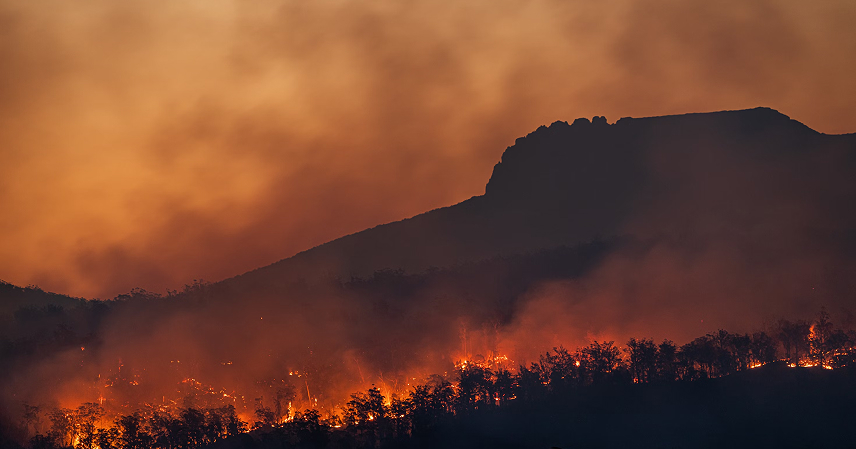
The tragic Tai Po fire has ignited widespread public outrage across Hong Kong, as the community grapples with the heavy loss of life and the implications of such a catastrophic event. In just a week, the fire claimed the lives of 159 individuals, leaving thousands of residents displaced and shaken to their core. This incident has thrust individual experiences into the national spotlight, prompting public debate over safety regulations and governmental accountability that many believe should be addressed urgently. As the story unfolds, questions regarding the rapid spread of the fire and potential negligence linger, highlighting the community’s desperate longing for answers.
Public discontent was further compounded by the arrest of Miles Kwan, a university student who mobilized a petition seeking accountability from the Hong Kong authorities. His demand for transparency resonated with many, gathering over 10,000 signatures within a day until it was taken down. The circumstances surrounding Kwan’s arrest raised eyebrows among residents, many viewing it as an attempt to suppress legitimate inquiries into a tragedy that deeply impacts the community. The conversations on social media reflect a collective drive for justice and reforms to ensure such disasters do not recur.
Hong Kong Authorities Amidst Growing Public Anger
In the wake of the Tai Po fire, there has been significant backlash against Hong Kong’s authorities as they navigate a storm of public anger following the tragedy. Despite the government’s assertions of maintaining the rule of law, critics see their actions, including the arrests connected to the incident, as further evidence of an administration that prioritizes regime stability over public safety concerns. Authorities have cited national security as a reason for the arrest of individuals like Kwan, but many view this narrative with skepticism, hoping instead that their voices and pleas for change will result in meaningful action.
The government’s reaction has led many to question their intentions, especially given the speed with which arrests were made immediately after the fire. Pro-Beijing representatives claim these measures are necessary to prevent unrest reminiscent of the 2019 protests. However, residents argue that true justice is at stake and demand accountability from officials who may have contributed to the circumstances leading to the fire. As people call for reassurance from their leaders, the tension continues to build, fueling critical discourse within the community.
The Role of National Security in Public Discourse
The notion of national security has loomed large in the discussions surrounding the Tai Po fire and subsequent arrests, with authorities claiming a need to safeguard against potential civil unrest. The connection between Kwan’s petition and allegations of sedition illustrates how sensitive the Hong Kong government has become in handling dissenting voices, particularly in light of their recent legislative changes. As leaders label certain expressions of public concern as incitement, they inadvertently amplify the existing frustrations felt by citizens who merely seek truth and accountability.
This politicization of tragedy highlights a profound shift in how expressions of grief and anger are managed in Hong Kong. Some residents perceive these moves as suppressive tactics reminiscent of the tactics employed during the 2019 protests, leading to a brewing crisis of trust between the authorities and the populace. In this environment, constructive dialogue seems increasingly difficult, as local citizens fear being labeled as provocateurs merely for questioning the government’s response to an event that clearly demands scrutiny.
Miles Kwan’s Petition and its Implications
Miles Kwan’s petition, designed to elucidate the issues surrounding the Tai Po fire, quickly garnered significant attention and support before being removed by the Hong Kong government. Containing demands that mirrored the passionate calls for justice from 2019’s protests, Kwan’s approach sparked both admiration and criticism. Activists view his endeavor as an essential step in advocating for victims’ families, while government officials dismiss it as a potential incitement to unrest. The swift action against his petition hints at increasing government intolerance for public dissent.
Kwan’s arrest ignited a discussion about citizens’ rights to free expression, particularly regarding accountability from officials. This event has been marked by a call for community solidarity, with many Hongkongers rallying behind Kwan’s demands. They advocate for a thorough investigation into government accountability regarding the fire incident, needing clarity on how similar tragedies can be prevented in the future. The stark contrast between governmental responses and public sentiment continues to fuel the debate on the effectiveness of governance in times of crisis.
Calls for Reform After Tai Po Fire
As grief envelops the community, the Tai Po fire has unveiled critical areas in Hong Kong’s structural safety measures that require immediate reform. Following the fiery incident, community leaders and concerned citizens alike are bringing attention to the maintenance protocols of older residential buildings and the responsibilities of officials overseeing such standards. Promised by Chief Executive John Lee, reforms must ensure that similar disasters will not repeat themselves, granting a renewed sense of hope to the public who are determined to seek clarity from their leaders.
The urgency for reform is palpable among the affected, with many arguing that governmental oversight must prioritize public safety over political concerns. Displacement of community-led initiatives in favor of governmental schemes has raised alarm about potential ineffectiveness in delivering aid and transparency in processes. Advocacy for reform and comprehensive support for victims persists amid the contrasting governmental rhetoric, further emphasizing the disparity between public needs and administrative action.
Implications of Arrests for Hong Kong’s Political Climate
The arrest of individuals in connection with the Tai Po fire underscores a worrisome trend within Hong Kong’s political climate, where public outcries risk being met with swift punitive actions. With authorities charged with maintaining control, these incidents evoke memories of the heightened political tensions following the 2019 protests. The government’s labeling of dissent as a threat to national security signals a broader crackdown on freedoms of expression, which only amplifies the concerns among residents about their rights and the stability of civic space within the city.
As citizens continue to react to the arrests and the government’s governance style, a wave of critical dialogue has emerged on social media platforms. This debate is crucial to understand the shifting dynamics within Hong Kong’s society as people grapple with the ramifications of such heavy-handed approaches to dissent. A desire for acknowledgment and engagement from the leadership in the face of tragedy reveals a populace seeking not just answers but genuine reform in how future emergencies will be handled, both legislatively and publicly.
The Role of Community in Times of Crisis
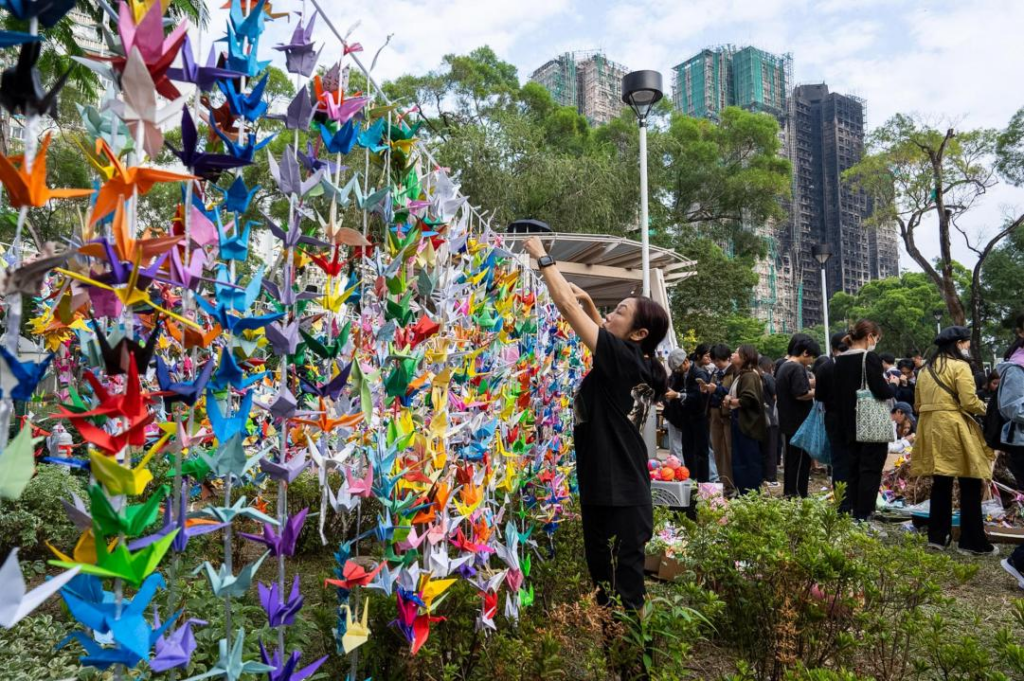
In the aftermath of the Tai Po fire incident, the significance of community initiatives has come to the forefront as residents rally to support the victims and hold authorities accountable. Numerous grassroots organizations have emerged, pushing back against the government’s narrative and advocating for relief measures that adequately address the crisis. The willingness of Hongkongers to collectively provide aid highlights the strength of community ties that can emerge in the face of tragedy, fostering a sense of solidarity that transcends individual political affiliations.
These community-led efforts serve as a powerful reminder that amidst systems of governance, ordinary citizens remain integral to the healing process after disasters. Activists argue that such collaborations are crucial to ensuring not just immediate relief but also long-term changes to policies, advocating for the inclusive engagement of all Hong Kongers in shaping the future. The resilience shown by these communities in the face of adversity signals hope that effective dialogue may pave the way for substantive reforms and improved governmental accountability.
Government Accountability: A Call for Transparency
In light of the devastating Tai Po fire, the call for transparency and accountability from the Hong Kong government has never been more crucial. With numerous questions swirling regarding the fire’s rapid spread and its management, residents expect clear answers from officials who hold the public’s trust. The government’s commitment to investigate the incident is vital for restoring confidence; however, such promises have often been met with skepticism amid continuing concerns about transparency and openness to critique.
For citizens, the path toward accountability entails not just promises but actionable reforms that tangibly address safety and regulatory shortcomings. The relationship between the authorities and the community must be re-examined to prioritize open communication and responsive governance. The ramifications of the Tai Po fire will likely resonate for years to come, prompting much-needed reflection on how the government engages with the public and ensures that tragic events will yield the critical changes necessary for Hong Kong’s future.
Frequently Asked Questions
What happened during the Tai Po fire incident in Hong Kong?
The Tai Po fire occurred last week in a densely populated housing estate, resulting in the tragic loss of at least 159 lives and displacing thousands of residents. This incident has raised significant public concern about safety regulations and the accountability of Hong Kong authorities.
Why was Miles Kwan arrested by Hong Kong national security police after his fire petition?
Miles Kwan was arrested on suspicion of sedition after launching a petition demanding accountability from Hong Kong authorities regarding the Tai Po fire. His petition garnered over 10,000 signatures in just a day, sparking controversy and public debate over the handling of the disaster and the role of national security police.
How are Hong Kong authorities addressing public anger following the Tai Po fire?
In response to the public anger sparked by the Tai Po fire, Hong Kong authorities, led by Chief Executive John Lee, have pledged to investigate the incident. They announced plans to form an independent committee to look into the fire and the surrounding circumstances, alongside providing financial aid and temporary accommodation to the victims.
What are the implications of the Tai Po fire on Hong Kong’s national security laws?
The implications of the Tai Po fire on national security laws are significant, as the Hong Kong government has warned against exploiting the tragedy to undermine national security. Authorities have taken a hard stance, with national security police closely monitoring public reactions and actions related to the incident.
What demands did Miles Kwan’s petition include regarding the Tai Po fire?
Miles Kwan’s petition included demands for greater accountability and transparency from Hong Kong authorities regarding the Tai Po fire, echoing the protests of 2019. Topics of concern in the petition relate to the rapid spread of the fire, possible negligence by officials, and ensuring safety measures are put in place to prevent future tragedies.
How has the public reacted to the arrest of Miles Kwan in relation to the Tai Po fire?
Public reaction to the arrest of Miles Kwan has been largely negative, with many viewing it as an overreach by the authorities. Critics argue that demanding answers about the Tai Po fire should be viewed as a legitimate expression of concern rather than sedition, reflecting the growing discontent towards the current government’s handling of such crises.
What role do Hong Kong lawmakers play in the aftermath of the Tai Po fire?
Hong Kong lawmakers have varied responses regarding the aftermath of the Tai Po fire. Some defend the government’s actions, while others call for stronger accountability measures. Legislative Council members are urging emergency debates on disaster relief efforts, indicating a demand for more governmental transparency and action following the tragedy.
Have there been any arrests related to the construction practices highlighted in the Tai Po fire?
Yes, following the investigation into the Tai Po fire, authorities have arrested several individuals, including construction firm bosses and staff, on suspicion of manslaughter. These arrests highlight concerns over unsafe construction practices, particularly regarding fire safety standards.
What are the next steps for Hong Kong in relation to the Tai Po fire investigation?
Next steps for Hong Kong include establishing an independent committee to investigate the Tai Po fire, reviewing building regulations, and implementing reforms to prevent similar disasters in the future. The government has also committed to providing support for the victims of the fire through financial aid and temporary housing.
How has the Tai Po fire impacted public sentiment towards Hong Kong authorities?
The Tai Po fire has significantly impacted public sentiment towards Hong Kong authorities, instigating a wave of grief and anger. Many residents feel that the government’s response has been inadequate and are demanding accountability, especially in light of past incidents and concerns over freedom of expression.
| Key Points |
|---|
| Miles Kwan’s petition for answers post-Tai Po fire led to his arrest by national security police. |
| The Tai Po fire resulted in at least 159 deaths and widespread public outcry. |
| Authorities warned against exploiting the fire to threaten national security. |
| Kwan’s petition garnered over 10,000 signatures quickly before being removed. |
| Government is forming an independent committee to investigate the fire. |
| 15 people arrested on suspicion of manslaughter related to the accident. |
| Social media reactions show discontent towards government reaction to the disaster. |
| No government officials have been arrested or resigned following the incident. |
| The government emphasizes the need for reform to prevent future tragedies. |
Summary
The Hong Kong fire arrest of Miles Kwan has ignited a significant public debate regarding the government’s handling of the devastating Tai Po fire. This incident highlights the tension between public outcry for accountability and the authorities’ response focused on maintaining national security. Despite the authorities’ assurances of reform and investigation into the fire, the arrest raises questions on the limits of free speech and legitimate expressions of grief and anger in such tragic circumstances.