
Listen to this article
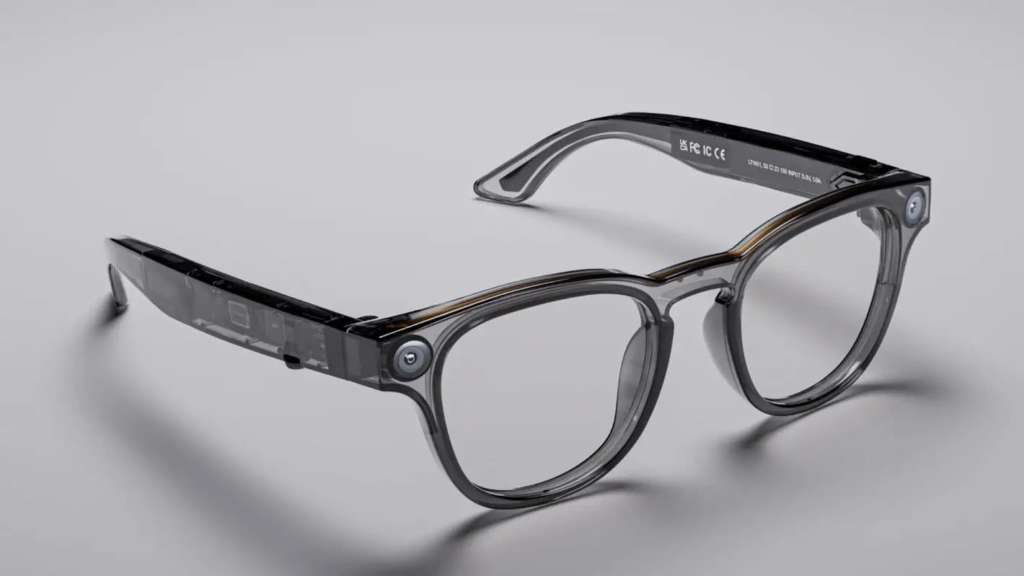
AI glasses are pioneering a new era of wearable technology, seamlessly integrating artificial intelligence into everyday life. As Meta reallocates some of its investments from the metaverse, these innovative smart glasses emerge as a focal point for the tech giant, reflecting a growing demand for advanced gadgets that enhance user experience. Recent advancements, such as embedded displays that can describe surroundings and translate text, highlight the potential of AI glasses to revolutionize how we perceive the world. With the metaverse still in its developmental stages, Meta’s shift signals a strategic embrace of augmented reality capabilities that resonate with consumers. This pivot towards AI glasses illustrates a promising future where wearable technology and artificial intelligence converge, capturing the interest of investors and tech enthusiasts alike.
Artificial intelligence eyewear is rapidly gaining traction as a game-changing component in contemporary technology. As Meta intensifies its focus on these smart devices, it strives to redefine user interaction through augmented reality features and intelligent functionality. The transition from expansive metaverse aspirations to tangible wearable technology underscores a significant shift in the industry’s trajectory. With innovations that allow users to engage with their environment in real-time, these AI-enabled spectacles represent not only a leap in AI development but also a strong competitor in the growing market of smart glasses. By embracing this cutting-edge technology, companies are poised to carve out their niche in an increasingly interconnected digital landscape.
Meta’s Shift from Metaverse to AI Glasses
Meta’s recent announcement to pivot from metaverse investments towards AI glasses marks a significant shift in strategy for the tech giant. As the company reallocates resources, it aims to tap into the rapidly growing interest in wearable technology and artificial intelligence. The move aligns with global trends where smart glasses are not only becoming more mainstream but also offer functionalities that address real-world needs. Investors have responded positively to this news, as it indicates a more pragmatic approach by Meta in leveraging its technological strengths in AI. The company’s spokesperson has highlighted that this transition is aimed at harnessing the initial advantages Meta has in developing AI-enabled glasses, which feature innovative characteristics such as real-time translation and environmental description capabilities.
This focus on AI glasses is imperative for Meta, especially in light of the mixed reception that the metaverse has received. While Meta has invested heavily in building its metaverse platform, the skepticism surrounding its viability has weighed on investor confidence. The decision to cut metaverse investment by up to 30% signals Meta’s acknowledgment of this challenge and its willingness to pivot towards technologies that have immediate applications and market demand. As they channel funds into enhancing their smart glasses, Meta aims to compete in a burgeoning market where wearable technology holds promise for a variety of applications, from personal productivity to augmented reality solutions.
The Rise of Smart Glasses and Wearable Technology
Smart glasses and wearable technology have seen a surge in consumer interest, spurred by advancements in artificial intelligence and augmented reality. As companies like Meta invest in these innovative products, the potential applications continue to expand. Recent developments in AI have led to smart glasses that offer features such as easy navigation, interaction with digital environments, and enhanced information delivery right in front of the user’s eyes. This evolution in technology not only caters to tech-savvy consumers but also opens doors for enterprises seeking solutions for training, remote assistance, and hands-free functionalities.
The competitive landscape for smart glasses is shifting rapidly, with major players worldwide racing to bring their versions to market. Companies from various regions, especially in Asia, are exploring unique functionalities and design innovations that could capture consumer interest. This competition drives further innovation, which is vital for growth within the sector. With Meta’s expertise in developing large AI models, their new smart glasses position the company well within this emerging market, empowering users in their daily lives and enabling greater interaction with the digital world.
Integrating AI with Wearable Technology
The integration of artificial intelligence with wearable technology is an area being explored by various tech companies, including Meta. These AI-enabled devices utilize machine learning algorithms to enhance user experience, making them not just functional but also intuitive. For instance, the recent AI glasses developed by Meta incorporate features that allow them to describe surroundings or translate foreign text seamlessly. This functionality exemplifies how AI can greatly enhance the practicality of wearable technology, providing immediate value to users, whether they’re navigating a city or communicating in another language.
Furthermore, as artificial intelligence continues to advance, so too does the potential for smart glasses to serve as essential tools across diverse fields. In sectors like healthcare, education, and services, wearable tech integrated with AI can revolutionize workflows and improve efficiency. For Meta, this not only strengthens their position in the technology market but also highlights their adaptability to evolving consumer demands. The company’s commitment to embedding AI deeply into its product offerings is poised to redefine user interactions and expand the scope of what wearable technology can achieve.
Challenges in Transitioning from Metaverse Investments
While the transition from metaverse investments to AI glasses represents a strategic pivot for Meta, it is not without its challenges. The company has invested billions into its metaverse vision, and this new direction may draw scrutiny from stakeholders who have high expectations regarding the returns on prior investments. Ensuring a smooth transition involves not only managing financial reallocations but also addressing any potential morale issues within the organization, especially among teams that have been dedicated to metaverse projects.
Moreover, convincing investors of the viability and profitability of smart glasses over the long term is crucial. Meta’s competitors are also focusing heavily on this technology, leading to an increasingly crowded market. To succeed, Meta needs to clearly communicate the unique benefits of its AI glasses while delivering on its promises. The path ahead requires not just technical innovation but also strategic marketing to educate consumers on the value of these new devices in everyday life.
Building Consumer Confidence in New Technologies
As Meta launches its AI glasses, building consumer confidence in new technologies becomes paramount. In a landscape where wearables have often faced skepticism, Meta’s challenge is to convince users that these devices offer tangible benefits that enhance their daily routines. Effective marketing strategies that showcase real-world applications can help demystify the technology and highlight its utility. Demonstrations of the glasses in practical situations, such as live translations or displaying navigational information, can attract interest and foster trust in potential users.
Additionally, addressing privacy concerns associated with wearable technology is essential in gaining consumer acceptance. By implementing robust privacy features and ensuring transparent policies regarding data usage, Meta can further solidify its reputation as a trustworthy brand. As consumers look for smart glasses that improve their lives without compromising their safety and privacy, having a clear stance on these issues will be vital to Meta’s success in this competitive market.
The Future of Wearable Technology in the Metaverse Era
The future of wearable technology, particularly in the context of the metaverse, holds promising potential. As Meta channels its investments into AI glasses, these devices are likely to play a crucial role in bridging the gap between the physical and digital worlds. By enhancing the experience in the metaverse with tools that users can access seamlessly, smart glasses could become essential for user engagement across virtual platforms. This integration stands to create increasingly immersive environments that draw users into the metaverse while leveraging the convenience of portability and design.
Moreover, the concept of the metaverse itself continues to evolve, opening up new avenues for collaboration and creativity. As more consumers adopt wearable technology, Meta can refine its approach to creating virtual experiences that resonate with users’ real-world needs. This innovation will not only support growing user communities but also encourage further exploration of what the metaverse can offer. In this dynamic environment, the successful implementation of AI-powered wearables will determine how effectively companies engage with their audience, shaping the future of both the metaverse and wearable technology.
Investing in the Future of AI Glasses
Investing in the future of AI glasses is a strategic move that showcases Meta’s understanding of current market trends. As the demand for artificial intelligence capabilities continues to surge, the company is poised to leverage its technological prowess to cement its position within the wearable technology landscape. The development of AI glasses allows Meta to innovate in ways that enhance user interactions and functionalities, powering everything from navigation to social engagement through streamlined, hands-free experiences.
Utilizing robust artificial intelligence systems, Meta’s upcoming smart glasses can be equipped to handle multiple tasks with ease, differentiating themselves from existing products in the market. This level of sophistication could redefine user expectations for wearable technology. As competitors rush to catch up, the wise investment in AI glasses and the commitment to continuous innovation will be critical for Meta. This will not only fulfill immediate consumer needs but also lay the groundwork for long-term sustainability in a rapidly evolving tech landscape.
The Impact of AI on Smart Glasses Development
The impact of artificial intelligence on the development of smart glasses is profound, influencing design choices and functionality. AI enables these glasses to deliver a user-friendly experience, incorporating voice recognition, data processing, and real-time information delivery. As Meta enhances its product offerings through AI innovations, users can experience improved capabilities such as facial recognition and contextual awareness, making smart glasses a powerful tool for both daily tasks and immersive experiences.
Furthermore, AI’s role in shaping interactions with wearable technology cannot be overstated. By enabling smart glasses to understand and respond to user commands contextually, they transform from a simple display device into an intelligent companion. This evolution supports Meta’s goal of creating more integrated and engaging technology. With AI’s ability to analyze user behavior, companies can expect to push the boundaries of what is possible, ensuring that smart glasses remain at the forefront of wearables in the era of the metaverse.
Frequently Asked Questions
What are AI glasses and how do they work?
AI glasses are a type of wearable technology that integrate artificial intelligence to enhance user experience. They often feature smart displays embedded in the lenses, allowing for functionalities like real-time translation, navigation assistance, and context-aware information delivery.
How is Meta investing in AI glasses compared to the metaverse?
Meta is shifting its investments from the metaverse to AI glasses, reallocating resources to take advantage of the growing interest in wearable technology. This strategic pivot follows challenges in convincing investors about the viability of the metaverse.
What features do Meta’s latest smart glasses offer?
Meta’s latest smart glasses, released in September, offer advanced features such as a small display within the lenses that can describe surroundings and translate text, providing significant utility and enhancing the technology’s compact design.
Why is there a rise in demand for AI glasses?
The demand for AI glasses is increasing due to advancements in artificial intelligence that drive their functionality and practicality. Users are attracted to features that support augmented reality and intelligent interaction in daily tasks.
How do AI glasses fit into the concept of the metaverse?
While AI glasses are a distinct category of wearable technology, they can enhance the metaverse experience by providing users with real-time, immersive information and context, bridging the gap between physical and virtual realities.
What competitive landscape is developing around AI glasses and wearable technology?
The market for AI glasses and wearable technology is becoming increasingly competitive, with various players, including companies from China, vying to develop innovative smart glasses that leverage artificial intelligence for enhanced functionality.
What impact does Meta’s focus on AI glasses have on investor confidence?
By pivoting towards AI glasses, Meta aims to bolster investor confidence as the demand for artificial intelligence technologies surges, positioning itself to capitalize on this trend while alleviating concerns about prior metaverse investments.
How do AI glasses enhance user experiences in comparison to traditional devices?
AI glasses enhance user experiences by providing hands-free access to information, context-aware features, and seamless integration with everyday activities, distinguishing them from traditional devices that require manual interaction.
What are the potential future trends for AI glasses in wearable technology?
Future trends for AI glasses may include smarter integration with virtual and augmented reality, enhanced connectivity with other devices, and continued advancements in artificial intelligence, resulting in more intuitive and interactive user experiences.
How do AI glasses maintain relevance in a rapidly evolving tech market?
AI glasses remain relevant by continually evolving to incorporate new features driven by advancements in artificial intelligence and addressing user needs, thereby competing effectively against traditional technology and other wearables.
| Key Point | Details |
|---|---|
| Investment Shift | Meta is reallocating investments from the metaverse to AI glasses and wearables. |
| Reduction in Metaverse Funding | Investments in the metaverse will be cut by up to 30% following challenges in convincing investors. |
| Share Price Reaction | Following the announcement, Meta’s shares rose by more than 3.4%. |
| Historical Context | Meta was formed as a rebrand of Facebook to focus on the metaverse. |
| Innovation in AI Glasses | New AI-enabled glasses feature a display that can provide descriptions of surroundings and translate text. |
| Competition | Many companies, including competitors from China, are entering the smart glasses market. |
| Investor Skepticism | There is skepticism about the demand for metaverse technology and VR headsets among investors. |
| Focus on AI Development | Meta is now focusing on AI models and the integration of AI into devices. |
Summary
AI glasses represent a significant advancement in wearable technology and are becoming the new focus for Meta. After re-evaluating its investment strategy, Meta has decided to shift its resources from the metaverse to develop innovative AI glasses, which incorporate features such as real-time translation and environmental description. This strategic pivot comes in light of rising investor skepticism about the metaverse’s long-term viability. As competition increases in the AI glasses market, Meta’s initial lead in this sector positions it favorably for future success.

