Listen to this article
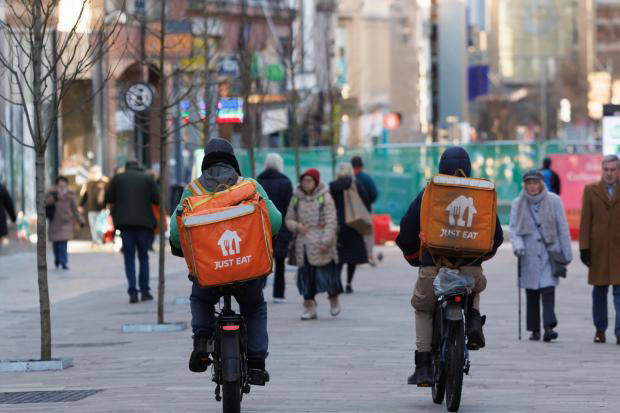
Illegal work in the UK delivery sector has become a pressing concern, as recent government crackdowns reveal the severity of the issue. Over 60 takeaway delivery riders have been identified and are now facing deportation, highlighting the risks associated with unauthorized employment in this growing gig economy. The Home Office’s enforcement strategies, including the controversial Border Security Bill, are designed to eliminate these unlawful practices that undermine fair work conditions for legal workers. As part of this effort, officials have urged food delivery companies to enhance identity verification measures, aiming to deter illegal work and preserve the integrity of the delivery industry. With such measures in place, the message is clear: the UK is tightening its grip on illegal work activities to foster a lawful and efficient delivery sector.
In recent discussions surrounding unauthorized employment in the UK’s food delivery realm, a range of pivotal topics have emerged. The government’s initiative to address unlawful gigs, particularly among delivery drivers, reflects a growing vigilance towards ensuring compliance in this sector. Known colloquially as the gig workforce, these delivery riders operate under a system that often leaves them vulnerable to exploitation and legal repercussions. Efforts have intensified, especially following revelations about the sharing of credentials that allow individuals to bypass work regulations. New legislative frameworks now aim to introduce stricter right-to-work checks within this specific labor market, reshaping the landscape for delivery service providers and their workforce.
The Rise of Illegal Work in the UK Delivery Sector
The UK delivery sector has experienced significant growth in recent years, fueled by the gig economy’s rise. However, this expansion has not come without its challenges, including a growing number of illegal workers. The recent crackdown by the Home Office, which led to the arrest of 171 delivery riders, highlights a concerted effort to address illegal work within this sector. The government’s actions serve as a reminder of the importance of compliance with immigration laws and regulations among riders, particularly those who are part of the gig economy.
Illegal work within the UK delivery sector is not just about economic exploitation; it also poses potential risks to public safety and the integrity of the labor market. The Border Security Minister’s statements emphasize the need for stricter enforcement measures, such as facial recognition technology, to ensure that only authorized individuals are allowed to work. With laws evolving to meet the demands of the gig economy, it is crucial for delivery companies to remain vigilant and proactive in preventing illegal work practices that can undermine the legitimacy of the industry.
Government Initiatives to Combat Illegal Work in the Gig Economy
The Home Office’s recent illegal work crackdown is part of a broader governmental initiative aimed at enforcing immigration laws within the gig economy. This enforcement includes not only the deportation of illegal workers but also proactive measures to prevent future violations. The implementation of new regulations through the Border Security, Asylum and Immigration Bill is expected to tighten right-to-work checks, ensuring that companies like Deliveroo, Just Eat, and Uber Eats comply with the law. These changes reflect a strategic approach to uphold the integrity of the labor market and protect legal workers from unfair competition.
In addition to legislative changes, the government has engaged food delivery companies to cooperate in monitoring and preventing illegal work activities. By sharing information about hotspots where illegal work is prevalent, the Home Office aims to equip these businesses with the resources needed to ensure compliance with immigration laws. This partnership is critical in fostering a responsible delivery sector, where gig economy workers can operate legally and ethically, contributing positively to the UK’s economy.
Impact of Home Office Policies on Delivery Riders
The enforcement policies introduced by the Home Office have significant implications for delivery riders in the UK. For many individuals, especially those seeking asylum, the risk of deportation looms large under the current legal system. As the crackdown on illegal work intensifies, some riders may find themselves in precarious positions, having to reconsider their employment options within the gig economy. This situation not only stresses the importance of legal compliance but also highlights the vulnerabilities faced by marginalized individuals attempting to work in a rapidly evolving job market.
Moreover, the government’s focus on deportation and removal of illegal workers raises concerns among advocates and charities about the treatment of asylum seekers. Many argue that the inability to work legally for the first 12 months in the UK places unjust restrictions on those seeking refuge. The recent proposals aimed at mandating volunteering for asylum seekers to gain permanent status have sparked backlash, as many see this as a form of exploitation. Therefore, it is imperative to find a balance between enforcing immigration laws and ensuring fair treatment for all individuals within the UK delivery sector.
Facial Recognition Technology and Its Role
The implementation of facial recognition technology in the UK delivery sector marks a significant advancement in efforts to prevent illegal work. This technology has been adopted by prominent delivery companies to match riders to their account details, creating a deterrent against unauthorized work practices. Home Office officials believe that these measures will enhance compliance and reduce the instances of illegal workers operating within delivery networks. As companies invest in such technology, the onus is on them to ensure that it is used ethically and responsibly.
Critics of facial recognition technology point to privacy concerns and the potential for discrimination against certain demographics. As the government rolls out these initiatives to combat illegal work, it is essential that they consider the implications for privacy rights and the personal data of riders. Striking a balance between enforcement and civil liberties will be critical in garnering public support for these measures, ensuring that efforts to combat illegal work do not infringe upon the rights of legitimate workers within the gig economy.
The Response from Delivery Companies
In response to the Home Office’s crackdown on illegal work, delivery companies have publicly committed to enhancing their systems to prevent unauthorized workers from operating under their banners. Firms such as Deliveroo, Just Eat, and Uber Eats have reported an increase in random checks and the use of advanced technology to verify the identities of their riders. This proactive approach not only aids in compliance with government regulations but also reassures customers about the legitimacy of their services.
However, the challenge remains in balancing efficiency and strict compliance while ensuring fair labor practices for gig workers. Companies must navigate the fine line between enforcing regulations and potentially alienating lawful riders who may feel scrutinized due to the actions of a few. Continuous engagement with stakeholders, including workers’ rights groups, will be crucial in fostering a fair and sustainable environment for all individuals operating within the UK delivery sector.
The Legality of Asylum Seekers Working
The legal framework surrounding asylum seekers working in the UK presents a complex landscape filled with regulations that can lead to confusion among those affected. Asylum seekers are currently prohibited from undertaking paid work for the first 12 months while their applications are processed. This restriction creates a significant challenge for many, as they often face financial hardships during this waiting period. The Home Office has acknowledged the issues surrounding illegal work that arises from this policy, particularly with reports of unauthorized sharing of work accounts among asylum seekers.
The introduction of new legislation, such as the Border Security, Asylum and Immigration Bill, aims to address some of these challenges by incorporating stricter controls on the gig economy. However, critics have raised concerns that these legal restrictions may exacerbate the vulnerability of asylum seekers, pushing them further into illegal work avenues. As the debate continues, it remains imperative to find humane solutions that allow asylum seekers to contribute positively to society without placing them at undue risk of deportation.
Community Concerns Regarding Illegal Work
The communities in which delivery riders operate are increasingly becoming vocal about the issue of illegal work. The presence of unauthorized workers often leads to tension among residents, who may feel that illegal practices undermine local labor markets and public safety. As the government intensifies its enforcement efforts, community members are more likely to support actions that lead to the removal of illegal workers, provided that these measures are conducted fairly and transparently.
Engagement with local stakeholders, including residents and community organizations, will be essential in creating a cohesive approach to tackling illegal work in the delivery sector. Communication campaigns aimed at educating the public on the legalities of work and the migrant experience could foster greater understanding and solidarity. By addressing community concerns while enforcing immigration regulations, a balanced resolution can be achieved that benefits all parties involved.
Future of the Gig Economy Amid Strict Regulations
The future of the gig economy in the UK is at a critical juncture as stricter regulations against illegal work come into play. While the government’s crackdown aims to protect legal workers and maintain market integrity, there are fears that overly stringent measures may stifle innovation and deter individuals from entering the sector. Delivery companies may face difficult decisions regarding their operational practices, docked by the pressure to comply with the Home Office’s demands while retaining a flexible workforce.
As the gig economy evolves, it will be crucial for policymakers to balance the need for regulation with the industry’s inherent flexibility. Striving for reforms that support legal work without alienating potential workers will be key. Collaborative discussions with industry leaders and worker groups can help carve a path forward where both innovation and compliance coexist, allowing the gig economy to thrive in a manner that supports all stakeholders.
The Role of Charities in Addressing Illegal Work
Charities play a vital role in addressing the challenges posed by illegal work in the UK delivery sector, particularly concerning vulnerable populations like asylum seekers. Many organizations are actively working to provide support and legal counsel to individuals at risk of deportation due to unauthorized work. Their efforts are essential in raising awareness of the complexities surrounding immigration laws, helping affected individuals understand their rights and options.
Moreover, charities can advocate for more humane policies regarding asylum seekers and illegal work in the gig economy. By engaging directly with policymakers, these organizations can improve the legal framework and push for regulations that consider the multifaceted realities faced by individuals in precarious situations. Together, the work of charities and community stakeholders can help pave the way for fairer labor practices and support systems that respect human rights.
Frequently Asked Questions
What is the impact of illegal work in the UK delivery sector on riders?
Illegal work in the UK delivery sector poses significant risks for riders, including arrest and deportation. Recently, 60 delivery riders faced deportation following a crackdown by the Home Office targeting illegal work within the gig economy. Such operations aim to enforce the law and ensure that only authorized individuals participate in the delivery sector.
How does the Home Office address illegal work in the UK delivery sector?
The Home Office addresses illegal work in the UK delivery sector through national crackdowns, such as the recent enforcement blitz that resulted in the arrest of 171 delivery riders. These efforts are part of a broader strategy to combat unauthorized work, especially in the gig economy, and to ensure compliance with British immigration laws.
What measures are food delivery companies taking against illegal work in the UK?
Food delivery companies like Deliveroo, Just Eat, and Uber Eats are implementing stricter measures to combat illegal work in the UK. They have increased random facial checks to verify that riders match their registered account information, a response to the government’s crackdown on illegal work, and to prevent unauthorized sharing of identities among delivery riders.
What should asylum seekers know about illegal work in the UK delivery sector?
Asylum seekers should be aware that they are generally prohibited from engaging in paid work within the first 12 months of their application. However, there have been reports of illegal work practices in the UK delivery sector, such as account sharing among migrants, which can lead to serious legal consequences, including arrest and deportation.
What are the implications of the Border Security Bill for UK delivery riders?
The Border Security Bill seeks to extend right-to-work checks to the gig economy, including the UK delivery sector. This legislation aims to combat illegal work by ensuring that delivery riders are legally authorized to work in the UK, thereby eliminating criminality associated with unauthorized employment in this rapidly growing sector.
How prevalent is illegal work in the UK delivery sector?
Illegal work in the UK delivery sector is a significant issue, with the Home Office reporting 8,000 arrests for illegal working in one year alone, marking a 63% increase from the previous year. The recent crackdown that led to the deportation of 60 riders exemplifies ongoing enforcement efforts against this widespread problem.
What actions can delivery riders take to avoid the risks of illegal work in the UK?
To avoid the risks associated with illegal work in the UK delivery sector, riders should ensure that they have the appropriate work authorization and comply with UK immigration laws. They should avoid practices like account sharing and stay informed about the legal requirements governing their employment in the gig economy.
| Key Point | Details |
|---|---|
| Deportation of Delivery Riders | 60 takeaway delivery riders are facing deportation after being found to be working illegally in the UK. |
| Government Crackdown | The arrests were part of a national enforcement operation where 171 riders were arrested over a week. |
| Targeting the Gig Economy | Home Secretary Shabana Mahmood is focusing efforts to combat illegal work in the gig economy. |
| Meeting with Delivery Companies | Border Security Minister Alex Norris encouraged delivery companies to implement facial recognition checks. |
| Impact of Account Sharing | Government acknowledges that account sharing has enabled illegal work among asylum seekers. |
| Increased Enforcement Actions | The Home Office made 8,000 arrests for illegal working last year, marking a significant increase. |
| Legislative Changes | The Border Security, Asylum and Immigration Bill may extend right-to-work checks to the gig economy. |
| Volunteer Work Proposals | Asylum seekers have been proposed to volunteer mandatory work to gain permanent status. |
Summary
Illegal work in the UK delivery sector has come under intense scrutiny following the arrest and impending deportation of 60 delivery riders. This significant crackdown is a reflection of the government’s commitment to enforcing strict regulations around unauthorized work, particularly in the gig economy. With increasing measures, including the proposal for facial recognition checks and legislative changes, the aim is to dismantle networks that facilitate illegal employment. This ongoing challenge highlights the complexities surrounding asylum seekers’ rights and the moral dilemmas faced by those caught in this system.