Listen to this article
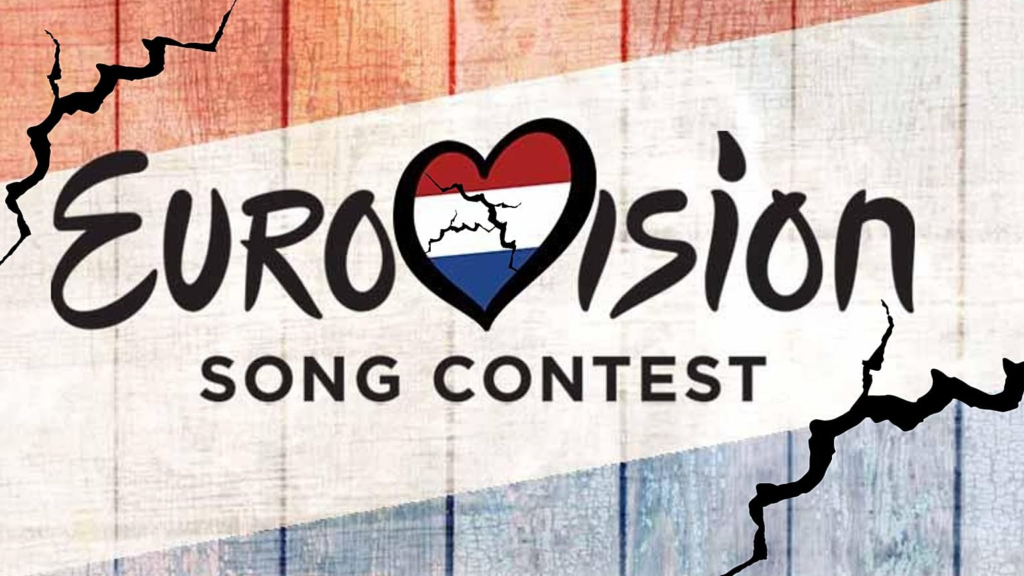
The Eurovision 2026 boycott has sparked intense debate within the music community as Ireland, Spain, the Netherlands, and Slovenia have chosen to withdraw their participation in response to Israel’s sanctioned entry. This decision comes amid ongoing concerns regarding the humanitarian crisis in Gaza and alleged unfair voting practices surrounding Israel’s Eurovision participation. Critics suggest that allowing Israel to compete amid such controversies risks overshadowing the contest’s celebrated spirit of unity and cultural expression. With Eurovision Song Contest news trending globally, it appears that the implications of these countries withdrawing from Eurovision could reshape the event’s legacy. The boycott reflects a deeper concern among nations about the use of this international platform for political purposes, igniting discussions around the future of the competition.
Looking ahead to the 2026 Eurovision event, the decision by several nations to abstain from participation illustrates a growing chasm in the cultural landscape of the competition. The cultural boycott, initiated by Ireland and other countries, raises important questions about ethical representation on such a grand stage. As discussions continue around the controversies surrounding Israel’s participation, many are left wondering how these ethical dilemmas will shape the future of this iconic musical festival. Furthermore, calls for transparency and reform within Eurovision’s voting structure are gaining momentum as supporters of accountability urge for a re-evaluation of the festival’s foundational principles. In light of the recent developments, the 2026 Eurovision Song Contest is set to be a pivotal chapter in the contest’s storied history.
Eurovision 2026 Boycott: Ireland’s Stand Against Israel’s Participation
In a bold move reflecting growing discord within the Eurovision community, Ireland has joined other nations in boycotting the 2026 Eurovision Song Contest. This decision comes in the wake of Israel being permitted to compete amidst ongoing hostilities and humanitarian crises in Gaza. The Irish broadcaster, RTÉ, articulated that participating in a contest under these circumstances is morally indefensible, particularly given the profound human suffering resulting from the conflict. Ireland’s stance resonates with similar sentiments expressed by Spain, the Netherlands, and Slovenia, all of whom echo the call for moral integrity in light of global tragedies.
The boycott of Eurovision 2026 by Ireland and others signifies a substantial shift in how political and humanitarian considerations may affect artistic events. As Eurovision has historically aimed to foster unity through music, dividing opinions regarding Israel’s participation illustrates a critical existential debate within the festival. Further complicating this dynamic is the pressure from members of the European Broadcasting Union (EBU) who seek changes to voting protocols amid accusations of manipulation favoring Israel, emphasizing the controversies overshadowing this significant cultural event.
The Controversy of Israel’s Eurovision Participation
Israel’s allowance to compete in Eurovision 2026 has ignited a heated controversy, raising questions about the festival’s commitment to neutrality and its role as a cultural platform. The decision has been met with strong opposition from several countries who argue that contest organizers’ choices reflect a disregard for the humanitarian crisis prevalent in Gaza. As multiple nations withdraw their participation, discussions about the integrity of the voting process and transparency in the contest have come to the forefront, prompting calls for reforms to ensure fair play and inclusivity amongst all participating countries.
At the heart of the uproar lies the understanding of Eurovision not only as a music competition but as a stage for broader cultural expression. The recent controversies surrounding Israel’s entry demonstrate that such events cannot be entirely insulated from the prevailing political climate. Changes in the voting rules, aimed at countering alleged manipulation, underscore the EBU’s recognition of the need for reform while simultaneously revealing deep divides within the community, which could alter the Eurovision landscape for years to come.
Ireland and Allies Argue for Ethical Standards in Eurovision
The decision by Ireland to boycott Eurovision due to Israel’s participation reflects a profound commitment to ethical standards in public broadcasting and cultural representation. RTÉ’s statement emphasized that continuing with the contest under the current conditions is incompatible with the values Ireland champions. This ethical stance has galvanized support among other countries who prioritize human rights and humanitarian considerations in their decision-making processes, effectively calling for a reassessment of what Eurovision embodies in contemporary society.
Spain, Slovenia, and the Netherlands joining Ireland’s boycott reflects a growing coalition dedicated to ensuring that cultural platforms do not become vehicles for political controversies. The collective action of these countries sends a strong message about the responsibilities of broadcasters and the importance of standing in solidarity with those suffering from conflict. As more nations weigh the implications of their participation amid such serious allegations, the path ahead for Eurovision becomes increasingly uncertain, with potential long-term implications for the festival’s future.
Impact of Israel’s Eurovision Inclusion on Global Broadcasts
Israel’s confirmed participation in Eurovision 2026 has broader implications for global broadcasts beyond just the competing countries involved. With nations like Ireland, Spain, and the Netherlands deciding to withdraw, the anticipated viewership and engagement of the festival are likely to be affected. Broadcasting organizations, like the BBC, are faced with a complex dilemma of enforcing their standards while maintaining relations with the EBU, as they navigate the potential fallout from countries choosing to disengage amid the ongoing political tensions.
Furthermore, the backlash against Israeli participation in Eurovision points to a burgeoning trend of cultural boycotts based on ethical grounds. The decisions made by public service broadcasters will undoubtedly resonate with audiences worldwide, shaping how cultural events are perceived in relation to political contexts. The unfolding controversy may serve as a critical case study for future talks surrounding the intersection of culture and politics, ultimately changing how international competitions are organized and represented.
Reform in Eurovision Voting Procedures Amidst Controversy
In response to rising tensions regarding Israel’s Eurovision participation, the EBU has proposed significant reforms to its voting procedures. Allegations of unfair voting practices have led to calls for more transparency within the voting system, as many suspect that external influences have skewed results in favor of certain entries, particularly Israel. By emphasizing a shift towards reform, the EBU aims to restore confidence among member broadcasters while addressing complaints that could jeopardize the integrity of the contest.
These proposed voting reforms signal an acknowledgment of the criticisms leveled against the Eurovision Song Contest, indicating that changes are necessary to uphold the festival’s image of fairness. As broadcasters deliberate on these new measures, it also provides an opportunity for nations to reaffirm their commitment to ethical participation. Establishing clearer rules may not only deter governments from manipulating outcomes but also reaffirm Eurovision’s reputation as a celebration of musical talent and cultural expression, devoid of political machinations.
Public Sentiment on Israel’s Role in Eurovision 2026
Public sentiment regarding Israel’s role in the Eurovision 2026 has been notably polarized, with significant support for boycotting the contest emerging from nations that prioritize humanitarian values over cultural festivities. Social media platforms have become a battleground for opinions, with campaigns advocating for a boycott gaining traction alongside calls for recognition of artistic freedom. This division highlights how deeply intertwined arts and politics have become in this context, prompting many viewers to reconsider their engagement with the contest.
Compounding the issue, prominent artists and public figures have also chimed in, influencing public opinion surrounding Eurovision. Many argue that participating in events where political issues are unresolved undermines the essence of what the contest was meant to represent—unity through diversity in musical expression. As the Eurovision Song Contest attempts to navigate these turbulent waters, understanding and responding to public sentiment will be crucial to its continued relevance in a rapidly changing political landscape.
Eurovision 2026: A Pivotal Moment for Cultural Diplomacy
The controversies surrounding Eurovision 2026 can be seen as a pivotal moment for cultural diplomacy on an international scale. As various countries reassess their participation due to Israel’s inclusion, this situation emphasizes the delicate balance between culture and global politics. The decision to withdraw or support the contest is not merely about music but reflects broader humanitarian concerns and national stances on international crises, suggesting that cultural events can no longer be treated as politically neutral ground.
Moving forward, the Eurovision Song Contest will have to navigate these complexities with care. The choices made by participating countries could lead to a redefined approach to cultural representation and collaboration in future editions of the festival. With the eyes of millions upon it, Eurovision 2026 could very well reshape not only how music is celebrated across borders but also how countries engage in discussions of supportive versus oppositional cultural policies.
Future of Eurovision Amidst Boycotts and Controversies
The future of the Eurovision Song Contest is being scrutinized more than ever as multiple nations opt to boycott the 2026 edition due to the ongoing controversy surrounding Israel’s participation. These movements reflect a profound sense of responsibility among broadcasters to uphold ethical standards and respond to the humanitarian crises affecting various populations. As countries define their involvement, the EBU faces critical challenges in ensuring broad support and participation, potentially leading to significant changes in the event’s format and governance.
More than just a musical celebration, Eurovision must now confront the reality that it exists within a complex web of international relations and humanitarian ideals. If it wishes to maintain its reputation as a unifying cultural event, a delicate balance must be struck in acknowledging the realities of global politics while honoring the spirit of artistic expression. As discussions continue, how Eurovision evolves in the face of these challenges will ultimately determine its legacy as an enduring symbol of creativity and cultural diplomacy.
Public Broadcasting Reactions to Eurovision Controversies
The responses of public broadcasters to the controversies enveloping Eurovision 2026 have varied significantly, highlighting differing national perspectives on participation amid political tensions. While countries like Ireland and Slovenia have opted for boycotts, others like Germany emphasize their commitment to cultural diversity and solidarity despite the ongoing debates about Israel’s role in the contest. This dichotomy illustrates a complex web of cultural policies that inform not just participation but also the narrative that public broadcasters wish to convey to their audiences.
Broadcasters must navigate these tumultuous waters with great care as they reflect on their organizational values in relation to public sentiment. As the EBU considers potential reforms, public revelations regarding member countries’ positions will frame how Eurovision is perceived moving forward. Ultimately, this could foster a renewed dialogue about the ethical responsibilities of broadcasters in curating international cultural events that should celebrate diversity while being sensitive to pressing global issues.
Frequently Asked Questions
What is the impact of the Eurovision 2026 boycott on Israel’s participation?
The Eurovision 2026 boycott, initiated by countries like Ireland, Spain, and Slovenia, directly impacts Israel’s ability to participate in the contest. These countries declared their intent to withdraw due to concerns over humanitarian issues in Gaza and perceived unfair voting practices related to Israel’s entry. This boycott signifies growing tensions and a push for ethical considerations in the Eurovision Song Contest.
Why did Ireland announce a boycott of Eurovision 2026?
Ireland announced a boycott of Eurovision 2026 in response to Israel’s allowance to compete, which they deemed unacceptable amid the ongoing humanitarian crisis in Gaza. RTÉ emphasized that participation would be unconscionable given the significant loss of lives and the broader ethical implications surrounding Israel’s participation in the contest.
Which other countries have joined the Eurovision 2026 boycott alongside Ireland?
In addition to Ireland, Spain, the Netherlands, and Slovenia have also joined the boycott of Eurovision 2026. These countries collectively expressed concerns about Israel’s participation amid ongoing conflicts and have called for a reassessment of the festival’s governing principles.
How has the Eurovision Song Contest addressed the controversy surrounding Israel’s participation in 2026?
The Eurovision Song Contest has taken steps to address the controversy surrounding Israel’s participation by tightening its voting rules and engaging in discussions about the ethical implications of member countries’ entries. The European Broadcasting Union (EBU) has urged members to uphold fair practices while also stressing the need for neutrality within the contest.
What were the reasons behind the demands for Israel’s exclusion from Eurovision 2026?
Demands for Israel’s exclusion from Eurovision 2026 stem from concerns about humanitarian crises due to the ongoing conflict in Gaza, as well as accusations of manipulative voting practices that allegedly benefitted Israel’s entry. Several countries argued that allowing Israel to compete was incompatible with the values of the Eurovision community.
How did Eurovision organizers respond to calls for a secret ballot regarding Israel’s participation?
Eurovision organizers reportedly rejected calls for a secret ballot on Israel’s participation during a meeting in Geneva, which heightened distrust among several member countries. The refusal to accommodate these requests contributed to the decision by Ireland and others to boycott Eurovision 2026.
What did Israeli officials say in response to the Eurovision 2026 boycott?
Israeli officials expressed disappointment over the Eurovision 2026 boycott, framing it as a cultural boycott rather than a mere contest decision. They underscored Israel’s right to participate in and be represented on international platforms, emphasizing the need for cultural diplomacy and solidarity.
What implications does the Eurovision 2026 boycott have for the future of the contest?
The Eurovision 2026 boycott highlights significant rifts within the contest’s community regarding political influences and ethical participation. As countries define their stance on Israel’s inclusion, the future of Eurovision may see more calls for inclusivity and fair treatment of participating nations, potentially altering the festival’s landscape.
What implications does the Eurovision boycott have for the overall brand of the contest?
The boycott against Eurovision 2026 could negatively affect the contest’s brand by spotlighting its vulnerability to political pressures and collective action from member countries. This event marks a significant turning point for Eurovision, urging the organization to reassess its structure and guidelines to maintain its identity as a cultural celebration.
How do Eurovision organizers plan to ensure fair voting practices after the Israel controversy?
In light of the controversy regarding Israel’s participation and the associated voting allegations, Eurovision organizers plan to introduce new measures aimed at deterring manipulative voting practices. These measures will likely include more stringent voting protocols designed to uphold integrity and trust within the competition.
| Country | Boycott Decision | Reason for Boycott |
|---|---|---|
| Ireland | Participating in the boycott | Concerns over humanitarian crisis in Gaza and loss of lives. |
| Spain | Participating in the boycott | Insistence on secret ballot regarding Israel’s participation; ongoing distrust of Eurovision organization. |
| Netherlands | Participating in the boycott | Incompatibility of current circumstances with public values. |
| Slovenia | Participating in the boycott | Commitment to ethical principles and equal treatment of all members. |
Summary
The Eurovision 2026 boycott has emerged as a significant topic following Ireland’s decision to withdraw in solidarity with concerns over Israel’s participation. Countries like Spain, the Netherlands, and Slovenia have joined the call for a boycott due to humanitarian issues surrounding the ongoing crisis in Gaza and accusations of unfair voting practices within the contest. This situation highlights a critical division within the Eurovision community over the balance between cultural celebration and political implications, as broadcasters grapple with the need for ethical considerations in their participation.