
Listen to this article
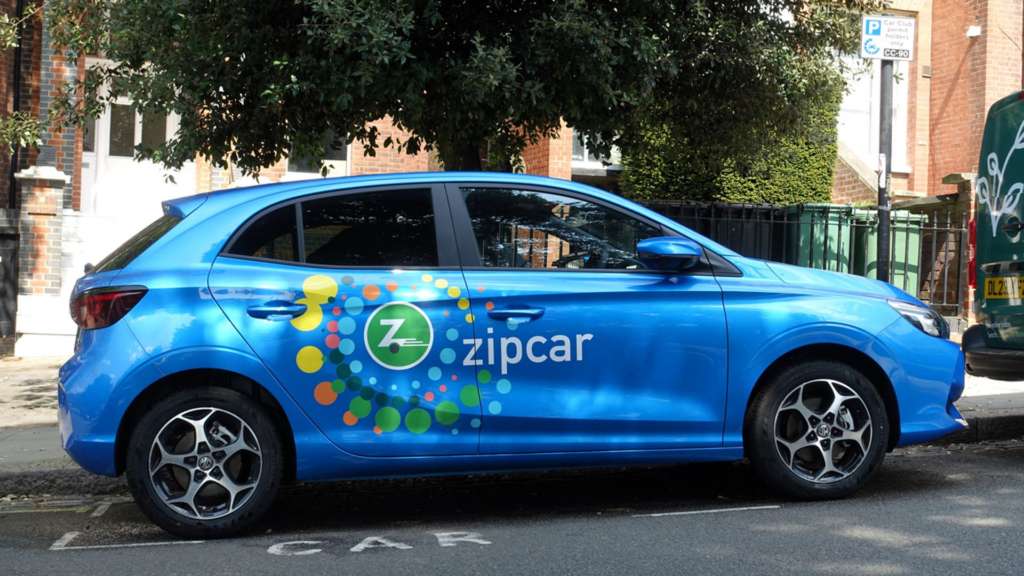
The announcement of Zipcar UK closure has sent ripples through London, signaling the end of its car-sharing services in the city by year’s end. This decision impacts not only the thousands of **car club members** who relied on the platform for convenient transportation but also crucial community services, such as the Rotherhithe Community Kitchen, which depended on Zipcar to transport food donations. With London boasting a growing population of over half a million registered users in shared mobility services, the cessation of such a significant player raises questions about the future of **community transportation** in urban areas. As urban planners and transport experts reflect on this development, it’s clear that Zipcar’s exit from the UK doesn’t mark the demise of car-sharing, but rather highlights the need for innovative solutions to overcome ongoing challenges like traffic congestion and environmental sustainability. London may soon find itself navigating a landscape where new opportunities for **car-sharing UK** arise, reshaping the way residents approach mobility and vehicle access.
In an unexpected turn of events, the closure of Zipcar UK, a leading car-sharing provider in London, has triggered discussions about the evolving landscape of shared mobility services. Alternative transportation models, which include community-based vehicle access and innovative car rental platforms, now become focal points in the wake of Zipcar’s imminent departure. With the urban population increasingly seeking sustainable methods of transportation, this situation opens the door for other enterprises to step in and fill the void left by Zipcar. The significance of affordable car access for local residents and service organizations is underscored by the challenges they face in adapting to this change. As the city reflects on this transition, it will also look toward developing comprehensive solutions that prioritize convenient, eco-friendly travel options for all.
Impact of Zipcar UK Closure on Car-Sharing Services
The recent announcement of Zipcar UK’s closure has sent shockwaves through the car-sharing community in London. As one of the pioneering services in shared mobility, Zipcar made significant contributions to the way individuals accessed transportation. With half a million car club members now losing access to affordable and convenient vehicles, this decision raises important questions about the future of car-sharing services in the UK. Urban residents who relied on Zipcar for daily activities—including running errands and community volunteering—now find themselves scrambling for alternatives, highlighting the fragility of shared transportation solutions in metropolitan areas.
The implications of Zipcar’s departure extend far beyond just the loss of a car-sharing option. For many, it represented a commitment to sustainable mobility practices, and its absence could potentially lead to an uptick in personal vehicle ownership and usage. As community-driven initiatives like the Rotherhithe Community Kitchen face transportation hurdles without Zipcar, the urgent need for alternative shared mobility solutions becomes even clearer. Experts emphasize that although this closure poses challenges, it could ignite a wave of innovation in the car-sharing market, prompting new players to step in and fill the void.
Challenges Facing Car-Sharing in London
London’s complex transportation ecosystem has historically posed challenges for car-sharing models, and the closure of Zipcar has brought these issues to the forefront. Factors such as inconsistent policies across boroughs and prohibitively high parking fees create an environment that is less than ideal for shared mobility services. Moreover, logistical hurdles make it difficult for operators to effectively manage their fleets and service areas, complicating the user experience for community transportation initiatives. Ultimately, the regulatory landscape in London has made it problematic for car-sharing companies to thrive.
Despite the setbacks, urban planners remain optimistic about the potential for growth in the sector. Successful models from abroad—where car-sharing has flourished—could inform strategies for revitalizing this segment in the UK. By learning from these examples and addressing local challenges, new businesses may emerge to provide shared mobility solutions that are not just convenient but also environmentally sustainable. The demand for alternatives to private vehicle ownership suggests that while Zipcar’s exit represents a significant setback, it may also serve as a catalyst for positive change.
Community Reactions to Zipcar’s Withdrawal
The local community has reacted with a mix of disappointment and concern at the news of Zipcar’s impending closure. Many residents, especially those involved in community services like the Rotherhithe Community Kitchen, are anxious about finding reliable transportation options to continue their essential work. These organizations have used Zipcar’s services to collect and deliver food from charities, and its absence disrupts vital support systems for the most vulnerable members of society. Community leaders are now appealing for other services or funding solutions to bridge the gap left by Zipcar, emphasizing the critical need for shared mobility services.
On the other hand, residents have begun discussing the potential for new car-sharing alternatives that could take Zipcar’s place. Some local advocates are calling for peer-to-peer car-sharing platforms as a viable solution, suggesting that community members could rent out their vehicles directly, thus promoting a decentralized and community-focused approach to transportation. This approach could not only fill the void left by Zipcar but also empower individuals to support each other within their neighborhoods, fostering a spirit of cooperation in shared mobility.
The Future of Shared Mobility in the UK
While the closure of Zipcar UK might signal the end of an era for car-sharing services in London, it also opens the door for future innovations in shared mobility. Urban planners and transportation experts are already looking at alternative business models that could thrive in the current market landscape. Electric vehicle car-sharing and subscription services could cater to eco-conscious consumers while aligning with broader sustainability goals. As the governance framework becomes more favorable towards shared alternatives, there is a strong chance that new car-sharing models will emerge, capitalizing on the lessons learned from Zipcar’s experience.
Furthermore, the discussions around policies that can enhance the viability of shared mobility are gaining momentum. Proposals to lower parking fees for car-sharing services, create designated parking spots, and streamline regulations are being considered by city planners. By investing in the infrastructure that supports car-sharing, London could see a resurgence of these services, addressing not only the needs of individuals but also contributing to the reduction of traffic congestion and environmental impact associated with traditional vehicle ownership.
Exploring Alternatives to Zipcar for Car Club Members
With the halting of Zipcar’s operations, car club members in London are left exploring various alternatives to maintain their access to vehicles. Several other companies, some focusing on traditional car-sharing and others on peer-to-peer models, are gaining attention for their potential to fill the gap. These alternatives could offer members different pricing structures and vehicle options that appeal to a broader audience, targeting the specific needs of those who relied on Zipcar for everyday tasks.
Moreover, community initiatives aimed at promoting car-sharing among residents are also emerging. By leveraging local networks, these grassroots efforts encourage neighbors to share their vehicles with one another, drastically reducing individual ownership costs and fostering a sense of community. The effectiveness of such models not only aids former Zipcar users but also enhances the overall accessibility of shared mobility services across urban settings.
Navigating the Cost-of-Living Crisis and Shared Mobility
Zipcar’s closure comes amidst a broader cost-of-living crisis that has made affordable transportation increasingly crucial for many households. The reliance on shared mobility services like Zipcar offered a cost-effective solution for those who could not afford to own a vehicle, allowing them to access transport only when needed. As disposable incomes decline, the gap left by Zipcar emphasizes the importance of maintaining viable transportation alternatives for lower-income individuals and families in London.
This situation has prompted conversations surrounding government support for shared mobility initiatives. Stakeholders are advocating for policies that could subsidize car-sharing services or provide funding for non-profit organizations that focus on community transportation needs. By addressing the financial concerns associated with car ownership and promoting affordable alternatives, there is a potential pathway forward that not only helps those impacted by Zipcar’s exit but also enhances overall transportation equity in urban areas.
The Role of Urban Planning in Supporting Car Sharing
Urban planning plays a pivotal role in the success of car-sharing initiatives like Zipcar, and its closure underscores the need for thoughtful regulation and design. Planners must prioritize creating environments that facilitate shared mobility, such as providing designated car-sharing zones, implementing supportive zoning laws, and integrating car-sharing services into public transit systems. To enhance these efforts, city officials can collaborate with operators to better understand the logistical challenges they face and develop solutions that promote sustainable transportation.
Furthermore, active community involvement in the planning process can ensure that local perspectives are considered. Engaging residents in discussions about transportation needs and preferences could lead to innovative ideas for shared mobility solutions that genuinely meet the community’s requirements. By fostering partnerships between local governments, stakeholders, and residents, the future of car-sharing can be shaped to reflect the evolving needs of urban populations, paving the way for a more interconnected and sustainable transportation landscape.
Long-Term Implications of Zipcar’s Exit for Urban Transportation
The long-term implications of Zipcar’s exit from the UK market could reverberate throughout urban transportation frameworks. As shared mobility continues to gain traction globally, its absence raises critical questions about how cities will adapt to maintain accessibility and combat increased traffic congestion. Urban planners and policymakers now have the opportunity to consider innovative solutions that could substitute or build upon the foundation laid by services like Zipcar, potentially leading to more efficient transportation systems.
As interest in sustainable travel grows, there is a chance that technology will play an even more central role in the next generation of shared mobility experiences. Integrating smart technologies, such as apps for real-time vehicle tracking and electric vehicle options, could help to innovate the approach to urban transport. Thus, while the departure of Zipcar may initially appear as a setback, it can serve as a turning point that encourages stakeholders to re-evaluate and revitalize urban transportation options.
Advocating for Enhanced Transportation Solutions Post-Zipcar
In the wake of Zipcar’s closure, advocates are increasingly pushing for enhanced transportation solutions to fill the void left within the community. Local organizations and transportation advocates are mobilizing to encourage the development of new car-sharing models that cater to the diverse needs of residents. By forming alliances with emerging companies and exploring innovative technological options, they strive to ensure that Londoners continue to have access to reliable and affordable transportation.
Moreover, joint efforts advocating for policy changes that support shared mobility initiatives could further enrich transportation options available to communities. Mobilizing public opinion and engaging local government in supportive measures, such as incentives for car-sharing services, could help create a more robust framework for sustainable transportation in the urban landscape. Ultimately, the community’s resilience and willingness to adapt will be crucial in shaping the future of shared mobility in London.
Frequently Asked Questions
What does the closure of Zipcar UK mean for car-sharing in London?
The closure of Zipcar UK signifies a major shift in the car-sharing landscape in London, affecting approximately half a million registered car club members. This cessation limits access to shared mobility services, causing inconvenience for users who relied on Zipcar for affordable, convenient transportation.
How will the Zipcar UK closure impact community transportation services?
The Zipcar UK closure will severely impact community transportation services, particularly for organizations like the Rotherhithe Community Kitchen, which depended on Zipcar for delivering food. Volunteers may struggle to find alternative transportation solutions, highlighting the immediate repercussions on those relying on shared mobility services.
Can we expect new car-sharing companies to emerge after Zipcar UK’s exit?
Experts believe that Zipcar UK’s exit could pave the way for new car-sharing companies to enter the market. Innovative models, such as peer-to-peer car-sharing, may thrive in London as demand for alternatives to traditional transportation solutions increases, providing opportunities to enhance shared mobility services.
Why did Zipcar decide to close its operations in the UK?
Zipcar’s decision to close its operations in the UK stems from a combination of factors, including declining revenues and a challenging cost-of-living crisis. Issues such as high parking fees, inconsistent borough policies, and competition in the urban transportation market ultimately led to the company’s withdrawal.
What are the potential implications of Zipcar’s closure on urban mobility in London?
The closure of Zipcar in London highlights the ongoing challenges urban areas face in promoting shared mobility services. While it represents a setback in the car-sharing sector, it may also encourage urban planners to explore successful car-sharing models from other countries, helping to shape future shared mobility initiatives.
How many people in London are affected by the Zipcar UK closure?
Approximately half a million people in London, who are registered as car club members, will be affected by the Zipcar UK closure. Many of these individuals utilized Zipcar’s services for convenient access to affordable vehicles, and its shutdown will disrupt their transportation options.
What are the challenges faced by car-sharing companies like Zipcar in London?
Car-sharing companies like Zipcar face several challenges in London, including high parking fees, inconsistent regulations across different boroughs, and operational logistical issues. These factors complicate the growth of car-sharing in urban settings and pose barriers to maintaining a robust shared mobility service.
Is the concept of car-sharing dead after Zipcar’s closure in the UK?
No, the concept of car-sharing is not dead despite Zipcar’s closure in the UK. While Zipcar’s exit is a setback, the demand for shared mobility services remains strong. Urban planners and experts are optimistic that new companies may emerge to fill the void and further develop car-sharing options in urban areas.
What can communities do in response to the Zipcar UK closure?
Communities can explore alternative transportation solutions, such as carpooling or local peer-to-peer car-sharing services, to mitigate the impact of Zipcar UK’s closure. Engaging with local government and organizations to advocate for improved transportation options can also help support those affected.
How does Zipcar’s closure reflect broader trends in urban transportation?
Zipcar’s closure reflects a broader trend of shifting preferences towards shared mobility services over vehicle ownership. As metropolitan areas like London navigate challenges in transportation, the emphasis on car-sharing as a public transport alternative continues to grow, encouraging future innovations in urban mobility.
| Key Point | Details |
|---|---|
| Announcement of Closure | Zipcar will cease operations in the UK by the end of this year, effective January 1. |
| Impact on Community Services | Volunteers at Rotherhithe Community Kitchen will lose access to Zipcar for food deliveries. |
| Registered Car Club Members | Approximately 500,000 car club members in London will lose affordable vehicle access. |
| Market Challenges | Challenges include inconsistent policies, high parking fees, and a declining discretionary spending amid a cost-of-living crisis. |
| Future of Car-Sharing in UK | Despite Zipcar’s closure, experts believe car-sharing still has potential in the UK with possible new operators emerging. |
| Community Transport Issues | Immediate challenges for vulnerable communities reliant on vehicle-sharing services post-Zipcar. |
Summary
The closure of Zipcar UK signifies a major shift in the car-sharing landscape within London. As of January 1, the convenience of accessible shared transportation will no longer be available for countless residents and community services. This development raises significant concerns regarding local transportation accessibility and highlights the challenges faced by urban mobility initiatives in the UK. While the setback is substantial, experts suggest that this might pave the way for innovative new car-sharing models that could better serve urban dwellers in the future. The conversation around Zipcar UK closure is not just about loss, but also about the potential for renewal and adaptation in the transportation sector.