Listen to this article
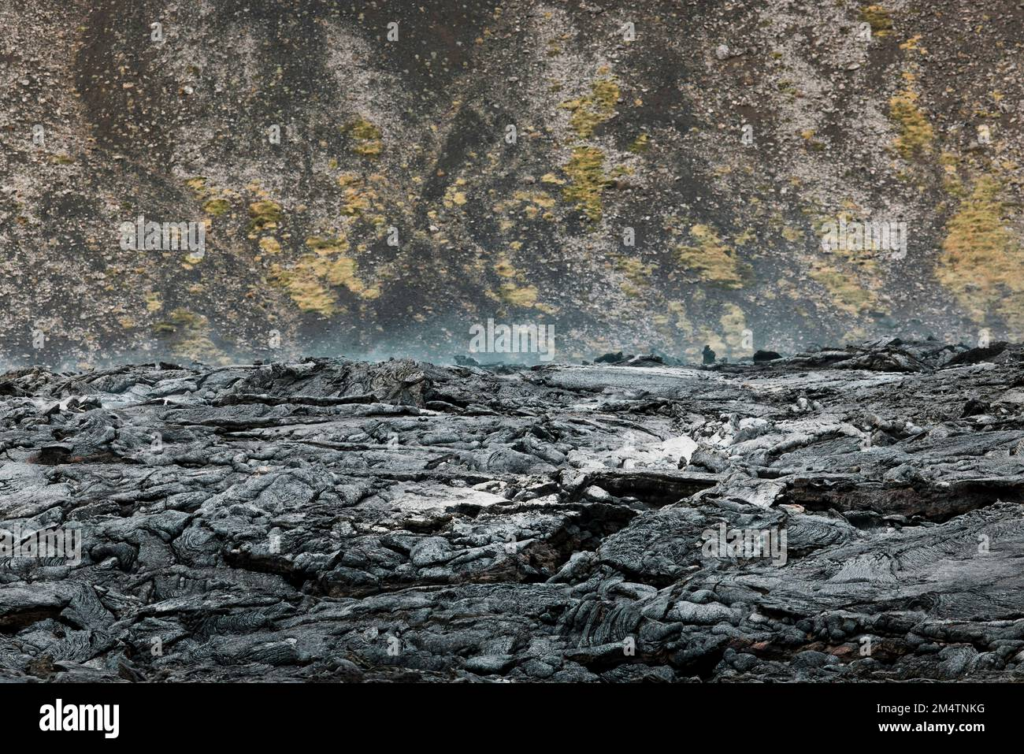
The Black Death volcanic eruption around 1345 is believed to have played a crucial role in unleashing one of history’s most devastating pandemics. Scientific research indicates that this catastrophic eruption induced a significant climate shock, altering weather patterns across Europe and triggering poor agricultural yields. As a consequence, densely populated Italian city-states, facing famine, sought to import grain from areas near the Black Sea. This desperate act unwittingly facilitated the importation of plague-carrying fleas harboring Yersinia pestis, the bacterium responsible for the Black Death pandemic. Such interlinked events serve as a stark reminder of how climate upheavals can initiate widespread health crises in interconnected societies.
The volcanic activity of the mid-14th century, often characterized as a climate disaster, is said to have coincided with the catastrophic spread of the plague throughout medieval Europe. This period, marked by the interplay of severe weather anomalies and health challenges, culminated in what is now known as the Black Death. The pestilence, caused by the bacterium Yersinia pestis, spread rapidly, decimating communities and overwhelming the social fabric. Researchers have explored how the eruption’s climatic effects contributed to agricultural failures and subsequent trade routes trafficking grain from the Black Sea region. Ultimately, these interconnected factors underscored the vulnerability of societies to pandemics, emphasizing lessons applicable to our current understanding of climate change pandemics.
The Link Between the 1345 Volcanic Eruption and the Black Death
In 1345, a volcanic eruption occurred that may have changed the course of European history. This event is believed to have triggered a climate shock, as evidenced by tree ring data from the Spanish Pyrenees, indicating a series of unusually cold summers. This abrupt shift in climate not only affected agricultural productivity but also created a domino effect that led to the dramatic onset of the Black Death. Scientists suggest that the resulting poor crop yields from the eruption forced densely populated city-states, such as those in Italy, to source grain imports from distant regions, including the Black Sea. This move was an attempt to mitigate immediate food shortages but inadvertently facilitated the spread of the plague, as the fleas that carried the Yersinia pestis bacterium were transported alongside the grain.
This sequence of events highlights the interconnectedness of climate change and pandemic outbreaks. The 1345 volcanic eruption exemplifies how environmental factors can precipitate health crises by disrupting food security and trade routes in a globalized context. As demonstrated by Dr. Ulf Büntgen from the University of Cambridge, understanding the implications of past climate-induced pandemics can inform contemporary public health strategies. The formidable impact of the Black Death serves as a stark reminder of the potential risks posed by climate-related disruptions, which may be exacerbated in today’s warming world.
The Role of Climate Change in Historical Pandemics
Climate change has played a significant role in shaping historical pandemics, with the Black Death being one of the most profound examples. Experts point out that the severe climatic conditions triggered by the volcanic eruption in 1345 led to unprecedented agricultural failures, which in turn put immense pressure on food supplies. These factors contributed to a system ripe for disease spread, as malnutrition and associated health vulnerabilities arose amidst a backdrop of economic turmoil. This highlights the intricate relationship between climate fluctuations and their potential to exacerbate public health crises.
Moreover, the correlation between climate change and pandemics raises important questions for current and future public health strategies. In the context of modern-day climate change, experts warn that we may see an increase in zoonotic diseases, similar to the emergence of Yersinia pestis in the 14th century. As biodiversity emerges from shifting climates, the potential for diseases to spread across human populations becomes alarmingly probable. The urgency to study historical pandemic patterns in relation to climate change is critical to mitigating and preparing for future health crises.
Understanding the Transmission of Yersinia Pestis
Yersinia pestis, the causative agent of the Black Death, is primarily transmitted via fleas that live on wild rodents. The reconfiguration of trade routes in response to agricultural failures caused by the 1345 volcanic eruption is believed to have accelerated this transmission. As Italian city-states sought to ensure food security, they inadvertently opened their borders to infected rodents and their carriers. This incident serves as a significant case study on how trade practices intertwined with environmental shocks can facilitate the spread of infectious diseases, highlighting the need for comprehensive approaches to disease prevention.
The historical narrative surrounding Yersinia pestis also illustrates the evolution of public health responses over time. During the medieval period, the understanding of disease transmission was rudimentary, leading to panic and varied responses to the plague’s outbreak. Modern epidemiology, informed by historical events, advocates for a more informed, proactive approach to pest management and environmental health, particularly in areas susceptible to climate-induced changes. Understanding how Yersinia pestis spread can offer insights for controlling similar outbreaks associated with today’s emerging zoonotic diseases.
The Catastrophic Effects of the Black Death on Medieval Society
The Black Death wreaked havoc on medieval Europe, with estimates suggesting the death of up to half the population between 1348 and 1349. The repercussions were not just demographic; the societal fabric was significantly altered as labor shortages caused economic shifts and social unrest. The trauma of the pandemic prompted changes in public health practices and societal norms, which were previously uncharted. As cities grappled with the immediate impacts, they also faced the long-term consequences of such a devastating population decline.
Furthermore, the impact of the Black Death catalyzed a transformation in the medieval economy, paving the way for the end of the feudal system in some regions. With a reduced labor force, workers found themselves in a stronger negotiating position, which ultimately led to better wages and improved living conditions. The societal shifts brought on by the pandemic illustrate how health crises can shape not only public health but also economic structures, setting the stage for future developments in European society.
The Consequences of Volcanic Activity on European Agriculture
The volcanic eruption of 1345 had devastating consequences on European agriculture, as it led to significant climate anomalies characterized by colder temperatures and diminished sunlight. Crop failures were rampant across the Mediterranean region, where summer temperatures plummeted, leading to widespread famine. The repercussions of these agricultural failures were felt deeply by society, especially in densely populated areas reliant on stable food supplies. Scholars assess that this climatic disruption was a pivotal factor that exacerbated the effects of the Black Death, making it one of the deadliest pandemics in history.
The decline in agricultural productivity also compelled regions to seek alternative grain sources, which altered existing trade dynamics. Trade routes that had previously been stabilized became conduits for disease, effectively linking agricultural distress with health crises. Addressing the intricate connections between volcano-induced climate change and agrarian practices underscores the importance of ecological and health-related studies in understanding historical catastrophes.
Lessons from the Black Death for Modern Health Crises
The Black Death serves not only as a historical account of a pandemic but also presents crucial lessons applicable to modern health crises. As exemplified by the events surrounding the volcanic eruption of 1345, environmental conditions and human behaviors are intricately linked. Today, the urgency surrounding climate change emphasizes the necessity for a multi-disciplinary approach combining epidemiology, environmental science, and sociopolitical considerations in public health responses.
Public health initiatives must learn from the interconnected crises of the past to effectively prepare for future outbreaks. The Black Death illustrates the significance of ensuring food security and monitoring trade practices as community health imperatives. Furthermore, as climate change progresses, historical models of pandemic emergence underscore the need for vigilance and proactive strategies to mitigate the multifaceted threats posed by zoonotic diseases in our globalized world.
The Urban Response to Food Scarcity During the Black Death
Amidst the turmoil of the Black Death, urban centers faced immense challenges related to food scarcity due to the fallout from the 1345 volcanic eruption. Though trade networks were robust, the urgent need for grain forced city-states to seek imports from the Black Sea region, which introduced diverse risks, including potential exposure to plague-infected rats and fleas. This situation illustrates the precarious balance between urban sustenance and the necessity of engaging with external supply chains during a crisis.
As cities grappled with food shortages, the social and political responses varied. Implementing rationing systems and trade regulations became essential to stabilize urban environments. The struggle for resources also exacerbated social tensions, leading to unrest and redefining power dynamics within these city-states. The Black Death highlighted the crucial role of responsive governance in public health, further emphasizing that food security remains a fundamental public health concern that demands attention and strategic foresight.
The Scientific Investigation of Climate Impacts on Medieval Health
Recent scientific investigations into the implications of climate events during the late medieval period have highlighted the potential effects of volcanic eruptions on public health. Researchers utilized innovative techniques, including tree ring analysis, to reconstruct past climate conditions, thus providing substantial evidence linking the 1345 volcanic eruption to climatic anomalies that preceded the Black Death. Such research not only unravels historical narratives but also integrates environmental science within the framework of health and disease epidemiology.
These interdisciplinary studies emphasize the importance of understanding historical climate impacts to prepare for contemporary health challenges. By examining how past societies responded to climatic and ecological shifts, modern scientists and public health officials can glean valuable insights into current and future pandemic preparedness strategies. The intersection of climate science, history, and health is more pertinent than ever, potentially guiding efforts to mitigate the compounded risks associated with climate change and infectious diseases.
How Trade Routes Facilitated the Spread of Plague
The establishment of trade routes in medieval Europe played a crucial role in the dissemination of Yersinia pestis during the Black Death. The response to climate-induced famine led city-states to engage in new trading practices, setting the stage for the introduction of plague into Europe. As grain shipments arrived from the Black Sea, so too did the rodents and fleas that transported the deadly bacterium. Consequently, the very systems that were designed to bolster food security inadvertently facilitated one of history’s most devastating pandemics.
This episode illustrates the paradox of globalization, wherein interconnected economies can both enhance resilience and exacerbate vulnerabilities. As businesses navigate the realities of global commerce today, the historical context of the Black Death serves as a cautionary tale, reminding us that trade relationships must be managed with careful consideration of potential health impacts. It triggers a needed discourse on modern trade practices, reinforcing the understanding that safeguarding public health must remain a top priority in our global economy.
Frequently Asked Questions
What role did the volcanic eruption of 1345 play in the Black Death pandemic?
The volcanic eruption of 1345 is believed to have triggered a climate shock that contributed to the Black Death pandemic. Tree ring data indicates that the eruption caused significant temperature drops, leading to poor harvests and famine in Europe. This situation forced densely populated Italian city-states to import grain from regions around the Black Sea, inadvertently introducing plague-carrying fleas that transmitted Yersinia pestis, the bacterium responsible for the Black Death.
How did climate change conditions link the volcanic eruption of 1345 to the spread of Yersinia pestis in Europe?
The climate change conditions following the volcanic eruption of 1345 led to unusually cold summers and severe agricultural deficits. This climatic instability facilitated the spread of Yersinia pestis, as the importation of grain to combat famine also meant the introduction of infected fleas from the Black Sea region into Europe, setting the stage for the Black Death to flourish.
Why is the 1345 volcanic eruption considered a ‘perfect storm’ for the emergence of pandemics like the Black Death?
Experts refer to the volcanic eruption of 1345 as a ‘perfect storm’ because it combined climate shock with food shortages and intensified trade. The eruption’s effects led to cold summers and poor harvests across Europe, prompting city-states to import grain, which concurrently enabled the introduction of Yersinia pestis. This demonstrates how interconnected global trade can influence the emergence and spread of pandemics during periods of climatic stress.
What evidence links the volcanic eruption of 1345 to medieval climate changes?
Evidence from tree rings in the Spanish Pyrenees provides a crucial link between the volcanic eruption of 1345 and subsequent medieval climate changes. The data indicate significant temperature drops in the years 1345, 1346, and 1347, which were associated with decreased agricultural yields and increased risk of famine, thereby creating conditions conducive to the spread of the Black Death.
How does the study of the Black Death pandemic inform current understanding of climate change and zoonotic diseases?
The study of the Black Death pandemic, particularly the influence of the 1345 volcanic eruption, highlights the potential for climate change to trigger zoonotic diseases, such as those caused by Yersinia pestis. As climate shifts can lead to agricultural instability and human-animal interactions that facilitate disease spread, researchers warn that this historical context underscores the importance of monitoring emerging diseases in our increasingly globalized and warming world.
| Key Point | Explanation |
|---|---|
| Volcanic Eruption in 1345 | A volcanic eruption occurred around 1345, contributing to a climate shock in Europe. |
| Impact on Climate | Tree ring data indicates that the eruption caused extreme cold winters leading to poor harvests in the following years. |
| Famine and Trade | Due to agricultural failure, city-states in Italy imported grain, which brought the plague to Europe. |
| Introduction of the Plague | The bacterium Yersinia pestis, carried by fleas, was introduced to Europe via grain shipments. |
| Historical Analysis | Scientists from Cambridge and GWZO have analyzed climatic conditions to understand the connection between the eruption and the pandemic. |
| Future Implications | Experts warn that climate change could increase the emergence of zoonotic diseases in a densely connected world. |
Summary
The Black Death volcanic eruption exemplifies how natural disasters can inadvertently trigger catastrophic pandemics. In the mid-14th century, the eruption led to dramatic climate changes, poor agricultural yields, and a food crisis in Europe. These conditions compelled the Italian city-states to engage in grain trade with plague-infested areas, facilitating the spread of the deadly Yersinia pestis. This event underscores not only the vulnerability of societies to climatic events but also the increasing risks posed by globalization in the context of public health.