
Listen to this article
Fuel economy regulations in the United States are undergoing significant changes, with recent announcements signaling a rollback of standards initially set by the Biden administration aimed at promoting electric vehicles. These regulations were designed to improve fuel efficiency significantly, forcing automakers to push for approximately 50 miles per US gallon by 2031. However, the Trump fuel economy proposal aims to relax these benchmarks, citing the necessity to reduce costs for consumers. Proponents of the shift, including leaders from the automotive industry, argue that the new regulations align better with public demand and could save drivers money upfront. Yet, critics warn that lowering these standards could exacerbate greenhouse gas emissions from transportation, which is already the largest contributor to US emissions, highlighting a deep divide in the ongoing debate over the future of automotive industry emissions and energy independence.
The recent alterations in the United States’ fuel efficiency standards represent a pivotal moment in transportation policy, as regulatory frameworks shift from stringent measures toward more lenient guidelines. Dubbed by some as a relaxing of vehicle efficiency mandates, this policy change aligns with a broader initiative to reshape the automotive landscape under new leadership. The automotive sector now finds itself at a crossroads, where balancing economic considerations with environmental responsibilities will be crucial. As stakeholders such as manufacturers and environmental advocates engage in dialogue, the implications of this shift could have lasting effects on both consumer behavior and ecological outcomes. With transportation’s hefty share of greenhouse gas emissions at stake, the national approach to vehicle emissions standards may redefine the future of mobility.
Understanding Changes in Fuel Economy Regulations
The recent decision by the US government to relax fuel economy regulations has created a divide among stakeholders. On one side, advocates for consumer savings argue that the new standards will reduce vehicle purchase costs. However, critics warn that easing these regulations may have far-reaching implications for the environment and public health. Transportation greenhouse gas emissions accounted for over 28% of the total emissions in 2022, and this rollback may lead to an increase in these harmful emissions, undermining any progress made towards a cleaner environment.
Previous fuel economy regulations set forth by the Biden administration aimed for significant improvements in vehicle efficiency, requiring automakers to reach approximately 50 miles per gallon by 2031. This ambitious plan was intended to promote the adoption of electric vehicles and lessen dependency on foreign oil. The Trump administration’s proposed standards, however, target only a fuel efficiency of about 34.5 miles per gallon, raising concerns about the long-term impacts on both the automotive industry and greenhouse gas emissions.
The Impact on the Automotive Industry and Emissions
With the automotive industry at a crossroads, the adjustment of fuel economy regulations poses unique challenges and opportunities. Major automotive players such as Ford and General Motors have been vocal about their strategies in response to these policy changes. As Ford’s CEO expressed, the shift towards less stringent regulations could align with customer demand, especially in the booming truck and SUV market. Nevertheless, this focus could hinder the progress made toward reducing automotive industry emissions and adopting electric vehicle technologies, which require significant investment and commitment from manufacturers.
Conversely, environmental organizations warn that relaxed regulations will spell disaster for public health and environmental goals. The Sierra Club and other advocacy groups have strongly criticized the rollback, emphasizing that allowing less efficient vehicles on the roads would lead to increased greenhouse gas emissions. There is a fine balance between maintaining consumer affordability and ensuring that we remain on a path to a sustainable future. If automakers do not prioritize efficient technologies, the risk of exacerbating climate change becomes significantly heightened.
In summary, while the automotive industry looks to adapt strategies for ‘common sense’ regulations, the long-term ramifications on fuel economy and environmental health remain a critical concern.
The Debate Over Electric Vehicle Adoption
The U.S. fuel efficiency standards have traditionally aimed to encourage electric vehicle (EV) adoption, creating an avenue for technological advancements in the automotive sector. Under the Biden administration, initiatives were introduced to boost EV sales through more rigid regulations on fuel efficiency. However, with the new proposal from the Trump administration, there’s a risk that the momentum toward EV adoption might stall, as manufacturers may redirect their focus back to producing more fossil-fuel-based vehicles.
Electric vehicles not only help reduce transportation greenhouse gas emissions but also provide a competitive edge to automakers willing to innovate. Tesla, for instance, thrived under previous regulations that promoted EV technology and efficiency credits. As automakers like General Motors face uncertainties in consumer demand for electric vehicles, the relaxing of these standards may result in diminished investment in EV technologies, slowing down the transition towards a cleaner automotive industry and impacting overall emissions targets.
Analyzing Consumer Implications of Relaxed Standards
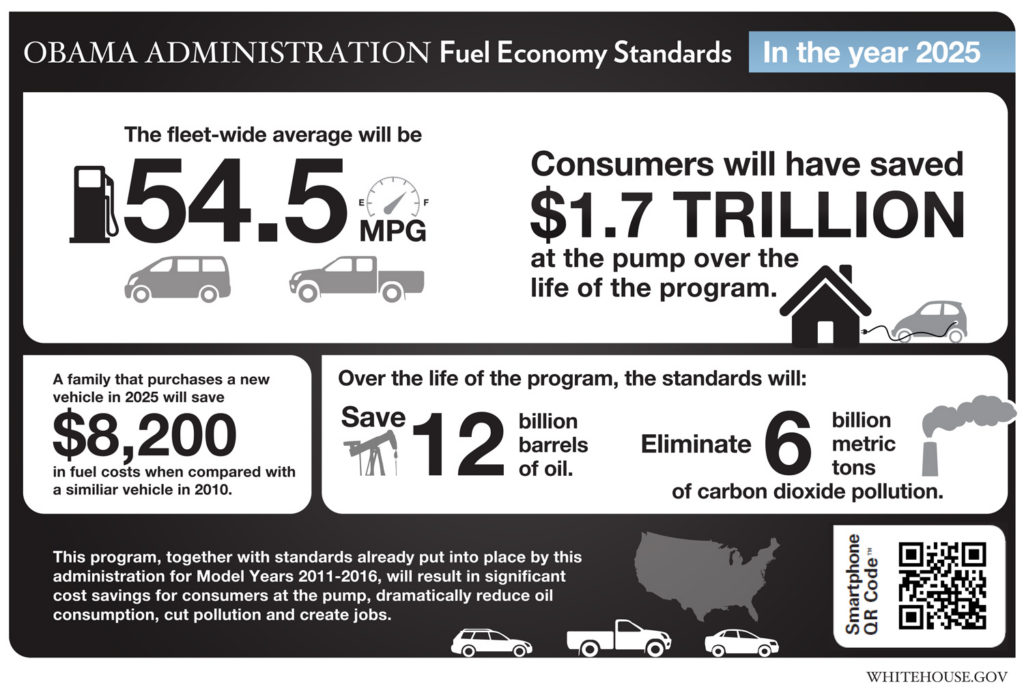
One of the central arguments presented by the Trump administration for relaxing fuel economy regulations is the potential financial relief it could provide to consumers. The proposed measures aim to lower the purchase price of vehicles by reducing compliance costs for manufacturers. However, critics argue that these initial savings could be offset by higher fuel costs over time, as vehicles become less efficient. The Biden administration previously estimated that their standards would allow consumers to save significantly on fuel expenses throughout a vehicle’s lifespan, an important consideration for families budget-wise.
Moreover, Kathy Harris from the Natural Resources Defense Council highlights that undermining fuel economy standards could disproportionately benefit the oil industry at the expense of everyday drivers. As fuel efficiency tends to correlate with fuel costs, decreasing these standards could lead to increased expenditure on gasoline, counteracting any anticipated savings from lower vehicle prices. The debate surrounding consumer implications thus extends beyond just immediate costs and dives into the long-term economic impacts on American drivers.
Future of the US Automotive Market
The automotive market in the United States is poised for significant changes as the new fuel economy standards are debated. If the industry shifts towards accommodating less stringent regulations, we may witness a stagnation in the innovation needed to stabilize automotive industry emissions. Companies are then faced with the dual pressure of meeting consumer preferences for larger vehicles, while still committing to sustainability goals.
Meanwhile, public sentiment is increasingly leaning towards environmental consciousness, with consumers becoming more informed about their carbon footprints. As electric vehicles gain popularity, the true test for automakers will be balancing market demands for efficient, eco-friendly transportation against potential short-term profitability from gas-guzzling models. In this evolving landscape, the direction taken in response to the relaxed fuel economy regulations could reshape the future trajectory of the US automotive market.
The Role of Technology in Meeting Standards
To comply with the current standards and any new regulations, automakers are encouraged to leverage technology and innovation effectively. The energy sector has seen substantial investments aimed at improving fuel efficiency and reducing emissions across the board. With emerging technologies, there is potential for automakers to develop vehicles that not only meet but exceed even the most stringent fuel economy regulations, positioning themselves as leaders in a rapidly changing marketplace.
The challenge, however, lies in integrating these technologies while remaining financially viable. As companies face mounting pressure to meet consumer demands without compromising their sustainability commitments, the focus on renewable energy and electric vehicle development becomes crucial. By embracing advancements in battery technology and alternative fuel systems, the automotive industry can pave the way for a more sustainable future, regardless of the regulatory environment.
Consumer Awareness and Environmental Advocacy
Consumer awareness plays a pivotal role in the evolution of fuel economy regulations and the adoption of electric vehicles. As information about environmental issues becomes more accessible, American drivers are increasingly making conscious decisions regarding their vehicle choices and fuel consumption. Advocacy from environmental organizations is crucial in amplifying this awareness, pushing for stricter regulations to protect public health and the environment.
With the potential rollback of the regulations, organizations like the Sierra Club have mobilized efforts to inform consumers about the environmental ramifications of maintaining less efficient vehicles. Their campaigns emphasize the importance of choosing eco-friendly alternatives while holding automakers accountable for their emissions. In an era where climate change is at the forefront of public discourse, consumer awareness combined with strong advocacy is essential to influence better policies and support the transition to sustainable transportation.
Comparing Administration Approaches to Fuel Standards
The divergence in approaches to fuel economy standards between the Biden administration and the Trump administration signifies a broader philosophical conflict regarding environmental policy. The Biden administration’s focus on stringent regulations aimed at accelerating electric vehicle adoption and reducing reliance on fossil fuels starkly contrasts with Trump’s assertion that relaxing these standards is beneficial for the economy. This debate encapsulates the tension between environmental sustainability and economic viability in policymaking.
Each administration’s stance on fuel economy also mirrors the priorities of their respective supporters. The current discourse challenges policymakers to consider how regulations can further environmental goals without adversely affecting consumers or the automotive industry. As history shows, the impact of these decisions will resonate far beyond the automotive sector, ultimately influencing national emission targets and climate initiatives.
Long-term Environmental and Policy Implications
The environmental implications of easing fuel economy regulations could be profound, affecting both public health and climate goals. With transportation sources generating a significant portion of US greenhouse gas emissions, the potential rollback raises questions about the effectiveness of national strategies aimed at curbing carbon footprints. By sidelining these regulations, there’s a risk of stagnating progress toward cleaner air and reduced health risks associated with vehicle pollution, thereby impacting vulnerable populations.
Moreover, as the world grapples with climate change, the reversal of policies that promote fuel efficiency may undermine international commitment to reduce greenhouse gas emissions. Future efforts will require cohesive and forward-thinking strategies, balancing economic interests while striving to fulfill environmental responsibilities. The challenge lies in reconciling the varied objectives of economic growth, consumer needs, and ecological stewardship, ensuring a sustainable trajectory for both the automotive industry and the environment.
Frequently Asked Questions
What are the recent changes in US fuel economy regulations under the Trump administration?
The Trump administration proposed relaxing US fuel economy regulations that were established during the Biden administration, which aimed for an average fuel efficiency of 50 mpg by 2031. The new proposal targets approximately 34.5 mpg by 2031, a significant rollback that has raised concerns about increased greenhouse gas emissions.
How do the new fuel efficiency standards affect electric vehicles under the Trump fuel economy proposal?
Under the Trump fuel economy proposal, the relaxed standards could hinder the adoption of electric vehicles, as the program allowing automakers to buy credits for better fuel efficiency has been terminated. This may lead automakers to reduce investments in EVs amid uncertainty about future sales.
What impact do transportation greenhouse gas emissions have on climate change?
Transportation accounts for over 28% of total greenhouse gas emissions in the US, making it the largest single source. Stricter fuel economy regulations aim to mitigate these emissions, whereas the recent rollback could exacerbate the impact on climate change.
Why do some critics oppose the rollback of US fuel efficiency standards?
Critics, including environmental groups, argue that the rollback of US fuel efficiency standards under the Trump administration will result in higher greenhouse gas emissions, increase fuel costs for consumers, and prolong the use of polluting vehicles, jeopardizing public health.
What were the estimated savings for consumers under the Biden administration’s fuel efficiency standards?
The Biden administration’s regulations estimated that consumers would save around $600 on fuel over the lifespan of their vehicles, while the Trump proposal suggests potential savings of about $1,000 on the purchase price of a vehicle, albeit with possible long-term cost increases due to higher fuel consumption.
How do the new standards relate to the automotive industry emissions goals?
The new fuel economy regulations under the Trump administration are less stringent than previous standards, which aimed to significantly reduce automotive industry emissions. Critics argue this shift undermines efforts to achieve long-term climate goals related to emissions reduction.
What was the rationale behind the Biden administration’s original fuel economy regulations?
The Biden administration promoted its fuel economy regulations as a measure to reduce dependence on foreign oil, save consumers on fuel costs, and mitigate pollution, projecting a significant reduction of over 700 million metric tons of carbon dioxide emissions by 2050.
How have major US automakers reacted to the proposed changes in fuel economy regulations?
Major US automakers like Ford and GM have shown mixed reactions, with some leaders supporting the changes as aligned with consumer demand, while others fear that not meeting stricter standards could force factory closures, especially if electric vehicle sales do not increase.
What are the potential health implications of relaxing fuel economy regulations?
Relaxing fuel economy regulations may lead to an increase in air pollution from vehicles, which can have detrimental health effects, particularly on vulnerable populations such as children and the elderly, as noted by environmental advocates.
What is the formal rule-making process for the proposed changes to fuel economy regulations?
The proposed changes to fuel economy regulations under the Trump administration are subject to a formal rule-making process, which includes public comments and reviews before any finalized standards can be implemented.
| Key Point | Details |
|---|---|
| Relaxation of Regulations | The US will relax fuel economy regulations set by the Biden administration, which aimed to promote electric vehicle adoption. |
| Trump’s Statement | President Trump described previous fuel standards as impractical and costly for consumers. |
| Industry Response | Jim Farley, CEO of Ford, called the new proposal a ‘victory of common sense,’ while environmental groups condemned it. |
| Greenhouse Gas Emissions | Transportation is responsible for over 28% of the US’s greenhouse gas emissions, according to the Department of Energy. |
| Efficiency Standards | The former standard aimed for 50 miles per gallon by 2031, while the new target is approximately 34.5 mpg. |
| Credit Purchase Program | The administration intends to end a program allowing automakers to buy credits for better efficiency from competitors. |
| Impact on Greenhouse Gases | Katherine Garcia from Sierra Club stated that the changes could lead to increased emissions and fuel costs. |
| Consumer Benefits | Trump’s administration expects consumers to save about $1,000 on vehicle purchases with the new standards. |
| Concerns from Automakers | Some automakers worry that insufficient sales of electric vehicles could lead to factory closures. |
| Rule-Making Process | The proposal is still in the formal rule-making process, with expected implications for the auto industry. |
Summary
Fuel economy regulations are undergoing significant changes as the US moves to relax previous standards. This decision reverses the push made by the Biden administration aimed at bolstering the adoption of electric vehicles and reducing greenhouse gas emissions from the automotive sector. While proponents argue that the new regulations will enhance consumer affordability, critics warn that this rollback could escalate emissions and fuel costs for American families. The implications of these altered fuel economy regulations will likely resonate through the automotive industry and public health discussions moving forward.

