
Listen to this article
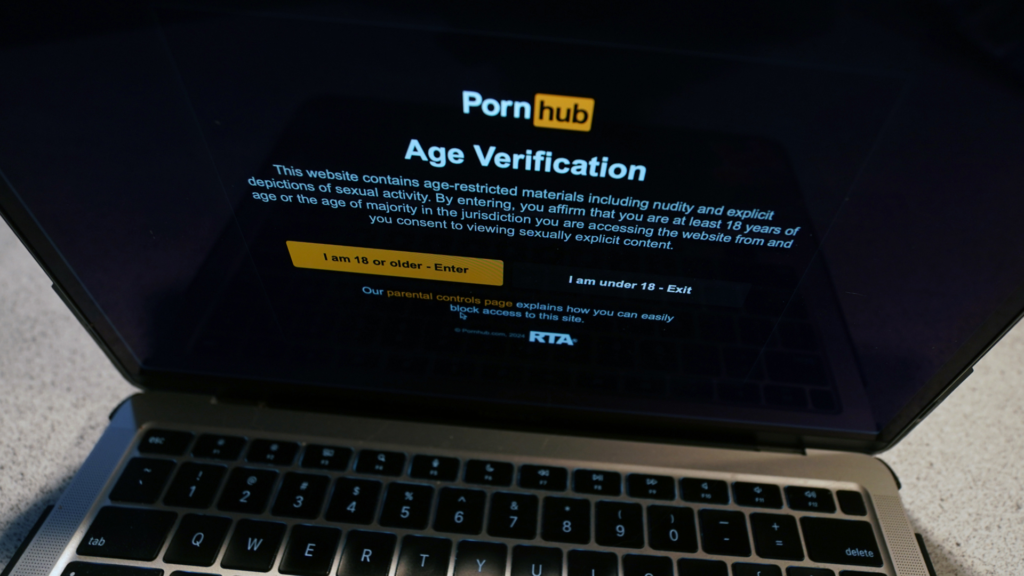
Porn site age verification has become a hot topic in the realm of online safety, particularly after a UK pornography company was fined £1 million for neglecting to implement adequate age checks as mandated by the Online Safety Act. This legislation compels sites hosting explicit content to adopt robust age assurance methods that safeguard minors from accessing inappropriate material. Despite being informed and penalized, AVS Group Ltd has so far failed to respond to Ofcom’s repeated communications, resulting in further financial penalties that highlight regulatory strictness. The absence of compliance not only aggravates the issue of child online safety but also raises questions about the effectiveness of current age verification measures across the adult industry. As regulators aim to tighten control over these platforms, it becomes evident that proper enforcement is crucial for the protection of vulnerable users.
The enforcement of age verification measures on adult websites has garnered considerable attention, particularly with the advent of the Online Safety Act. This legislation aims to ensure that explicit content is shielded from minors through rigorous checks, a necessity in today’s digital landscape. However, recent developments reveal that many companies, such as AVS Group Ltd, are stumbling in meeting these compliance standards, leading to significant financial repercussions from regulators like Ofcom. As the conversation surrounding child online safety amplifies, it’s vital to explore the implications and effectiveness of these legislative measures on various platforms, including those that host adult materials. With calls for accountability echoing from authorities, the movement towards safer online experiences continues to gain momentum.
The Importance of Age Verification for Porn Sites
Age verification systems play a crucial role in safeguarding children from accessing adult content online. Under the UK Online Safety Act, pornographic websites are mandated to implement effective age checks to prevent minors from easily navigating into explicit areas of the internet. This requirement stems from growing concerns about child online safety, where the digital landscape often exposes young users to inappropriate content that can have detrimental effects on their development.
The implementation of stringent age verification processes is not just a legal obligation; it represents a vital step towards protecting vulnerable users, particularly children. As developing minds are more susceptible to the influences of explicit material, it is critical for content providers to prioritize these measures. Failure to comply with such regulations, as seen in cases like AVS Group Ltd, can result in hefty fines, underlining the importance of accountability in the online environment.
Consequences of Non-Compliance with Age Checks
Non-compliance with the Online Safety Act can lead to severe repercussions for companies, as exemplified by AVS Group Ltd’s recent £1 million fine imposed by Ofcom. The regulator has emphasized that companies must not only adhere to these regulations but must also provide timely responses to enforcement communications. The situation displays a significant shift in Ofcom’s approach towards ensuring accountability among adult content websites.
Furthermore, ongoing investigations and implementations of the Act illustrate Ofcom’s commitment to enforcing online safety standards. The incremental fines and potential daily charges for continued non-compliance highlight that tech companies must prioritize the enactment of effective age verification systems. This regulatory pressure serves as a wake-up call for the industry, emphasizing that neglecting to safeguard children online will not be overlooked.
The Role of Ofcom in Enhancing Online Safety
Ofcom’s proactive approach in enforcing the Online Safety Act is reshaping the landscape of online adult content regulation. With an intention to hold companies accountable for the protection of minors, Ofcom acts as a gatekeeper for child online safety. The regulator not only monitors compliance, but also has the authority to impose fines on those who fail to meet the established standards, fostering a culture of responsibility and responsiveness in the industry.
The recent actions taken against companies like AVS Group Ltd signal a turning point in the enforcement of online safety laws. Ofcom’s commitment to demanding compliance and issuing penalties sends a strong message to all digital platforms: adherence to safety guidelines is non-negotiable. These measures are designed to instigate thorough transformations in how companies approach age verification, ensuring the creation of a safer digital space for children.
Public Opinion on Age Verification Policies
Public sentiment regarding age verification for porn sites showcases a complex interplay between protecting children and the implications of privacy. Many advocates for child safety argue that robust measures are essential for preventing minors from accessing harmful content. However, others raise concerns about potential violations of privacy and personal freedoms that could arise from intrusive verification processes.
As the debate surrounding age verification continues, it is important for regulators and stakeholders to engage in transparent dialogues with the public. This includes educating users about why such measures are necessary and how they can be implemented without infringing on individual rights. Balancing online safety and privacy will be crucial as society navigates through this digital age.
Technical Challenges of Age Checks for Porn Sites
Implementing effective age checks for porn sites involves significant technical challenges. Many users utilize tools like virtual private networks (VPNs) to bypass these checks, rendering the systems ineffective. As age verification technology evolves, it is essential for companies to adopt more sophisticated methods that recognize and mitigate these circumvention attempts, ensuring that the protection of children is not just a theoretical goal.
The technological landscape is rapidly changing, and adult content websites must stay ahead of these trends to enhance their age verification processes. Effective solutions may involve integrating biometric identification or third-party verification services to accurately assess the users’ age. By addressing these technical challenges head-on, companies can fulfill their responsibilities while also creating a safer online environment for all users.
Legal Implications of Failing to Comply with Age Checks
The legal ramifications of failing to implement adequate age verification systems are substantial for companies operating within the adult entertainment industry. With the enforcement of the Online Safety Act, businesses risk incurring heavy fines and legal penalties if they neglect their responsibilities to protect children from unwanted exposure to adult content. This trend towards stricter regulations emphasizes the need for industry players to integrate compliance into their operational frameworks.
Moreover, repeated failures to adhere to these regulations can result in more severe consequences, including potential legal actions that could threaten the company’s existence. As fines increase with continued non-compliance, the prospect for financial solvency becomes tenuous. Thus, understanding the legal landscape is crucial for companies to navigate compliance effectively and mitigate risks associated with violations of the Online Safety Act.
Future Impact of the Online Safety Act
The long-term effects of the Online Safety Act are poised to reshape how adult content websites operate, particularly concerning age verification practices. As more companies adapt to these new regulations, we can expect a clearer standard for what constitutes effective age checks in the industry. Ultimately, these changes are designed to foster a more responsible digital ecosystem, prioritizing child protection while still addressing the needs of adult consumers.
Looking ahead, the evolution of the Online Safety Act could prompt further developments in online safety technology. As regulators refine their approaches and enforcement mechanisms, it may lead to innovations that enhance user verification processes without compromising privacy. This future-oriented perspective emphasizes the need for ongoing dialogue and cooperation between regulators, companies, and the public in evolving a safer internet for all.
The Role of AVS Group Ltd in the Age Verification Landscape
AVS Group Ltd has emerged as a focal point in the discussions about age verification for porn sites following its non-compliance with the Online Safety Act. The challenges faced by this company reflect the broader struggles of adult content platforms to adjust to regulatory demands. Their case provides critical insights into the enforcement landscape, highlighting the consequences faced when regulations are ignored.
As the industry grapples with these changes, AVS Group Ltd’s situation serves as a cautionary tale for other companies operating in the space. The financial and reputational implications of failing to implement effective age checks are significant, underscoring the necessity of compliance in an increasingly regulated environment. For AVS and similar organizations, adapting to these regulations is not just about avoiding penalties—it’s essential to the credibility and sustainability of their businesses in the long run.
Cultural Shift in Online Adult Content Regulation
The enforcement of the Online Safety Act signals a cultural shift towards increased accountability in the realm of online adult content. This regulatory framework aims to create an environment where the safety of users, particularly vulnerable populations like children, is prioritized. As society becomes more aware of the implications of unrestricted access to adult material, there is a growing demand for platforms to enact responsible practices.
This changing landscape compels adult content providers to reassess their operational practices, navigating between compliance demands and business viability. As the conversation surrounding online safety continues to evolve, the expectation for companies to adopt a more proactive stance will likely intensify, reshaping the industry for years to come.
Understanding the Broader Context of Online Safety
The Online Safety Act is not merely a stand-alone regulation; it reflects a concerted effort to address wider issues of child online safety and the responsibilities of technology companies. In a digital age where children are often exposed to risks, it becomes imperative to establish comprehensive frameworks that encourage safe online practices. This initiative is crucial for fostering an environment where young users can navigate the internet with reduced exposure to harm.
Moving forward, public awareness and engagement in discussions around online safety will play a pivotal role in shaping how such regulations evolve. Advocacy groups, policymakers, and tech companies must collaborate to not only enforce the current regulations but also create a forward-thinking strategy to anticipate future online safety challenges. The ongoing dialogue will ensure that the law remains relevant and effective in protecting society’s most vulnerable members.
Frequently Asked Questions
What are the requirements for porn site age verification under the Online Safety Act?
The Online Safety Act mandates that porn sites implement ‘highly effective age assurance’ methods to prevent children from easily accessing explicit content. This includes rigorous age verification checks to confirm users are of legal age to view such material.
How has Ofcom penalized porn sites for failing to comply with age verification regulations?
Ofcom has levied significant fines on porn sites that do not adhere to age verification regulations set forth by the Online Safety Act. An example includes AVS Group Ltd, which was fined £1 million for inadequate age checks and faced additional penalties for non-compliance.
What actions has Ofcom taken against companies failing to implement effective age checks for porn sites?
Ofcom has initiated fines against several companies for failing to implement effective age verification systems on their pornographic sites. They have emphasized that ongoing non-compliance could lead to increased penalties, including daily fines.
Why are age checks for porn sites crucial for child online safety?
Age checks for porn sites are essential for child online safety as they are designed to prevent minors from accessing inappropriate content. The Online Safety Act aims to ensure that these checks are effective in protecting children from harmful online material.
What potential consequences do porn sites face if they fail to establish age verification as per Ofcom’s guidelines?
Porn sites that fail to establish effective age verification could face substantial fines from Ofcom, and ongoing non-compliance may result in daily penalties. This regulatory pressure is part of a broader effort to enhance online safety.
How does the lack of response from AVS Group Ltd affect the enforcement of age verification regulations?
AVS Group Ltd’s lack of response to Ofcom’s communications exacerbates the issues surrounding age verification enforcement. This non-compliance not only leads to additional fines but also highlights challenges in regulating porn sites effectively under the Online Safety Act.
What role does the AVS Group Ltd play in the controversy surrounding age verification for porn sites?
AVS Group Ltd has become a focal point in discussions about age verification for porn sites after being fined for failing to comply with the Online Safety Act. Their case illustrates the challenges regulators face in enforcing age checks and ensuring compliance within the adult industry.
Are there concerns about the effectiveness of age checks for pornographic websites?
Yes, concerns exist regarding the effectiveness of age checks for pornographic websites. Critics argue that some verification methods can be easily bypassed using VPNs, potentially diminishing the intended protections meant to keep children safe online.
What recent changes have been made to improve child online safety regarding porn sites?
Recent changes include the implementation of stricter guidelines under the Online Safety Act, which require pornographic websites to enforce robust age verification processes. Ofcom has also promised increased oversight and potential penalties for non-compliance.
What impact have new age verification measures had on the traffic to porn sites?
Following the implementation of age verification measures, some porn sites have reported significant decreases in traffic. For instance, Pornhub’s parent company noted a 77% decline in UK visitors, reflecting the potential influence of these new regulations on user access.
| Key Point | Details |
|---|---|
| Ofcom’s Actions | Ofcom fined AVS Group Ltd £1 million for failing to comply with age verification requirements. |
| Lack of Response | Despite multiple communications since July, AVS Group has not responded to Ofcom. |
| Increased Penalties | An additional £50,000 fine was imposed for non-compliance. AVS could face £1,000 daily fines for continued inaction. |
| Age Verification Requirements | The Online Safety Act mandates effective age assurance for pornographic sites to protect children. |
| Effects of Age Checks | Pornhub reported a 77% decrease in UK visitors after the introduction of age checks. |
| Ongoing Compliance Issues | Several companies are under scrutiny, including 4Chan, which refused to pay a £20,000 fine. |
| Future of Online Safety | Ofcom is focused on enforcing compliance and has indicated that stricter regulations may be implemented. |
Summary
Porn site age verification is a critical topic following Ofcom’s significant actions against AVS Group Ltd for non-compliance with the UK Online Safety Act. The regulator has taken a strong stance by introducing hefty fines and strict timeframes for implementing effective age checks. As online safety continues to be a priority, the need for robust age verification processes is essential to protect children from harmful content. With ongoing monitoring and enforcement, Ofcom aims to ensure that all pornography sites adhere to the law, ultimately contributing to a safer online environment.

