Listen to this article
Pritam Singh’s conviction has become a focal point of controversy in Singapore’s political landscape, particularly within the context of the Workers’ Party’s ongoing challenges in the country’s political opposition. Recently, he lost his appeal against a ruling that found him guilty of lying to a parliamentary committee regarding the actions of former party member, Raeesah Khan, who admitted to fabricating stories during parliamentary sessions. Singh faced a substantial fine of S$14,000, and despite his disappointment in the ruling, he accepted it and continued to emphasize his commitment to serve the people of Singapore. This case not only raises questions about individual accountability within political institutions but also serves as a reflection of the broader dynamics of political discourse in Singapore, where allegations of dishonesty have serious implications. As the Workers’ Party retains a prominent position as the primary opposition force, the repercussions of this case are likely to resonate throughout Singapore’s political arena, particularly amid concerns of fairness within the judiciary in handling political cases.
The recent legal troubles surrounding opposition leader Pritam Singh exemplify the complexities faced by political figures in Singapore, especially regarding allegations of dishonesty and the integrity of parliamentary processes. Singh’s legal battles stem from his association with the Raeesah Khan incident, where misleading statements were made within the parliamentary framework. The controversy has sparked a significant dialogue about accountability among lawmakers and the implications of truthfulness in political statements. This situation is particularly pressing for the Workers’ Party, as they navigate their role within Singapore’s political opposition amidst skepticism from the ruling government. As discussions continue on the efficacy of political systems, Singh’s case underscores the challenges that opposition parties face in maintaining credibility while confronting heavy scrutiny.
Pritam Singh Appeals His Conviction
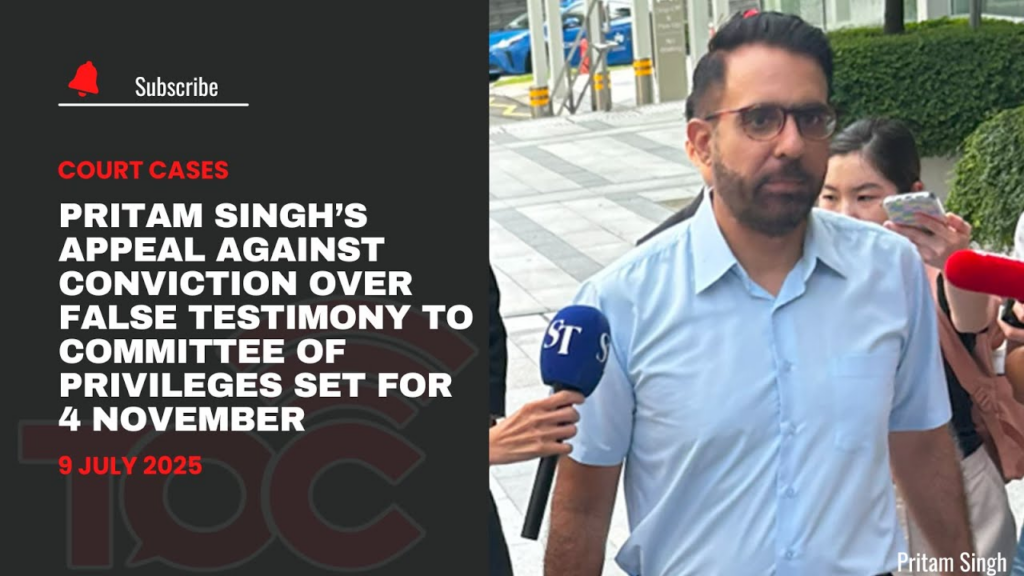
Pritam Singh’s recent appeal against his conviction has been a significant event in Singapore’s political landscape. The appeal stems from a guilty verdict where Singh was found guilty of lying to a parliamentary committee regarding the actions taken related to the Raeesah Khan controversy. Despite his insistence on innocence and the arguments put forth by his legal team regarding overlooked evidence, the court upheld the conviction, reflecting the judiciary’s role in scrutinizing the actions of public officials. This case highlights the challenges faced by opposition leaders in Singapore, where political tensions are pronounced, and legal repercussions can shape the trajectory of political careers.
In a country where political opposition encounters substantial challenges, Singh’s appeal serves as a case study of the intersection between legal accountability and political maneuvers. The grave implications of this conviction resonate beyond Singh himself, as it raises questions about the treatment of opposition figures in Singapore. As the leader of the Workers’ Party, Singh’s conviction is seen by some as a targeted move against political dissent, further complicating the dynamics between the ruling party and opposition forces. The Workers’ Party continues to navigate these treacherous waters, balancing their political objectives amidst the backdrop of legal scrutiny.
The Raeesah Khan Controversy and Its Implications
The Raeesah Khan controversy has significantly impacted Singapore’s political landscape, highlighting the delicate balance of honesty and accountability within the government. Khan, a former member of the Workers’ Party, initially presented a serious allegation regarding police misconduct but later admitted that her claims were fabricated. As the investigation unfolded, it became evident that the leadership, including Pritam Singh, faced intense scrutiny regarding their involvement in managing the fallout from her statements. This incident has not only led to legal ramifications for Singh but has also sparked a broader discourse on the ethics of political conduct in Singapore.
Moreover, the fallout from Khan’s deceitful testimony and Singh’s subsequent conviction has galvanized discussions about the integrity of parliamentary proceedings in Singapore. Critics argue that the Singaporean government, by pursuing legal action against Singh, may be employing the judicial system as a means to suppress political opposition. This situation epitomizes the ongoing debate about the fairness of political processes and the risks faced by those who dare to challenge the status quo. As the Workers’ Party remains the sole opposition entity within parliament, the implications of this controversy will likely reverberate through future political battles.
Workers’ Party and Political Opposition in Singapore
The Workers’ Party stands as the preeminent opposition force within Singapore’s parliament, holding 12 out of 99 seats. This unique position places significant pressure on its leadership to maintain integrity and public trust, particularly in light of the recent events surrounding Pritam Singh’s conviction. The party’s representatives not only have to navigate parliamentary hurdles but also contend with the pervasive perception of a political framework that favors the ruling party. The challenges they face underscore the need for resilient political strategies and transparent communication with their constituents.
Furthermore, the role of the Workers’ Party in Singapore’s political opposition is crucial as it provides a voice for dissent in a landscape often dominated by the ruling party’s narrative. Pritam Singh, as the party leader, has advocated for government accountability while outlining his vision for a more inclusive political system. However, the allegations stemming from the Raeesah Khan controversy have put a shadow over these efforts, complicating the party’s public image. The ongoing legal challenges serve as a reminder of the precarious balance between political ambition and legal consequences in Singapore.
Judiciary and Political Accountability in Singapore
The judiciary’s role in Singapore serves as a critical mechanism for political accountability, particularly in cases involving public figures like Pritam Singh. His conviction presents a pivotal moment where the interplay between law and politics is starkly evident. Critics raise concerns about the objectivity of the judicial system, suggesting that the government may leverage legal proceedings to undermine political opposition. This notion fosters concerns about the extent to which judicial independence can be maintained in the face of political pressure, posing questions about justice, equity, and the rights of opposition figures.
Moreover, Singh’s legal challenges have reignited discussions around the integrity and independence of the judiciary in Singapore. By holding a sitting lawmaker accountable, the courts reaffirm their role in maintaining a check-and-balance system within the government. However, the contrasting opinions regarding whether such actions are politically motivated add complexity to the discourse around judicial autonomy. This ongoing situation will undoubtedly shape future interactions between the judiciary and political entities in Singapore, urging a thorough examination of principles surrounding legal accountability in a democratic context.
Public Reaction to Pritam Singh’s Conviction
The public’s reaction to Pritam Singh’s conviction has been a tapestry of support and criticism, reflecting the polarized nature of Singaporean politics. For many of Singh’s supporters, this verdict symbolizes a troubling precedent for opposition leaders in a system perceived as increasingly authoritarian. They argue that his conviction undermines the democratic process by silencing dissent. The Workers’ Party, with Singh at the helm, represents a critical voice against what they view as oppressive political control, and this controversy has only intensified their calls for reform.
Conversely, critics of Singh assert that accountability is paramount for public officials, regardless of political affiliation. They highlight the importance of maintaining ethical standards within parliament and argue that Singh’s conviction serves as a necessary reminder that no one is above the law. The societal debate surrounding this issue reflects broader concerns about transparency, integrity, and the role of politicians in safeguarding the public’s trust. As discussions continue, they may influence future electoral choices and the evolving nature of political opposition in Singapore.
Pritam Singh’s Leadership and Future in Politics
Despite his conviction, Pritam Singh remains a significant figure in Singapore’s opposition landscape, embodying the resilience of the Workers’ Party. His announcement to continue serving Singaporeans emphasizes his commitment to his constituents and the democratic process, even amid legal setbacks. Singh’s leadership is pivotal as he navigates the fallout from the Raeesah Khan controversy, striving to maintain the party’s reputation while advocating for greater political discourse in Singapore. His ability to maintain public confidence will be crucial as he faces potential challenges from within and outside the party.
Looking forward, Singh’s path in Singaporean politics may be complicated by his recent legal troubles. However, the situation can be viewed as an opportunity for introspection and growth for both Singh and the Workers’ Party. Moving forward, the party will need to engage with the broader electorate, reinforcing their stance on transparency, accountability, and the governance of Singapore. As the political environment continues to evolve, Singh’s leadership could influence the potential for greater representation of diverse viewpoints, marking a significant shift in Singapore’s political landscape.
Implications of Legal Actions Against Political Opposition
The legal actions taken against Pritam Singh and other members of the Workers’ Party highlight the tension between government authority and political opposition in Singapore. The conviction might discourage would-be opposition candidates and create a chilling effect on candid discussions among lawmakers. By imposing fines and legal consequences, the ruling party could be seen as sending a message about the risks associated with challenging the status quo. This situation raises questions about the future of political expression and the vitality of democratic practices in Singapore.
Furthermore, the ramifications of targeting opposition figures can extend beyond immediate political consequences. It influences public perception of the political landscape in Singapore, potentially leading to increased cynicism towards the ruling government. The legal challenges faced by Singh may encourage the electorate to consider the broader implications of political repression and the importance of upholding democratic principles. As Singapore navigates these complexities, the outcomes of such legal actions will play a pivotal role in shaping the dialogue surrounding political freedom and accountability.
Navigating Political Tensions in Singapore
Navigating the political tensions in Singapore requires a nuanced understanding of the historical context and current developments surrounding figures like Pritam Singh. The Workers’ Party has long positioned itself as a beacon of hope for dissent, and Singh’s experiences encapsulate the broader struggles faced by opposition parties. Political dynamics in Singapore often reflect a fine balance between governing authority and the aspirations for a more participative democracy. As political tensions continue to rise, the ability of opposition leaders to advocate for change while facing legal challenges is increasingly tested.
Moreover, the ongoing saga surrounding Singh and the ramifications of the Raeesah Khan controversy might serve as a critical juncture for the Workers’ Party and other opposition groups. How they respond to these challenges will shape the political landscape for years to come. By embracing transparency and a commitment to accountability, opposition parties can work towards creating a more open and democratic society in Singapore. The evolution of these dynamics will ultimately determine the future of political opposition and the potential for reform in governance.
Legal Ramifications for Political Figures in Singapore
The legal ramifications faced by Pritam Singh exemplify the complex relationship between law and politics in Singapore. His conviction raises pertinent questions about the extent to which political figures can operate without fear of judicial retaliation. In this case, Singh’s legal challenges highlight the consequences of political decisions and actions, particularly those that attract public scrutiny. As law and politics intersect, it becomes essential for political leaders to navigate their responsibilities with a clear understanding of the legal landscape.
Additionally, the repercussions of Singh’s conviction may extend beyond the individual level, potentially influencing future legislation and political discourse. Lawmakers may be prompted to advocate for changes that enhance legal protections for public officials, ensuring fairness and impartiality in the judicial process. Conversely, if legal actions against opposition leaders are perceived as politically motivated, it could instigate a public backlash against the ruling party. The outcomes of such cases will shape public trust in both the political and judicial systems in Singapore.
Frequently Asked Questions
What is the significance of Pritam Singh’s conviction in Singapore’s political landscape?
Pritam Singh’s conviction is significant as it marks one of the few criminal verdicts against a sitting opposition lawmaker in Singapore, raising concerns about the judicial treatment of political opposition figures. Singh, the leader of the Workers’ Party Singapore, faced penalties for his role in the Raeesah Khan controversy, where he was accused of lying to a parliamentary committee regarding Khan’s fabricated claims.
What were the charges against Pritam Singh related to the Raeesah Khan controversy?
Pritam Singh was charged with lying to a parliamentary committee in connection with the Raeesah Khan controversy. Specifically, he faced two charges for allegedly instructing Khan to perpetuate a false narrative about her previous statements in parliament, ultimately leading to his conviction and a fine of S$14,000.
How did the court justify Pritam Singh’s conviction?
The court justified Pritam Singh’s conviction by stating that the evidence presented was ‘strongly indicative’ of his intention to prevent Raeesah Khan from clarifying her earlier lie. This conclusion led to the judge affirming Singh’s guilt during the appeal process.
What did Pritam Singh say following his conviction and how does he plan to serve his constituents?
Following his conviction, Pritam Singh expressed disappointment but fully accepted the court’s decision. He affirmed his commitment to continue serving Singaporeans alongside his colleagues in the Workers’ Party, despite the ongoing legal challenges he faces.
What was the outcome of Pritam Singh’s appeal against his conviction?
Pritam Singh’s appeal against his conviction was unsuccessful, as the court upheld the guilty verdict related to his handling of Raeesah Khan’s false statements. Singh’s defense argued that crucial evidence was overlooked, but the court maintained its position based on the presented evidence.
What are the broader implications of Pritam Singh’s case for political opposition in Singapore?
The implications of Pritam Singh’s case extend to the broader narrative surrounding political opposition in Singapore, particularly amid accusations that the government may use the judiciary to suppress dissent. Singh’s conviction, alongside the Raeesah Khan controversy, highlights the difficulties faced by opposition leaders in a tightly controlled political environment.
Who is Raeesah Khan and how is she related to Pritam Singh’s conviction?
Raeesah Khan is a former lawmaker from the Workers’ Party who played a key role in the incident leading to Pritam Singh’s conviction. She falsely alleged police misconduct in parliament and later confessed her statements were untrue, claiming Singh and party leadership pressured her to maintain the deception, which ultimately resulted in legal ramifications for Singh.
What are the charges Raeesah Khan faced, and how do they connect with Pritam Singh’s legal issues?
Raeesah Khan faced charges for lying to parliament and abusing her parliamentary privilege, resulting in a fine of S$35,000. Her actions, along with her accusations against Pritam Singh regarding his involvement in her false narrative, are central to the legal issues surrounding Singh’s conviction.
How does Singh’s conviction potentially influence future political dynamics in Singapore?
Singh’s conviction could influence future political dynamics in Singapore by underscoring the challenges faced by opposition parties. As the Workers’ Party is the primary political opposition in parliament, Singh’s legal issues may deter other potential leaders from pursuing active roles within the opposition, thus impacting the balance of power in Singapore’s political landscape.
What has been the public response to Pritam Singh’s conviction?
The public response to Pritam Singh’s conviction has been mixed, with some expressing support for the Workers’ Party and its opposition to government policies, while others view the legal ramifications as part of a broader trend of targeting political adversaries through the legal system. The media coverage has also sparked debates on political freedom and integrity in Singapore.
| Key Points | Details |
|---|---|
| Pritam Singh’s Conviction | Pritam Singh, Singapore’s opposition leader, lost his appeal against a guilty verdict for lying to a parliamentary committee. |
| Fines Imposed | In February, he was fined S$14,000 (£8,100) for two related charges concerning Raeesah Khan’s lies. |
| Nature of Allegations | The charges stemmed from allegations made by Raeesah Khan, claiming she was instructed to maintain a false narrative. |
| Court’s Ruling | The court found sufficient evidence supporting Singh’s conviction. |
| Political Context | The Workers’ Party, led by Singh, holds 12 out of 99 seats in Singapore’s parliament. |
| Continued Service | Despite the conviction, Singh intends to continue serving the public. |
| Background of the Case | In 2021, Khan falsely alleged police misconduct, later admitting her falsehood. |
| Criticism of Legal System | Critics argue the judiciary targets political opponents, a claim the government denies. |
Summary
The Pritam Singh conviction marks a significant moment in Singaporean politics, highlighting ongoing tensions between opposition parties and the ruling government. Singh’s legal troubles stem from a complex case involving Raeesah Khan’s lies to parliament, resulting in a guilty verdict upheld by the court. Despite facing fines and a conviction, Singh remains committed to serving his constituents, underscoring the resilience of opposition voices in Singapore’s political landscape.