Listen to this article
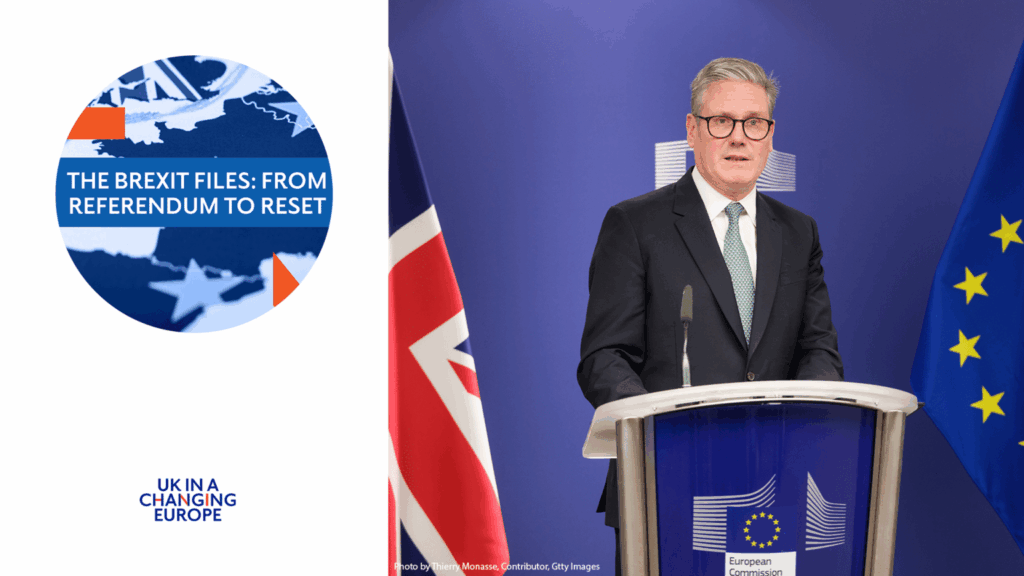
The Starmer Brexit Strategy is poised to reshape the contours of UK-EU relations as Keir Starmer leads the Labour Party into a new era of negotiation and reconciliation. Recognizing the economic ramifications of the existing Brexit deal, Starmer has asserted the need for a closer working relationship with the European Union, which could reinvigorate the British economy. By emphasizing a customs union and exploring enhanced trade ties, Starmer’s approach could appeal to both disenchanted Labour supporters and pro-EU constituencies. Critics contend that there is little substance behind these proposals, yet the strategy embodies a significant shift in how the Labour Party can frame its stance on Brexit moving forward. As the public’s sentiment regarding the effectiveness of Brexit evolves, Starmer’s vision may hold the key to garnering support in the next general election and potentially altering the landscape for the UK’s future interactions with the EU.
Keir Starmer’s planned approach to Brexit signals a pivotal change in the Labour Party’s narrative following years of division over the EU referendum. Dubbed the Starmer Brexit Strategy, this framework seeks to recalibrate the United Kingdom’s ties with Europe while addressing lingering economic concerns linked to the departure from the EU. Central to this initiative is the conversation around a potential customs union, which aims to streamline trade and foster stronger bilateral relations. As discussions continue, it becomes crucial for the Labour Party to navigate this political landscape effectively and respond to shifting voter sentiments regarding Brexit and its impacts. Ultimately, how Starmer handles these dynamics will be paramount for Labour’s electoral success and its ability to unify divergent party factions.
Keir Starmer’s Approach to Brexit: A Detailed Analysis
Keir Starmer’s stance on Brexit has evolved significantly since he first called for a second EU referendum during the 2018 Labour conference. His tenure as shadow Brexit secretary showcased a keen desire to confront the complexities of UK EU relations, emphasizing the importance of reevaluating the trade relationships that emerged post-Brexit. His approach involves a critical analysis of the Brexit deal negotiated by the Conservatives, aiming to identify areas ripe for improvement. By asserting the need for economic renewal, Starmer is setting the stage for future negotiations tailored for the benefit of the UK economy.
Despite his critique of the government’s handling of Brexit, Starmer remains committed to upholding certain frameworks established in previous negotiations, particularly those surrounding the single market and the customs union. His recent statements suggest a strategic balancing act—acknowledging public sentiment while also demonstrating the party’s intent to forge a new path in UK EU relations. This duality reflects a broader trend within the Labour Party as they redefine their position on Brexit, aiming to regain credibility among voters who may feel disillusioned with the impact of the existing customs arrangements.
Understanding the Labour Party’s Stance on the Customs Union
One of the most debated topics within the Labour Party is the potential for rejoining the customs union. This proposal has gained traction among party members who believe that it could stimulate economic growth by minimizing tariffs on trade between the UK and EU. Advocates within the party often cite the advantages of reducing trade barriers and fostering a cooperative environment for businesses. The customs union could provide an immediate avenue for economic revitalization in specific sectors that were adversely affected by Brexit, particularly manufacturing and agriculture.
However, despite internal support for the customs union, there are significant challenges that prevent a unified approach within the party. Critics argue that rejoining would require relinquishing the UK’s independent trade policy, which would contradict the government’s existing free trade agreements with non-EU countries. This intricate dance reflects broader tensions within the party—a desire to appease both long-time Labour supporters and Brexit proponents while remaining politically viable amidst changing public sentiments. As Starmer navigates these waters, the Labour Party must consider its electoral strategy concerning Brexit and how it resonates with their core base.
The Political Landscape: Navigating Voter Sentiments Towards Brexit and the EU Relations
The current political climate surrounding Brexit has shifted significantly, with many voters reassessing their initial positions. Polling indicates a growing sentiment that leaving the EU was incorrect, echoing broader frustrations with the outcomes of the Brexit deal. Labour’s strategy appears to pivot on this changing perception, as Starmer seeks to present a more nuanced approach to UK EU relations. By acknowledging that Brexit has had detrimental economic consequences, he appeals to voters who may feel misled by the promises made during the referendum.
This recalibrated stance allows the Labour Party to position itself as a champion of pragmatic solutions, emphasizing trade and economic partnerships with the EU as a path forward. However, the party faces the challenge of convincing voters in historically Brexit-supporting areas, known as ‘red wall’ constituencies, that their new strategies offer tangible benefits. Starmer’s attempts to balance progressive values with the concerns of traditional Labour supporters demonstrate the complexities of contemporary UK politics, making it essential for the party to articulate a clear vision for a revamped relationship with Europe.
Assessing Starmer’s Economic Strategy Post-Brexit
Keir Starmer’s economic strategy post-Brexit is garnering attention as he lays out specific goals for improving the UK’s economic landscape. His insistence on moving towards a closer relationship with the EU highlights a recognition that the current state of the economy has been hampered by the fallout from Brexit. This proactive economic renewal could involve negotiations aimed at reassessing trade terms and potentially reintroducing policies that align closer to those found within the customs union framework, thus enabling smoother trade and investment flows.
Additionally, the Labour Party’s current strategy centers not just on addressing immediate economic issues, but also on questioning how previously made promises during the Brexit campaign have affected various sectors. A critical analysis of the past and present challenges emphasizes a broader economic discourse that goes beyond just customs arrangements, advocating for policies that prioritize growth and stability. In doing so, Starmer aims to create a comprehensive economic portfolio that reassures the public and instills confidence in Labour’s ability to govern effectively in a post-Brexit landscape.
The Future of UK EU Relations Under Labour Leadership
As discussions on UK EU relations evolve, Starmer’s leadership will be pivotal in shaping the future direction of these ties. His vision of a recalibrated relationship with the EU suggests a readiness to engage in dialogue and negotiation over previously established frameworks. The emphasis on improving specific areas of trade arrangement speaks to a growing understanding that cooperation rather than isolation may be the most effective way forward. Labour’s potential commitment to strengthening these relations may serve as a crucial element in rebuilding public trust in the government’s capacity to address ongoing economic challenges.
However, this path is fraught with obstacles as the Labour Party must simultaneously manage its internal divisions and respond to external pressures from opposing parties who may challenge their approach. The delicate balance of reaffirming commitments to Brexit while augmenting alliances with the EU will require strategic maneuvering from Starmer. As the political landscape continues to shift, the Labour Party’s ability to navigate these challenges could define not only their electoral prospects but also the broader scope of UK EU relations in a rapidly changing global context.
Frequently Asked Questions
What is Keir Starmer’s Brexit strategy as it relates to UK-EU relations?
Keir Starmer’s Brexit strategy emphasizes the importance of a closer trading relationship with the EU while maintaining the current structure of the Brexit deal. He acknowledges that the ‘botched Brexit deal’ has negatively impacted the UK economy and seeks to address specific areas for improvement without altering the key terms of staying out of the single market and customs union.
How does Starmer’s Labour Party Brexit plan differ from the previous Conservative government’s approach?
Starmer’s Labour Party Brexit plan differs by advocating for more nuanced negotiations with the EU to enhance trading ties rather than renegotiating foundational agreements. While he respects the original Brexit vote, he believes the execution of the deal has been flawed, leading to calls for re-evaluating certain aspects of UK-EU relations.
What are the implications of Labour’s customs union discussions within Starmer’s Brexit strategy?
Discussions around a potential customs union reflect Starmer’s willingness to consider policies that could stimulate growth, such as removing tariffs on goods traded with the EU. While some within Labour see rejoining the customs union as politically feasible, it poses challenges to maintaining an independent trade policy.
How does Starmer plan to navigate the complexities of Brexit negotiations with the EU?
Starmer aims to lay a foundation for future negotiations by addressing specific areas where the UK and EU can deepen their relationship, such as youth mobility and cooperation on food regulations. His approach suggests a balancing act between respecting Brexit outcomes and seeking pragmatic improvements.
What are public sentiments regarding Brexit and how might this affect Starmer’s strategy?
Recent polling indicates that a majority of the public believes the UK made a mistake by leaving the EU, suggesting that Starmer’s strategy may be influenced by the need to appeal to disillusioned voters. A closer relationship with the EU could serve to reassure voters who are reconsidering their stance on Brexit.
What kind of economic renewal does Starmer expect from his Brexit strategy?
Starmer envisions an economic renewal through a closer trading relationship with the EU, which he claims could help recover from the adverse effects of the current Brexit deal. His strategy focuses on identifying and promoting areas for collaboration, which he believes are essential for revitalizing the UK economy.
What are the key challenges Starmer faces with his Brexit strategy?
Starmer faces challenges in balancing the demands of Labour Party factions, managing public sentiment on Brexit, and navigating potential pushback from the EU regarding any proposed changes. Additionally, the need to uphold essential aspects of the current trade agreements complicates his calls for reform.
How might Starmer’s comments on Brexit affect Labour’s position in the upcoming elections?
By carefully crafting his message around Brexit to appeal to both pro- and anti-Brexit voters, including those who may be disillusioned with the Conservatives, Starmer aims to strengthen Labour’s electoral position. Emphasizing economic growth from improved UK-EU relations could help regain voter trust.
| Key Point | Description |
|---|---|
| Starmer’s Leadership Moment | Starmer called for a second EU referendum in 2018, solidifying his future leadership of Labour. |
| Brexit and Election Outcomes | Despite Labour’s support for a second referendum, the Conservatives won the 2019 election, leading to Brexit. |
| Starmer on Brexit | Starmer speaks of resetting relations with the EU but maintains red lines on single market and customs union. |
| Economic Impact | Starmer states the Brexit deal has harmed the economy and advocates for a closer trading relationship with the EU. |
| Cabinet Dynamics | Thomas-Symonds joining the cabinet signifies potential for closer UK-EU relations, but opinions vary. |
| Customs Union Discussion | Some in Labour see rejoining the customs union as beneficial for trade, despite trade-offs. |
| Public Sentiment | Polling shows a majority believe Brexit was a mistake, reflecting changing attitudes toward EU relations. |
Summary
The Starmer Brexit Strategy is a complex response to the ongoing implications of the UK’s departure from the EU. While Sir Keir Starmer acknowledges the necessity for a closer working relationship with the EU and the adverse effects of the current Brexit deal on the economy, he reinforces the current boundaries set during the post-Brexit negotiations. His leadership approach appears to be both cautious and strategic, aimed at finding middle ground within the Labour Party and among the British populace. Ultimately, as public sentiment shifts, Starmer’s strategy may evolve towards more collaborative engagements with the EU to satisfy both Brexit proponents and opponents.