
Listen to this article
Family business succession planning is a critical factor in ensuring the longevity and prosperity of family-owned enterprises. The recent high-profile succession within the Murdoch family reminds us that passing the business torch can be fraught with emotional and legal challenges if not properly managed. Developing a solid succession plan is not merely about designating a successor, but also about preparing the next generation for the responsibilities they will inherit. Key tips for effective succession planning include fostering open communication among family members and outlining clear roles within the family firm to avoid conflicts. Properly preparing for business succession can ensure a smooth generational transition in family business, thereby safeguarding the legacy built through years of hard work and dedication.
Transitioning leadership within a family-run company, often termed as generational transition in family business, is an essential aspect that needs careful consideration. Ensuring a seamless handover of responsibilities requires a structured approach to business transfer to next generation stakeholders. Instead of merely appointing successors, focusing on developing their skills and instilling the core values of the firm is vital for sustaining its mission. Family succession strategies should encompass a holistic view that prepares future leaders not just for operational tasks, but for nurturing lasting relationships with employees and customers alike. When it comes to business continuity, solid succession strategies can determine the future success of these family-operated establishments.
Understanding Succession Planning in Family Businesses
Succession planning is a fundamental process that ensures a family business operates smoothly across generations. By establishing a clear succession strategy, family firms can prepare for major transitions that may arise as founders age or decide to step back from daily operations. One effective approach is to engage family members in the planning process early, allowing them to express their career aspirations and learn the intricacies of the business. This not only helps in identifying potential leaders but also fosters a sense of ownership among family members regarding the future of the business.
In family businesses, the emotional dynamics can complicate succession planning. Addressing issues promptly and creating an environment that prioritizes the company’s best interests over personal conflicts is crucial. Utilizing external advisors can provide an impartial perspective, aiding in the framework of a succession plan that respects both the family’s legacy and the business’s operational needs. Overall, successful succession planning merges the emotional aspects tied to family relationships while still professionally preparing the next generation to lead.
The Importance of Family Business Succession Planning
Family business succession planning is essential to avoid potential conflicts and ensure the longevity of the company. Many family firms operate without a clearly defined succession plan, which can lead to chaos during transitions when a founder exits. Engaging in effective succession planning reduces uncertainty, providing a structured pathway for the next generation to step into leadership roles. Given the unique emotional ties tied to family-owned businesses, it is vital to construct a plan that addresses these issues while aligning family values with business goals.
By developing a succession roadmap, family firms can mitigate risks associated with unexpected departures or retirements. This plan can include identifying key roles, training successors, and delineating financial arrangements. A comprehensive succession strategy also emphasizes communication within the family, ensuring everyone is on the same page. Regularly revisiting and updating this plan as the business evolves will further prepare the team for a seamless generational transition.
Best Practices for Business Transfer to the Next Generation
Transferring a family business to the next generation involves more than simply handing over the keys; it requires careful planning and consideration of both business and family dynamics. To ensure a successful transfer, implement best practices such as involving future leaders in key decisions long before the transfer is set to occur. This involvement can cultivate their skills and instill a strong sense of responsibility toward the family legacy. Programs designed to encourage children to contribute and innovate can also facilitate a smooth business transition.
Additionally, establishing a formal mentorship process where current leaders guide their successors can further enhance business continuity. By fostering an environment where knowledge transfer is a priority, family businesses can better prepare the next generation to uphold the company’s mission and values. Actively involving younger family members in business operations, financial management, and strategic planning not only aids in a successful transition but also strengthens family bonds through shared experiences.
Preparing for Business Succession: A Step-by-Step Approach
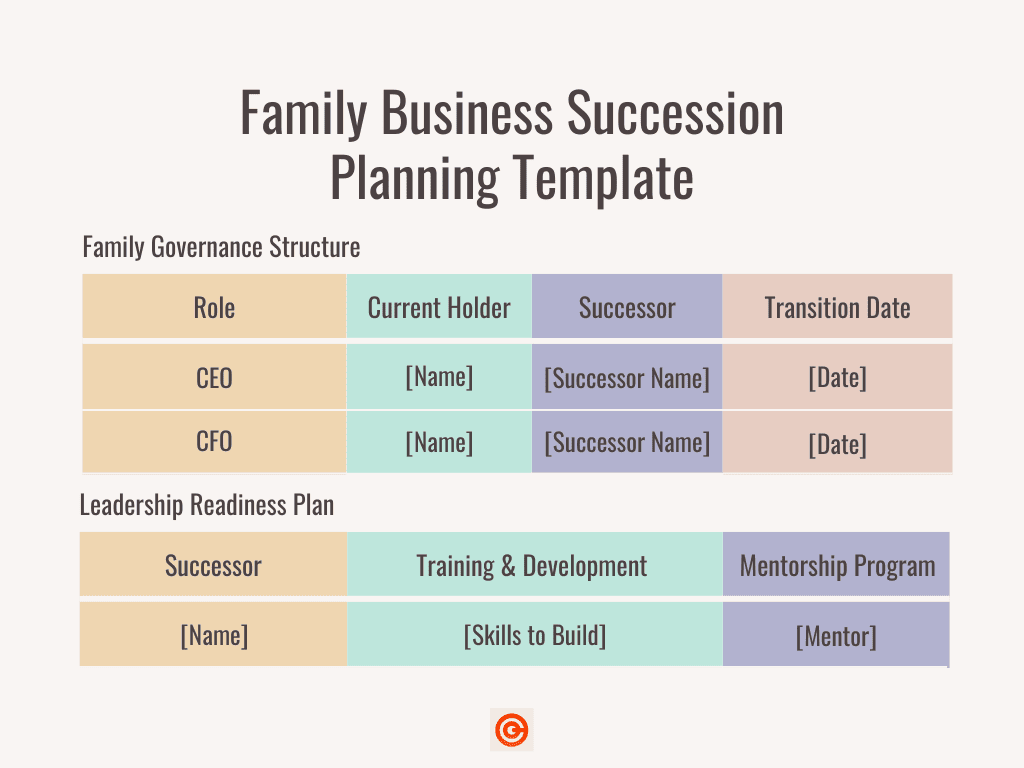
Preparing for business succession is a critical aspect that family firms must address to ensure continuity and stability. A step-by-step approach involves first assessing the business’s current needs and the competencies required for future leaders. This assessment helps identify potential successors within the family and can clarify any skill gaps that need to be filled through training or professional development. Establishing timelines for transitioning responsibilities can also be instrumental in defining clear expectations for all family members involved.
Moreover, legal and financial preparations are vital components of a thorough succession plan. This can include creating a buy-sell agreement to outline the financial dealings involved in the transfer and establishing a trust to manage family wealth. Regular communication with all stakeholders is also essential throughout this process, ensuring transparency and minimizing misunderstandings. By approaching succession with a structured plan, family businesses can navigate the complexities of leadership transitions while maintaining harmony among family members.
Generational Transition in Family Business: Challenges and Solutions
The generational transition in family businesses often presents unique challenges that can threaten the stability of the firm. Differences in vision and approach between generations can result in conflict, making it imperative to establish a clear communication plan as part of the succession strategy. Regular family meetings and discussions about the future direction of the company can help bridge the gap between different leadership philosophies, ensuring that everyone feels involved in the decision-making process.
Additionally, it is crucial to recognize and respect the different skills and perspectives each generation brings to the table. As technology and markets evolve, the new generation may introduce innovative ideas that can refresh the business. Therefore, promoting a collaborative culture that values contributions from both seasoned leaders and emerging successors can strengthen the company’s overall resilience during transitions. Emphasizing teamwork and shared goals can transform challenges into opportunities for growth.
Common Succession Planning Tips for Family Firms
There are several essential tips that family firms can follow to ensure effective succession planning. First, documenting the succession plan is vital—this encompasses outlining roles, responsibilities, and timelines to clarify expectations for all parties involved. A well-documented plan serves as a roadmap for navigating the transition smoothly, avoiding confusion about succession responsibilities.
Another tip involves seeking external advice to gain an objective perspective on the upcoming transition. Engaging consultants or legal advisors specialized in succession planning can provide valuable insights and create a more structured approach to management transitions. Finally, prioritizing family involvement in the business early on can enhance the next generation’s commitment and preparation for future leadership roles.
The Emotional Dynamics of Family Business Succession
The emotional dynamics of family business succession cannot be overlooked, as they play a significant role in shaping the transition process. Family members often have strong personal attachments to both the business and each other, which can complicate decisions during leadership changes. Recognizing and addressing these emotional challenges is essential for promoting harmony within the family and ensuring a successful succession.
One effective strategy is to establish guidelines for emotional discussions during succession planning meetings, fostering an open environment where family members feel comfortable expressing their concerns. This transparency allows the family to navigate sensitive topics more effectively and diminishes the risk of unresolved emotional conflicts arising during or after the transition. By approaching succession with empathy and understanding, families are more likely to preserve their legacy while successfully passing their business to the next generation.
Building a Future: The Role of Training in Succession Planning
Training is a critical component of successful succession planning for family businesses. By proactively developing the skills of future leaders, family firms can ensure continuity and maintain the values that have been integral to their success. Implementing training programs that cover various aspects of the business, from financial management to customer relations, prepares the next generation for the complexities they will face as leaders.
Moreover, mentorship programs that pair established leaders with potential successors can provide personal, hands-on experience that is invaluable in preparing the next generation for leadership roles. This relationship fosters trust and knowledge transfer, ensuring the family business remains robust and vibrant even as it transitions to new leadership. Encouraging ongoing education and professional development within the family not only reinforces commitment to the business but also prepares successors to navigate challenges with confidence.
The Legacy of Family Businesses: Ensuring Continuity Through Succession
Ensuring continuity through succession is paramount for preserving the legacy of family businesses. A well-crafted succession plan should reflect the founding principles of the firm while adapting to modern business practices. This balance is essential in maintaining brand integrity and ensuring that the successors are well-equipped to uphold the familial and organizational values that have shaped the company’s identity.
Additionally, involving successors in the company’s strategic planning and vision-building helps create a sense of belonging and commitment. As new leaders emerge, their input can energize the business, fostering innovation while staying true to its roots. The legacy of a family business is not just about maintaining operations; it’s about cultivating the next generation of leaders who will champion the company’s mission and ensure its survival and growth in the future.
Frequently Asked Questions
What are effective succession planning tips for family business succession?
Effective succession planning tips for family business succession include starting early, involving future leaders in the business, and establishing clear roles. Engage in regular family meetings to discuss plans and heir interests, and consider bringing in external advisors for impartial advice. Additionally, ensure formal documentation is in place to manage transitions smoothly.
How can a family firm ensure a successful family business succession?
To ensure a successful family business succession, create a structured plan that outlines leadership roles, management expectations, and an executive framework. Engage family members in discussions about their aspirations and involve professional mentors to help guide the transition process. This collaborative approach minimizes emotional conflicts and aligns family and business goals.
What should be considered when preparing for business succession in a family firm?
When preparing for business succession in a family firm, consider the talents and interests of family members, the company’s long-term vision, and financial implications. Create a timeline for the transition and ensure communication is transparent throughout the process. It is vital to establish trusting relationships among family members to facilitate a smooth transition.
What challenges arise during the generational transition in family business succession?
Challenges during generational transition in family business succession often include emotional dynamics, differing visions for the company, and resistance to change from older generations. Overcoming these hurdles requires clear communication, defined roles, and a commitment to shared values, ensuring all family members feel heard and valued throughout the transition.
What role does external expertise play in family business succession planning?
External expertise plays a crucial role in family business succession planning by providing unbiased perspectives and professional guidance. Advisors can assist in creating legal documents, navigating tax implications, and resolving potential conflicts within the family. Utilizing external experts can enhance the effectiveness of the succession strategy and ensure the business’s ongoing success.
How can businesses effectively communicate their succession plan to family members?
Businesses can effectively communicate their succession plan to family members by holding regular meetings where all stakeholders can share their thoughts and concerns. Present the plan openly, ensuring everyone understands their roles and responsibilities in the transition. Providing educational resources and involving family members in decision-making can foster a collaborative environment and build commitment to the plan.
| Key Points | Details |
|---|---|
| Importance of Succession Planning | Family businesses must have a thorough succession plan to avoid emotional and legal challenges. |
| Case Study: Walker’s Shortbread | Utilizes a ‘cousins consortium’ model encouraging family involvement in management roles. |
| Consensus in Decision Making | The company prioritizes decisions that benefit the business while ensuring family unity. |
| External Guidance | Engages with external experts for legal and formal succession planning. |
| Learning from Past Mistakes | Dr. Bronner’s faced issues due to poor planning in the past; now emphasizes involving children early. |
| Building Next Generation Leaders | St. James Town Steak and Chops trains children directly for future management. |
| Emotional Ties | Family dynamics can complicate business decisions, increasing the need for clear plans. |
Summary
Family business succession planning is essential for ensuring the smooth transition of leadership to the next generation. As demonstrated by prominent family firms like Walker’s Shortbread and Dr. Bronner’s, having a clear and well-structured succession strategy mitigates risks of emotional disputes and operational disruptions. Engaging family members in the planning process not only prepares them for future roles but also reinforces the company’s foundational values. In summary, a strategic approach to family business succession is vital for longevity and stability.

