
Listen to this article
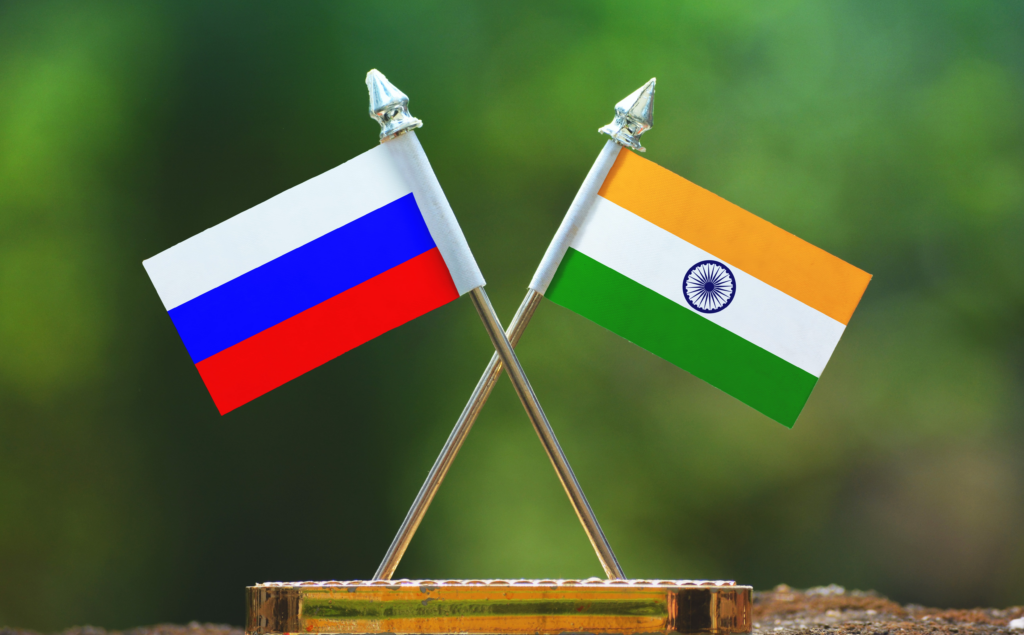
India-Russia relations have remained a topic of vital importance in the context of global geopolitics, particularly during President Vladimir Putin’s recent two-day visit to India for the Modi-Putin summit. As both leaders unite, expectations are high that they will discuss significant India Russia trade deals amidst rising geopolitical tensions influenced by the West. Their long-standing defense partnership highlights the necessity for India to secure advanced military capabilities, especially in an environment increasingly strained by U.S. sanctions against Russia. Moreover, with India emerging as a major oil consumer, the increased purchases of discounted Russian crude underline the economic interdependency of these nations. The forthcoming discussions are not merely about bilateral agreements but also about reinforcing a shared vision in a progressively multipolar world.
The camaraderie between India and Russia is often referred to as a “special relationship,” highlighting decades of diplomatic engagement and economic cooperation. This partnership, rooted in historical ties from the Soviet era, has adapted over time, manifesting today in diverse fields such as trade and defense. As geopolitical currents shift with rising pressures from Western nations, both countries are keen to explore opportunities that fortify their alliance while navigating the complexities of international diplomacy. The recent discussions in Delhi are expected to revolve around strategic alignments that enhance both nations’ interests, particularly in defense procurement and energy security. Understanding this relationship through a broader lens reveals intricate dynamics at play that shape not just regional stability but also global economic landscapes.
The Significance of India-Russia Relations
India-Russia relations have long been characterized by a deep-rooted strategic partnership that dates back to the Cold War. This friendship, fortified over decades, has evolved into a multifaceted engagement involving trade, defense, and cultural exchanges. As Russian President Vladimir Putin arrives in India, the significance of this bilateral relationship cannot be overstated, especially in the context of recent geopolitical tensions. With uncertainties in the global order, both nations are recalibrating their alliances, making their meeting crucial for the future trajectory of their partnership.
Furthermore, India’s burgeoning economy presents a prime opportunity for Russia to expand its market reach. With India being one of the fastest-growing major economies, the Kremlin sees this as a chance to diversify its economic dependencies, particularly in light of Western sanctions. The recent shifts in Indian oil imports—from a mere 2.5% to a staggering 35%—highlight the potential for deepening economic ties, especially in the energy sector where both countries stand to benefit significantly.
Putin’s Visit: A Catalyst for Trade Deals
During his visit to India, President Putin is anticipated to discuss a range of financial and defense agreements that could reshape the landscape of India-Russia trade. India has shown keen interest in upgrading its defense capabilities, evidenced by its plans to purchase advanced fighter jets and missile systems from Russia. Such deals not only bolster India’s defense strategy but also cement Russia’s status as a pivotal arms supplier in the face of rising Chinese military power.
Moreover, the visit is likely to yield various economic initiatives aimed at boosting bilateral trade, which has been historically underwhelming when juxtaposed against the potential benefits. Analysts suggest that India could endeavor to broaden its trade portfolio with Russia beyond just military equipment and oil. By establishing a more balanced trading relationship, India can mitigate the risk of over-dependence on any single sector, thus ensuring a more stable economic partnership in the long run.
Geopolitical Context of the Modi-Putin Summit
The timing of President Putin’s visit coincides with a period of heightened geopolitical tensions between the West and Russia, particularly following the invasion of Ukraine. Modi’s proactive stance in maintaining a dialogue with Putin has drawn attention as a demonstration of India’s strategic autonomy. Despite facing pressure from the United States to reduce its reliance on Russian oil, India has forged ahead, illustrating its desire to maintain robust ties with Russia while balancing its Western alliances.
This summit frames a critical juncture for both leaders, as they navigate through their respective diplomatic challenges. For Modi, strengthening ties with Russia signals a commitment to a multipolar world order, while simultaneously attempting to mend relations with Western powers. The outcome of this meeting will not only influence India-Russia dynamics but could also reshape regional alliances and economic frameworks amidst the ongoing fallout from geopolitical crises.
Russia-India Defense Partnership: A Strategic Necessity
The defense partnership between Russia and India is among the most critical facets of their bilateral ties. Historically, Russia has been the primary arms supplier to India, providing a range of military equipment and technologies that have proven indispensable for India’s defense capabilities. In light of recent conflicts and the evolving security landscape in Asia, the need for advanced military procurement from Russia has never been more pertinent, especially as India seeks to counter balance against regional threats such as China’s military assertiveness.
As such, discussions around new defense deals during Putin’s visit are anticipated to include high-tech systems that could significantly enhance India’s military readiness. The focus on modernizing defense relationships reflects a mutual recognition of evolving security threats, reinforcing why the India-Russia defense partnership remains a cornerstone of their strategic alignment.
Economic Opportunities in Bilateral Trade
Beyond defense and oil, the economic prospects within bilateral trade offer substantial growth opportunities for both India and Russia. Modi’s government is keen on diversifying the economic interaction with Russia, particularly in sectors like technology, pharmaceuticals, and agriculture. The fundamental hope is for Indian products to gain entry into Russian markets, which have remained underexploited due to past geopolitical constraints. This potential expansion could pave the way for increased cooperative ventures that benefit both nations economically.
Furthermore, as Russia seeks to recover its economy from the ramifications of sanctions and the ongoing conflict, India’s flexible bilateral trade agreements can serve as a lifeline. A focus on consumer goods and technological exchanges could not only help bridge existing trade imbalances but also fortify the economic partnership, reinforcing the interdependence that comes with robust trade ties.
India’s Autonomy Amidst Global Pressures
India’s approach to its international relations is shaped by a nuanced understanding of strategic autonomy—balancing its ties with Russia and the West simultaneously. Modi’s administration has consistently stressed the importance of independent agency in navigating diplomatic waters, particularly amid global pressures to conform to Western narratives regarding Russia. This balancing act not only showcases India’s diplomatic maturity but also its commitment to fostering partnerships grounded in mutual respect and shared benefits.
In light of western pressures on India to condemn Russia, Modi’s handling of the situation has involved emphasizing dialogue over conflict. This stance reflects a proactive strategy to maintain independence in foreign policy while also building a pragmatic approach towards defense and economic collaboration with Russia. The challenge moving forward is to navigate these complex dynamics without alienating critical relationships with Western nations.
Future of India-Russia Relationship: Expectations and Challenges
Looking ahead, the expectations surrounding the India-Russia relationship are tempered by the complexities of the current geopolitical landscape. While the partnership has historically thrived on mutual interests in defense and energy, there remain significant challenges on the horizon. The pressure from the West, particularly in the wake of the Ukraine war, poses a serious consideration for India, which seeks to strengthen ties without compromising its global standing or incurring punitive economic sanctions.
It is pivotal for both leaders to address these challenges head-on during this summit. A successful outcome could lay the groundwork for a revitalized partnership that spans multiple sectors beyond defense, while also countering the narrative of isolation propagated by the West. Ultimately, the success of their engagements will depend on their ability to collaboratively navigate the intricate dance of diplomacy amidst shifting global alliances.
Strategic Balancing: India’s Diplomatic Tightrope
As Modi meets with Putin, he faces a significant diplomatic tightrope: maintaining the special relationship with Russia while recalibrating ties with Western powers. This balancing act is complex, requiring careful consideration of both immediate strategic interests and long-term diplomatic goals. The need for oil and military supplies from Russia is balanced against the necessity of favorable relations with the US and its allies, who have been vocal about condemning Russia’s actions.
Navigating through these competing pressures demands an astute diplomatic approach from Modi, who must leverage the India-Russia relationship to secure better terms of engagement with the West. The outcomes of the summit may influence India’s position in global affairs and its ability to emerge as a strong, autonomous player on the world stage, equipped to balance economic and security needs against geopolitical realities.
Implications of Multilateral Engagements: India and Russia
The implications of the multi-faceted relationship between India and Russia extend beyond their bilateral deals and defense agreements; they resonate within the larger framework of global politics. Both nations perceive themselves as crucial players in advocating for a multipolar world, where their strategic partnerships play a definitive role in countering Western dominance in international politics. This perspective shapes their engagement strategies with other nations, particularly in Asia and the growing importance of partnerships with China.
Thus, as Putin and Modi aim to strengthen their bilateral ties, the ramifications of their engagements could set precedents for other nations assessing their foreign policy direction. By demonstrating the ability to collaborate despite significant external pressures, they may inspire other countries to pursue independent trajectories in their diplomatic relations, challenging the traditional power dynamics prevalent in global politics.
Frequently Asked Questions
What are the implications of the Putin visit to India on India-Russia relations?
The Putin visit to India is significant for strengthening India-Russia relations, focusing on economic ties, defense collaborations, and geopolitical dynamics. With discussions expected on key trade deals, particularly in oil and defense, this summit reinforces the partnership amidst evolving global pressures.
How will the Modi Putin summit impact India Russia trade deals?
The Modi Putin summit is poised to enhance India-Russia trade deals by addressing the trade imbalance created by India’s increased oil imports from Russia. The leaders are anticipated to negotiate agreements that will diversify trade beyond defense and oil, fostering new economic opportunities.
What is the current state of the India Russia defense partnership?
The India Russia defense partnership remains strong yet evolving. Historically reliant on Russian military supplies, India is now diversifying its defense procurement. The upcoming discussions during Putin’s visit might include significant arms deals, including advanced fighter jets and air defense systems.
How do geopolitical tensions affect India Russia relations?
Geopolitical tensions, particularly regarding Western sanctions on Russia due to its actions in Ukraine, highlight India Russia relations. India seeks to maintain its strategic autonomy while navigating pressures from Western nations, making its ties with Russia a critical component of its foreign policy.
What can be expected from the upcoming Modi Putin summit regarding strategic autonomy?
The upcoming Modi Putin summit is critical for reaffirming India’s strategic autonomy. Modi aims to strengthen ties with Russia while managing the delicate balance of relationships with Western allies. This approach underscores India’s prioritization of national interests in a multipolar geopolitical landscape.
| Key Points | Description |
|---|---|
| Visit of Putin | Russian President Vladimir Putin visits India for two days to meet Prime Minister Narendra Modi. |
| Deal Signings | India and Russia expect to sign multiple agreements during the visit. |
| Economic Relations | India has significantly increased its oil imports from Russia due to price discounts. |
| Defense Ties | India plans to purchase advanced military equipment from Russia, continuing a long-standing tradition. |
| Geopolitical Context | Putin’s visit reinforces Russia’s relationships with India amidst Western sanctions. |
| India’s Autonomy | Modi maintains a balancing act between relations with Russia and pressures from the West. |
| Trade Balance | Modi aims to increase bilateral trade beyond oil and defense. |
Summary
India-Russia relations are characterized by decades of strategic partnership and mutual benefit. As Putin visits India, both nations are poised to strengthen their ties amid evolving geopolitical dynamics. The enduring friendship, complemented by significant trade agreements and defense collaboration, underlines the importance of these relations in a multipolar world. Modi’s efforts to navigate pressures from the West while affirming India-Russia ties demonstrate the country’s strategic autonomy, essential for its global aspirations.

