Listen to this article
Putin’s intentions in Ukraine have become a focal point of international scrutiny, especially as tensions continue to escalate nearly four years into the conflict. Recent diplomatic endeavors have underscored that the Kremlin leader is far from ready to engage in any peace agreements, reflecting a steadfast commitment to his military objectives. In light of Vladimir Putin’s mood, characterized by defiance and hostility towards Ukraine’s leadership, the situation seems increasingly precarious. Furthermore, the ongoing military strategy is not only about territorial gains but also about bolstering national pride amidst economic challenges fueled by sanctions. As the Russian economy grapples with war-related pressures, the implications of Putin’s unwavering stance raise critical questions for future diplomacy and the unfolding Ukraine conflict.
The geopolitical landscape surrounding Russia and its military actions in Ukraine is increasingly complex, as President Putin remains resolute in his approach. Observations regarding Putin’s mindset reveal a leader who prioritizes military dominance and refuses to yield to diplomatic overtures. The ongoing hostilities, viewed through the lens of Russian-Ukrainian relations, underscore the profound impacts of the conflict on regional stability and global security. While Putin pursues aggressive strategies, the state of the Russian economy remains a pivotal factor that could eventually influence his decisions on the battlefield. Therefore, understanding Putin’s strategic intentions in Ukraine is crucial for comprehending the broader implications for international diplomacy and the ongoing military engagement.
Putin’s Intentions in Ukraine: A Stubborn Stance
Vladimir Putin’s intentions in Ukraine have become increasingly clear amidst the ongoing diplomatic efforts. His refusal to sign a peace agreement, particularly the proposed deals pushed by international diplomats, underscores a resolute strategy aimed at maintaining Russian dominance in the region. This uncompromising posture is not merely a reflection of a hardline ideology; it highlights Putin’s belief that any concessions at this moment would undermine the perceived strength of Russia on the battlefield. After extensive discussions with key international figures, Kremlin aides have indicated that no viable compromise exists, reinforcing the notion that the Russian president remains steadfast in his approach.
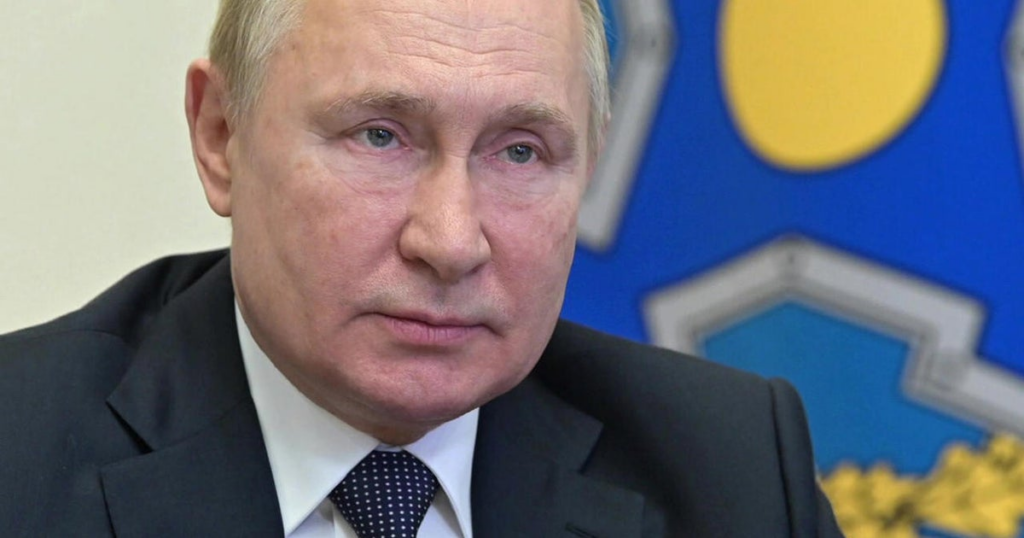
Recent statements from Putin paint a picture of a leader determined to project confidence, even in the face of significant military losses and mounting economic pressure. By denouncing the Ukrainian leadership and accusing European powers of undermining peace efforts, Putin aims to rally domestic support and strengthen his narrative of an active, successful military campaign. His appearances in military attire and focus on front-line achievements serve to bolster the perception that he has the upper hand, which is crucial for maintaining the morale of both his military and the Russian populace.
The Kremlin’s Approach to Diplomacy and Military Strategy
The Kremlin’s tactics in diplomacy echo the broader contours of Putin’s military strategy in Ukraine—an attempt to assert power without yielding ground. By continuously rejecting compromise and undermining the credibility of opponents, Putin seeks to emphasize his control over the situation. The depiction of the Ukrainian government as a “thieving junta” not only serves to delegitimize their authority but also aims to cultivate a narrative that legitimizes Russia’s military actions. This aggressive characterization is indicative of a broader strategy designed to fortify his position both regionally and on the global stage.
However, the intersection of military strategy and diplomatic efforts raises critical questions, particularly regarding the Russian economy and its capacity to sustain prolonged conflict. Economic constraints could force the Kremlin to reassess its military ambitions if sanctions continue to erode vital resources. As revenues from oil and gas dwindle and the budget deficit expands, the Kremlin’s ability to finance its operations may be jeopardized, potentially making its current aggressive stance untenable. Thus, while Putin may currently prioritize military objectives, the underlying economic reality could necessitate a shift in strategy if long-term sustainability becomes threatened.
Impact of Sanctions on Russian Economy and Military Operations
Western sanctions have posed significant challenges to the Russian economy, impacting Vladimir Putin’s ability to fund military operations in Ukraine effectively. Despite the Kremlin’s attempts to project strength, signs of economic strain are becoming increasingly evident. Declining revenues from oil and gas—historically the backbone of Russia’s economy—are exacerbated by global sanctions aimed at crippling its war efforts. The resulting budgetary pressures not only threaten the sustainability of the “special military operation” but also create a precarious situation for the Russian leadership.
Putin’s acknowledgment of economic “imbalances” suggests an awareness of the precarious balance between military ambition and economic reality. The struggles in various sectors to maintain or grow production output hint at deeper systemic problems within the Russian economy that could eventually impede military capabilities. As the international community continues to reinforce economic sanctions, the Kremlin’s capacity to sustain its military strategy may wane, prompting a potential re-evaluation of Putin’s aggressive tactics in Ukraine.
Perception vs. Reality: Putin’s Military Victories
Vladimir Putin’s portrayal of military successes in Ukraine often masks the underlying realities of the conflict. While Russian state television broadcasts images of military exercises and claimed victories, independent observers frequently contest these narratives, suggesting a significant reporting gap between official statements and actual events on the ground. This dissonance raises questions about the credibility of Putin’s assessments of the situation and whether they serve more as propaganda aimed at bolstering public morale than as accurate reflections of military progress.
Moreover, the implications of this portrayal extend beyond Russian borders, impacting international perceptions of the conflict. By emphasizing military prowess, Putin aims to instill fear and uncertainty among adversaries, suggesting that he has the initiative in the ongoing conflict. However, as reports of significant battlefield losses emerge, the veneer of invincibility begins to crack. Striking the right balance between showing strength and managing the narrative is crucial for the Kremlin, as public sentiment and international responses to the war evolve in light of these ongoing developments.
The Role of International Diplomacy in the Ukraine Conflict
The role of international diplomacy remains pivotal in the unfolding Ukraine conflict, affecting not only the prospects for peace but also the strategies employed by both Russia and Ukraine. Despite the clear impasse in negotiations, continued dialogue reflects the complexities of the situation, as global leaders attempt to navigate a path towards resolution. The involvement of countries like the United States signals the importance of multilateral engagement, yet the recurring theme of Russia’s unwillingness to compromise complicates these efforts, leaving the world to grapple with the implications of his steadfast approach.
Nevertheless, the dynamic of international diplomacy also serves as a counterbalance to Russia’s ambitions. As sanctions and diplomatic pressure mount, the potential for economic repercussions to influence Putin’s decision-making becomes increasingly significant. International efforts to isolated Russia economically could sway its strategic calculations, revealing the inherent interdependence between military actions and diplomatic resolutions. Understanding this interplay is crucial for formulating effective responses to the ongoing conflict.
Understanding Vladimir Putin’s Overarching Goals in the Ukraine Conflict
To grasp the full scope of Vladimir Putin’s motivations in the Ukraine conflict, one must consider the overarching goals that inform his actions. In his view, maintaining and expanding Russia’s sphere of influence is essential not only for national pride but also for perceived security against Western encroachment. By attempting to reintegrate Ukraine into the Russian sphere, Putin aims to send a message about Russia’s strength and determination to assert itself against Western powers in the region.
These ambitions resonate deeply with domestic narratives of historical significance, where Ukraine is often viewed as an integral part of Russian identity. This historical context fuels Putin’s resolve, as he perceives himself as a guardian of a Russian world, making compromise seem tantamount to a betrayal of national interests. Thus, his steadfastness in pursuing the conflict underscores a broader vision that transcends mere military objectives, reflecting a deeply held belief in Russia’s right to assert its influence in the post-Soviet space.
Escalation or Negotiation: The Future of Russia’s Engagement in Ukraine
The future of Russia’s engagement in Ukraine remains uncertain, hinging on the delicate balance between escalation and negotiation. As military actions continue to unfold, the potential for renewed diplomatic efforts presents a double-edged sword for Putin’s regime. On one hand, extended military confrontations could further cripple the Russian economy, raising questions about the sustainability of such a strategy. On the other hand, the prospect of negotiations may compel Putin to reassess his positions, especially if economic sanctions mount and domestic pressures increase.
The trajectory of Putin’s approach will likely depend on both internal and external factors, including the stability of the Russian economy amid increased sanctions and the resilience of Ukrainian military resistance. The current geopolitical climate necessitates a careful evaluation of how long Russia can maintain its aggressive posture without consequences. As key players in the international community continue to advocate for dialogue, the dynamics of war and peace in Ukraine hang in the balance.
Domestic Sentiment and Support for Putin’s War Efforts
The domestic sentiment within Russia plays a crucial role in shaping Putin’s decisions regarding the conflict in Ukraine. While the Kremlin has historically managed to suppress dissent and cultivate a narrative of national pride around military operations, the economic toll of the war could potentially erode public support. As sanctions tighten and economic realities set in, ordinary Russians may begin to question the long-term viability of Putin’s aggression, leading to a potential shift in public opinion.
Moreover, the Russian government’s control over media narratives means that the presentation of the war is heavily curated to shape perceptions. However, as the realities of economic struggles become more pronounced, there may come a point where the official narratives clash with lived experiences, prompting citizens to reassess their support for the war. The interplay between domestic sentiment and military ambition could therefore become a pivotal factor in the ongoing conflict, influencing not only Putin’s strategy but also the potential for future negotiations.
Frequently Asked Questions
What are Vladimir Putin’s current intentions regarding the Ukraine conflict?
Vladimir Putin’s current intentions regarding the Ukraine conflict indicate that he is not ready to sign a peace agreement. His recent statements reflect an uncompromising attitude, as he continues to portray Ukraine’s leadership negatively and claims Russia’s military initiative is strong. Despite significant losses, he believes he is winning the war and aims to maintain this perception to deter Western influence.
How do recent events reveal Putin’s military strategy in Ukraine?
Recent events reveal that Putin’s military strategy remains aggressive, as he emphasizes military victories, often contradicting accounts from Ukraine and international observers. His willingness to showcase combat readiness while rejecting diplomatic compromises suggests a continued commitment to military action rather than peaceful resolution.
What is the impact of the Russian economy on Putin’s intentions in Ukraine?
The Russian economy faces significant challenges due to international sanctions, which could eventually impact Putin’s intentions in Ukraine. While he currently insists that the economy can still support military efforts, declining oil and gas revenues alongside a growing budget deficit raise questions about the sustainability of ongoing military operations.
How does Putin’s mood influence Russia’s diplomacy with Ukraine?
Putin’s mood influences Russia’s diplomacy with Ukraine by projecting an image of defiance and strength. His recent uncompromising statements and refusal to negotiate significant peace terms reflect a calculated approach aimed at maintaining control over the narrative and discouraging Western intervention, despite the underlying economic pressures.
What does the Kremlin’s lack of compromise signify for future negotiations with Ukraine?
The Kremlin’s lack of compromise signifies a continued stalemate in future negotiations with Ukraine. It suggests that unless there is a significant shift in Putin’s military strategy or economic capacity, the prospect of a peace agreement remains unlikely, further entrenching the conflict.
How might international sanctions affect Putin’s military strategy in Ukraine?
International sanctions might pose a challenge to Putin’s military strategy in Ukraine by straining Russia’s economic resources. However, until such sanctions visibly weaken Russia’s military capabilities, it seems that he will maintain his current approach, prioritizing military engagements over diplomatic resolutions.
What role does Putin’s perception of victory play in his actions towards Ukraine?
Putin’s perception of victory plays a crucial role in his actions towards Ukraine, as he appears determined to project an image of success to both domestic and foreign audiences. This perception fuels his resistance to withdrawing or compromising, reinforcing his position in the ongoing conflict despite mounting economic difficulties.
What future outcomes can we expect regarding Russian military actions in Ukraine?
Future outcomes regarding Russian military actions in Ukraine will likely depend on how economic pressures affect Kremlin calculations. As long as Putin believes he can sustain military operations, we may see continued aggression; however, if economic conditions worsen significantly, it could prompt a reassessment of his strategy.
| Key Point | Details |
|---|---|
| No Peace Agreement Yet | Putin is currently unwilling to sign a peace agreement or any proposed deals. |
| Kremlin’s Firm Stance | Putin has made uncompromising statements, labeling the Ukrainian government negatively and asserting military initiative. |
| Continued Military Focus | Putin displays confidence in military success despite economic challenges and public disputes about victories. |
| Economic Challenges | Despite continuing to fund the war, Russia faces declining oil revenues and a growing budget deficit. |
| Future Uncertainties | It remains to be seen how economic issues might influence military strategies and Putin’s decisions moving forward. |
Summary
Putin’s intentions in Ukraine are characterized by his refusal to pursue peace agreements and a steadfast commitment to continuing military engagement. Despite enduring significant losses and economic pressures, he projects an image of confidence regarding Russia’s military objectives. The Kremlin’s uncompromising stance reveals a leader who is not ready to change course, believing he can withstand both internal and external pressures. However, as economic challenges mount, the critical question arises: will these pressures eventually impact his aggressive strategies in Ukraine?