
Listen to this article
The Fabergé egg embodies the pinnacle of luxury and craftsmanship in decorative arts, renowned for its intricate designs and rich historical significance. Recently, the much-coveted Winter egg, originally commissioned as an imperial Easter gift by Emperor Nicholas II, redefined the auction landscape by fetching a staggering £22.9 million in London. Celebrated as a masterpiece among Fabergé’s creations, this historical Fabergé egg captures the essence of Russian royal treasures and their lavish heritage. Its record-breaking sale highlights the continuous allure of exquisite artifacts, as collectors clamored to own a piece of this extravagant legacy. With only a few imperial Easter eggs left in private collections, the Fabergé auction record serves as a testament to the enduring fascination with these remarkable works of art, magnifying their value in the world of high-end auctions.
Often referred to as ornamental eggs or luxury collectibles, Fabergé creations are celebrated not only for their aesthetic appeal but also for their deep-rooted connections to Russian history and royalty. The legacy of Peter Carl Fabergé, the illustrious jeweler behind these exquisite artifacts, continues to captivate art enthusiasts and collectors alike. Each piece, including the famed Winter egg, tells a unique story, merging artistry with the heritage of a grand imperial era. Items of this nature, often spotlighted at prestigious winter egg sales or in renowned auctions, resonate well beyond their material worth, symbolizing the richness of cultural narratives and historical significance. Such unique offerings maintain a prominent status within the realm of fine art, reinforcing their desirability among discerning collectors.
The Allure of the Fabergé Egg: A Timeless Legacy
The Fabergé egg has long captured the imaginations of collectors and historians alike, serving as a symbol of the opulence associated with the Russian imperial family. Crafted by the renowned jeweler Peter Carl Fabergé, these eggs were intricately designed to celebrate Easter, each one uniquely tailored with precious gems and artistic flair. The Winter egg, in particular, represents this legacy—commissioned by Emperor Nicholas II for his mother, it is a masterpiece that combines elegance with a rich historical narrative. Auctioned recently for a staggering £22.9 million, this egg emphasizes the continued fascination and value placed on Fabergé’s creations, marking a pivotal moment in the world of luxury collectibles.
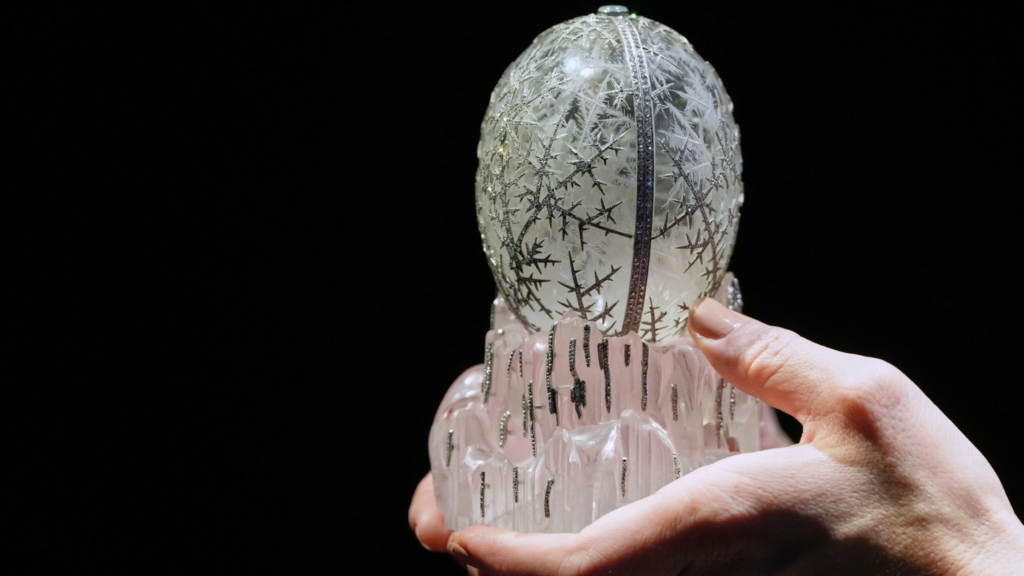
As the finest example among Fabergé’s imperial Easter eggs, the Winter egg showcases the extraordinary craftsmanship that has become synonymous with the brand. Its design, featuring a rock crystal shell with exquisite frost engravings and diamond motifs, speaks to the artistry and innovation of early 20th-century Russian artisans. The historical significance of such pieces, intertwined with the royal lineage and monumental events like the Russian Revolution, adds layers of interest for both collectors and new admirers. With only a limited number of Fabergé eggs in existence, the Winter egg not only holds aesthetic value but also serves as a tangible connection to Russia’s regal past.
Historical Significance of the Winter Egg
The Winter egg is more than just a beautiful artifact; it is laden with historical context that enhances its appeal and value. Commissioned in 1913, during a time of great political change, this egg reflects both personal affection and the grandeur of the Russian Empire. The story of the Winter egg spans decades, from its creation as a gift for Dowager Empress Maria Feodorovna to its turbulent journey through the Russian Revolution and subsequent rediscovery in the 1990s. Each chapter of its history is filled with intrigue, making it a prime example of Russian royal treasures that have survived the test of time, more than mere novelties, but significant objects steeped in cultural heritage.
The auction record achieved by the Winter egg not only reverberates within the collectibles market but also shines a spotlight on the historical narrative surrounding Fabergé eggs. The journey from imperial possession to the auction block is fraught with drama, including governmental confiscation and changing ownership, symbolizing the profound shifts in Russian society. Collectors invest not just in the aesthetic beauty of these pieces but also in the rich history that accompanies them. For instance, the Winter egg, once thought lost, serving as a reminder of resilience and the tangible legacy of a bygone era, adds another layer of appeal for prospective buyers.
Fabergé Auction Records: Breaking Boundaries
The recent sale of the Winter egg at Christie’s auction house has once again highlighted the soaring interest in Fabergé pieces, smashing previous auction records with a final bid of £22.9 million. This sale not only sets a benchmark for future Fabergé auctions but also speaks volumes about the continued demand for historical artifacts that resonate with collectors worldwide. The previous record, held by the Rothschild egg, was surpassed significantly, showcasing the escalating allure of these exquisite creations, especially amidst collectors seeking to acquire pieces with verifiable provenance and captivating stories.
This monumental sale demonstrates the resilience and growth of the art and collectibles market, particularly for historical treasures like Fabergé eggs. Collectors are increasingly drawn to items that not only showcase supreme craftsmanship but also possess stories that weave together the history of a nation. It is a testament to the enduring appeal of not just the glamorous exterior of these pieces but also the rich tapestry of their background. With each breaking auction record, the narrative surrounding Fabergé continues to evolve, solidifying its importance in both art history and luxury culture.
The Unique Features of the Winter Egg
What sets the Winter egg apart from other Fabergé creations is its extraordinary craftsmanship and the unique materials used in its construction. Crafted from rock crystal, decorated with intricate rose-cut diamond motifs, the egg encapsulates the winter season with its delicate frost pattern—an artistic representation that showcases the skill and imagination of Fabergé’s workshop. Such attention to detail emphasizes how these eggs were not mere decorative objects but were, in fact, works of art that combined intricate engineering with luxurious aesthetics. This kind of artistry is emblematic of the opulent period of the Russian Empire, making the Winter egg a fitting addition to any serious collector’s inventory.
The significance of the Winter egg extends beyond its visual appeal; it embodies the height of artisanal craftsmanship prevalent in early 20th-century Russia. Each Fabergé egg was designed to captivate, making them sought-after presents within the imperial family and among royalty across Europe. The Winter egg’s elaborate design serves to celebrate not only its seasonal theme but also the technique that was revolutionary for its time. Thus, the market for such intricately detailed pieces has only grown, with collectors eager to secure a piece that represents the pinnacle of luxury and cultural significance.
The Fascination with Historical Fabergé Eggs
The allure of historical Fabergé eggs lies deeply rooted in their rich narratives intertwined with Imperial Russia’s history. Each egg tells a story, reflecting family bonds, cultural heritage, and artistic innovation. The fascination extends beyond mere aesthetics; these eggs symbolize the era’s socio-political climate and the personal lives of their original owners. As collectors vie for these exquisite pieces, they invest in stories borne from the pages of history, elevating Fabergé eggs to objects of desire and significant investment. The Winter egg’s journey—including its survival through upheaval—adds depth to its narrative, further enhancing its desirability in contemporary markets.
Moreover, the enduring popularity of Fabergé eggs showcases a growing appreciation for heritage art pieces that connect us to the past. The Winter egg’s recent sale at auction highlights a renewed interest not just in its beauty but also in its historical context, appealing to collectors who value narrative as highly as form. This trend indicates a shift in collecting habits, with enthusiasts eager to acquire historical rare artifacts that embody personal legacies—often viewing these investments as vehicles through which they can engage with the story of an era long gone.
Valuation Factors in Fabergé Auctions
Several factors influence the valuation of Fabergé eggs during auctions, including their history, condition, and intricacies of design. The Winter egg, for instance, achieved its record price due to its unique backstory, intricate craftsmanship, and royal association. Provenance plays a significant role, as buyers often seek pieces that not only exhibit exceptional quality but also boast a rich lineage. Auction houses like Christie’s excel in providing detailed histories of such items, thereby enhancing their appeal in the eyes of potential bidders and making them the centerpiece of any luxurious collection.
The specific features of a Fabergé egg, such as the materials used, the complexity of the design, and artistic merit are also pivotal in determining its auction worth. Collectors are particularly drawn to pieces that showcase rare craftsmanship, like the unique frost design and diamond accents found on the Winter egg. These elements not only amplify the aesthetic value but also serve to solidify the piece’s significance within the Fabergé canon, contributing to its increased valuation over time. Thus, understanding these valuation factors becomes essential for collectors aiming to invest wisely in pieces that will hold or increase in value.
Investing in Fabergé Eggs: A Wise Choice?
Investing in Fabergé eggs has emerged as a promising avenue for collectors and art enthusiasts alike. Their track record of increasing value over the years, as demonstrated by record-breaking auctions like that of the Winter egg, suggests that these exquisite pieces not only retain their value but can also appreciate significantly. Given the limited number of these eggs in private collections, the exclusivity of owning a Fabergé egg further enhances its desirability, creating a unique investment opportunity for collectors looking to diversify their portfolios with tangible, historical assets.
Furthermore, the art market’s growing interest in rare collectibles echoes a wider trend toward valuing heritage and culture in investment choices. Owning a Fabergé egg is not just about financial return; it is also about possessing a piece of history. As this heritage art market expands, collectors who secure Fabergé eggs like the Winter egg may find themselves benefiting not only from potential financial gains but also from the joy of owning a tangible link to Russia’s regal past. The lasting legacy of artistry and culture encapsulated in these eggs makes investing in them not only a financial decision but also an emotional one.
The Role of Christie’s in the Fabergé Market
Christie’s has played a pivotal role in shaping the Fabergé market, setting trends and prices that resonate across the global collectibles community. Having facilitated numerous successful auctions, including the latest sale of the Winter egg, the prestigious auction house is synonymous with quality and pedigree in the world of art and artifacts. Christie’s expertise lies in their ability to connect collectors with historical Fabergé pieces, emphasizing the narratives and values tied to each item, which in turn influences the selling price considerably.
The auction house is often the first point of contact for collectors interested in acquiring a piece of art history. With their thorough research and reputation for authenticity, Christie’s provides a level of trust that is essential for high-ticket items such as Fabergé eggs. The recent auction results serve to strengthen this bond between collector and auction house, particularly as record prices are achieved, showcasing the enduring allure of these remarkable creations. As new aficionados enter the market, Christie’s commitment to promoting the rich legacy of Fabergé ensures that the fascination with these jewels continues to flourish.
Frequently Asked Questions
What is a Fabergé egg and why are they significant?
A Fabergé egg is a jeweled egg created by Russian jeweler Peter Carl Fabergé, renowned for their intricate designs and historical significance, especially as imperial Easter eggs gifted by the Russian royal family. These eggs symbolize luxury and artistry and are highly sought after by collectors.
How much did the Winter egg sell for at the recent Fabergé auction?
The Winter egg sold for a record £22.9 million at a recent Fabergé auction in London, breaking the previous auction record for any Fabergé piece, which was £8.9 million for the Rothschild egg.
What is the historical significance of the Winter egg?
Commissioned in 1913 by Emperor Nicholas II for his mother, Dowager Empress Maria Feodorovna, the Winter egg is one of the most extravagant Fabergé creations. Its journey includes being taken to the Kremlin after the Russian Revolution and experiencing multiple ownership changes, making it a remarkable piece of Russian royal history.
How does the Winter egg compare to other historical Fabergé eggs?
The Winter egg is considered one of the finest examples among historical Fabergé eggs due to its design craftsmanship, made of rock crystal, and adorned with precious jewels. Its auction history, including setting records, also highlights its exceptional status among Fabergé’s imperial creations.
What makes the Fabergé auction records significant?
The increasing prices at Fabergé auctions, such as the record-breaking sale of the Winter egg, reflect the growing demand and appreciation for Russian royal treasures. These records not only demonstrate the enduring value of Fabergé works but also mark historical moments in the art market.
What are imperial Easter eggs and how are they related to Fabergé?
Imperial Easter eggs are luxury eggs crafted by Fabergé, commissioned by the Russian Tsars as Easter gifts. Each egg features unique designs and intricate symbolism, embodying the artistry of Russian craftsmanship and the lavish spirit of the imperial family.
Who is Peter Carl Fabergé and what is his legacy?
Peter Carl Fabergé was a renowned Russian jeweler known for his exquisite Fabergé eggs and other luxury items. His legacy includes the transformation of decorative arts, the association of his creations with Russian royal treasures, and the enduring appeal of his works among collectors and art enthusiasts.
Why did the Winter egg change hands so many times before its recent sale?
The Winter egg changed hands multiple times due to its storied history, including being temporarily lost from 1975 to 1994, and was sold during turbulent times for the Russian art market, leading collectors to seek this exceptional piece of Russian heritage.
What does the record sale of the Winter egg at auction indicate about Fabergé’s market?
The record sale of the Winter egg indicates a strong market for Fabergé pieces, driven by collector interest in Russian royal history, exceptional craftsmanship, and the rarity of available artworks, especially imperial Easter eggs.
Where can I find more information about Fabergé auctions?
More information about Fabergé auctions can be found on auction house websites like Christie’s, which frequently feature detailed listings and background on Fabergé pieces, including historical context, auction results, and expert insights.
| Attribute | Details |
|---|---|
| Item Sold | Vintage Fabergé Winter egg |
| Royal Commission | Commissioned by Emperor Nicholas II in 1913 |
| Recipient | Dowager Empress Maria Feodorovna |
| Sale Price | £22.9 million, record-breaking sale at auction |
| Materials | Made of rock crystal with diamond-set platinum motifs |
| Auction House | Christie’s |
| Historical Significance | Part of the imperial collection, with a storied history through royal and Soviet eras |
Summary
The Fabergé egg has become an iconic symbol of luxury and heritage, illustrating both the artistic brilliance of Peter Carl Fabergé and the opulence of the Russian imperial family. This recent record-breaking sale highlights the enduring allure and historical significance of these exquisite pieces, further solidifying the Fabergé egg’s status in the world of fine art and collectibles.