
Listen to this article
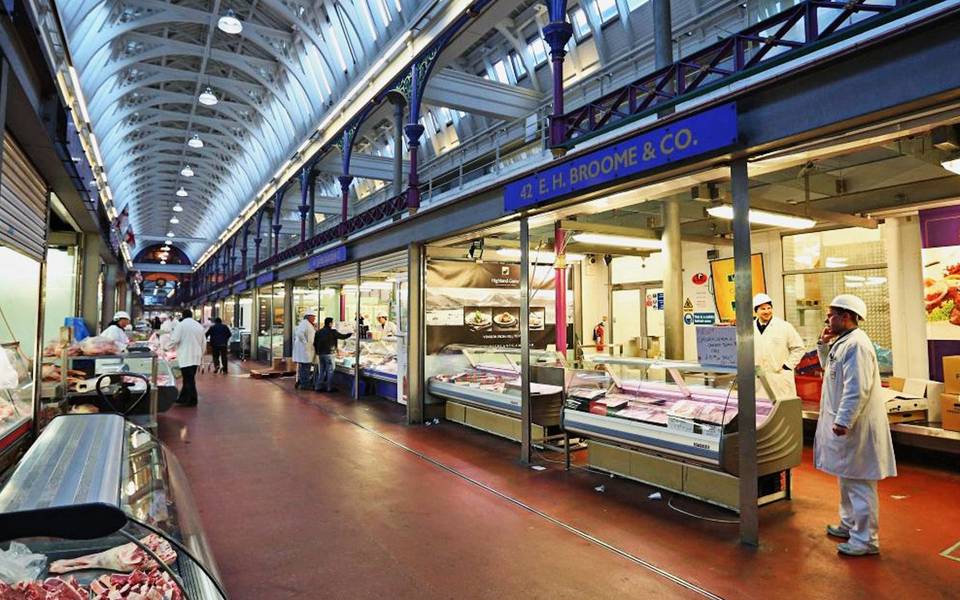
The potential relocation of Smithfield and Billingsgate markets to Royal Docks marks a significant shift in London’s historic trading landscape. This proposal, put forward by the City of London Corporation in collaboration with the Greater London Authority and Newham Council, aims to transform the current locations of these iconic markets into vibrant cultural and residential spaces. By moving these markets to a new site at Albert Island, not only will London’s food security be strengthened, but it may also lead to a projected £750 million boost in local spending and the creation of over 2,200 jobs. As discussions continue with market traders and planning approval is sought, the relocation of Smithfield and Billingsgate markets is seen as a proactive step towards future economic growth in the capital. This exciting venture underlines the importance of London markets relocation in a rapidly evolving urban environment, emphasizing both historical preservation and modern development.
The upcoming transition of these vital food markets signifies a broader initiative to reimagine London’s trading hubs. Renowned for their rich history, Smithfield and Billingsgate have served as focal points for meat and fish distribution for centuries. The envisioned move to a rejuvenated area such as Royal Docks reflects a strategic response to urban needs—reconfiguring these markets not only supports London food security but also paves the way for cultural enrichment and sustainable housing in the city. Stakeholders are actively engaging in discussions to ensure that traders can successfully transition to their new premises while preserving the essence of these markets. Such undertakings illustrate the dynamic evolution of London’s commercial landscape, highlighting the critical role of these markets in supporting local economies.
The Importance of Relocating Smithfield and Billingsgate Markets
The potential relocation of Smithfield and Billingsgate markets to Royal Docks represents a significant development for the food landscape of London. These historic markets have long been central to the city’s meat and fish supply chains, and their move to a more modern setting is anticipated to enhance efficiency and accessibility. Under the management of the City of London Corporation, the move is seen as a necessary step to secure food security for London and the South East, factors that can directly influence the overall health and economy of the region. A new location at Royal Docks would not only support these markets’ sustainability but also align with broader regeneration goals to modernize and revitalize east London.
Moreover, the relocation could significantly benefit local economies. An estimated £750 million increase in local spending and the creation of over 2,200 jobs are projected from this move, which would bolster the economic vitality of the Royal Docks area. By centralizing Smithfield and Billingsgate markets in this strategic location, the initiative aims to create a hub that reconnects businesses and consumers, enhancing the distribution networks vital for meat and fish supplies across London. The relocation echoes the importance of adapting to modern trends while preserving traditional practices, ensuring a robust food infrastructure for future generations.
Cultural Transformation of London’s Historic Markets
The plans to relocate Smithfield and Billingsgate markets also come with an exciting vision for transforming their existing sites into vibrant cultural spaces. The City of London Corporation’s intention to repurpose Smithfield into a cultural hub reflects a commitment to preserving London’s rich heritage while adapting to contemporary urban needs. The new developments aim not only to honor the historical significance of these markets but also to integrate innovative cultural experiences for both residents and visitors. By expanding the London Museum and introducing spaces for art and events, the project promises to create a dynamic environment that fosters community engagement.
In parallel, the proposed transformation of Billingsgate’s site into residential spaces underscores the dual purpose of these relocations. As housing demand in London continues to rise, this move is strategically positioned to address this crucial need while simultaneously contributing to the region’s cultural fabric. The balancing act of maintaining food security and promoting housing growth is essential for cities like London that strive to accommodate increasing populations and evolving community needs. Ultimately, these developments signify a thoughtful approach to urban planning, where tradition and innovation coexist.
Economic Impact of Moving Markets to Royal Docks
The economic implications of relocating the Smithfield and Billingsgate markets to Royal Docks are profound and far-reaching. The estimations indicate that such a move could spur around £750 million in local economic activity, illuminating the potential these markets have to not just sustain but to catalyze growth within the community. The direct creation of over 2,200 jobs associated with this relocation can significantly reduce unemployment rates in the east London area, contributing to a stronger local economy and increased livelihoods for thousands of families.
Additionally, this economic revitalization extends beyond just the immediate job creation. The new hub at Royal Docks could attract further investments and encourage ancillary businesses to emerge in the area, thus fostering a bustling marketplace ecosystem. The synergy between the relocation of these historic markets and the broader regeneration initiatives in Royal Docks exemplifies how strategic planning can leverage local assets to create comprehensive economic benefits, thereby ensuring that London’s food security remains robust while promoting commercial growth.
Engaging with Traders for a Seamless Transition
Central to the relocation of the Smithfield and Billingsgate markets is the active engagement with existing traders. The City of London Corporation has emphasized the importance of supporting these vendors in the transition process. By collaborating directly with market traders, the Corporation aims to ensure that the relocation is smooth and that traders can adapt without losing their established clientele and business networks. Their commitment to involving traders in the decision-making phase reflects a model of inclusivity, recognizing the value of local knowledge and expertise within the marketplace.
Traders have shown a willingness to relocate, highlighting the desire for a new beginning at Royal Docks. The leadership from figures like Greg Lawrence of the Smithfield Markets Traders’ Association shows a shared enthusiasm for this transition. By securing agreements with local authorities and planning for continuity until at least 2028, the phase-out of the current markets is managed carefully, ensuring businesses are supported every step of the way. This collaborative approach not only protects jobs within the markets but also plays a crucial role in maintaining London’s vibrant food culture during the transition.
Regulatory Challenges and Planning Permissions
The relocation of Smithfield and Billingsgate markets to the Royal Docks is not without its regulatory challenges. To enable the closure of the historical markets and facilitate this transformative move, an Act of Parliament will be necessary. This legislative requirement underscores the complexities involved in such significant changes to established institutions. The collaboration with Newham Council will also be pivotal, as obtaining the necessary planning permissions is critical for initiating construction and development at the new site.
Navigating these bureaucratic hurdles requires comprehensive planning and stakeholder management. The commitment from the City of London Corporation to work closely with MPs and local government signals a proactive approach aimed at overcoming potential delays. Addressing regulatory challenges head-on will be crucial not only for a timely transition but also for ensuring that the new Royal Docks markets are equipped to meet modern standards and local needs. Successfully navigating this landscape will ultimately validate the vision for enhancing London’s food security and economic growth.
Historical Significance and Future of Smithfield and Billingsgate Markets
Smithfield and Billingsgate markets have rich historical legacies that date back centuries and are woven into the fabric of London’s culinary scene. Smithfield is recognized as the UK’s largest wholesale meat market, operating since the 1860s, while Billingsgate has been a major player in the fish supply chain since its establishment in 1327. This heritage not only underscores the markets’ importance in Britain’s food history but also showcases their resilience in adapting to changing consumer patterns and commercial demands over time.
As these markets approach their potential relocation, their future at the Royal Docks marks an evolution rather than an end. The commitment to maintaining their core operations while embracing modernization ensures that they remain relevant in an ever-shifting landscape. This transitional phase provides an opportunity to reflect on their contributions to food security while paving the way for innovations that can enhance operational efficiency and sustainability. By investing in their future, London aims to preserve the essence of these markets while adapting to contemporary urban priorities.
The Role of Local Authorities in Market Relocation
Local authorities play a crucial role in the successful relocation of markets like Smithfield and Billingsgate. In partnership with the City of London Corporation, both the Greater London Authority and Newham Council have a vested interest in ensuring that the move to Royal Docks is beneficial for all stakeholders involved. Their involvement underscores a collaborative governance approach that seeks to align the interests of traders, residents, and economic developers. By facilitating dialogue among these groups, local authorities aim to foster a positive environment that prioritizes community interests alongside commercial success.
Furthermore, the active participation of local councils is vital in addressing the infrastructure needs accompanying this significant transition. From transportation access to amenities for traders and consumers alike, local authorities have the responsibility to ensure that the Royal Docks site is not only a functional marketplace but also a vibrant community space. This holistic approach to redevelopment speaks to a dedication to the region’s broader economic health and social cohesion, recognizing that successful market relocation is about much more than just physical movement.
Maintaining Food Security during Market Transitions
In the dialogue surrounding the relocation of Smithfield and Billingsgate markets, the topic of food security emerges as a central concern. As the City of London Corporation aims to secure the future of these markets, it is imperative that they prioritize the uninterrupted supply of quality meat and fish products to both consumers and businesses throughout the transition. Ensuring that there are no disruptions during the relocation process is key to maintaining public trust and the market’s reputation within London’s food ecosystem.
Moreover, by consolidating operations at Royal Docks, the initiative aims to create a more streamlined and efficient supply chain that can adapt to the changing needs of London’s population. This adaptability is essential in a city where food security challenges are prevalent due to its economic diversity and demographic demands. The proposed move encapsulates a strategic vision for enhancing the resilience of London’s food markets, ensuring that they not only survive but thrive in a new operational environment.
Vision for a New Food Market Hub at Royal Docks
The vision for relocating Smithfield and Billingsgate markets to Royal Docks is to create a modern, efficient food market hub that meets the evolving demands of London’s diverse population. By consolidating operations to a central, accessible location, the initiative aims to enhance logistics, allowing fresh produce to reach consumers more rapidly and efficiently. This new hub would be designed with contemporary facilities that support both artisanal and large-scale vendors, thus addressing a broader spectrum of culinary needs in the city.
This proactive approach not only ensures operational efficiency but also establishes Royal Docks as a destination for food innovation. The potential for new retail opportunities, community-supported agriculture initiatives, and public engagement with food education could make this new market hub a culinary epicenter. As London continues to grow, embedding a sustainable and forward-thinking food market within the Royal Docks area reflects a commitment to both tradition and progress, ensuring that the legacy of Smithfield and Billingsgate will continue in a dynamic and enriching context.
Frequently Asked Questions
What are the plans for the Smithfield and Billingsgate market relocation to Royal Docks?
The Smithfield and Billingsgate markets are proposed to relocate to Royal Docks, specifically to Albert Island, a site chosen for its potential in broader regeneration. The City of London Corporation is collaborating with the Greater London Authority and Newham Council to ensure this transition supports food security and preserves jobs across UK ports.
How will the relocation of Smithfield and Billingsgate markets affect local economy and food security in London?
The relocation of Smithfield and Billingsgate markets to Royal Docks is expected to generate approximately £750 million in local spending and create over 2,200 jobs. This move aims to enhance London’s food security by maintaining efficient supply chains while also transforming the vacated sites into cultural and residential areas.
What benefits does the Smithfield and Billingsgate market relocation bring to traders?
The proposed relocation of Smithfield and Billingsgate markets to Royal Docks offers traders a chance to operate in a modern facility designed for the future. By moving together, traders can maintain their community while ensuring their businesses thrive in an area slated for significant regeneration.
When will the Smithfield and Billingsgate markets officially move to the Royal Docks?
While plans are in motion for the Smithfield and Billingsgate market relocation to Royal Docks, the current markets will remain operational until at least 2028. The final relocation depends on obtaining the necessary Act of Parliament and planning permission from Newham Council.
What historical significance do Smithfield and Billingsgate markets hold in the context of food supply for London?
Smithfield Market, established in the 1860s, is the largest wholesale meat market in the UK and has been crucial for London’s food supply for centuries. Similarly, Billingsgate Market, the largest inland fish market since 1982, provides a vital source of fish products. Their relocation to Royal Docks reflects an ongoing commitment to maintaining food security for London and the South East.
What transformations are planned for the current sites of Smithfield and Billingsgate markets?
Post-relocation, the current sites of Smithfield and Billingsgate markets will be transformed into cultural and housing developments. There are plans for a new cultural hub incorporating the London Museum, reflecting the broader vision of regeneration within the City of London.
What is the timeline for the Smithfield and Billingsgate market relocation project?
While the Smithfield and Billingsgate market relocation to Royal Docks is underway with plans and proposals, the actual timeline for moving the markets is not finalized and hinges on legislative approvals and development timelines, with operations expected to continue at current sites until at least 2028.
How does the relocation of Smithfield and Billingsgate markets align with London’s long-term urban development goals?
The relocation of Smithfield and Billingsgate markets to Royal Docks aligns with London’s urban development goals by promoting regeneration, enhancing food security, and creating economic opportunities through job creation and cultural investments in the area.
Are there any public consultations regarding the relocation of Smithfield and Billingsgate markets?
Yes, as part of the Smithfield and Billingsgate market relocation project, the City of London Corporation has been engaging with market traders and the public to gather feedback and ensure that the plans align with community needs and expectations for the Royal Docks area.
How can the public get involved in the discussions about the Smithfield and Billingsgate market relocation?
The public can get involved in discussions about the Smithfield and Billingsgate market relocation by attending public consultations organized by the City of London Corporation and engaging through their official channels for feedback, updates, and proposals.
| Key Points |
|---|
| Smithfield and Billingsgate markets are proposed to be relocated to Royal Docks, east London. |
| The move aims to transform the current sites into cultural spaces and provide new housing. |
| Estimated economic impact includes generating approximately £750 million in local spending and creating over 2,200 jobs. |
| The relocation plan requires an Act of Parliament and planning permission from Newham Council. |
| Smithfield is the largest wholesale meat market in the UK, and Billingsgate is the largest inland fish market. |
| Current markets will remain functional until at least 2028, with plans for collaboration amongst traders. |
Summary
Smithfield and Billingsgate market relocation could symbolize a pivotal transformation for London’s food supply industry. The proposed transfer to the Royal Docks aims not only to preserve the historical significance of these markets but also to generate considerable economic growth in the area. This relocation is essential for enhancing food security and job preservation within the region, indicating a thorough commitment from local authorities to support and adapt to changing economic landscapes. As developments unfold, traders and stakeholders are optimistic about embracing new opportunities on this promising venture.