
Listen to this article
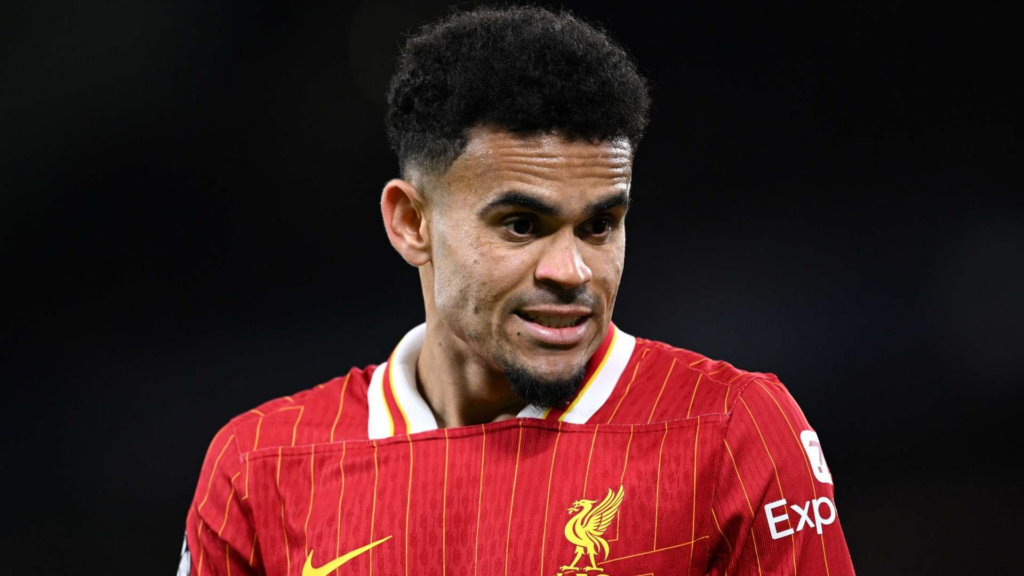
The recent Luis Diaz transfer from Liverpool to Bayern Munich has created significant buzz in the world of football. As this talented winger embarks on a new chapter in the Bundesliga, he has wasted no time in making a name for himself, scoring 12 goals in 19 appearances. This impressive feat begs the question: did Liverpool make the right move in letting go of such a dynamic player? Jamie Carragher has openly supported the decision, arguing that Diaz’s success in a less competitive league highlights the strategic foresight of the Liverpool hierarchy. With ongoing Liverpool news surrounding player acquisitions and the analysis of Bayern Munich signings, the impact of this transfer continues to be a hot topic among fans and analysts alike.
The transfer saga involving Luis Diaz has sparked conversations about player movements and club strategies, particularly regarding Liverpool’s recent roster changes. Following his shift to Bayern Munich, Diaz has found new life on the pitch, carving out a significant role in his new team. Jamie Carragher has provided insights into the implications of this transfer, suggesting it was a calculated decision for Liverpool to sell him at the right price. As football enthusiasts delve into Premier League analysis and the potential of emerging talents like Florian Wirtz, discussions about the competitive landscape continue to evolve. The dynamics of player transfers, including how they influence team performance and strategy, remain a focal point in ongoing football discussions.
Luis Diaz Transfer: A Smart Move for Liverpool
The decision to transfer Luis Diaz to Bayern Munich has stirred considerable discussion among fans and analysts alike. Jamie Carragher has openly endorsed Liverpool’s choice, suggesting that selling Diaz was not purely about financials but rather a strategic business decision. Having sold him for £65.5 million, Liverpool now possess the opportunity to reinvest that money into future talent, potentially enhancing their squad. With the Premier League being a significantly competitive environment, Carragher believes Diaz’s newfound success in the Bundesliga should be viewed through a realistic lens—it’s a league that demands less than what the English top flight does.
While Diaz has enjoyed a prolific start at Bayern Munich, raking in 12 goals in just 19 matches, it’s essential to highlight his performance during his tenure at Liverpool. Though he had a total of 17 goals in his last season, he never quite reached the heights of his attacking counterparts like Firmino, Mane, and Salah. This perspective leads to the conclusion that although Diaz was a valuable player for Liverpool, the club’s decision to sell him at this juncture was both practical and advantageous, allowing them to assess their ambitions for the coming seasons.
Jamie Carragher’s Insight on Liverpool’s Strategy
Jamie Carragher’s comments on the Overlap Fan Debate shed light on Liverpool’s strategic approach in the transfer market. He asserted that despite the strong performances from Luis Diaz post-transfer, the club’s hierarchy had significant reasons to consider other options instead of renewing his contract. As Carragher noted, at 28 years old, a new contract for Diaz would have resulted in a financial commitment that Liverpool may not have been willing to uphold. The potential burden of a high salary could impact their broader transfer strategy and recruitment policies.
Carragher also hinted at the challenges Liverpool may face moving forward. With players like Florian Wirtz seen as potential replacements, the club is tasked with fostering new talent that can step into roles previously held by more established stars. The move to invest in younger players such as Wirtz could yield great dividends in the long run, providing Liverpool with innovative tactics and fresh energy on the attack. This strategy emphasizes Liverpool’s belief in nurturing homegrown talent while remaining competitive in the cutthroat world of the Premier League.
Bayern Munich Signings and Premier League’s Competitive Edge
As Bayern Munich continues to make significant signings, their acquisition of Luis Diaz showcases their ambition to remain at the pinnacle of European football. The German side has a rich history of navigating the transfer market expertly, often finding players at opportune moments, and Diaz fits this mold perfectly. In the backdrop of these developments, it’s crucial to contrast the competitive nature of the Bundesliga with that of the Premier League, which Carragher argues is on a different level in terms of physicality and skill.
While Diaz excels in Bayer Munich’s less demanding league, it raises questions about how he would fare in the Premier League. The spotlight is on him to not only maintain his form but to potentially elevate his game to that of the elite players. This divergence in league competitiveness leads to broader discussions on how foreign signings adapt, impacting their career trajectories, especially when moving from leagues that are less rigorous than the Premier League.
Florian Wirtz: The Future of Liverpool’s Attack?
The emerging discourse surrounding Florian Wirtz is pivotal in conversations about Liverpool’s future after Luis Diaz. Jamie Carragher’s assertion that Wirtz could fill the void left by Diaz highlights the club’s long-term vision which focuses on nurturing talent rather than solely relying on marquee signings. Wirtz’s ability to operate effectively on the left and operate between the lines presents a unique playing style that can cater to Liverpool’s fast-paced attacking philosophy.
Moreover, as Liverpool navigates a transformative phase in their squad composition, Wirtz’s potential is seen not just as a replacement, but as a player with the ability to grow into an integral part of the squad. Amid discussions about their recent transfer strategies, including why they chose certain players and abandoned others like Malick Fofana, the focus on developing incoming talent aligns with the club’s ambition to remain competitive in both the Premier League and European tournaments.
Premier League Analysis: Liverpool’s Recent Decisions
Analyzing the shift within Liverpool’s squad composition reveals the intricate decisions that have shaped the team in recent seasons. As the Reds prepare for a future without players like Luis Diaz, it leads to wider reflections on management choices. Carragher’s view points out that not acquiring a direct replacement for Diaz may invite skepticism, primarily due to huge competition in the Premier League—competition that demands constant momentum and strategic foresight.
In the wake of an evolving tactical landscape, Liverpool’s focus appears to transcend past notions of star-studded lineups toward a more flexible and dynamic roster. This analysis opens discussions about how the success of younger players, like Wirtz, will be critical for Liverpool to navigate the relentless demands of the Premier League. It also underscores the essential nature of the club’s transfer strategy, balancing immediate performance needs against future potential.
The Challenge of Replacing Key Players in Liverpool’s Lineup
Liverpool’s decision to move on from Luis Diaz brings to light the significant challenge of replacing key players in a competitive environment like the Premier League. While the club was lauded for the sale, it has also faced scrutiny for not securing a direct replacement, with critics raising concerns over how long they can sustain a title challenge without proactive recruitment. The shift focuses on their search for players that embody the attacking flair paired with tactical understanding that the likes of Diaz brought to the team.
Furthermore, this situation places immense pressure on Liverpool’s scouting department to identify talent who can adapt quickly to the rigors of the Premier League. The exploratory forays into younger, potential-laden players represents a long-term vision, but it also means that immediate performance pressure will squarely fall on the existing squad members. For many teams, including Liverpool, navigating this transitional phase will be as crucial as the actual talent they bring into the fold.
Evaluating Liverpool’s Overall Transfer Strategy
Evaluating Liverpool’s transfer strategy unveils further intrigue as football analysts debate the ramifications of selling significant players like Luis Diaz. The club’s willingness to part with Diaz—who performed well at Bayern—has stirred conversations around their long-term vision and approach to squad rebuilding. Jamie Carragher’s insights can serve as a pivotal reference point, suggesting that determining a player’s value also depends significantly on the broader market and the squad’s strategic direction.
In this context, the ongoing adaptations in Liverpool’s approach reflect a unique narrative in the Premier League, where teams are required to constantly innovate to stay at the forefront. The addition of fresh talent seems to hinge on identifying emerging prospects who can evolve into central roles rather quickly. Liverpool’s decisive moves, particularly as fans look for immediate impact post-Diaz, will remain a focal point as the club aims to reconcile past successes with current ambitions.
The Impact of Squad Changes on Liverpool’s Performance
The transition away from established names like Luis Diaz has compelled Liverpool to reassess their approach to performance on the pitch. With the Premier League’s high stakes, such changes can significantly affect team dynamics and morale. Carragher emphasizes how neglecting to replace well-performing players could influence Liverpool’s ability to compete effectively, especially when juxtaposed against title contenders who strengthen every season. This analysis underscores a critical moment for the club.
On the other hand, there’s an opportunity for younger players to impress and potentially secure their place in the first team. Introducing fresh faces like Wirtz offers new dynamics to strategies going forward, providing flexibility in tactical execution. Consequently, Liverpool is at a critical juncture where the mix of youth and experience could dictate their success or failure in the current league campaign—an essential factor that all fans will be watching closely.
Looking Ahead: Liverpool’s Future Prospects Post-Diaz
Looking ahead, Liverpool must harness the potential of their newly implemented strategies in the absence of Luis Diaz. Their focus on integrating fresh talent like Florian Wirtz points to a clear plan for rejuvenating the squad. The continuing evolution of their attacking line-up should allow players to fill in essential roles, maintaining competitiveness in the Premier League even as veteran stars depart. This reshaping of the team indicates a poised response to challenges presented by an ever-demanding league.
Moreover, the pathways laid out for younger players to thrive in top-flight football could resonate throughout the club’s hierarchy, fostering an environment where academy products can succeed. This commitment to youth development promises a bright future for Liverpool as they adapt to the challenges imposed by their recent transfer decisions. Fans can anticipate exciting progress as Liverpool continues to align their tactical and strategic focus with their rich footballing ethos in the seasons to come.
Frequently Asked Questions
What were the implications of Luis Diaz’s transfer to Bayern Munich for Liverpool?
Luis Diaz’s transfer to Bayern Munich has significant implications for Liverpool, primarily due to the reported £65.5 million deal that reflects Liverpool’s strategic business decision. Although Diaz enjoyed some success in his first season, Jamie Carragher believes that his performance in the less competitive Bundesliga may not justify the decision to let him go. The Reds have faced scrutiny for not directly replacing him, but this move is seen as a strategic choice amid changes in team dynamics.
How does Luis Diaz’s performance at Bayern Munich compare to his time at Liverpool?
At Bayern Munich, Luis Diaz has found renewed success, scoring 12 goals in just 19 matches, which starkly contrasts his time at Liverpool where he netted a total of 17 goals in over three seasons. Despite Carragher’s remarks pointing out that Diaz wasn’t exceptional at Liverpool, his current form in the Bundesliga suggests he thrives in a different competitive setting.
What did Jamie Carragher say about the Luis Diaz transfer?
Jamie Carragher supported the decision to sell Luis Diaz, indicating that while he was a good player for Liverpool, he was not an exceptional one compared to other team legends. Carragher suggested that selling Diaz at 28 years old was a wise business move for Liverpool’s future, especially considering the potential salary demands for a new contract.
How does the sale of Luis Diaz affect Liverpool’s attacking options?
The sale of Luis Diaz has raised concerns about Liverpool’s attacking lineup, especially since they opted not to replace him directly. This decision has faced criticism, as the club appears to be giving young talents like Rio Ngumoha a chance, while also exploring options like Florian Wirtz, who could eventually fill the void left by Diaz.
What role might Florian Wirtz play in Liverpool’s future following Luis Diaz’s departure?
Florian Wirtz, viewed as a potential replacement for Luis Diaz, could play a crucial role for Liverpool should he develop into the player many expect. His ability to operate well between the lines and on the left-hand side aligns with Liverpool’s attacking needs, making him a viable candidate to fill the gap left by Diaz.
Why was Luis Diaz sold to Bayern Munich instead of being retained by Liverpool?
Luis Diaz was sold to Bayern Munich primarily due to his nearing contract expiration and the decision by Liverpool’s hierarchy to avoid a substantial salary increase by offering him a new contract. This financial reasoning, paired with Carragher’s analysis of Diaz’s performance level, influenced the decision to proceed with the transfer.
What challenges does Liverpool face in replacing Luis Diaz after his transfer?
Liverpool faces challenges in finding a direct replacement for Luis Diaz following his transfer to Bayern Munich. The focus appears to be on integrating younger players into the first team while relying on the potential growth of players like Florian Wirtz, indicating a shift toward developing internal talent rather than immediate external signings.
| Key Point | Details |
|---|---|
| Carragher’s Support | Jamie Carragher supports Liverpool’s decision to sell Luis Diaz, viewing it as a smart business move. |
| Luis Diaz’s Performance | Luis Diaz has thrived at Bayern Munich, scoring 12 goals in 19 matches, yet Carragher attributes his success to the lesser competition in the Bundesliga. |
| Move Details | Bayern Munich acquired Diaz for £65.5 million as his contract was nearing its end. |
| Carragher’s Critique | Carragher states that Diaz ‘wasn’t great’ at Liverpool and is not in the same class as players like Firmino, Mane, or Salah. |
| Liverpool’s Strategy | Liverpool’s hierarchy aimed to prepare young talent Rio Ngumoha for the first team instead of directly replacing Diaz. |
| Future Prospects | If Florian Wirtz develops as expected, he may fill the role left by Diaz, bringing a different skill set to the team. |
Summary
The Luis Diaz transfer has ignited discussions regarding Liverpool’s strategic choices and their long-term vision. Carragher’s perspective frames the decision as a pragmatic move amidst changing dynamics, rather than a loss of exceptional talent. While Diaz’s success at Bayern is notable, his departure has led to scrutiny about Liverpool’s replacement strategies and their ability to nurture upcoming talent. The situation underscores the challenges in transitioning a team and balancing immediate performance with future potential.

