Listen to this article
In response to the recent Budget, Sir Keir Starmer has firmly defended his position against allegations of misinformation regarding the UK’s public finances. Amidst accusations from Conservative leaders, particularly directed toward Chancellor Rachel Reeves, Starmer emphasized a commitment to transparent economic policy that prioritizes reducing child poverty and supporting families grappling with the cost of living crisis. He acknowledged the complexities surrounding tax increases in the UK, where recent forecasts revealed a dire economic outlook but ultimately maintained that the government’s decisions adhered to Labour’s manifesto promises. With £26 billion in tax adjustments announced, including extending the freeze on income tax thresholds, Starmer reassured the public that these measures aimed to protect vital services without significant rate hikes. As discussions surrounding UK economic policy continue to unfold, Starmer’s response underscores the delicate balance between fiscal responsibility and the imperative to address the pressing needs of citizens.
In the realm of fiscal discourse, Sir Keir Starmer’s reaction to the Budget reveals the ongoing tensions within UK economic planning and policy execution. As Chancellor Rachel Reeves prepares to navigate tax implications amid public scrutiny, the Labour leader’s remarks highlight the challenges faced when forecasting public finances. While acknowledging the potential for tax increases, Starmer insists on maintaining transparency and adhering to established commitments that resonate with voters. This delicate situation reflects the broader implications for UK economic policy, particularly as the government attempts to alleviate the pressing cost of living challenges confronting families nationwide. The juxtaposition of projected tax changes against the backdrop of public needs places significant pressure on leaders to craft responses that are both effective and just.
Sir Keir Starmer’s Insights on the Budget
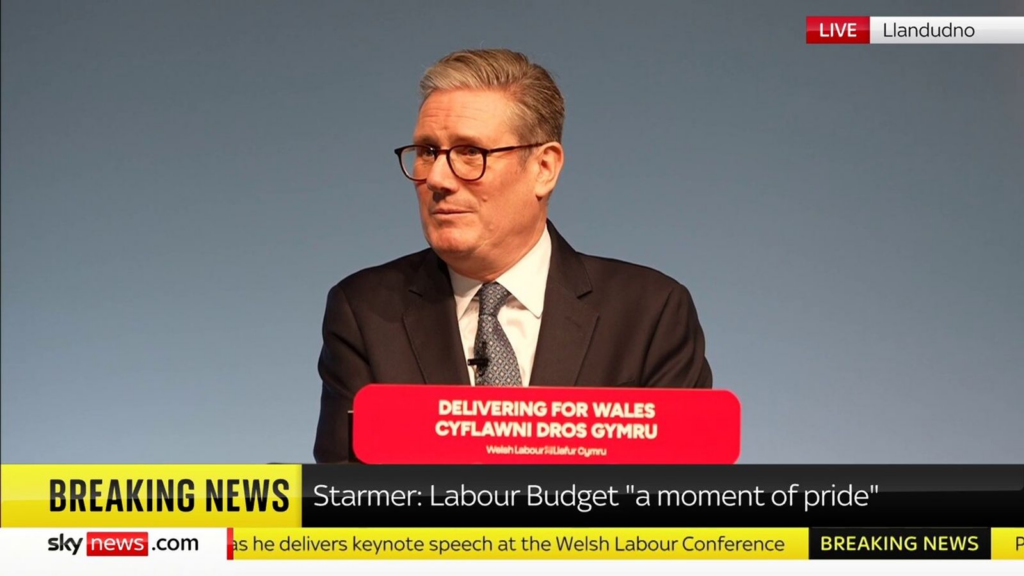
In a recent address, Sir Keir Starmer articulated his vision regarding the UK’s fiscal landscape following the controversial Budget announcement by Chancellor Rachel Reeves. He expressed pride in the measures proposed in the Budget, which he argued would have a direct impact on alleviating child poverty and addressing the rising cost of living. Starmer emphasized the necessity of tax increases as a means to maintain essential public services and highlighted the government’s commitment to fiscal responsibility despite the challenging economic environment.
Starmer’s remarks also focused on the broader implications of economic policy in the UK. By acknowledging the difficulties presented by lowered productivity forecasts, he sought to reassure the public that the government was still able to prioritize economic growth without blatantly contradicting previous commitments. His assertion that there were no misleading statements in the handling of tax issues stands out in a political climate rife with accusations of dishonesty from opposition parties.
Rachel Reeves’ Budget Strategy and Economic Forecasts
Chancellor Rachel Reeves faced intense scrutiny following her Budget announcement, particularly regarding claims of potential tax increases. Critics, including prominent Conservatives, accused her of creating a smokescreen with an overly dire financial outlook which, they argued, was designed to justify raising income taxes in a way that contradicted Labour’s previous manifesto promises. This situation underlines the crucial debates surrounding UK economic policy and the strategies employed by politicians to frame fiscal narratives.
Despite the tension surrounding the announcements, Reeves maintained that the forecasts for the nation’s economic health were based on realistic assessments, projecting the necessity for adjustments in public finances. The Office for Budget Responsibility (OBR) maintained that while tax increases were on the table, improved wage forecasts would actually bolster government revenues, creating a nuanced view on whether the proposed tax policies would directly lead to an economic downturn. This ongoing narrative emphasizes the critical nature of transparency in communicating Budget plans to the public.
The Debate Over Tax Increases in the UK
The budget announcement, which included £26 billion in tax increases without raising income tax rates, has ignited vigorous debate about the necessity and implications of tax strategies within the UK’s public finances. Critics, including Kemi Badenoch, argue that any form of tax increase is detrimental, exacerbating the costs the average citizen faces amidst the ongoing cost of living crisis. This contention emphasizes the delicate balance between enhancing public services and the financial burdens placed on households across the UK.
However, supporters of the Budget argue that these tax measures are a necessary means to ensure sustainable public services and bolster the economy in the long term. With discussions around tax reforms, it’s pertinent to consider how the current economic atmosphere, influenced by factors like the Brexit agreement, affects government revenue and subsequent policy decisions moving forward. This necessitates transparency and clarity in the ongoing discussions regarding the implications of tax increases in the UK.
Impact of Public Finances on Cost of Living
The recent Budget has drawn attention to the interplay between public finances and the escalating cost of living, an issue that is significantly affecting citizens across the UK. Sir Keir Starmer’s advocacy for measures targeted at reducing child poverty aligns closely with the pressing need to address inflationary concerns and rising living costs. As fiscal policies are crafted, it is imperatively crucial to consider how they will alleviate or exacerbate these financial strains faced by households.
Addressing the cost of living crisis is a multifaceted challenge that requires not only careful financial planning but also a commitment to economic growth strategies that are fair and sustainable. The measures put forth in the Budget aim to stabilize public finances while enhancing living standards, signifying the government’s recognition of the critical need to protect vulnerable populations amidst economic turmoil.
Sir Keir Starmer’s Resolve to Avoid Breaking Manifesto Promises
During discussions surrounding the Budget, Sir Keir Starmer highlighted his commitment to uphold the Labour Party’s manifesto pledges, asserting that keeping promises to the electorate was fundamental to restoring faith in political leadership. Despite the pressures to raise taxes amid uncertain economic conditions, he maintained that the improvement in financial forecasts allowed for a fulfillment of Labour’s priorities without compromising on tax pledges. This sentiment resonates deeply with constituents who expect accountability and transparency in governance.
Starmer’s insistence on sticking to manifesto commitments presents a direct challenge to the Conservatives, who have faced scrutiny over their own fiscal decisions since gaining power. By emphasizing the importance of integrity in political promises, Starmer not only bolsters his position as a leader who listens to the public but also reframes the dialogue around tax increases as a necessary step aligned with responsible governance rather than an act of betrayal.
Reactions to the Chancellor’s Budget Proposal
The Labour Party’s response to Chancellor Rachel Reeves’ proposals has been met with polarized reactions across the political spectrum. Many see it as a bold move intended to stabilize the economy while simultaneously addressing social issues such as child poverty and the rising cost of living. However, detractors within the Conservative party argue that these measures are indicative of a retreat from the party’s foundational principles, particularly in relation to tax policies and economic growth.
Critically, the conversation surrounding Reeves’ Budget also highlights the heterogeneity of opinions within the economic community itself, particularly regarding the implications of tax changes on public finances in the UK. Economists campaigning for more progressive taxation view Reeves’ strategy as a necessary intervention; meanwhile, those concerned about the implications for consumer spending urge caution as the nation navigates the repercussions of these financial decisions.
The Role of Economic Forecasting in Budget Decisions
Economic forecasting plays a pivotal role in the development and adjustment of Budget measures, especially in this unpredictable climate characterized by fluctuating productivity figures and economic recovery trajectories post-COVID-19. The Office for Budget Responsibility’s involvement serves as an essential safeguard to ensure that the government remains informed of real-time economic conditions as decisions are made regarding public finances.
As the economy continues to evolve, ensuring accuracy in forecasting will remain crucial in guiding future policy decisions that affect not only public investment but also the intricate relationship between tax strategies and the citizens they impact. Transparency and consensus among economists are instrumental in fortifying the integrity of announcements like Anne Reeves’ Budget, providing a basis for informed discussions going forward.
Child Poverty: A Key Aspect of the Budget Discussion
The recent Budget’s focus on child poverty has prompted a renewed discussion about the role of government in alleviating socioeconomic disparities within the UK. Sir Keir Starmer’s emphasis on measures aimed at protecting children from the adverse effects of financial instability positions the current government against the backdrop of rising poverty rates exacerbated by inflationary pressures and economic constraints.
This commitment to addressing child poverty represents a significant ideological shift emphasizing social responsibility within economic policy frameworks. It signals an acknowledgment that broader public welfare must be integrated into fiscal strategies, particularly in light of current economic challenges faced by families throughout the UK.
Long-Term Economic Strategies Beyond the Budget
Looking beyond the immediate implications of the Budget, the government faces the ongoing challenge of establishing long-term economic strategies that promote resilience and growth. Sir Keir Starmer’s assertions about tackling red tape and enhancing construction suggest a broader commitment to revitalizing the UK economy for future stability, which integrates aspects beyond taxation.
As the country emerges from fiscal recovery phases complicated by prior recessions and recent crises, the government’s focus must shift toward sustainable economic practices that allow for continued growth while maintaining vital public services. Strategic planning that encompasses comprehensive fiscal policies, coupled with robust public engagement about expectations, will be crucial as the UK navigates forward.
Frequently Asked Questions
What was Sir Keir Starmer’s Budget response to accusations of misleading the public on UK economic policy?
Sir Keir Starmer strongly defended his Budget response, denying any misleading statements regarding public finances. He emphasized that any downgrade in productivity forecasts does not equate to misleading the public and highlighted the necessity of raising revenue to address public services and child poverty.
How did Sir Keir Starmer respond to Rachel Reeves’ Budget claims regarding tax increases in the UK?
In his Budget response, Sir Keir Starmer addressed claims made by Rachel Reeves about potential tax increases, clarifying that while taxes may rise, the government aimed to fulfill its financial commitments without breaking its manifesto promises. He reiterated the importance of transparency concerning public finances.
What were the key features in Sir Keir Starmer’s Budget response related to public finances in the UK?
Sir Keir Starmer’s Budget response included measures aimed at reducing child poverty and maintaining public services. He noted a crucial balance between necessary tax increases and preserving commitments to improve public finances without breaching manifesto pledges.
Does Sir Keir Starmer’s Budget response indicate that the UK government will raise taxes?
While Sir Keir Starmer acknowledged the potential for tax increases in his Budget response, he clarified that the government intends to manage public finances responsibly without raising income tax rates, despite implementing other revenue-generating measures.
What implications did Sir Keir Starmer’s Budget response have for the UK’s economic outlook?
In his Budget response, Sir Keir Starmer suggested optimism for the UK’s economic outlook, asserting that measures included in the Budget aim to stimulate growth and address cost-of-living challenges, despite warnings from the Office for Budget Responsibility about future economic productivity.
How did Sir Keir Starmer justify tax increases in his recent Budget speech?
In his Budget speech, Sir Keir Starmer justified tax increases as necessary to support public finances and avoid deeper cuts to essential services. He acknowledged the burden of tax increases but emphasized their role in maintaining government support for vulnerable communities.
What stance did Sir Keir Starmer take on the impact of tax increases related to the UK Budget?
Sir Keir Starmer acknowledged in his Budget response that tax increases would make life more challenging for some people, but argued that without these measures, essential public services would suffer, and issues like child poverty would remain unaddressed.
How did Sir Keir Starmer’s Budget address the cost of living crisis in the UK?
Sir Keir Starmer’s Budget response included specific measures aimed at alleviating the cost of living crisis, positioning these efforts as integral to the government’s broader commitment to improving public financial management and supporting families in need.
What is the significance of Sir Keir Starmer’s commentary on public finances and the Budget?
Sir Keir Starmer’s commentary on public finances during his Budget response highlighted the intricate balance required in UK economic policy, addressing the needs of the population while navigating the challenges posed by reduced productivity and fiscal constraints.
How did Conservative leaders respond to Sir Keir Starmer’s Budget proposals?
Conservative leaders, including Kemi Badenoch, reacted critically to Sir Keir Starmer’s Budget proposals, accusing the Labour leadership of deception regarding tax increases and public finances, while calling for accountability and transparency in economic policy-making.
| Key Point | Details |
|---|---|
| Denial of Misleading Information | Sir Keir Starmer denied accusations that his chancellor misled the public about the nation’s finances prior to the Budget. |
| Budget Pride and Focus | He expressed pride in the Budget, highlighting efforts to address child poverty and the cost of living. |
| Tax Increase Claims | Despite concerns about tax hikes, it was later revealed that tax rates would not increase, but £26 billion would still come from extending tax freezes. |
| Public Financial Awareness | Starmer defended that there was no misleading regarding public finances, despite debates on transparency surrounding tax proposals. |
| Acknowledgment of Manifesto Commitments | Starmer confirmed the government considered breaching its manifesto pledge on taxes but ultimately decided against it. |
| Economic Growth Pledge | Starmer promised to boost growth through deregulation and reforms, despite OBR forecasts suggesting slow growth. |
| Critique of Government Actions | Conservative leaders criticized Labour’s approach and demanded accountability for miscommunication regarding tax increases. |
Summary
In response to accusations against his chancellor, Sir Keir Starmer’s Budget response emphasizes his commitment to clear communication regarding the nation’s finances. He acknowledges the challenges but insists on the necessity of the proposed measures to combat child poverty and improve the cost of living. Starmer’s administration navigates the complexities of maintaining manifesto commitments while responding to economic forecasts, all the while facing criticism from opposition leaders for transparency and decision-making. The Budget reflects a larger strategy aimed at fostering economic growth, despite predictions of slower advancement. Starmer portrays a trajectory of hope and accountability, intertwined with his goal to mitigate the financial pressures faced by vulnerable populations.