
Listen to this article
The recent Indonesia flood disaster has wreaked havoc across several provinces, leaving over 500 people dead and countless others displaced. Triggered by a rare cyclone that developed over the Malacca Strait, these floods in Indonesia have affected about 1.4 million individuals, with rescue operations Indonesia officials struggling to reach those in dire need. Many families have been devastated, as nearly 500 individuals remain unaccounted for, while thousands more suffer from injuries and losses. The government’s disaster response has faced criticism, with reports of delayed aid distribution and bureaucratic hurdles preventing timely assistance. In hard-hit regions like Aceh and North Sumatra, residents are desperate for essential supplies, highlighting the urgent need for effective flood relief efforts.
The severe flooding in Indonesia has become a catastrophic event that has gripped the nation and attracted international attention. As torrential rains and powerful storms continue to descant upon the region, various provinces face significant challenges, particularly those affected by the cyclone disaster of 2023. The extensive rescue operations in Indonesia are desperately attempting to reach thousands stranded amidst the destruction while local authorities mobilize Aceh flood relief efforts with limited success. Many communities are suffering from inadequate food supplies and lack of communication, making the situation more dire. As the government navigates its disaster response, the urgency for coordinated relief efforts has never been more critical.
The Impact of Indonesia Flood Disaster on Affected Provinces
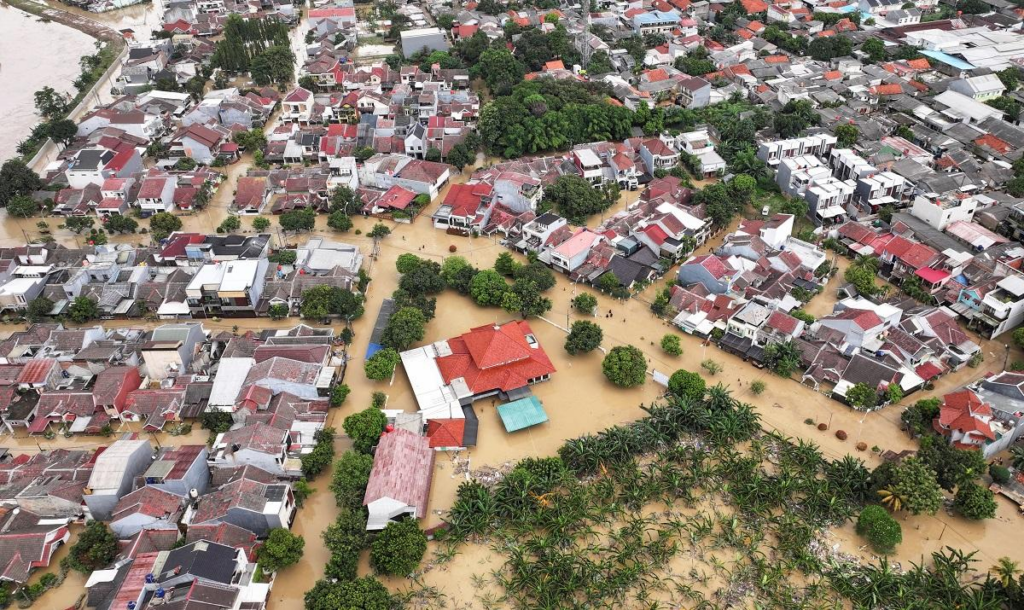
The recent floods in Indonesia have wreaked havoc across three provinces: Aceh, North Sumatra, and West Sumatra. Hundreds of thousands of people have been severely affected, with the death toll tragically exceeding 500. The floods, triggered by a rare cyclone developing over the Malacca Strait, have led to widespread destruction, making entire regions inaccessible. For many, these floods have not just caused physical damage, but have also thrust communities into despair as rescue operations struggle amid obstructed roads and a lack of resources.
Reports highlight that approximately 1.4 million people are grappling with the aftermath of this disaster. The scale of flooding has left many victims without basic necessities such as food, clean water, and medical aid. Individuals like Arini Amalia from Aceh have described the catastrophic waters as reminiscent of a tsunami, marking this event as potentially the worst flood experience in their lifetime. The urgency for efficient rescue and recovery efforts has never been more critical as communities await support.
Frequently Asked Questions
What caused the Indonesia flood disaster in 2023?
The Indonesia flood disaster in 2023 was primarily caused by a rare cyclone that developed over the Malacca Strait, leading to heavy rainfall and subsequent flooding in several provinces, including Aceh, North Sumatra, and West Sumatra.
How many people have been affected by the floods in Indonesia?
As reported, the floods in Indonesia have impacted around 1.4 million people, with over 500 confirmed fatalities and another 500 individuals still missing following the devastating events.
What is being done for rescue operations in Indonesia?
Rescue operations in Indonesia are currently underway, with workers facing significant challenges in reaching affected areas due to blocked roads and severe conditions. Aid distribution is ongoing as many individuals await food and medical assistance.
What relief efforts are in place for Aceh flood victims?
Relief efforts for Aceh flood victims include the distribution of food aid and supplies, although many areas remain isolated. Local authorities and aid workers are working tirelessly to reach those in need amid the ongoing crisis.
How is the government responding to the Indonesia flood disaster?
The government’s disaster response has faced criticism for its preparedness and efficiency. President Prabowo Subianto acknowledged ongoing difficulties but emphasized that authorities are committed to overcoming the challenges presented by the Indonesia flood disaster.
What challenges are rescue operations facing in Indonesia due to the floods?
Rescue operations in Indonesia are struggling due to inaccessible roads, damaged infrastructure, and numerous missing persons. The relentless conditions have hindered aid workers’ ability to deliver essential supplies to those in need.
What long-term impacts might the Indonesia floods have on affected communities?
The long-term impacts of the Indonesia floods may include economic strain on affected communities, loss of livelihoods, and potential health crises due to food shortages and lack of clean water access.
How can individuals help with the flood relief efforts in Indonesia?
Individuals looking to help with flood relief efforts in Indonesia can contribute by donating to reputable organizations working on the ground, sharing information about the crisis, or advocating for government and international support for the affected populations.
| Key Points | Details |
|---|---|
| Death Toll | Over 500 deaths reported from the floods. |
| Missing Persons | Approximately 500 individuals remain unaccounted for. |
| Affected Population | About 1.4 million people affected across three provinces. |
| Causes | Floods triggered by a rare cyclone over the Malacca Strait. |
| Most Affected Provinces | Aceh, North Sumatra, and West Sumatra. |
| Transportation Issues | Roads and infrastructure severely damaged, impacting rescue operations. |
| Public Sentiment | Residents expressing despair and frustration over slow rescue efforts. |
| Government Response | President acknowledges challenges but highlights national resilience. |
Summary
The Indonesia flood disaster has had a devastating impact, claiming the lives of over 500 individuals and leaving many others missing or injured. As the government struggles to provide adequate aid and access to essential supplies, the residents of the affected provinces are facing extreme hardships. The scenario illustrates both the urgent need for improved disaster response strategies and the strength of the communities affected, who are rallying together amid the chaos.

