
Listen to this article
Pope Leo XIV’s visit to Lebanon marks a significant diplomatic milestone, as he arrives in Beirut just a week after the city faced Israeli airstrikes. This visit is particularly poignant, as it is the Pope’s first foreign trip, signaling his commitment to peace amid ongoing conflict. Notably, Pope Leo has emphasized the importance of fostering dialogue, advocating for harmony among religious communities and political leaders alike. His presence is a beacon of hope, as seen in his interactions with various faith groups and his calls for understanding between Israelis and Palestinians. As the Pope continues to navigate these complex waters, his messages of unity and peace are resonating deeply throughout Lebanon, demonstrating a new approach to global diplomacy under his leadership.
In recent weeks, the diplomatic spotlight has turned to Lebanon with the arrival of Pope Leo XIV, whose Beirut engagement represents a thoughtful blend of faith and politics at a critical juncture. This papal engagement underscores the need for conciliation and healing in a nation grappling with unresolved conflicts and humanitarian crises. As the leader of the Vatican, the Pope aims to bridge divides among differing sects, becoming a prominent figure in the dialogue surrounding peace in the region. His visit, filled with carefully crafted interactions and messages, emphasizes the role of faith in fostering social unity while addressing the pressing issues that challenge Lebanon today. Clearly, the Pope’s diplomacy extends beyond mere appearances, targeting the heart of a nation yearning for hope and stability.
Pope Leo XIV’s Arrival in Lebanon: A Sign of Hope
Pope Leo XIV’s arrival in Beirut marks a pivotal moment in the region grappling with ongoing conflicts. His visit comes shortly after Israeli airstrikes, and the Pope’s presence in such tumultuous times acts as a beacon of hope for many Lebanese citizens. By prioritizing Lebanon as his first foreign trip, the Pope signals a deep commitment to peace and recovery in a country long beset by civil unrest and political strife, reminding both leaders and citizens alike of their shared humanity amidst the chaos.
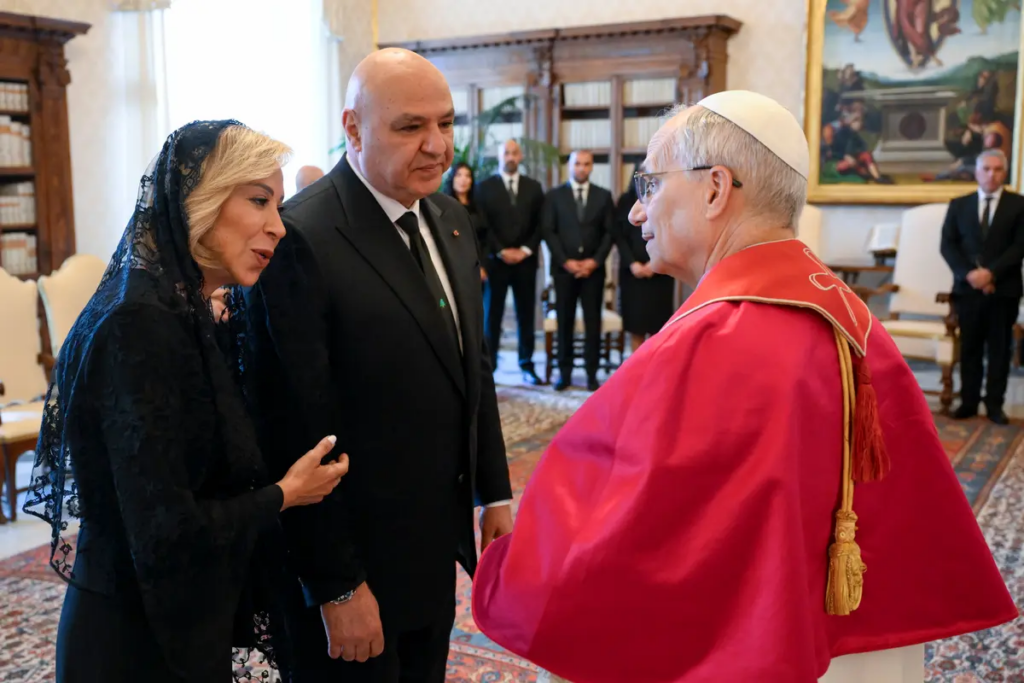
As he steps onto Lebanese soil, Pope Leo XIV’s message resonates with power; he represents not just a religious figure but a diplomatic force aiming to unify the diverse faiths and communities within Lebanon. His interactions with local leaders, including Patriarch Bechara al-Rahi, indicate a serious endeavor to promote solidarity among Christians, Muslims, and Druze, while emphasizing the need for dialogue as a means to achieve lasting peace.
Beirut Visit: Emphasizing Peace and Reconciliation
During his stay in Beirut, Pope Leo XIV has made it clear that his primary mission is one of peace and reconciliation. He has been vocal about the importance of dialogue in resolving conflicts, even stating that the future of humanity depends on the choices made by world leaders today. His presence during such a fragile period serves not only to uplift spirits but also to foster a sense of responsibility among the Lebanese politicians to prioritize the welfare of their people.
The Pope’s engagements, including meetings with various religious and political figures, aim to bridge the gaping divides that have long plagued Lebanese society. By bringing attention to the humanitarian crises exacerbated by ongoing violence, Pope Leo hopes to inspire a collective effort toward healing and restoration, reminding the populace that peace is possible if they work together.
Pope and Peace: The Role of the Vatican in Conflict Resolution
Pope Leo XIV’s approach to diplomacy, particularly during his first international visit, underscores the Vatican’s enduring commitment to its role as a mediator in global conflicts. By advocating for a Palestinian state during his flight from Istanbul to Beirut, the Pope highlighted the Vatican’s nuanced stance on sensitive geopolitical issues. His messages are indicative of a broader humanitarian commitment, aiming to leverage the Church’s influence for peace alongside traditional diplomatic efforts.
He emphasizes that true peace cannot be achieved unless every party involved is respected and considered. By reiterating that the Vatican maintains friendships with all parties, including Israel, Pope Leo XIV is setting the groundwork for ongoing dialogue and understanding, essential for sustainable peace in the Middle East.
Pope Leo Diplomacy: A New Era in Papal International Relations
In this new era of papal diplomacy, Pope Leo XIV seems to be carving out a distinct approach, blending traditional Vatican diplomacy with an urgent call for compassion and human rights. His recent comments condemning the use of religion to justify war signal a shift towards a more outspoken papacy, one that desires to tackle the root causes of conflict rather than simply address its symptoms.
Pope Leo’s thoughtful reflections on international issues, coupled with his gentle demeanor, have started to reshape expectations around the papal role in foreign affairs. By addressing significant matters such as climate change and migration, he is emphasizing that the Vatican’s diplomatic efforts must align with contemporary global challenges, ensuring relevance and resonance with the world’s youth.
A Message of Hope: The Impact of Pope Leo’s Visit on Lebanon
As the Pope navigates his journey through Lebanon, his presence carries immense symbolic weight, especially for the Christian population that views him as a pillar of hope. The anticipation surrounding his visit serves as a reminder that the world’s attention remains focused on Lebanon’s plight. This recognition can help uplift those who feel forgotten amidst years of turmoil.
Moreover, the Pope’s message resonates beyond religious borders, as he seeks to bolster national unity among all Lebanese citizens. In sharing moments of compassion and solidarity with various communities, he fosters an environment of mutual respect that could potentially facilitate reconciliation between groups historically at odds.
Pope Leo XIV: Bridging Faiths and Cultures
Pope Leo XIV’s diplomatic efforts during his visit aim to build bridges between various faith communities in Lebanon. His meetings with Muslim and Druze leaders symbolize a clear commitment to promoting interfaith dialogue, a necessary step towards fostering understanding and peace in a nation characterized by its religious plurality.
By addressing issues that affect all communities, such as governance, socioeconomic disparity, and education, he is paving the way for a common dialogue. Such engagements encourage a broader understanding of shared values, emphasizing that despite differing beliefs, the quest for peace is a universal aspiration.
Pope Leo XIV’s Listening Approach: A Fresh Perspective on Leadership
Pope Leo XIV has showcased a refreshing leadership style during his visit, characterized by active listening and a humble demeanor. Rather than dominating conversations, he invites leaders and citizens alike to share their grievances and hopes. This approach allows him to connect deeply with the concerns of the Lebanese people, who yearn for dialogue and understanding.
His willingness to absorb and reflect on the context of the Lebanese societal struggles sets a precedent for future papal dialogue. He affirms that leadership involves not only proclaiming truths but also engaging with the lived experiences of those affected by conflict.
Pope Leo XIV’s Vision for Security and Stability in Lebanon
One of the central themes of Pope Leo XIV’s visit to Lebanon is the urgent need for security and stability. Amid widespread chaos, he has urged Lebanon’s leaders to prioritize the safety of their citizens and to address governance issues that hinder progress.
The Pope’s emphasis on stability is a call to the international community as well; he underlines that proactive measures must be taken to ensure that Lebanon does not feel abandoned in its time of need. His plea for a collective commitment to address security matters resonates well in a region plagued by uncertainty and conflict.
Reflection on Traditional vs. Progressive Values in Papal Leadership
As Pope Leo XIV begins his papal journey, questions about the balance between tradition and progress loom large. His engagements suggest a careful navigation of these two often conflicting realms within the Church, as he strives to honor long-standing traditions while advocating for a more inclusive approach to modern issues.
His diplomatic sensitivity resonates not only with the Church’s historical context but also aligns with the current demands for a compassionate and progressive religious voice. Pope Leo’s efforts to recognize varied experiences reflect an understanding that the future of the Church hinges on its ability to adapt and respond gracefully to the needs of its followers.
Frequently Asked Questions
What is the significance of Pope Leo XIV’s Lebanon visit?
Pope Leo XIV’s Lebanon visit is significant as it marks his commitment to peace and diplomacy in a region affected by conflict. This visit, particularly after Israeli airstrikes in Beirut, sends a powerful message of solidarity and hope to the Lebanese people and addresses ongoing issues in the Israeli-Palestinian conflict.
How does Pope Leo XIV address the issue of peace during his Lebanon visit?
During his Lebanon visit, Pope Leo XIV emphasizes peace by urging leaders to prioritize serving their people and advocating for the rejection of violence and fanaticism. His meetings with local leaders highlight his role as a messenger of peace in a country grappling with governance issues.
What are the key messages Pope Leo XIV delivers concerning Lebanon and its challenges?
Pope Leo XIV delivers key messages about the importance of unity among leaders and the necessity of supporting a Palestinian state as part of a peaceful resolution to the Israeli-Palestinian conflict. He encourages Lebanese leaders to prioritize the well-being of their citizens amidst the country’s governance challenges.
How has Pope Leo XIV’s Lebanon visit been received by different communities?
Pope Leo XIV’s Lebanon visit has received a warm welcome across various faith communities, including Christians and Muslims. The Pope’s efforts to engage with diverse religious leaders position him as a bridge-builder, reinforcing hope among the Lebanese population during a challenging time.
What were some challenges faced by Pope Leo XIV during his visit to Lebanon?
While in Lebanon, Pope Leo XIV faced challenges regarding criticisms about not visiting those most affected by war. Some local residents feel overlooked, demonstrating the complexities of addressing all humanitarian concerns while fulfilling diplomatic roles.
What impact does Pope Leo XIV hope to achieve with his visit to Lebanon?
Pope Leo XIV aims to foster dialogue and reconciliation through his visit to Lebanon, reinforcing his commitment to being a peacemaker. He hopes to uplift the spirits of the Lebanese people and send a strong message against the use of religion to justify conflict.
How does Pope Leo XIV’s diplomatic approach compare to his predecessor’s?
Pope Leo XIV’s diplomatic approach during his Lebanon visit tends to be more measured and contemplative compared to the passionate style of his predecessor, Pope Francis. He appears focused on carefully navigating complex geopolitical dynamics while delivering messages of hope and peace.
What are Pope Leo XIV’s future diplomatic goals after his visit to Lebanon?
After his Lebanon visit, Pope Leo XIV’s future diplomatic goals are likely to include continuing to advocate for peace in the Middle East, strengthening interfaith dialogue, and addressing issues of global humanitarian concern as part of his broader diplomatic vision.
| Event | Significance | Pope’s Remarks | Local Reactions |
|---|---|---|---|
| Arrival in Beirut | First foreign visit post-appointment, signifies a commitment to peace in conflict regions | “The future of humanity is at stake.” | Widespread welcome from various factions including Hezbollah, signaling a unifying presence |
| Meetings with Political Leaders | Reminds leaders of their duty to serve the people amidst crises | Condemned powerful nations for prioritizing military strength over peace. | Patriarch Bechara al-Rahi expressed hope and gratitude for the visit. |
| Addressing Conflict Issues | Advocated for a Palestinian state as part of peace processes | “We must reject the use of religion to justify war.” | Mixed reactions; some feel neglected due to ongoing wars. |
Summary
The Pope Leo XIV Lebanon visit is a significant endeavor that emphasizes his commitment to peace and unity in a region long plagued by conflict. His presence serves as a beacon of hope for many Lebanese, particularly within the Christian community, while also addressing critical geopolitical tensions. As he meets with local leaders and engages with various faiths, his message underscores the importance of dialogue and cooperation in navigating the complex landscape of the Middle East.

