Listen to this article
The Hong Kong fire death toll has tragically risen to 146, marking one of the deadliest fire incidents in the region’s history. This devastating event, which unfolded at the Wang Fuk Court high-rise complex, has left many questioning current fire safety regulations and the materials used in the construction of Hong Kong’s buildings. Eyewitness accounts reveal how rapidly the flames spread between the blocks, underscoring the urgent need for reform. With around 150 individuals still unaccounted for, the community is gripped by grief and concern over the dire consequences of this catastrophic fire. The impact of this tragedy reverberates deeply, as thousands gather to pay their respects and demand accountability for the factors that contributed to this horrific blaze.
The recent fire incident in Hong Kong has shocked residents and officials alike, with the tragic tally of lives lost rising significantly as recovery efforts continue. Dubbed one of the most catastrophic high-rise fires the city has ever experienced, the blaze erupted at the Wang Fuk Court residential complex, drawing attention to the broader issues of public safety and building integrity. As investigations unfold, the focus has shifted to the adequacy of fire safety measures in place, alongside concerns regarding the use of hazardous building materials. The local community is rallying together in remembrance of the victims, highlighting a collective determination to seek justice and ensure such tragedies do not occur in the future. This incident serves as a poignant reminder of the importance of stringent fire codes and vigilant monitoring of construction practices.
The Rising Hong Kong Fire Death Toll: Tragedy Strikes Again
As the tragic fire incident in Hong Kong unfolds, the death toll continues to rise, reaching a grim total of 146 fatalities. This high-rise fire, which erupted in the Wang Fuk Court housing complex, is not just a statistic; it represents lives lost and families shattered. The police have warned that this figure may increase, as many remain missing and the search continues. Eyewitness accounts describe harrowing scenes where residents desperately tried to escape the flames that enveloped their homes. The speed at which the fire spread is alarming, prompting investigators to delve deeply into the materials used in the construction of these residential towers.
The tragedy has sparked widespread outrage, particularly over allegations that flammable building materials contributed to the fire’s rapid escalation. As mourners gather to pay their respects, the focus turns to the underlying issues of fire safety regulations in Hong Kong. Questions arise about whether these high-rise buildings, constructed mainly from combustible materials, adhere to safety standards designed to protect residents from such disasters. The failure to install effective fire alarms in the tower blocks has further fueled anger among the community, as many residents reported not hearing alarms during the chaos.
Wang Fuk Court Fire: A Catalyst for Change
The Wang Fuk Court fire has ignited a movement among advocates calling for reform in Hong Kong’s fire safety regulations. This fire incident has highlighted critical failures in building safety, particularly the use of dangerous scaffolding and flammable exterior materials. As much of Hong Kong’s architecture relies on bamboo scaffolding, this tragedy has reignited the conversation on its safety and efficacy in modern construction. Community leaders and safety advocates are demanding stricter regulations to prevent such incidents from occurring in the future.
Furthermore, the perceptions of fire safety regulations could lead to widespread changes across all high-rise buildings in Hong Kong. The loss of so many lives has prompted calls for a robust review of current safety protocols, and many are advocating for independent investigations into the circumstances leading to the fire. This unfortunate event could serve as a crucial point in reforming not only building codes but also how the government approaches urban planning and emergency preparedness in densely populated areas.
Community Resilience During National Mourning
In the wake of the devastating fire, thousands of residents have come together to mourn and honor the victims. The three days of national mourning not only symbolize grief but also demonstrate the community’s resilience. People from various backgrounds, including many foreign workers, have united in this communal expression of sorrow, reflecting the tragedy’s profound impact on Hong Kong’s diverse population. This solidarity showcases the strength of community bonds and provides support to those directly affected by the tragedy.
As individuals come to pay their respects, emotions run high. Sharing stories, writing notes of sympathy, and laying flowers have become acts of remembrance. The tragedy has drawn attention to the vulnerabilities faced by residents of older high-rise buildings like those in the Wang Fuk Court area, emphasizing the need for a collective response to improve safety and security measures. This outpouring of grief and support could be instrumental in advocating for necessary changes in building practices and oversight in Hong Kong.
Flammable Building Materials: A Major Concern in Fire Safety
The investigation into the Wang Fuk Court fire has revealed concerning information about the building materials used in its construction. With the blaze spreading rapidly due to flammable materials on the exterior, questions are raised about the practices in Hong Kong’s construction industry. Many advocates and experts are now calling for a stringent review of current building regulations to ensure that fire safety standards are met effectively. The use of more fire-resistant materials in high-rise buildings could be a crucial step in preventing future tragedies.
Flammable construction materials have consistently posed a significant risk in urban environments, where fire incidents can escalate rapidly. In the aftermath of this disaster, public pressure mounts on the government to address these issues immediately and implement regulations that avoid using unsafe materials in building construction. This incident underscores the importance of ensuring all buildings comply with the latest fire safety regulations to protect lives and property.
Fire Safety Regulations Under Scrutiny
Following the catastrophic fire at Wang Fuk Court, there is a heightened scrutiny of Hong Kong’s fire safety regulations. The inefficacy of alarms in the tower blocks has come under fire, with residents recounting their horror of not hearing any warning before the flames engulfed their homes. This incident emphasizes an urgent need for comprehensive reviews and updates to fire safety laws to better protect residents in high-rise structures.
Moreover, the involvement of engineering directors and scaffolding subcontractors in ongoing investigations unveils deeper systemic issues related to safety compliance and accountability. The government’s response to these findings could shape future policies surrounding construction practices in Hong Kong. Calls for stricter oversight on fire safety adherence could emerge as a significant outcome of this tragedy, ensuring that no community faces such a devastating loss again due to negligence.
Emergency Response and Community Action
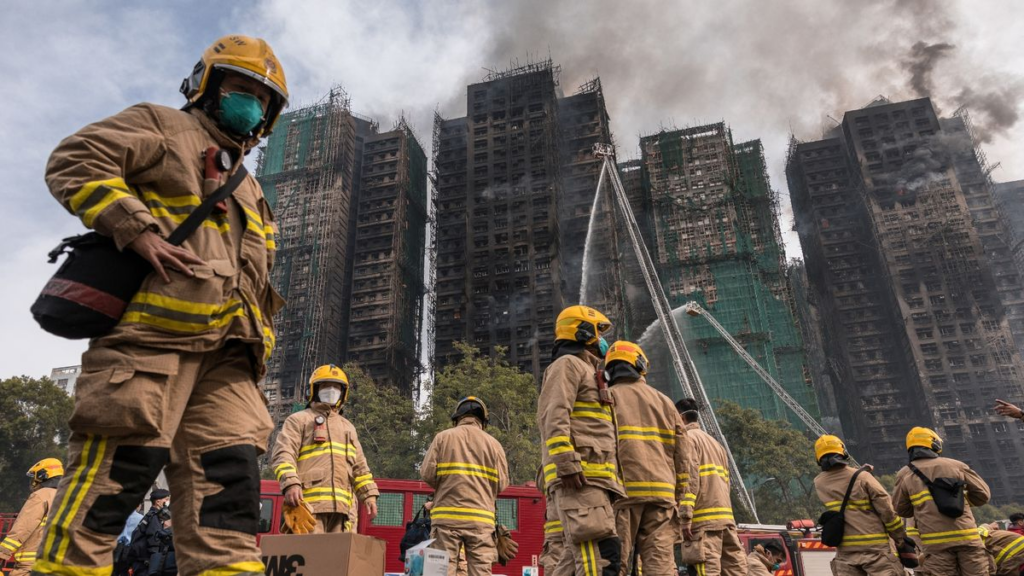
The swift response of over 2,000 firefighters to the Wang Fuk Court fire highlights the challenges emergency services face in high-density urban settings. The sheer scale of the incident called for exceptional coordination and resource allocation. However, the delayed responses reported by some residents have led to concerns about the preparedness of emergency services in dealing with large-scale disasters. Improvements in communication procedures and emergency training may be necessary to ensure that future incidents are handled more effectively.
Community action has also played a vital role in addressing immediate needs as residents cope with the aftermath of this tragedy. Local charities and organizations have mobilized to provide support and resources for those affected by the fire, showcasing the power of collective action in times of crisis. The engagement of local communities in providing assistance can foster healing and resilience, while also pushing the government toward more proactive measures in fire safety management.
Investigating the Causes: A Call for Accountability
In the wake of the fire that’s become one of Hong Kong’s deadliest in over 70 years, the urgent need for a thorough investigation has sparked public interest. The arrests of several individuals on suspected corruption charges related to renovations raise serious concerns about accountability in building safety practices. As the investigation unfolds, it is essential to uncover the root causes of the fire and to ensure that those responsible are held accountable for any negligence or corruption that may have contributed to the tragedy.
The implications of this fire incident extend beyond immediate safety, calling for a broader discussion about oversight within the construction industry. As investigations reveal potential lapses in regulatory compliance, it could prompt a reevaluation of how projects are overseen in Hong Kong. This tragedy can serve as a wake-up call, emphasizing the dire need for vigilance in maintaining building standards to protect residents from future disasters.
Remembering the Victims: A Community Reflection
As communities mourn the loss of 146 lives in the fire, it is crucial to reflect on the victims and their stories. Each life lost represents unique stories, dreams, and families forever changed by this incident. Holding vigils and memorial services not only honors those who have passed but also solidifies community ties among those who remain. This recognition can foster a sense of collective healing and determination to ensure that such a tragedy never repeats.
Memorialization efforts can extend beyond immediate community impacts as discussions arise surrounding policy changes and improved fire safety measures. The memory of those lost in the Wang Fuk Court fire could drive legislative action, prompting lawmakers to take the necessary steps to enhance regulations and building standards. In this way, the incident serves as a critical turning point in both community solidarity and institutional accountability.
The Legacy of the Fire: Moving Towards Safer Buildings in Hong Kong
In light of the recent fire, there lies an opportunity for change that can lead to safer buildings across Hong Kong. As the government grapples with the implications of this widespread tragedy, a renewed focus on fire safety regulations and building materials can transform the future of construction in the region. Every effort made to prevent a repeat of such a disaster not only honors the victims but also serves to protect the living.
Changes may include stricter enforcement of safety codes, the development of safer construction practices, and heightened scrutiny of compliance with fire regulations. The collective call from the community calls for resilience and an overarching commitment towards ensuring that all high-rise buildings are equipped with modern safety measures. This fire could represent a pivotal shift in how Hong Kong approaches urban safety and building practices moving forward.
Frequently Asked Questions
What is the current Hong Kong fire death toll following the recent incident?
The current Hong Kong fire death toll stands at 146, following the devastating fire at the Wang Fuk Court housing complex, which occurred recently. Authorities continue to search for at least 150 missing individuals.
What caused the high death toll in the Wang Fuk Court fire incident in Hong Kong?
The high death toll in the Wang Fuk Court fire incident is attributed to the rapid spread of flames, which escalated due to flammable construction materials used in the high-rise buildings. Investigations are underway to determine the exact cause and any negligence involved.
How did the fire spread so rapidly in the Hong Kong high-rise buildings?
The Hong Kong high-rise fire spread rapidly due to the use of flammable materials, including plastic netting, and bamboo scaffolding on the buildings’ exteriors. These materials facilitated the quick movement of flames across the tower blocks.
What are some criticisms regarding fire safety regulations in Hong Kong following this incident?
Critics have raised significant concerns about Hong Kong’s fire safety regulations, especially after reports revealed that fire alarms were not functioning effectively in any of the eight towers at Wang Fuk Court. This has sparked debates on improving fire safety standards and the oversight of building materials.
Are there any ongoing investigations related to the Wang Fuk Court fire in Hong Kong?
Yes, there are ongoing investigations related to the Wang Fuk Court fire in Hong Kong. Authorities have arrested several individuals on suspicion of corruption and manslaughter connected to the renovations that may have contributed to the fire’s outbreak and rapid spread.
How has the community responded to the tragic Hong Kong fire death toll?
The response from the community has been poignant, with thousands gathering to pay their respects to the victims of the Hong Kong fire. A period of national mourning has been declared, and residents have shown solidarity by participating in prayers and memorials for those affected.
What role did construction materials play in the Hong Kong high-rise fire?
Construction materials, particularly flammable substances, played a critical role in the spread of the Hong Kong high-rise fire. The use of inadequate and combustible materials has raised concerns about building safety regulations and the need for stricter oversight.
What measures are being taken in response to the Wang Fuk Court fire?
In response to the Wang Fuk Court fire, Hong Kong’s buildings department has temporarily suspended work on 30 private projects as investigations proceed. Additionally, there are calls for stronger fire safety regulations to prevent similar tragedies in the future.
What historical significance does the current Hong Kong fire hold?
The current Hong Kong fire at Wang Fuk Court is notable for being the deadliest in more than 70 years, surpassing previous incidents. The last major fire that claimed a significant number of lives occurred in 1948, resulting in 176 fatalities.
How are local and national authorities addressing the aftermath of the high-rise fire in Hong Kong?
Local and national authorities are addressing the aftermath of the high-rise fire in Hong Kong by conducting thorough investigations into the incident, assessing fire safety regulations, and providing support for the victims’ families during this mourning period.
| Key Points |
|---|
| Death toll currently stands at 146, with 150 people still missing and 79 injured. This is the deadliest fire in Hong Kong in over 70 years. |
| The fire occurred at Wang Fuk Court housing complex in the Tai Po district, affecting seven of eight tower blocks. |
| Rapidly spread fire linked to the use of flammable construction materials, prompting public outrage and an investigation. |
| Three days of national mourning initiated with thousands paying respects at the site, and flags at half-staff. |
| Investigation launched, including arrests of individuals on suspicion of manslaughter and corruption related to building renovations. |
| Firefighter Ho Wai-ho among the deceased; fire peaked at 500C and took over 40 hours to extinguish, necessitating 2,000 firefighters’ involvement. |
| Concerns raised about the functionality of fire alarms in the affected blocks during the blaze. |
| The tragedy has rekindled discussions on safety regulations and the use of bamboo scaffolding in Hong Kong construction. |
Summary
The Hong Kong fire death toll has tragically risen to 146, following a catastrophic blaze in the Wang Fuk Court housing complex. As the community mourns, investigations are underway to determine the cause of the fire and to address the serious safety concerns highlighted by this disaster. With thousands gathering to pay their respects and flags at half-mast, the impact of this event continues to ripple through the city, sparking widespread calls for reform in building safety standards. The ongoing investigation into the corrupt practices tied to the construction materials used is critical to prevent such tragedies in the future.