
Listen to this article
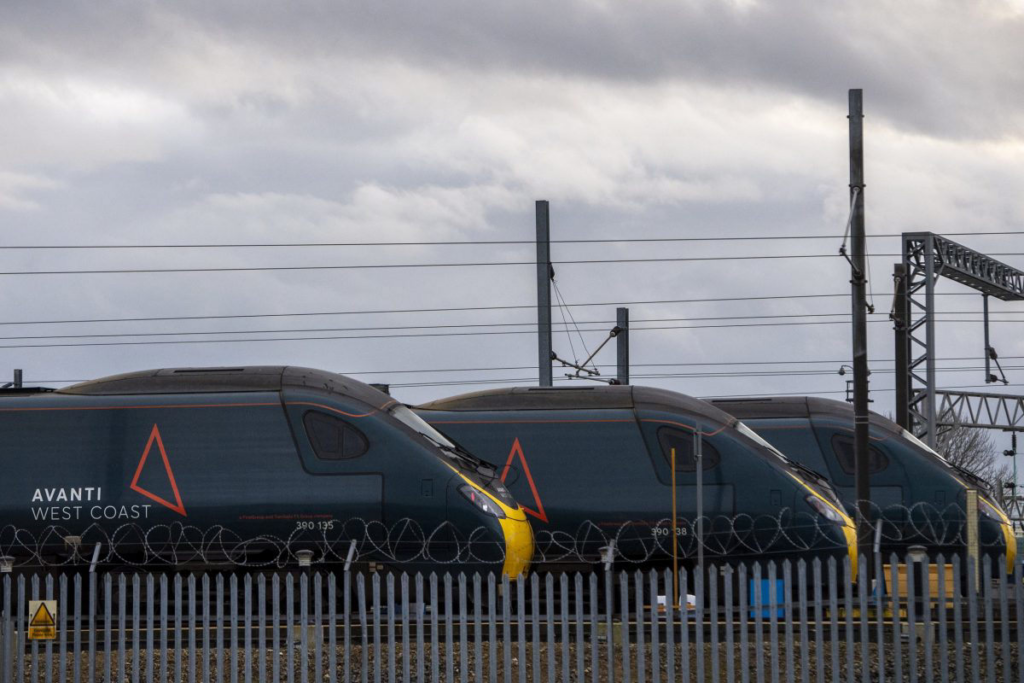
Avanti train service disruption has become a pressing topic for commuters relying on the Manchester to London route as significant changes unfold. Starting December 15, the Office of Rail and Road has mandated that the busy 7am train from Manchester Piccadilly to Euston will operate without any passengers, effectively turning it into a ‘ghost train service.’ This controversial decision, which follows a declared ‘firebreak’ period, aims to enhance operational flexibility on the West Coast Main Line services. Avanti West Coast has voiced its disappointment over the loss of crucial passenger routes, impacting many daily travelers. With five services removed from their timetable, including the popular weekday connection, it leaves many wondering how they will adapt to this unexpected change in their travel plans.
The ongoing disruption to the Avanti train services highlights broader issues within rail connectivity, particularly along the Manchester to London corridor. The latest ruling by the Office of Rail and Road has resulted in a notable reduction of available trains, including the vital morning service that typically accommodates a large number of commuters. This empty service, often termed a ‘ghost train,’ will run solely to ensure staff positioning, raising concerns about accessibility and convenience. With alternative routes being affected as well, many passengers are left grappling with adjustments amid the operational shake-up on the West Coast Main Line. As travel routines are disrupted, continuous updates regarding Avanti West Coast and other train services are essential for passengers seeking clarity and alternatives.
Impact of Avanti Train Service Disruption on Commuters
The recent ruling by the Office of Rail and Road (ORR) to allow only staff on the Avanti train from Manchester to London Euston has raised significant concerns among commuters. The 7am train, which has been a lifeline for many professionals traveling to the capital, will now operate without any passengers starting December 15. This disruption is expected to leave thousands of daily travelers scrambling for alternative transport options, as this service has been integral to the morning commute. The lack of availability could lead to increased congestion on other routes and a higher demand for buses and other rail services.
Moreover, the decision to run this train as a ‘ghost train’ during the ”firebreak” period indicates a broader issue with the management of the West Coast Main Line services. Commuters relying on the typically crowded Avanti service are likely to feel the impact not only in their travel plans but also in their productivity, as the exclusion of passengers from this pivotal service disrupts established commuting patterns. The implications of this measure reach beyond inconvenience, potentially affecting business outcomes for those reliant on timely arrivals in London.
Reasons Behind the Office of Rail and Road’s Decision
The controversial choice by the Office of Rail and Road to reroute Avanti’s 7am service to operate without passengers stems from concerns regarding performance and network management on the West Coast Main Line. The ORR emphasized that the evidence from Network Rail indicated that additional services during the ‘firebreak’ could degrade overall performance. By allowing Avanti to operate the service as empty coaching stock (ECS), the regulator aims to improve flexibility, which is essential for managing unforeseen disruptions in the rail network.
This operational decision highlights the balancing act the ORR must navigate between providing adequate service levels for passengers and maintaining the reliability of the broader rail network. The decision is not only about one particular train; it reflects ongoing challenges within the UK’s rail infrastructure that require careful planning and execution to ensure all services, including the Manchester to London train, can run effectively without compromising performance across the system.
Avanti West Coast’s Response to Service Changes
Avanti West Coast has publicly voiced its disappointment following the ORR’s resolution, as the train operator understands the critical role the 7am service plays for commuters. The spokesperson noted that while the company will maintain essential services, such as additional trains on the Liverpool route, the cancellation of the Manchester to London “fast service” will inevitably hinder accessibility for numerous customers. This sentiment has resonated with passengers who were reliant on this key link between the two major cities.
Furthermore, Avanti is tasked with navigating the fallout from this service disruption. The announcement of five other routes being impacted, including the Blackpool and Chester services, presents operational challenges that may require rethinking how they meet customer needs during this transitional period. The company must now demonstrate agility and commitment to adapting its strategy, with hopes of reinstating these vital services once the new timetable is secured.
Understanding the ‘Ghost Train’ Concept in Rail Operations
The concept of a ‘ghost train’ operating with only staff is not new in the rail industry; it serves operational purposes aimed at maintaining service integrity while adaptations are necessary. For Avanti, this arrangement allows the train to fulfill its role in the network without carrying passengers, thus keeping crucial logistics intact. This strategy provides operators with the ability to manage delays and rerouting effectively while minimizing the impact of service interruptions caused by external factors.
By classifying the service as empty coaching stock (ECS), Avanti can still provide necessary connections across the rail network without complicating passenger schedules. This flexibility aims to uphold service standards and allow for recovery mechanisms when needed. The adaptability offered by ECS operation can ultimately bolster overall performance, thus demonstrating the proactive measures intended to manage the complexities of the railway system amidst challenging times.
Future Prospects for Avanti West Coast Services
Looking ahead, Avanti West Coast’s service model must shift to respond effectively to the recent disruptions. The operator has committed to increasing its overall network offerings from December, ensuring that they can still deliver value to passengers despite significant challenges. Additional train services on the Liverpool route indicate a strategic pivot designed to maintain commuter engagement and alleviate some of the congestion that may arise as a result of the cancelled trains.
As the new timetable is established, Avanti will be focused on re-evaluating and potentially expanding their services. This period of adjustment presents a unique opportunity for Avanti to innovate and enhance the travel experience for passengers, creating new routes and improving existing ones that may have fallen short in the past. Ultimately, the goal will be to restore confidence among commuters and ensure a robust service that meets the demands of those traveling between Manchester and London.
Key Takeaways from the Avanti West Coast Situation
The ruling by the ORR regarding Avanti West Coast’s train services highlights a critical intersection between operational efficiency and passenger service. The decision to omit passengers from a key morning service has sparked widespread discussion about the traditional passenger rail framework, urging stakeholders to reconsider how best to balance service demand with infrastructural capabilities. Essential services are at risk of becoming increasingly strained, necessitating innovative solutions to protect commuter interests.
Moreover, the situation emphasizes the importance of communication between rail operators and the regulatory bodies overseeing them. Transparency in decision-making and a collaborative approach will be vital in addressing the concerns of affected passengers, ensuring that rail operations remain a reliable source of transport in the long term. As Avanti moves forward, it must capitalize on the challenges presented to enhance service while aligning with regulatory requirements.
Understanding the Rail Network’s ‘Firebreak’ Policies
The ‘firebreak’ strategy implemented by the ORR is intended as a short-term measure to strengthen the rail network’s resilience during periods of uncertainty. By allowing for operational flexibility, this approach helps to mitigate the effects of disruptions and is designed to enhance the reliability of ongoing services. For Avanti West Coast, this means recalibrating their service offerings during transitional phases to remain agile while ensuring network integrity.
The necessity for such a policy is increasingly evident as rail networks face mounting pressures from both passenger demands and external factors affecting performance. The effectiveness of these firebreak strategies rests on how well operators like Avanti can adapt their schedules and services without compromising customer experience. Understanding the implications of these decisions is fundamental for stakeholders seeking a more robust and responsive rail service in the UK.
The Role of Network Rail in Service Provision
Network Rail plays an essential role in the UK rail system, and its input is crucial in decisions impacting services like Avanti’s Manchester to London train. The organization is responsible for maintaining the infrastructure and ensuring that all rail operations are conducted safely and efficiently. Their analysis of service performance is vital for regulators like the ORR, who must rely on accurate data to make informed decisions.
With the recent disruptions resulting from ORR’s decisions, the cooperation between Network Rail and operators such as Avanti will be vital. Enhanced data sharing and communication can help mitigate the adverse impacts of service changes, allowing for timely improvements and development of more efficient service models moving forward. Strategically ensuring that infrastructure aligns with service provision will be a cornerstone of sustainable rail operations in the future.
Staying Informed: Updates from Avanti West Coast
For regular updates regarding the changes in Avanti West Coast services, passengers are encouraged to stay connected through official channels. Initiatives such as newsletters provide valuable insights into train schedules, operational changes, and potential disturbances that may affect travel plans. Being informed allows passengers to plan ahead and seek alternative routes when necessary.
Furthermore, Avanti’s commitment to transparency is crucial during this transitional phase. By communicating changes promptly, the company can maintain trust among its customers and mitigate frustrations arising from service disruptions. As commuters seek reliable transportation options, Avanti must continue to evolve its communication strategies to foster engagement and provide reassurance to those reliant on their services.
Frequently Asked Questions
What is the Avanti train service disruption affecting Manchester to London trains?
The Avanti train service disruption, as decided by the Office of Rail and Road (ORR), will result in the 7am service from Manchester Piccadilly to London Euston operating with no passengers from December 15. This decision has been made to manage performance during a ‘firebreak’ period.
Why is the 7am train from Manchester to Euston running as a ghost train service?
From December 15 onward, the 7am train from Manchester to London Euston will operate as a ghost train service due to the ORR’s ruling which permits only staff on board. This measure is intended to ensure the train runs for operational positioning and maintain Avanti’s overall service schedule.
How does the Office of Rail and Road justify the disruption to Avanti West Coast trains?
The ORR justifies the Avanti train service disruption by citing evidence from Network Rail that adding passenger services during specific ‘firebreak’ paths on the West Coast Main Line would negatively impact overall train performance.
What other services will Avanti West Coast remove due to the new timetable?
In addition to the 7am train from Manchester to London Euston, Avanti will also remove four other services due to the disruption. These include trains from Blackpool North, Chester, and Holyhead, impacting weekday travel significantly.
How is Avanti West Coast responding to the service disruption?
Avanti West Coast has expressed disappointment with the ORR’s decision and emphasized their commitment to providing additional services across their network, particularly on routes such as Liverpool, despite the removal of the ghost train service from Manchester.
What does the term ‘firebreak’ mean in relation to Avanti train service disruptions?
The term ‘firebreak’ refers to a designated operational period during which certain train services, like those of Avanti from Manchester to London, will not accommodate passengers. This allows for better service flexibility and management during the disruptions on the West Coast Main Line.
What implications does the Avanti train service disruption have for passengers?
The Avanti train service disruption will significantly impact passengers who relied on the now-canceled trains, including the popular 7am commute from Manchester to London, as they will need to seek alternative travel arrangements for at least the next five months.
When will the Avanti train service disruption end, and will there be any new services introduced?
The Avanti train service disruption is expected to continue for at least five months, with updates pending on the new timetable. However, Avanti indicated plans to introduce additional services on some routes, such as Liverpool, to compensate for the disruptions.
What should I do if I relied on the 7am Avanti train from Manchester to London Euston?
If you relied on the 7am Avanti train service from Manchester to London Euston, you should check Avanti’s updated timetable for alternative travel options. Consider exploring other routes or schedules offered by Avanti West Coast during this disruption period.
Where can I find updates on Avanti West Coast news regarding train service disruptions?
For the latest updates on Avanti West Coast news regarding train service disruptions, including the Manchester to London services, subscribe to Avanti’s newsletters or check their official website for announcements.
| Service | Details |
|---|---|
| Avanti Train Service | The 7am train from Manchester to Euston will operate with staff only, starting December 15. |
| Impact on Passengers | Passengers will not be allowed onboard during a ‘firebreak’ period. |
| No. of Services Halted | Five passenger services will be canceled, impacting daily commuters. |
| Reasons for Decision | The decision was made based on evidence from Network Rail regarding performance issues. |
| Future Commitment | Avanti plans to introduce more services on other routes despite these disruptions. |
Summary
The Avanti train service disruption, effective from December 15, signifies a significant change for commuters traveling between Manchester and London. This decision, instigated by the Office of Rail and Road, will see the usually bustling 7am train operate as an empty service for at least five months, limiting essential travel options for many passengers. While Avanti has expressed disappointment, the company is still committed to enhancing services on other routes to mitigate customer dissatisfaction.