
Listen to this article
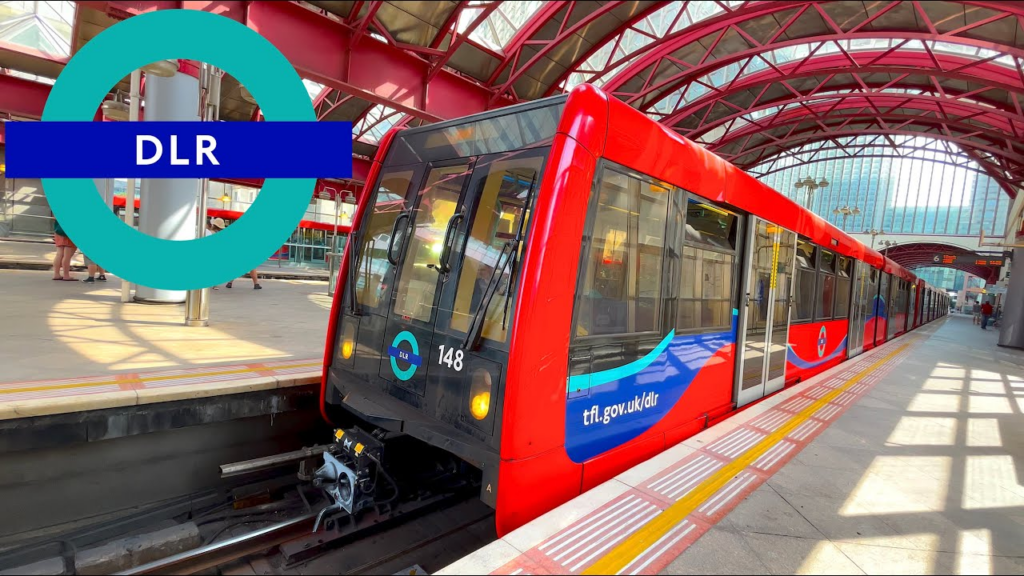
The Docklands Light Railway (DLR) stands out as a vital element of London’s transport network, showcasing one of the most innovative light rail systems in London. Since its inception in 1987, this automated railway has transformed the once-neglected Docklands area into a thriving hub, allowing for unprecedented connectivity and ease of travel. With its unique driverless technology, riding the DLR offers passengers an exhilarating experience, especially from the front seat, where it feels like they’re in control of the journey. The DLR not only serves as a local transit option but also as a prominent example of effective urban redevelopment through the Docklands development initiatives. As London’s sole light railway, it provides an essential alternative to the traditional London Underground, making it a key player in the city’s evolving transport landscape.
Often regarded as a modern marvel of the London transport landscape, the Docklands Light Railway (DLR) plays a crucial role in the city’s mobility, defining the way residents and visitors navigate the area. Serving as a contemporary solution to urban transit challenges, particularly in revitalized Docklands, this automated system contrasts sharply with London Underground alternatives. As one of the few light rail systems that have flourished in the capital, the DLR illustrates the successful integration of rail transport with redevelopment efforts. Its advent symbolizes a shift in transport paradigms, addressing past deficiencies and creating an efficient network for the population. By examining its unique characteristics, we can appreciate how the DLR reshapes transport dynamics in London.
The Role of the Docklands Light Railway in London’s Transport Network
The Docklands Light Railway (DLR) serves as a vital component of London’s transport network, connecting the previously neglected Docklands area with the rest of the capital. Opened in 1987, the DLR has revolutionized how both residents and visitors navigate this rapidly developing part of London. Its automated system allows for an unobstructed view as the train glides over the landscape, providing a unique perspective that you simply can’t get on the London Underground. This mode of transport stands out due to its efficiency and convenience, catering to the growing number of commuters and tourists in the area.
In addition to being a standalone railway system, the DLR helps integrate with other parts of London’s extensive transport framework. Stations like Canary Wharf, with its skyscrapers and financial institutions, enable seamless connections to the Jubilee Line and other transport links, enhancing the accessibility of the Docklands. Furthermore, as London continues to grow, the DLR’s capacity to handle increasing passenger demand showcases its importance within the wider London transport landscape, filling a unique niche that other systems do not.
Why the Docklands Light Railway is Exclusive to Its Area
The Docklands Light Railway is unique in that it is the only light rail system in London, a distinction primarily influenced by historical development patterns. Originally constructed to facilitate the regeneration of the Docklands after its decline in the mid-20th century, officials aimed to address the transportation needs of an area becoming increasingly commercialized. However, despite proposals over the years for similar light rail networks in regions like North London, the logistics and economic feasibility have complicated these efforts.
Moreover, the regional infrastructure challenges in North London, including a historically enhanced Underground network, diminish the perceived necessity for light rail systems unlike the DLR. London Mayor Sadiq Khan has noted the substantial transport provisions already established in North London, while South London, on the other hand, has long awaited similar developments. This regional disparity raises questions about the future of light rail systems and whether the success of the DLR might inspire new efforts across different parts of London.
Historical Context of the Docklands and Its Development
During the mid-20th century, the once-bustling docks of East London faced significant decline, prompting the need for regeneration. The Docklands area, which was integral to Britain’s maritime economy, saw warehouses and shipping facilities fall into disuse. This economic downturn led to the establishment of initiatives such as the London Docklands Development Corporation, aimed at reviving the region. The idea of reintroducing a light railway surfaced as an innovative solution to transport the workforce and spark new investments, giving rise to the DLR.
The planning and construction phases were not without their difficulties; political decisions and economic constraints dramatically shaped the final outcome. Initial proposals for connecting the DLR with existing Tube lines were hindered by financial factors, often being labeled too expensive during a time of national economic struggle. However, with a determined push from local authorities and stakeholders, the DLR eventually materialized as an emblem of modern transport innovation, demonstrating how infrastructure can catalyze urban renewal.
Impact of the DLR on Local Communities and Economies
The development of the Docklands Light Railway has profoundly impacted local communities and economies, transforming the Docklands into a vibrant hub for commerce and culture. By linking key areas like Canary Wharf to other parts of London, the DLR has attracted businesses and professionals looking to capitalize on the dynamic atmosphere. As more people started to reside and work in the area, property values surged, and new services began to flourish, effectively embedding the DLR within the fabric of the community.
Furthermore, the DLR has enhanced social mobility, providing residents with easier access to employment opportunities beyond the confines of their local area. This not only benefits the individuals directly involved but also contributes to the overall economic growth of London. Enhanced connectivity through the DLR has been pivotal in fostering a diverse range of industries in the Docklands, demonstrating the integral role that modern transportation services play in urban development.
Future Prospects of the Docklands Light Railway
As London continues to develop, the future of the Docklands Light Railway holds great promise. Plans to expand the DLR network are already underway, offering hopes of further integration with existing transport systems and improved connectivity across the capital. The vision for future extensions may include new stations and increased links with other light rail systems, creating a more comprehensive transport network that meets the growing demands of London’s population.
Moreover, enhancing the DLR aligns with broader sustainability goals, as public transport systems are essential in reducing congestion and minimizing carbon footprints. By promoting accessible and efficient public transit options, the DLR sets an example for future transport initiatives in London and beyond. As it stands, the DLR represents not just a successful element of London’s transport infrastructure but also a blueprint for sustainable urban mobility.
Comparing the DLR with London Underground and Other Transport Options
When comparing the Docklands Light Railway with the London Underground, several distinctions emerge. The DLR’s automation sets it apart, as London Underground trains are typically manually driven. This difference in operation offers users a unique experience, particularly for those seated at the front of the train, as they gain a panoramic view of the journey. The DLR’s light rail characteristics allow for flexibility in construction, enabling it to navigate through densely populated areas without the heavy tunneling required by the Underground.
Moreover, while the Underground has been the backbone of London’s transport for decades, the DLR addresses specific needs of the East London region significantly well. This has sparked discussions about potential light rail systems in other parts of London, as the DLR’s success prompts consideration of alternative transit solutions. The adaptability of light rail systems can offer a compelling argument for enhancing London’s public transport landscape, especially in areas that might not necessitate extensive Underground construction.
Challenges Facing the Docklands Light Railway
Despite its many successes, the Docklands Light Railway faces numerous challenges. One significant issue is its capacity to keep up with the area’s rapid population growth. As more people flock to the Docklands, there are concerns regarding overcrowding at peak times, which can diminish the quality of service for commuters. Addressing these challenges will require strategic planning and investment in extending the current network, enhancing its infrastructure to accommodate an increasing number of passengers.
Additionally, the DLR’s unique status as an automated light rail system means that maintenance and technological advancements are critical for its continued operation. Keeping the system modern and efficient can present funding challenges, especially in a competitive transport funding environment within London. Therefore, ongoing investment and strategic collaborations will be vital to ensure the longevity and reliability of the DLR as it adapts to the evolving demands of London’s transport ecosystem.
Docklands Light Railway and Sustainable Urban Development
The Docklands Light Railway plays a pivotal role in promoting sustainable urban development within the capital. By providing an efficient alternative to road transport, the DLR helps reduce traffic congestion and lower carbon emissions in the densely populated urban environment. As sustainable transport options gain importance, the DLR’s automated nature and the ability to operate on tracks above ground directly contribute to minimizing environmental impacts.
Furthermore, the DLR supports the infrastructure for green initiatives in the Docklands, such as the creation of pedestrian-friendly areas and cycle routes. Encouraging these eco-friendly modes of transportation complements the DLR’s mission, enhancing the overall quality of life for residents and professionals alike. As a part of London’s broader commitment to sustainability, the DLR sets a model for integrating efficient public transport with environmentally responsible urban planning.
Exploring the Future of Light Rail Systems in London
The question of introducing light rail systems in other parts of London is gaining traction, particularly when observing the success of the Docklands Light Railway. Advocates argue that replicating this model could alleviate overcrowding in certain Tube lines and enhance connectivity in underserved areas. Proposed light rail possibilities have been discussed for neighborhoods such as South London, where traditional Underground expansions may not be feasible.
Examining the DLR’s achievements provides a roadmap for potential light rail initiatives, emphasizing the importance of community needs and logistical challenges. As debates on transportation expansion continue, the success of light rail systems like the DLR could inspire a revolution in how London approaches urban transportation, paving the way for a future where light rail contributes more significantly to the London transport network.
Frequently Asked Questions
What is the Docklands Light Railway (DLR) in London?
The Docklands Light Railway (DLR) is a light rail system in London that serves the Docklands area, providing an important transport link within the city’s network. Introduced in 1987, it is known for its automated trains, offering a unique experience for passengers.
How does the Docklands Light Railway (DLR) differ from the London Underground?
The Docklands Light Railway (DLR) is distinct from the London Underground as it is primarily an automated light rail system. Unlike traditional tube trains, the DLR utilizes driverless operations, offering panoramic visibility to passengers seated at the front, enhancing the travel experience.
Why is the Docklands Light Railway (DLR) the only light rail in London?
The Docklands Light Railway (DLR) is the only light rail system in London due to its specific development aimed at revitalizing the declining Docklands area. Its construction was deemed economically viable and necessary compared to extending the more costly London Underground.
What areas does the Docklands Light Railway (DLR) serve?
The Docklands Light Railway (DLR) serves the Docklands area, connecting it to key locations like Bank, Canary Wharf, and London City Airport. It plays a vital role in enhancing accessibility for residents and visitors to this important business district.
What role did the Docklands development play in the creation of the DLR?
The Docklands development was crucial in the establishment of the Docklands Light Railway (DLR). The initiative to revitalize the aging Docklands led to proposals for a light rail system to improve transport accessibility and stimulate economic growth in the area.
Why isn’t there a Docklands Light Railway (DLR) extension to North London?
There is no Docklands Light Railway (DLR) extension to North London primarily due to sufficient existing transport links in the area. North London has historically enjoyed well-connected public transport networks, reducing the need for an additional light rail system like the DLR.
Is the Docklands Light Railway (DLR) an affordable alternative to the London Underground?
Yes, the Docklands Light Railway (DLR) is considered a more affordable alternative to the London Underground. Its construction and operational costs are lower compared to traditional tube systems, making it an economically sensible option for urban transit.
How does the automation of the Docklands Light Railway (DLR) enhance the travel experience?
The automation of the Docklands Light Railway (DLR) significantly enhances the travel experience by allowing passengers to enjoy unobstructed views of the city while traveling. This feature makes riding the DLR unique, especially for those seated at the front of the train.
What impact has the Docklands Light Railway (DLR) had on London’s transport network?
The Docklands Light Railway (DLR) has positively impacted London’s transport network by improving connectivity in the Docklands, promoting economic growth, and providing an efficient means of transport for residents and visitors in an area previously lacking sufficient public transit options.
What is the future of the Docklands Light Railway (DLR) in London?
The future of the Docklands Light Railway (DLR) looks promising, with possibilities for expansions and enhancements to the network to accommodate growing demand in the Docklands area and improve overall connectivity within London’s transport network.
| Key Points |
|---|
| The Docklands Light Railway (DLR) is a distinctive part of London’s transport system, operational since 1987. |
| The DLR is fully automated, allowing riders to experience a unique, thrilling ride in the front carriage. |
| The network emerged as a response to the decline of London’s docklands and the need for urban redevelopment in the 20th century. |
| Despite initial costly proposals, the DLR received approval and opened its first phase in 1999. |
| The DLR is unique as other regions, particularly North London, have historically had better transport connectivity, diminishing the need for a light rail system. |
Summary
The Docklands Light Railway is an essential part of London’s transportation landscape, providing a modern, automated travel option in the redevelopment zone of the former docklands. Its establishment showcases a strategic response to urban decline and reflects the ongoing evolution of London’s transport needs. Despite peculiarities that restrict light rail systems elsewhere in the city, the DLR remains a model of innovation, connecting a once-neglected area to the bustling heart of London.