Listen to this article
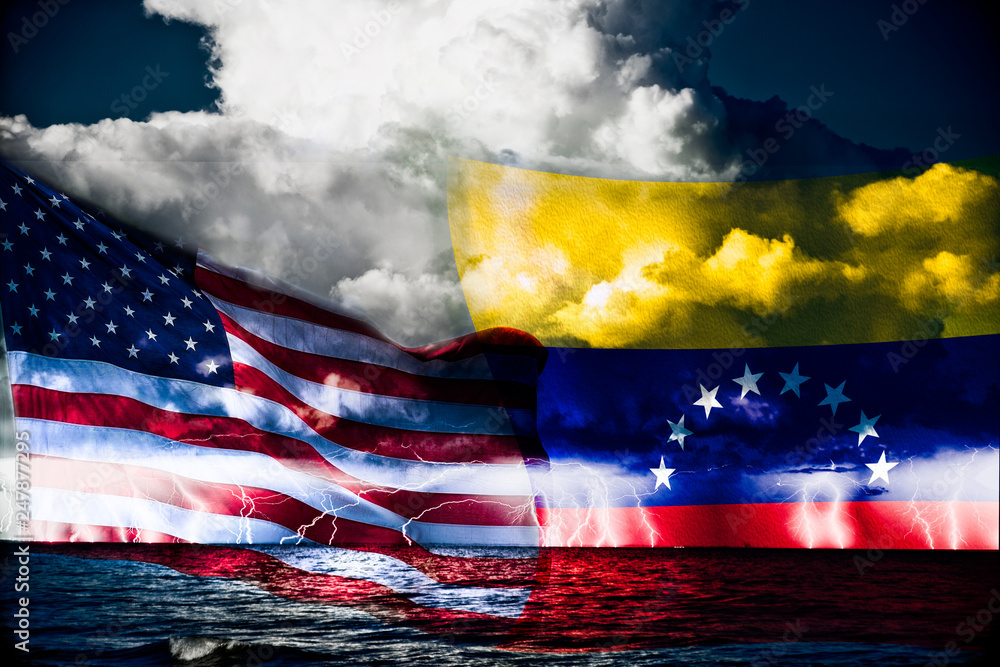
The Venezuela US conflict has escalated dramatically in recent months, particularly following President Donald Trump’s controversial remarks about the closure of Venezuela’s airspace. This declaration was met with strong opposition from the Venezuelan government, which accused Trump of issuing a “colonialist threat,” an act deemed as illegal aggression against its sovereignty. Amid growing tensions, the Venezuelan military response has intensified, especially with the US increasing its military presence in the Caribbean, supposedly to combat drug trafficking. This situation has left international airlines uncertain about their operations, while Maduro’s administration continues to deny accusations of drug trafficking as mere fabrications aimed at undermining his legitimacy. As the conflict unfolds, the implications for US-Venezuelan relations and regional stability remain a pressing concern, demanding close attention from global observers.
Recent tensions between the United States and Venezuela have put a spotlight on a historical struggle for influence and autonomy in the Latin American region. The ongoing frictions are fueled by accusations against the Venezuelan leadership regarding drug trafficking, coupled with the US military’s enhanced presence in the Caribbean, aimed ostensibly at curbing illegal activities. President Trump’s provocative statements about airspace restrictions over Venezuela further exacerbate an already fraught diplomatic situation, igniting fears of potential military conflict. On the other side, Venezuelan officials perceive these actions as efforts to destabilize the current government and manipulate public sentiment against President Maduro, who characterizes the US moves as hostile interventions. This conflict not only jeopardizes bilateral relations but also poses significant questions about sovereignty and international law.
Venezuela Accuses Trump of Colonialist Threats
Venezuela has lashed out against US President Donald Trump’s declaration that the airspace surrounding the nation be considered closed, labeling it a ‘colonialist threat.’ The Venezuelan foreign ministry condemned Trump’s remarks as misguided and characterized them as an overt aggression towards its citizens. Such rhetoric not only stirs tensions but can also instigate international travel uncertainties. Airlines are likely to reconsider their routes and itineraries to and from the country, fearing repercussions from this declaration.
The implications of Trump’s statement are multifaceted. While the US lacks the legal authority to unilaterally close another nation’s airspace, the mere suggestion can have severe economic ramifications. Airlines may interpret such threats as legal liabilities, leading to hesitance in operating flights over Venezuelan airspace. Furthermore, this could prompt a proactive response from the Venezuelan military, increasing security measures in the nation’s airspace to counter any perceived intrusion or aggression.
Escalating US Military Presence in the Caribbean
Amidst escalating tensions, the US has strengthened its military presence in the Caribbean under the guise of combatting drug smuggling. This increase in troop deployment and naval resources, including the USS Gerald Ford, is seen as part of a broader strategy to curb the alleged trafficking operations tied to Venezuelan leaders. However, the Venezuelan government interprets these actions as direct threats to its sovereignty and a clear move to undermine President Maduro’s administration.
Despite official justifications, Venezuelan leadership, including Maduro, has consistently framed US military actions as an attempt to destabilize his regime. Claims of drug trafficking are dismissed as fabricated narratives that serve as pretexts for aggression. Furthermore, Maduro’s administration is rallying national and international support by denouncing these operations, insisting they strengthen national unity against foreign interference.
The Impact of Venezuela’s Airspace Closure
Venezuela’s recent decision to close its airspace to major airlines that failed to comply with operational demands reflects the heightened tensions with the US. Banning carriers such as Iberia and Turkish Airlines is more than just a punitive measure; it sends a clear signal of defiance against international pressures. Such closures could lead to significant economic impacts, as tourism and international travel often serve as lifelines for the Venezuelan economy.
Furthermore, closing airspace can also enhance national security in the face of perceived threats from the US military exercises nearby. With the US increasing its Caribbean presence, Venezuelan officials insist on protecting their territorial integrity. This strategic move could act as a deterrent against foreign military operations but may also escalate conflict, necessitating a careful balance between national defense and international diplomatic relations.
Trump’s Military Threats and Venezuelan Reactions
President Trump’s recent statements threatening military action against Venezuela have provoked strong responses from Caracas. The Venezuelan government views these threats as aggressive posturing intended to intimidate and undermine its sovereignty. Trump’s declaration about ‘surgical military actions’ only amplifies fears of direct intervention, intensifying the need for the Venezuelan military to bolster its preparedness against any US incursion.
In light of such threats, the Venezuelan military has emphasized its readiness to respond to any aggression, highlighting their commitment to safeguarding national sovereignty. With a backdrop of heightened military rhetoric from the US, the Venezuelan government continues to assert that external pressures, particularly from the US, seek to destabilize its governance and weaken the incumbent leadership.
US-Fueled Tensions and the Venezuelan Military Response
As the US government pursues a firmer stance in the region, alleging Venezuelan connections to drug trafficking, the Venezuelan military has escalated its readiness in response. The deployment of US naval assets near Venezuela raises significant alarm within the nation’s armed forces, prompting a strong military response to safeguard territorial integrity. Venezuelan officials consistently characterize these US deployments as hostile intentions disguised under the banner of law enforcement.
This dynamic reflects a critical intersection of military readiness and political tension. The Venezuelan military’s response is not just defensive; it includes strategic posturing designed to assert national strength and dissuade any direct interventions. The rhetoric from both sides continues to escalate, with Venezuela emphasizing its sovereignty and the need for international support against perceived imperialistic threats from the US.
Understanding Trump’s Stance on Venezuela
President Trump’s approach towards Venezuela highlights a significant shift in US foreign policy marked by a willingness to resort to threats of force. His administration’s public accusations against Maduro’s regime—the claims of drug trafficking and human rights violations—have shaped an adversarial narrative. This has not only heightened tensions but also influenced how other nations perceive Venezuela’s situation on the global stage.
Trump’s remarks, often delivered via social media platforms, reflect an unfiltered approach that bypasses traditional diplomatic channels. This has led to confusion and further exacerbated international relations. The Venezuelan government perceives this as a legitimate threat, manipulating domestic narratives to reinforce national unity against external pressures while simultaneously rallying international support against what they term US aggression.
Maduro’s Strategy Against US Adversities
In light of US pressures, President Nicolás Maduro has adopted a multifaceted strategy that seeks to bolster national morale while positioning Venezuela in the global discourse of sovereignty and autonomy. His rhetoric emphasizes resilience against ‘imperialist aggression,’ using Trump’s declarations to unite local support and rally international allies. This narrative serves dual purposes: strengthening domestic legitimacy while framing the US interventions as violations of sovereignty.
Maduro’s administration continues to push back against US claims of drug trafficking, branding them as part of a larger strategy to undermine the government. By rejecting the designation of the Cartel de los Soles as a terrorist organization, Maduro aims to delegitimize US assertions and rally domestic and international support. This responsive strategy not only seeks to mitigate the effects of US sanctions but aims to fortify Maduro’s administration against both internal and external challenges.
The Global Implications of the Venezuela US Conflict
The conflict between Venezuela and the US has far-reaching implications that extend beyond bilateral relations; it reverberates through global geopolitical dynamics. Countries observing the US response to Venezuela are keenly aware of the potential for similar actions in their regions. This situation exemplifies how superpower interventions can create ripples across diplomatic, economic, and military arenas worldwide.
Additionally, the response from other countries will likely influence how international bodies engage with both the US and Venezuela. As international norms regarding sovereignty and interventionism shift, countries may be compelled to reassess their alliances and diplomatic strategies in light of ongoing developments. The complex interplay of military presence, regional stability, and global diplomatic maneuvers will significantly shape the future of US-Venezuela relations.
Conclusion: Navigating the Venezuela US Standoff
The current standoff between Venezuela and the US presents a daunting challenge for both nations, characterized by escalating tensions and mutual distrust. As each side navigates this complex geopolitical landscape, it is crucial for policymakers to engage in thoughtful diplomacy to avert military confrontation. The consequences of a hapless misstep could have catastrophic effects not only for Venezuela but for the entire region.
Moving forward, a comprehensive understanding of the historical context and current dynamics will be essential for evaluating potential resolutions. Only through sustained dialogue and strategic engagement can a path toward de-escalation and mutual respect be forged, allowing both Venezuela and the US to address their interests without further perpetuating the cycle of conflict.
Frequently Asked Questions
What is the significance of the Venezuela airspace closure in the context of the Venezuela US conflict?
The Venezuela airspace closure, as suggested by former US President Trump, raises significant tensions in the Venezuela US conflict. Although the US does not have the legal authority to enforce such a closure, Trump’s actions could create uncertainties for airlines operating in Venezuela, impacting the country’s economy and international relations.
How do Trump Venezuela threats impact US-Venezuela relations?
Trump’s Venezuela threats, including his remarks about closing the airspace, exacerbate the already tense relations between the US and Venezuela. Such statements are viewed by the Venezuelan government as colonialist aggression, further straining diplomatic ties and leading to retaliatory actions, such as the ban on certain airlines.
What was the Venezuelan military response to US Caribbean presence?
In response to the increased US Caribbean presence, including military deployments near Venezuela, the Venezuelan military has heightened its readiness and issued warnings against perceived threats. President Nicolás Maduro’s regime views this military buildup as an attempt to undermine his government and has underscored a commitment to national sovereignty.
Why is the US increasing its military presence in the Caribbean related to the Venezuela US conflict?
The US military presence in the Caribbean, purportedly aimed at combating drug trafficking, is often interpreted within the broader context of the Venezuela US conflict. The deployment is seen as a strategic measure to exert pressure on the Maduro regime and signal US discontent with its policies.
What are the implications of Maduro US relations for international airlines?
The deteriorating Maduro US relations have direct implications for international airlines, as evidenced by the recent bans imposed by Venezuela on specific carriers. This creates uncertainty for airlines, discouraging operations in the region and complicating travel logistics amidst heightened military tensions.
How does the designation of the Cartel de los Soles affect the Venezuela US conflict?
The designation of the Cartel de los Soles as a foreign terrorist organization by the US complicates the Venezuela US conflict significantly. It allows US law enforcement and military agencies to pursue aggressive actions against alleged members of the cartel, including high-ranking Venezuelan officials, intensifying hostilities and political strife.
What actions has the US taken regarding drug trafficking in Venezuela following Trump’s threats?
Following Trump’s threats regarding drug trafficking in Venezuela, the US has conducted military strikes against boats allegedly involved in smuggling, as part of a broader strategy to combat drug trafficking. However, the efficacy and justification of these strikes are often questioned, contributing to rising tensions in the region.
| Key Point | Details |
|---|---|
| Trump’s Threat | Trump referred to Venezuela’s airspace as closed, which Venezuela condemned as colonial aggression. |
| Military Presence | The US increased its military presence in the Caribbean, claiming it’s to combat drug trafficking. |
| Airline Bans | Venezuela banned six airlines from landing due to non-compliance with a flight resumption deadline. |
| Deployment of Troops | Over 15,000 troops and the USS Gerald Ford were deployed near Venezuela to combat drug trafficking. |
| Strikes on Drug Vessels | 21 US strikes were conducted on vessels claimed to be transporting drugs, with controversies over evidence. |
| Designation of Terrorist Organization | The US labeled the Cartel de los Soles as a terrorist organization, which Venezuela vehemently denies. |
Summary
The Venezuela US conflict continues to escalate as accusations and military maneuvers intensify. Venezuela has criticized the US for perceived aggressive rhetoric and military encroachments, while the US maintains its stance against supposed drug trafficking and corruption within the Venezuelan regime. This ongoing conflict highlights significant geopolitical tensions and raises numerous questions about sovereignty, international law, and the implications of foreign military presence in the region.