Listen to this article
Southern Asia flooding has cast a devastating shadow across the region, claiming approximately 600 lives and displacing millions. The relentless monsoon rains, coupled with the wrath of Cyclone Senyar, have unleashed some of the worst torrential downpours experienced in years, severely impacting countries like Indonesia, Thailand, Malaysia, and Sri Lanka. Rising water levels and catastrophic landslides have not only wreaked havoc on infrastructure but also left hundreds stranded, as rescue operations struggle against the adverse conditions. The scale of flooding in Asia this season is alarming, with reports indicating rising death tolls and immense destruction. As the situation unfolds, the region’s vulnerability to seasonal storms and climate change becomes increasingly evident, raising questions about future preparedness and response measures.
The recent deluge in Southern Asia, characterized by unprecedented rainfall and severe inundation, marks a grim chapter in the region’s climatic challenges. Often referred to as the monsoon floods, these catastrophic events have left thousands in dire straits across nations such as Sri Lanka and Indonesia. The implications of these natural disasters extend beyond immediate loss of life, as communities grapple with the aftermath of Cyclone Senyar and its compounded effects on local ecosystems. In addition, the floods have highlighted the critical need for effective disaster management strategies in areas prone to extreme weather phenomena. As flooding continues to threaten lives and livelihoods, discussions surrounding climate resilience and sustainable intervention strategies are more vital than ever.
Impact of Southern Asia Flooding on Local Communities
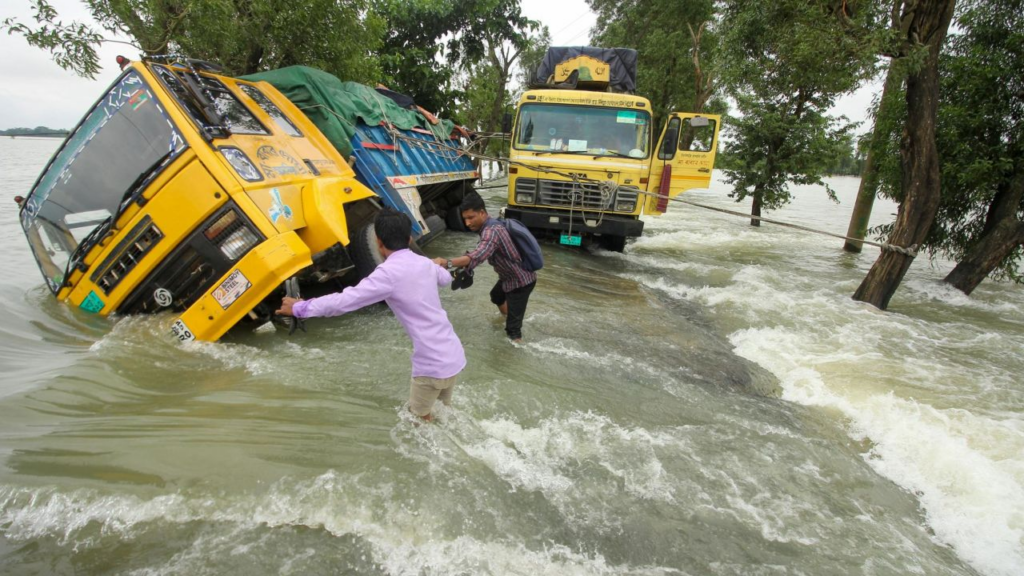
The recent flooding in Southern Asia has created a devastating impact on communities across the region. With over 600 fatalities reported, the emotional toll on families and entire communities is immeasurable. Residents of heavily affected areas, like Indonesia and Thailand, have lost their homes, belongings, and in many cases, their loved ones. In Sumatra, countless individuals have been displaced as torrential rains inundate neighborhoods, leaving many seeking refuge on rooftops. The psychological aftermath of such natural disasters can lead to long-term mental health consequences, particularly among vulnerable populations.
Local governments and relief agencies are overwhelmed with the sheer scale of the disaster. Emergency response efforts are complicated further by landslides and continuing adverse weather conditions. Rebuilding efforts will require significant resources and coordination as communities strive to recover from one of the worst flooding scenarios in recent years. International aid may be necessary to support recovery, as entire local economies are disrupted, particularly in agriculture and tourism sectors that are vital for many of these southern Asian nations.
Monsoon Floods: A Growing Concern in Asia
Monsoon floods have historically been a significant concern in Asia, but the recent events indicate a growing urgency regarding their intensity and frequency. Each year, millions brace for the monsoon season, expecting heavy rains; however, with climate change altering weather patterns, the severity of these floods has escalated dramatically. The recent monsoon rains have been exacerbated by tropical storms, demonstrating a direct correlation between increasingly fierce weather conditions and the loss of life during what used to be a predictable seasonal occurrence.
As seen in places like Thailand and Sri Lanka, the impact of monsoon floods is not only immediate but can lead to lasting changes in environmental and socio-economic conditions. Displacement, loss of infrastructure, and food insecurity often follow such events. Furthermore, areas previously thought only to experience mild flooding are now experiencing catastrophic conditions, raising alarms about urban planning and emergency preparedness strategies that must evolve alongside these changing weather patterns.
Role of Cyclone Senyar in Recent Disasters
Cyclone Senyar has emerged as a critical factor contributing to the recent catastrophic flooding seen in Southern Asia. This tropical cyclone has unleashed powerful storms that have interacted dangerously with the typical monsoon patterns, amplifying rainfall and causing widespread destruction. In places like Sri Lanka, where the cyclone made landfall, the impact has been particularly severe, leading to unprecedented flooding and landslides that swept entire villages away.
The implications of Cyclone Senyar extend beyond immediate damage; they underscore the necessity for enhanced predictive modeling and preparation for future cyclone threats. As sea temperatures rise and atmospheric conditions shift due to climate change, cyclones like Senyar could become more frequent and intense, compounding the challenges faced by vulnerable coastal communities in the region. Understanding and adapting to these patterns will be integral to formulating effective disaster response and resilience plans in the years to come.
Indonesia Floods: A Nation Under Water
The flooding in Indonesia has elicited a national crisis, particularly in areas like Sumatra where intense rainfall has wreaked havoc. Over 300 fatalities have been reported, with thousands more unaccounted for as rescue operations grapple with serious challenges posed by continued flooding and hazards from landslides. Local communities are left to fend for themselves as waters rise, devastating infrastructure and disrupting essential services like electricity and healthcare.
Current conditions highlight the urgent need for investment in sustainable infrastructure and flood management systems throughout Indonesia. The government must prioritize creating resilient urban designs that can withstand extreme weather events and implement strict zoning regulations to prevent further residential development in risk-prone areas. Engaging local communities in these initiatives will ensure tailored solutions that recognize unique regional challenges, thereby enhancing the overall response to future flooding incidents.
Thailand Flooding: Lessons from Displacement and Recovery
The recent flooding in Thailand serves as a stark reminder of the growing risk communities face during extreme weather events. With parts of southern Thailand witnessing water levels rise to 3 meters, the loss of life and displacement of over 3.8 million people is shocking. The flooding not only affects individuals directly involved but also places immense pressure on local governments and aid organizations tasked with responding to such emergencies.
Recovery from these floods must consider practical lessons learned from past occurrences. Investing in early warning systems and resilient infrastructure is crucial in mitigating the impacts of future flooding events. By emphasizing adaptive measures, such as community-based flood management strategies, Thailand can better equip itself to handle the challenges posed by the annual monsoon season and emerging tropical cyclones, ultimately protecting its population from the devastating effects of flooding.
The State of Emergency in Sri Lanka: A Call for Action
In Sri Lanka, the state of emergency declared due to flooding has highlighted the need for immediate humanitarian assistance and long-term recovery planning. With reports of over 130 fatalities and tens of thousands of displaced individuals sheltered in temporary accommodations, the scale of this disaster necessitates a coordinated response from government and international relief agencies. The destruction of infrastructure, including homes and vital services, complicates recovery efforts and calls for rapid action to restore normalcy.
The lessons learned from the devastating impact of flooding in Sri Lanka must inform future disaster preparedness strategies. Increased investment in flood defenses, improved forecasting technologies, and community preparedness initiatives are essential. Local residents must be empowered to act before disasters strike, ensuring that they can access crucial resources and information about evacuation plans and safety procedures.
Climate Change and Extreme Weather Events in Southern Asia
The link between climate change and extreme weather events has become increasingly evident in Southern Asia, particularly concerning flooding. The changing climate has contributed to the intensity of monsoon seasons and the development of storms such as Cyclone Senyar, resulting in unprecedented flooding across Indonesia, Thailand, and Sri Lanka. As temperatures continue to rise, the frequency and severity of these weather events are expected to escalate, creating complex challenges for governments and communities.
To combat the effects of climate change-driven floods, it is imperative to adopt comprehensive strategies focusing on mitigation and adaptation. These strategies should include enhancing natural barriers, replenishing wetlands, and improving urban planning to reduce flood risks. A collective approach that encompasses environmental stewardship and community resilience can pave the way for a sustainable future, minimizing the impacts of extreme weather on already vulnerable populations in Southern Asia.
International Aid and Its Role in Flood Recovery
Following the widespread devastation caused by floods in Southern Asia, international aid plays a crucial role in recovery efforts. Organizations and nations worldwide respond to the urgent needs for food, shelter, and medical assistance, demonstrating global solidarity with those affected. However, the effectiveness of this aid often depends on the speed of its deployment and the ability of local governments to coordinate with international bodies.
For long-term recovery, international aid must go beyond immediate relief. Investments in rebuilding efforts must be sustainable, focusing on improved infrastructure and community resilience against future disasters. Collaborative frameworks that combine local knowledge and international expertise will be key to ensuring that nations like Indonesia, Thailand, and Sri Lanka can recover not only from this tragedy but also be better prepared for future challenges.
Lessons in Preparedness: Building Resilience in Flood-Prone Areas
The recent flooding in Southern Asia has underscored critical lessons about preparedness and disaster response. Experience from the recent crises reveals that many communities were unprepared for the scale and speed at which these floods impacted them. It is essential for local governments to develop comprehensive disaster response plans that incorporate early warning systems, community training initiatives, and infrastructure upgrades to withstand severe weather conditions.
Building resilience in flood-prone regions requires a holistic approach, engaging communities in the process of disaster readiness while also advocating for policies that limit environmental degradation. By empowering local residents and fostering grassroots response networks, countries can significantly enhance their adaptive capacity to cope with both current and future flooding events.
Frequently Asked Questions
What are the causes of flooding in Southern Asia during the monsoon season?
Flooding in Southern Asia during the monsoon season is primarily caused by intense rainfall, which can be exacerbated by tropical storms like Cyclone Senyar. Meteorological factors including climate change contribute to unpredictable weather patterns, leading to more severe flooding.
How has Cyclone Senyar impacted flooding in Southern Asia?
Cyclone Senyar has significantly intensified flooding in Southern Asia, particularly in Sri Lanka and Indonesia, by triggering massive rainfall and landslides. This tropical cyclone has resulted in catastrophic conditions, with thousands displaced and extensive damage reported.
What regions in Southern Asia are most affected by increasing flooding?
Regions such as Indonesia, Thailand, Malaysia, and Sri Lanka are experiencing increasing flooding due to intensifying monsoon rains and tropical storms. Particularly, the Indonesian island of Sumatra and Thailand’s Songkhla province have reported some of the worst flooding in recent years.
What should residents do during flooding in Asia to ensure safety?
During flooding in Asia, residents should evacuate to higher ground immediately, avoid walking or driving through floodwaters, and follow local emergency services’ guidance. Staying informed via news and weather updates is critical to ensuring safety during such disasters.
How do monsoon floods affect local communities in Southern Asia?
Monsoon floods in Southern Asia severely disrupt local communities by causing loss of life, displacing thousands, destroying homes, and damaging infrastructure. Recovery often takes a long time, impacting economies and access to vital resources like clean water and power.
What has been the response of governments in Southern Asia to monsoon flooding?
Governments in Southern Asia have declared states of emergency in affected regions, mobilizing rescue operations and providing temporary shelters for displaced citizens. Resources are focused on emergency relief efforts, while long-term infrastructural improvements are also being discussed to mitigate future flooding.
What role does climate change play in the flooding crisis in Southern Asia?
Climate change plays a crucial role in the flooding crisis in Southern Asia by increasing the frequency and intensity of monsoon rains and extreme weather events. This leads to more severe flooding, catastrophic landslides, and strained disaster response efforts in the region.
What resources are available for those impacted by flooding in Southern Asia?
Individuals impacted by flooding in Southern Asia can access resources provided by local and international NGOs, government relief efforts, and community organizations. These can include emergency shelters, food supplies, medical assistance, and counseling services for recovery.
How can we prepare for future flooding events in Southern Asia?
To prepare for future flooding events in Southern Asia, communities should develop comprehensive disaster response plans, invest in infrastructure improvements, and engage in public education about flooding risks. Individuals can create emergency kits and establish communication networks among neighbors for effective response.
What is being done to improve flood resilience in Southern Asia?
Efforts to improve flood resilience in Southern Asia include enhancing early warning systems, investing in sustainable drainage infrastructure, and implementing climate adaptation strategies. Governments and NGOs are working collaboratively to increase public awareness and preparedness for future flooding.
| Country | Death Toll | Affected Areas | Notable Events |
|---|---|---|---|
| Indonesia | 300+ | Sumatra | Torrential rains led to flooding and landslides. |
| Thailand | 160+ | Southern provinces, including Songkhla | Water levels reached 3 meters in some areas. |
| Sri Lanka | 130+ (170 missing) | Nationwide | Government declared a state of emergency due to severe flooding. |
| Malaysia | 2 | Northern Perlis state | Tens of thousands displaced. |
Summary
Southern Asia flooding has caused widespread devastation, claiming over 600 lives across multiple countries. The recent extreme weather events have highlighted the growing impact of climate change on the region, as torrential rains and tropical cyclones exacerbate already precarious situations for millions. With thousands still displaced and many areas in dire need of assistance, the challenge of recovery and rebuilding is more crucial than ever.