
Listen to this article
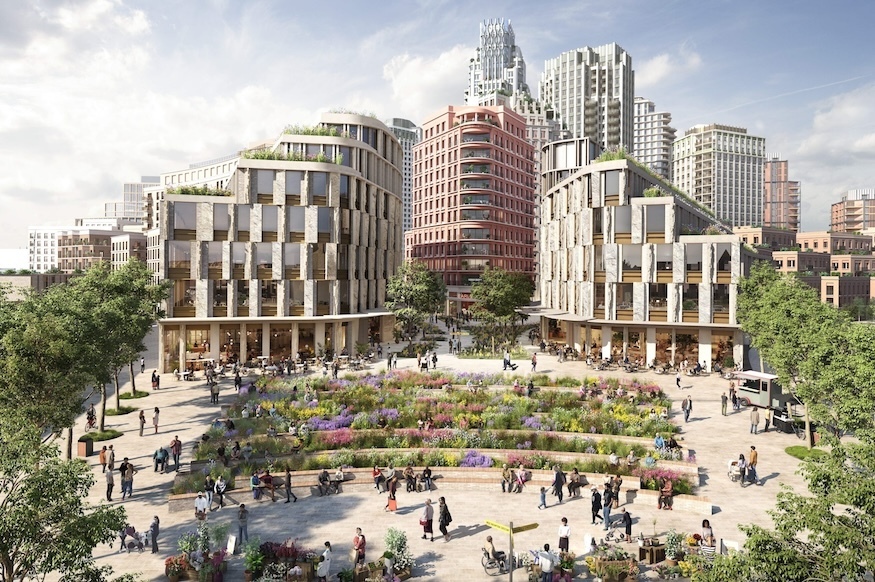
Earl’s Court regeneration has embarked on an ambitious £10 billion initiative aimed at revitalizing a historic area of west London. This transformative development seeks to create a vibrant new neighborhood that includes approximately 4,000 homes, balancing the need for both luxury living and affordable housing in Earl’s Court. Central to this plan is the redevelopment of a 40-acre brownfield site that once hosted the Earl’s Court Exhibition Centre, a space now waiting to be filled with new life. The project not only promises new housing in London but also integrates workspace and cultural venues, enhancing the community’s quality of life. As one of the major London regeneration projects, Earl’s Court is set to redefine urban living and contribute significantly to the local economy.
The revitalization efforts at Earl’s Court mark a pivotal shift for this iconic west London locale, laying the groundwork for a fresh urban landscape. As the area transforms, it introduces a blend of residential and commercial developments designed to cater to the modern lifestyle of Londoners. The new district will encompass thousands of residences, inclusive of options for affordable housing Earl’s Court, alongside dynamic public spaces and entertainment venues. This long-term project speaks volumes about the city’s commitment to sustainable growth and meeting housing demands while paying homage to its rich heritage. Ultimately, the endeavor reflects the broader vision associated with contemporary urban renewal, promising to breathe new energy into the heart of London.
Earl’s Court Regeneration Project Overview
The Earl’s Court regeneration project in west London is a monumental initiative estimated at £10 billion. It aims to transform a 40-acre brownfield site, previously occupied by the Earl’s Court Exhibition Centres, into a vibrant new neighborhood. Approved by the London Borough of Hammersmith and Fulham, the first application will pave the way for the construction of 4,000 new homes, along with workspaces and communal cultural facilities. This project is not only about building homes; it’s about creating a sustainable community that addresses the housing crisis faced by London, ensuring that the new district becomes a focal point of urban living.
In conjunction with the significant residential offerings, the plan for the Earl’s Court development includes plans for community spaces, entertainment venues such as cinemas, and live music locations. With this mix, the project is designed to attract a diverse demographic, encouraging community interaction and socioeconomic diversity. The involvement of key stakeholders such as the Earl’s Court Development Company (ECDC)—which includes Delancey and the APG pension fund—highlights the project’s robust financial backing and commitment to long-term success.
Impact on Housing Affordability in Earl’s Court
One of the crucial aspects of the Earl’s Court regeneration is its approach to affordable housing. The current proposal allocates 35% of the new homes as affordable, although this falls short of the 50% target set out in Hammersmith and Fulham’s Local Plan. While some community members may have expressed concerns regarding this discrepancy, independent evaluations suggest that the project’s proposed affordable housing component reflects ‘maximum reasonable provision’ given the current market dynamics. As demand for new housing in London grows, balancing affordability with the necessity for high-quality residential spaces remains a challenging endeavor.
The potential for affordable housing in Earl’s Court is essential, especially as London faces a significant housing supply shortage. The new housing initiatives aim to provide homes for various income levels, ensuring that locals—including the elderly and vulnerable populations—can find suitable accommodations within the new development. Policymakers and community advocates continue to push for the inclusion of more affordable units to meet the genuine needs of the borough’s residents, illustrating the ongoing dialogue about equitable development in London.
Economic Benefits of the Earl’s Court Development
This massive regeneration initiative is expected to bring substantial economic benefits to the local area, with the creation of numerous job opportunities. By developing new housing, workspaces, and cultural venues, the Earl’s Court project aims to stimulate local businesses, attract investment, and enhance the overall economic landscape of west London. The various components of the project will not only provide employment in construction but also in services once these spaces are operational, fostering a robust local economy.
Furthermore, the regeneration of Earl’s Court will likely increase foot traffic and interest in the area, creating a domino effect of revitalization. With a well-planned retail environment alongside upgraded residential offerings, Earl’s Court is poised to become a desirable destination for new residents and visitors alike. The economic ripple effect is anticipated to extend beyond the immediate locale, positively influencing adjacent areas and contributing to London’s regeneration efforts holistically.
Cultural and Community Spaces in Earl’s Court
A focal point of the Earl’s Court regeneration plan is the establishment of cultural and community spaces. The inclusion of venues such as cinemas and live music facilities signifies a commitment to fostering community engagement and cultural enrichment. These spaces are intended to serve as hubs where residents can gather, socialize, and participate in a variety of activities, enriching the community’s social fabric and enhancing the overall quality of life for those living in the area.
In addition to entertainment venues, the development plans also incorporate community gathering spaces, ensuring that the new neighborhood remains accessible and inclusive. This commitment aligns with the broader objectives of London’s regeneration projects, which seek to create not only livable spaces but vibrant communities that empower residents. By prioritizing culture and community within the framework of new housing developments, the Earl’s Court project exemplifies how urban regeneration can harmonize residential needs with cultural aspirations.
Stakeholder Engagement and Community Feedback
Engaging with local stakeholders and soliciting community feedback has been a critical aspect of the Earl’s Court regeneration project. The London Borough of Hammersmith and Fulham received a considerable number of responses concerning the plans, with a majority of feedback being supportive, illustrating a positive outlook on the proposed development. Local councillors, like Daryl Brown, have emphasized the necessity to align the project’s goals with community needs and aspirations, demonstrating a committed approach towards inclusive development.
However, the plan has also faced objections, particularly around the proposed height and density of the new housing blocks, notably the ambitious 42-storey tower. Ensuring transparency and responsiveness to community concerns has been pivotal, as the council and developers seek to refine their proposals to enhance public confidence and cooperation. This ongoing dialogue underscores the importance of collaborative efforts in shaping urban regeneration, where community voices play a vital role in the creation of sustainable and livable neighborhoods.
Environmental Considerations in Earl’s Court Regeneration
Environmental sustainability plays a crucial role in the Earl’s Court regeneration project. The redevelopment of the brownfield site is not only about creating new housing but also about enhancing the ecological footprint of the area. Plans include the incorporation of green spaces, which will benefit the local ecosystem and improve residents’ quality of life. By ensuring that green infrastructure is integrated into the urban landscape, the project aims to contribute to environmental resilience, crucial in the context of London’s broader climate strategies.
Moreover, the construction phase itself is expected to prioritize sustainable building practices, minimizing waste and reducing carbon emissions. The ECDC’s commitment to environmentally responsible development aligns with London’s ambitions to become a greener city while accommodating an increasing population. Engaging in eco-friendly practices will not only safeguard the environment but also resonate with many residents’ values, ultimately enhancing public support for the initiative.
The Role of the Earl’s Court Exhibition Centre in Development History
The Earl’s Court Exhibition Centre has a storied history and serves as a significant landmark in London’s development narrative. Once a bustling venue for exhibitions and events, its closure and demolition marked a pivotal shift in the area, making way for the current regeneration efforts. The site’s transformation indicates a notable departure from its past, channeling the community’s heritage into a modern urban renewal vision. This juxtaposition of history and modernity is vital not only for preserving local identity but for enriching the new development’s narrative.
The history of the Earl’s Court Exhibition Centre also reflects the evolving landscape of London’s cultural and economic needs. As London adapts to changes in exhibition practices and event hosting, the focus shifts towards creating spaces that can better serve these emerging requirements. The new projects are designed to reflect contemporary demands while respecting the area’s rich history, illustrating an essential balancing act in urban development. This consideration of historical context is key in ensuring that reigniting the Earl’s Court neighborhood resonates with both new and long-standing residents.
Future Prospects and Completion Timeline
With the completion of the Earl’s Court regeneration project anticipated by early 2043, the future looks promising for the community. As the first application moves forward, momentum is building toward further approvals that will enable the comprehensive execution of this transformational initiative. As London continues to grow, the necessity for thoughtful and well-planned developments is more critical than ever, making projects like Earl’s Court vital to addressing the housing needs of the capital.
The timeline for completion offers a clear roadmap for stakeholders and residents alike. This timeline not only sets expectations for delivery but also facilitates ongoing communication with the community about progress, opportunities, and challenges. By fostering a transparent relationship with the public throughout the execution of the plan, the ECDC and local councils can ensure that the development remains aligned with the aspirations and needs of those who call this area home.
Frequently Asked Questions
What is the Earl’s Court regeneration project?
The Earl’s Court regeneration project is a major £10 billion initiative in west London aimed at transforming a 40-acre brownfield site into a vibrant new neighborhood featuring 4,000 homes, workspace, and cultural venues. It marks a significant milestone in London regeneration projects, especially following the demolition of the Earl’s Court Exhibition Centres.
How many homes will be built in the Earl’s Court development?
The Earl’s Court development plans to provide 4,000 homes. The project aims to include a mix of housing types, with 35% designated as affordable housing in Earl’s Court, addressing the demand for new housing in London.
What type of amenities will the Earl’s Court regeneration include?
The Earl’s Court regeneration will include various amenities such as community spaces, a cinema, a live music venue, and homes for the elderly, thereby fostering a holistic living environment for residents and visitors alike.
Who is managing the Earl’s Court development project?
The Earl’s Court Development Company (ECDC), a collaboration between real estate investment firm Delancey, Dutch pension fund manager APG, and Places for London, is responsible for managing the Earl’s Court regeneration project.
What are the affordable housing plans for the Earl’s Court development?
In the Earl’s Court development, 35% of the total housing units are planned as affordable housing. Although this percentage is below the 50% target set by Hammersmith and Fulham’s Local Plan, industry evaluations deem it as the ‘maximum reasonable provision’ given the overall development scale.
What are the expected completion dates for the Earl’s Court regeneration?
The entire Earl’s Court regeneration project is anticipated to be completed by early 2043, contingent upon full approvals and developments of the proposed plans.
What challenges are associated with the Earl’s Court regeneration project?
Challenges for the Earl’s Court regeneration include local objections regarding building height and density, particularly concerning the proposed 42-storey tower, as well as concerns about the impact on heritage and community needs.
How has the community responded to the Earl’s Court development plans?
The community response to the Earl’s Court development has been mixed, with 376 responses received, including 269 in support, 74 objections, and 33 neutral comments, indicating a significant interest in the project and its implications for local infrastructure.
What is the significance of the Earl’s Court regeneration for London?
The Earl’s Court regeneration is significant for London as it aims to revitalize a long-unused area, create new housing, jobs, and public spaces, and serve as a model for future London regeneration projects that focus on community needs and urban development.
When was the first application for the Earl’s Court development approved?
The first application for the Earl’s Court development was unanimously approved by the London Borough of Hammersmith and Fulham and represents a critical milestone in the project’s advancement.
| Key Points | Details |
|---|---|
| Regeneration Project Cost | £10 billion |
| Area Size | 40 acres |
| New Homes | 4,000 homes |
| Applications Status | First application approved; second decision expected in December |
| Key Developers | Earl’s Court Development Company (ECDC), which includes Delancey, APG, and TfL |
| Main Features | 42-storey buildings, elderly housing, community spaces, cinema, live music venue |
| Affordable Housing Target | 35% affordable housing (below the 50% target) |
| Public Response | 376 responses: 269 in favor, 74 objections, 33 neutral |
| Completion Estimate | Expected by early 2043 |
Summary
Earl’s Court regeneration is a transformative project poised to redefine west London. With a substantial investment of £10 billion, the project aims to redevelop a former exhibition site into a vibrant new neighborhood comprising 4,000 homes, alongside workspace and cultural venues. The initiative, led by the Earl’s Court Development Company, has already achieved a significant milestone with the approval of its first application, and awaits further decisions to continue enhancing community engagement and meet local housing needs. Despite some concerns regarding the scale and affordability of the project, the overall outlook promises a progressive urban environment tailored for both current and future residents.