Listen to this article
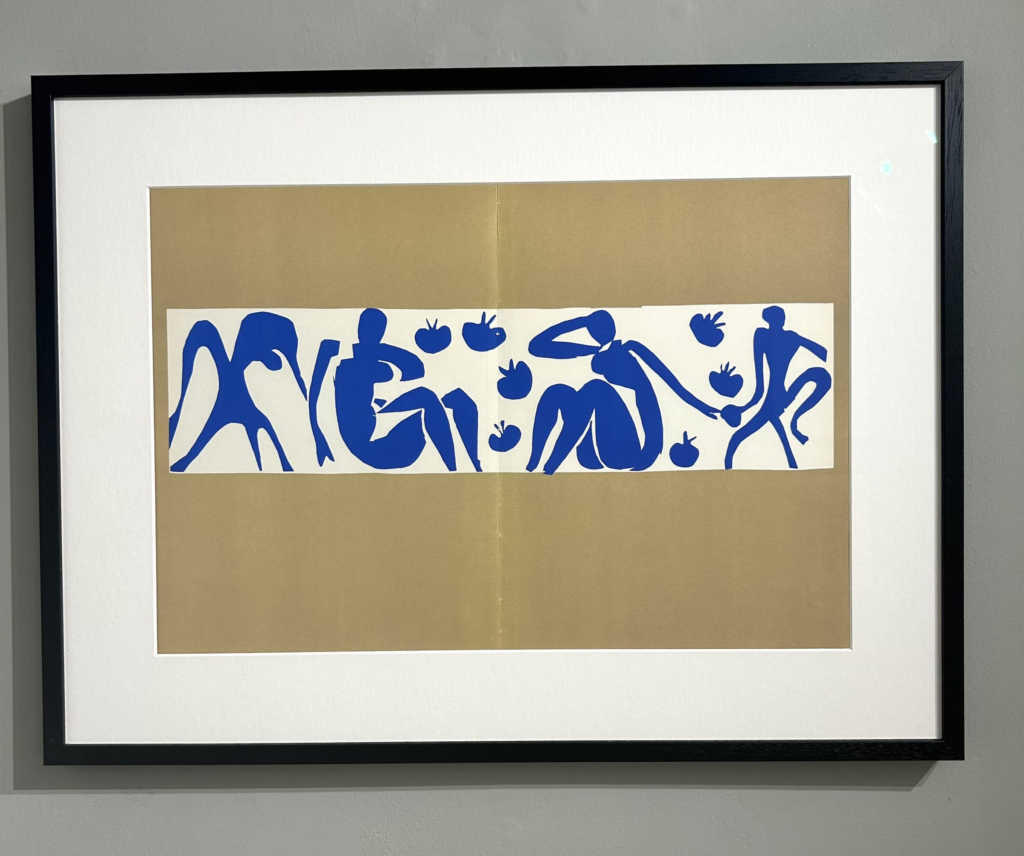
The Matisse lithograph, specifically The Dancer created in 1949, is prominently featured in an innovative art lending scheme offered by Leeds Art Gallery. This beautiful print, crafted by the legendary Henri Matisse, is part of a collector’s treasure trove that includes 24 lithographs from the artist’s 1940s collection. Through this new initiative, art accessibility in Yorkshire reaches new heights, allowing residents the opportunity to enjoy renowned pieces of Henri Matisse art right in their homes. The Picture Library, which has recently expanded with over 100 new artworks, aims to make great art accessible to everyone, fostering a connection between the community and cultural heritage. As stated by gallery representatives, the lending scheme not only enhances local culture but also transforms ordinary spaces into showcases of artistic brilliance.
The lithograph by Matisse, particularly recognized as The Dancer, is now part of a remarkable initiative aimed at promoting art access within the community. This initiative, which lends out significant works from various artists, enriches the cultural tapestry of Leeds through its Picture Library. Henri Matisse’s artwork—a seminal figure in modern art—has captivated audiences since the 20th century and continues to inspire today’s generation. By providing local residents an opportunity to exhibit such important pieces in their personal spaces, this program enhances the experience of artistry. Such accessible art practices embrace a wider appreciation for artistic expression, allowing families and individuals in Yorkshire to engage with history and creativity on a personal level.
Exploring the Significance of Matisse Lithographs
Henri Matisse, a prominent figure in modern art, is renowned for his vibrant and expressive lithographs that capture the essence of movement and form. One of his most celebrated works, The Dancer (1949), is a perfect example of his groundbreaking approach to printmaking. Created during a period when Matisse was exploring the limits of color and shape, this lithograph exemplifies his iconic style. Lithographs like The Dancer not only showcase Matisse’s artistic prowess but also offer art enthusiasts a glimpse into the evolution of 20th-century art.
The inclusion of Matisse’s lithograph in the Leeds Art Gallery’s lending scheme highlights the importance of making art accessible to a wider audience. Art lending schemes play a crucial role in promoting cultural engagement and appreciation, allowing individuals to experience significant works of art in the comfort of their own homes. By facilitating access to Matisse’s lithographs, the Leeds Art Gallery is fostering a deeper connection between the public and the arts, encouraging a broader understanding of the artist’s impact on the art world.
Art Accessibility in Yorkshire: The Role of Leeds Art Gallery
Leeds Art Gallery has long been at the forefront of promoting art accessibility in Yorkshire. The Picture Library lending scheme, established in 1961, serves as a vital resource for residents who may not have regular access to art collections. With over 140 artworks available for loan, including Matisse’s The Dancer, the scheme empowers individuals to enrich their lives through art. This initiative is particularly important in a region that values cultural diversity and community, allowing locals to experience the beauty of art firsthand.
Furthermore, Leeds City Council’s commitment to promoting art accessibility is exemplified by the inclusion of contemporary and historical works in the lending scheme. With contributions from both emerging artists and renowned figures like Matisse, the gallery creates a balanced narrative that showcases the breadth of artistic expression. By inviting residents to borrow pieces that resonate with them, the gallery fosters a sense of ownership and pride in the local art scene, strengthening community bonds and cultural identity.
The Impact of the Art Lending Scheme on Local Communities
The art lending scheme at Leeds Art Gallery has a transformative impact on local communities, allowing residents to connect with art in a personal and meaningful way. By offering artworks, such as Matisse’s lithographs, for loan, the gallery encourages families to incorporate art into their daily lives. This initiative not only beautifies homes but also sparks conversations about art, culture, and creativity, enriching the community’s cultural fabric.
Moreover, the accessibility of high-quality art to Yorkshire residents breaks down barriers that often prevent people from engaging with cultural institutions. Programs like the Picture Library support educational initiatives and encourage people of all ages to explore artistic expressions. In this way, Leeds Art Gallery is not just providing access to art; it is actively cultivating an environment where appreciation and understanding of art can flourish.
Understanding Matisse’s Artistic Process Through The Dancer
The Dancer lithograph is emblematic of Henri Matisse’s unique approach to art. During the late 1940s, Matisse often utilized bold colors and simplified forms, which are vividly captured in The Dancer. The lithograph not only showcases his mastery of technique but also reflects his commitment to abstraction and the dynamic nature of movement. Analyzing this work offers insights into how Matisse’s experiences influenced his artistic process, particularly during a time when he was confined due to health issues.
Matisse’s distinct style in The Dancer can be attributed to his exploration of cut-out techniques and the interplay of color and shape. This approach created a joyful rhythm that speaks to the human experience. By including such a significant lithograph in the Leeds Art Gallery’s lending scheme, viewers can appreciate the narrative behind Matisse’s work while connecting with the broader context of his life and artistic evolution.
The Dancer: A Closer Look at Composition and Color
The Dancer lithograph stands out not only for its subject matter but also for its exquisite composition and vibrant color palette. Matisse’s deliberate use of color creates an energetic atmosphere that captivates viewers, drawing them into the artwork’s rhythm. The simplicity of the forms, combined with the fluidity of the lines, embodies the movement of dance, creating a sense of life and spontaneity. This effective use of elements showcases Matisse’s ability to convey complex emotions through minimalist designs.
In addition, the lithograph exemplifies Matisse’s innovative techniques in printing and color application, which were revolutionary at the time. The careful layering of colors and textures adds depth to the piece, inviting viewers to explore different aspects of the dance. Such intricacies in The Dancer not only highlight Matisse’s skill but also elevate the piece’s significance within the scope of modern art history.
Enhancing Cultural Experiences through Art Lending
Art lending schemes, particularly those like the one at Leeds Art Gallery, enhance cultural experiences in communities by encouraging engagement with art. For many, borrowing a significant piece like Matisse’s The Dancer introduces them to the art world, fostering a love for culture and creativity. This immersion not only enriches personal spaces but also cultivates a dialogue about artistic value and expression within families and friends.
Such initiatives have been pivotal in redefining how communities interact with art. By making significant pieces accessible, like Matisse’s lithographs, the lending scheme inspires individuals to reflect on artistic themes and their relevance to contemporary life. This approach not only democratizes art access but also promotes an active appreciation of cultural heritage among residents in Yorkshire.
The Role of Leeds Art Gallery in Preserving Art History
Leeds Art Gallery plays a crucial role in preserving art history by carefully curating its collections and making them available through various programs, including the Picture Library lending scheme. By adding iconic works such as Matisse’s lithographs, the gallery ensures that important artistic narratives are shared with the public. This preservation effort serves not only to maintain Matisse’s legacy but also to educate future generations about the significance of his contributions to modern art.
Moreover, through initiatives like the lending scheme, the gallery addresses the need for cultural stewardship in Yorkshire. This commitment to preserving art history allows individuals to explore various art movements while experiencing iconic works up close. In doing so, Leeds Art Gallery not only safeguards valuable pieces of history but also ignites a passion for art appreciation within the community.
Art and Community Engagement: A Partnership for Growth
The partnership between art institutions like Leeds Art Gallery and community members fosters growth and cultural enrichment. By integrating pieces like Matisse’s The Dancer into the lending scheme, the gallery actively encourages community engagement, making art more than just a visual experience. It becomes a catalyst for interaction, discussion, and personal reflection, allowing residents to foster a deeper connection with the cultural landscape.
Additionally, this collaboration enhances the local art scene, presenting opportunities for both emerging and established artists to be featured alongside iconic figures like Matisse. Such inclusivity promotes diversity in artistic expression, encouraging a dynamic environment where creativity can flourish. Through these efforts, Leeds Art Gallery contributes to a vibrant community that values cultural exchange and appreciation, ultimately enriching the lives of residents across Yorkshire.
Celebrating Art and Culture in Yorkshire
Yorkshire is home to a rich artistic heritage that is celebrated through various initiatives aimed at promoting art. The addition of Matisse’s lithographs to the Leeds Art Gallery’s collection is a testament to the region’s commitment to honoring cultural contributions. Celebrations of art and culture in Yorkshire encourage locals to recognize their artistic roots while fostering a sense of pride in their community’s cultural identity.
Moreover, these celebrations act as a platform for artists to showcase their work, bridging the gap between historical art and contemporary talent. By highlighting pieces like The Dancer within community events, the gallery plays a pivotal role in enhancing public appreciation for the arts while facilitating connections among artists and art lovers. This synergy between history and contemporary culture ensures that Yorkshire remains a vibrant hub for artistic expression.
Frequently Asked Questions
What is the significance of Henri Matisse’s lithograph, The Dancer?
Henri Matisse’s lithograph, The Dancer, created in 1949, is significant as it reflects the artist’s innovative approach to form and color. This lithograph is part of Matisse’s collection of 24 works produced in the 1940s, showcasing his mastery in printmaking. Its availability through art lending schemes, particularly at Leeds Art Gallery, makes it accessible to a wider audience, enhancing art appreciation in Yorkshire.
How can I borrow Matisse lithographs through the Leeds Art Gallery lending scheme?
To borrow Matisse lithographs like The Dancer, you can join the Picture Library at Leeds Art Gallery. Members can loan artworks for up to a year or swap four artworks. This initiative promotes art accessibility in Yorkshire, allowing residents to enjoy prestigious artworks, including those by influential artists like Henri Matisse, in their homes.
What other works are available in the Leeds Art Gallery’s Picture Library lending scheme?
The Leeds Art Gallery’s Picture Library lending scheme includes a diverse range of over 140 artworks, featuring not only Henri Matisse lithographs but also pieces from contemporary and historic artists. The inclusion of The Dancer lithograph among these artworks highlights the gallery’s commitment to enhancing art accessibility in Yorkshire.
Why is art accessibility important in Yorkshire?
Art accessibility in Yorkshire is crucial as it allows individuals and families to experience and appreciate cultural works, such as Henri Matisse lithographs, in their own surroundings. Initiatives like the Leeds Art Gallery’s lending scheme foster community engagement with the arts, making significant pieces like The Dancer available to the public.
What types of artworks can be found in the Leeds Art Gallery lending scheme?
The Leeds Art Gallery’s lending scheme includes a wide variety of artworks, such as oil paintings, watercolors, drawings, photographs, and lithographs, notably including The Dancer by Henri Matisse. This variety allows residents to explore different artistic expressions while promoting art accessibility in Yorkshire.
Who can participate in the art lending scheme at Leeds Art Gallery?
The art lending scheme at Leeds Art Gallery is open to residents across Yorkshire. This inclusion allows the community to enjoy and borrow iconic works like Henri Matisse’s The Dancer lithograph, promoting a greater appreciation of art in local homes.
How does The Dancer lithograph reflect Matisse’s artistic style?
The Dancer lithograph reflects Matisse’s artistic style through its vibrant colors and fluid shapes, characteristic of his later works. Even though it is a lithograph, it incorporates elements of his beloved cut-paper collages, showcasing his unique approach to form while contributing to the legacy of Henri Matisse art.
What impact does the Leeds Art Gallery’s lending scheme have on community culture?
The Leeds Art Gallery’s lending scheme significantly impacts community culture by making renowned artworks like Henri Matisse’s lithographs available to the public. This initiative fosters cultural appreciation, enhances art accessibility in Yorkshire, and encourages individuals to engage with art on a personal level within their homes.
| Key Point | Details |
|---|---|
| Matisse Lithograph Added to Art Lending Scheme | Henri Matisse’s lithograph, The Dancer, is now available for loan at Leeds Art Gallery. |
| About the Artwork | The Dancer is one of 24 lithographs created by Matisse in the 1940s. |
| Lending Scheme Details | Leeds Art Gallery’s lending scheme includes over 100 artworks, open to Yorkshire residents. |
| Accessibility | The scheme aims to make art accessible to everyone and encourage appreciation at home. |
| Membership Benefits | Members can borrow one artwork for up to one year or swap four artworks. |
| Gallery History | The Picture Library was established in 1961 and includes various forms of art. |
Summary
The Matisse lithograph, The Dancer, adds a remarkable piece of art to the Leeds Art Gallery’s Picture Library lending scheme, highlighting the ongoing relevance and accessibility of Matisse’s work. This initiative opens doors for local residents to experience significant art pieces in their private spaces, effectively merging culture with daily life. By making such iconic artworks available, the gallery fosters a greater appreciation of art throughout Yorkshire, showcasing Matisse’s enduring influence on the art world.