Listen to this article
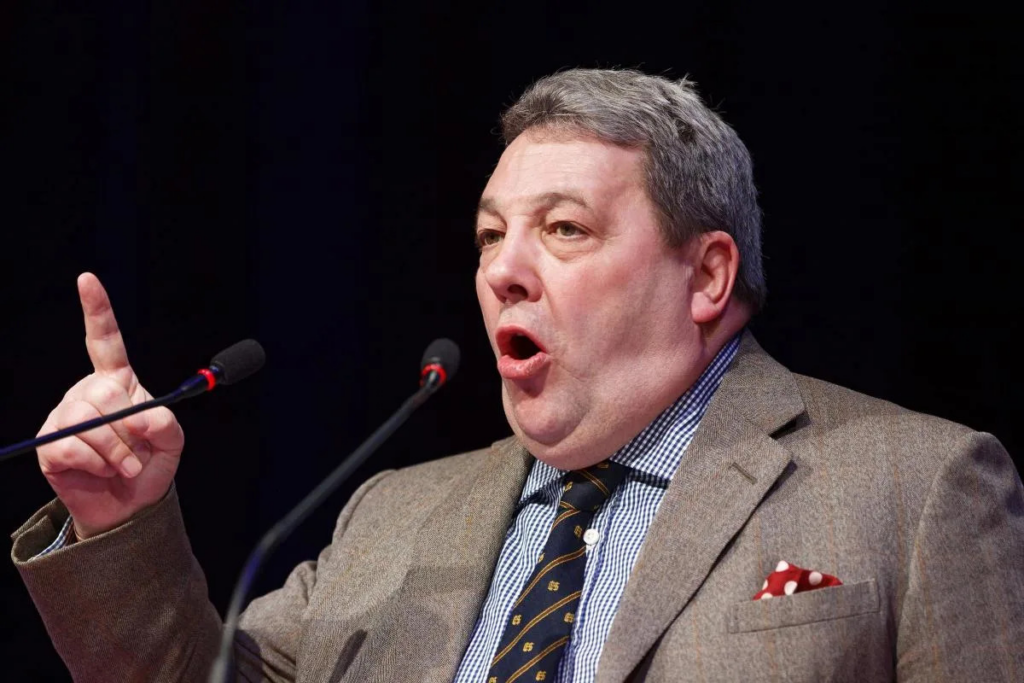
David Coburn, the former Brexit Party and UKIP MEP, has found himself at the center of a swirling storm of controversy following allegations of receiving compensation for making pro-Russian statements. Recent reports have linked Coburn to a pro-Russian influence campaign within the European Parliament, prompting inquiries about his involvement. The ex-MEP, who played a significant role in Nigel Farage’s Brexit campaign, firmly denied any claims of financial gain when asked by journalists during an unexpected visit to his home in France. The scandal deepens when considering the troubling implications surrounding the Nathan Gill bribery case, as evidence suggests Coburn’s name surfaced in communications related to allegations of Russian influence in UK politics. Despite his dismissive responses, the growing calls for transparency indicate that this story has not yet reached its conclusion, as the specter of foreign manipulation looms large over UK political discourse.
The unfolding narrative surrounding David Coburn reflects broader issues of political integrity and foreign meddling in governance. Formerly a representative for the Brexit Party, Coburn’s alleged connections to pro-Russian activities, especially amidst the recent UKIP controversy, highlight the precarious relationship between UK politicians and outside influences. The situation escalated when messages from Nathan Gill hinted at financial discussions involving Coburn, drawing attention to potential bribery and the need for scrutiny into external actors affecting domestic policies. The implications are far-reaching, raising questions not only about individual accountability but also about the overall impact of foreign interests infiltrating British politics. As discussions about these controversies continue, it becomes essential to navigate the murky waters of political affiliation and influence.
David Coburn’s Response to Pro-Russian Allegations
David Coburn, a former Brexit Party and UKIP MEP, has faced serious allegations concerning his potential involvement in a pro-Russian influence operation within the European Parliament. Responding to these claims directly, Coburn firmly denied ever having received payments for promoting pro-Russian narratives. This assertion was made during an inquiry from a BBC journalist, demonstrating his insistence on maintaining a clear stance amid growing controversy surrounding the connections made in various WhatsApp messages. His rapid dismissal of the allegations emphasizes his commitment to transparency and his wish to distance himself from the troubled waters of foreign influence in UK politics.
The scandal surrounding Coburn not only questions his integrity but also raises important discussions about the nature of political fundraising and foreign influence in elections. The mention of a payment of $6,500 linked to conversations involving disgraced MEP Nathan Gill adds a layer of complexity to the scrutiny of Coburn’s previous statements, causing some to call for a deeper investigation into potential financial collusion. Despite the controversies, Coburn’s adamant denial showcases a crucial need for politicians to protect their reputations against unverified accusations, while simultaneously encouraging the public to scrutinize the machinations behind political funding.
The Nathan Gill Bribery Case and Its Implications
The Nathan Gill bribery case has significantly impacted the perception of the Brexit Party’s integrity, especially concerning its former representatives. Gill, who has recently been sentenced to a decade-long prison term, has brought to light questionable practices that could potentially implicate others in a web of corruption and financial misconduct. The case details a disturbing narrative where messages between Gill and pro-Russian entities could hint at a broader scheme attempting to sway political opinions within the UK using foreign money. As public interest rises, the wider implications for the Brexit Party and its affiliates remain a focal point in UK political discourse.
The repercussions from Gill’s conviction resonate beyond individual accountability and extend into a definitive scrutiny of foreign influence in UK politics. As various political leaders have called for clearer guidelines and investigations regarding foreign funding, this ongoing saga echoes the broader concern of how other entities like Coburn might be inadvertently entangled in controversial practices. Gill’s case serves as a red flag for future candidates and parties, necessitating stronger governance to ensure that the political landscape is preserved from the taint of external meddling.
Russian Influence in UK Politics: A Growing Concern
The concern surrounding Russian influence in UK politics has intensified, particularly following the revelations associated with high-profile cases like that of Nathan Gill. As public figures, especially those affiliated with parties that have ties to Brexit activism, face increasing scrutiny, it’s becoming imperative to address these foreign connections more transparently. David Coburn, while denying any wrongdoing, is now situated within a context where such accusations are becoming alarmingly common. The necessity for thorough investigations into the intricacies of relationships between politicians and foreign entities is clearer than ever, and the call for accountability is resonating through governmental discussions.
As geopolitical tensions continue to rise, the implications for UK politics in the face of Russian influence cannot be understated. The ongoing discourse on political integrity highlights the importance of safeguarding democratic processes from any form of foreign domination, be it through financial means or campaign supports. Institutions are urged to create stringent oversight measures to identify and mitigate such risks, ensuring that the political landscape remains a fair battleground for all local interests. The case of David Coburn coupled with Nathan Gill’s situation amplifies the critical need for a cohesive national strategy to resist foreign encroachments.
Understanding UKIP Controversies in the Context of Brexit
The United Kingdom Independence Party (UKIP) has been no stranger to controversy, especially during the turbulent years surrounding Brexit. As a significant player in the Brexit movement, UKIP’s engagements have often drawn criticism, particularly in light of accusations regarding pro-Russian statements made by its members, including David Coburn. The timing of such allegations hints at a concentrated effort to dissect the ramifications of the party’s actions in relation to foreign influence, especially in how they may have exploited divisions during the EU referendum. Coburn’s role in this landscape showcases how political narratives can be manipulated and misinterpreted based on individual actions, drawing attention to the need for clarity in party communications.
Moreover, the controversies surrounding UKIP often intersect with broader discussions about integrity and accountability within political parties. Significant figures within the party, like Nathan Gill, faced legal ramifications that could paint a problematic picture of UKIP’s legacy. The need to disentangle personal actions from party beliefs becomes crucial in addressing the public’s lingering suspicions about UKIP’s connections to outside interests, particularly from Russia. Advocating for transparency and ethical conduct is essential for political recovery, and UKIP must navigate its path forward wisely to ensure its principles align closely with public trust.
The Role of the Brexit Party in Contemporary Politics
The Brexit Party has emerged as a significant force in contemporary UK politics, especially after the tumultuous Brexit referendum. With David Coburn’s involvement as a representative, the party’s actions have been scrutinized for any hint of foreign interference, particularly regarding the pro-Russian affiliations that have recently come to light. As the party evolves, it is essential to consider how previous controversies could affect its standing among voters who demand integrity and a clear commitment to national interests. The impact of past individuals’ decisions plays a pivotal role in shaping public perception and trust in what the Brexit Party stands for in the current political climate.
As Reform UK, the successor to the Brexit Party, seeks to carve its niche, the emphasis on distancing itself from past controversies, particularly those involving figures like Coburn, is crucial. In rebuilding its image, Reform UK must prioritize transparency and advocate for strong governance free from foreign manipulation. This includes distancing itself from any affiliations deemed problematic in the past while promoting core values that resonate with supporters’ desires for accountability in a post-Brexit political landscape.
Political Accountability: Lessons Learned from Coburn’s Case
David Coburn’s case serves as a case study in political accountability and the need for clear ethical guidelines within parliamentary representation. The allegations surrounding his potential receipt of payments for pro-Russian advocacy illustrate the dangers arising from insufficient transparency and accountability systems in political parties. Incidents like these underscore the increasing demand from the public for politicians to exhibit integrity in their actions and to be held to a higher standard when dealing with foreign interests. As scrutiny intensifies regarding foreign influence, it is imperative for current and future politicians to maintain a clear demarcation from any questionable ideological alignments that could conflict with national interests.
Lessons from Coburn’s case go beyond individual accountability, extending to the collective responsibility of political parties in maintaining ethical standards. Increased awareness of Russian influence in UK politics calls for more than just reactive measures; proactive frameworks must be employed to prevent similar situations from arising in the future. This involves implementing robust checks within party structures to ensure that representatives are not vulnerable to external pressures that may compromise their duties. As the political landscape evolves, maintaining a culture of accountability and integrity within parties is crucial to safeguard the democratic process against foreign manipulation.
Implications of Foreign Funding in Politics
The discussion surrounding foreign funding in politics has gained tremendous traction in light of recent scandals, including those involving figures like David Coburn and Nathan Gill. The implications of accepting foreign money raise critical ethical questions about the integrity of political processes. Coburn’s insistence that he has not engaged in pro-Russian activities for financial gain puts him at the center of a debate regarding transparency in political financing. With increasing calls for stricter regulations on campaign financing and organizational support, the onus is now on lawmakers to ensure that foreign interference does not undermine the democratic process.
As the political climate becomes more polarized, the influence of international entities on local politics remains a pressing concern. The necessity for political parties to diligently evaluate their financial partnerships becomes even more salient, as maintaining public trust hinges on demonstrating a commitment to ethical practices. With the Brexit Party’s historical ties to prominent controversies, the discourse surrounding foreign funding serves as an invaluable lesson for all political parties in the UK about the importance of vigilance and transparency when navigating campaign financing.
Future of Political Parties Post-Brexit: Challenges Ahead
In the wake of Brexit, political parties in the UK face unique challenges that extend beyond mere electoral politics. The controversies tied to former representatives, such as David Coburn and Nathan Gill, suggest a critical need for parties to reevaluate their operational structures and ensure they remain insulated from foreign pressures. This reevaluation not only involves addressing the fallout from previous scandals but also embraces a forward-looking approach that empowers new leadership aligned with the public’s expectations for integrity and accountability. The narrative of political influence, especially regarding Russia’s role, is a pressing concern that parties must navigate wisely in their pursuit of legitimacy in a post-Brexit environment.
As political parties strive to adapt to changing voter sentiments and external pressures, prioritizing transparency and ethical political behavior will become increasingly essential. These concepts will be pivotal in securing public trust and fostering a more robust political landscape free from the tarnishing effects of past controversies. By emphasizing accountability and crafting policies that regard foreign influence with a critical lens, political parties can better align themselves with the interests of their constituents. Ultimately, the future of political parties in the UK hinges on their ability to learn from past mistakes, like those embodied in Coburn’s case, while robustly addressing the implications of foreign involvement in domestic politics.
Navigating Controversy in Political Careers
Navigating controversy is an intrinsic part of any political career, and for figures like David Coburn, the stakes are especially high when accusations arise of foreign influences. The challenge lies not only in managing public perception but also in understanding the intricate dynamics of political accountability and ethics. Coburn’s insistence on having no ties to pro-Russian influence campaigns highlights a broader concern about how allegations can cloud the careers of dedicated public servants. As Schill sought to reshape the narrative post-Brexit, Coburn’s situation serves as a cautionary tale about the vulnerabilities that come with holding public office.
Political figures must possess not only the fortitude to withstand backlash but also the acumen to emerge with their careers intact amidst controversy. Coburn’s direct approach in denying allegations may serve him well, but it also underscores an essential tenet of public life: remaining above reproach is vital in safeguarding political integrity. The lesson here for all ambitious politicians is the importance of cultivating a clear and consistent ethical framework, one that demarcates personal actions from party ideologies, particularly as foreign interests exert pressure on political practices across the globe.
Frequently Asked Questions
What is the connection between David Coburn and the Brexit Party?
David Coburn was a Member of the European Parliament (MEP) representing the Brexit Party, which was led by Nigel Farage. He played a significant role in promoting the party’s pro-Brexit agenda during his tenure.
Did David Coburn receive payments for pro-Russian statements?
David Coburn has denied any allegations of receiving payments to promote pro-Russian statements, despite reports suggesting he was linked to a pro-Russian influence campaign in the European Parliament.
How is Nathan Gill related to the controversy involving David Coburn?
Nathan Gill, a former MEP convicted of bribery, was implicated in WhatsApp messages that discussed payments possibly related to David Coburn. However, Coburn has not been directly linked to any wrongdoing or payments.
What was the outcome of the investigation into Russian influence connected to David Coburn?
While David Coburn’s name appeared in WhatsApp messages related to pro-Russian activities, no concrete evidence has been found directly linking him to any payments or Russian influence campaigns.
What statements did David Coburn make regarding his involvement with pro-Russian entities?
In response to inquiries, David Coburn emphatically stated that he had never been paid to promote pro-Russian campaigners, denying any involvement in financial transactions related to pro-Russia propaganda.
What impact has Nathan Gill’s bribery case had on David Coburn’s reputation?
The bribery case involving Nathan Gill has raised questions about potential Russian influence in UK politics, which has indirectly affected David Coburn’s reputation due to his mention in related discussions, despite no evidence implicating him.
How did David Coburn respond to the allegations during media inquiries?
David Coburn responded to media inquiries from his home in France, where he denied ever receiving payments for promoting pro-Russian statements, maintaining his innocence amidst ongoing investigations.
What role did David Coburn play in discussions about pro-Russian TV channels?
David Coburn was involved in discussions regarding two pro-Russian TV channels that were subsequently shut down. He has also delivered speeches in the European Parliament that critically addressed Ukraine’s political issues.
What is the current status of David Coburn’s political career?
David Coburn is no longer active in UKIP or the Brexit Party, now represented by Reform UK, which has stated that he has no current involvement with their operations.
How have UK officials reacted to the allegations surrounding David Coburn and Russian influence?
Following the controversies, several UK governmental leaders have called for a closer examination of potential Russian influence in UK politics, emphasizing the need for transparency and accountability among political figures.
| Key Points |
|---|
| David Coburn denies receiving payments for pro-Russian statements. |
| Controversy stems from WhatsApp messages involving Nathan Gill discussing Coburn’s name in relation to payments. |
| Crown Prosecution Service documented payments but found no direct link to Coburn. |
| Coburn was the only elected UKIP representative in Scotland and had past connections with Gill. |
| Coburn spoke in favor of pro-Russian interests, notably mentioning TV channels prior to their shutdown. |
| Calls for investigation into Russian influence in UK politics after Gill’s sentencing. |
| Reform UK denies Coburn’s involvement in their current operations. |
| Ongoing scrutiny of foreign influence in UK politics by governmental leaders. |
Summary
David Coburn’s recent statements denying any financial ties to pro-Russian campaigns have raised questions surrounding his involvement in a larger influence controversy within UK politics. Despite a lack of direct evidence linking him to payments mentioned in discussions between other political figures, the scrutiny on foreign influence continues to widen. As various leaders call for more investigations, the implications of Coburn’s past associations and rhetoric remain of significant public interest.