
Listen to this article
In a striking case that has captivated the public’s attention, a Satanist actor has been jailed for possessing extreme right-wing material. Declan Candiani, a 26-year-old self-identified member of the occult community, faced legal repercussions after counter-terrorism officers discovered disturbing content on his phone at Stansted Airport. His sentencing to 23 months in prison comes after he was found guilty of accumulating information that could aid terrorists, which included documents promoting severe violence and white supremacy. Candiani’s ties to the controversial Satanic group, the Order of Nine Angles, further complicate the narrative surrounding his case, highlighting a troubling intersection of Satanism and extremism. This incident raises significant questions about the influence of such ideologies in contemporary society and the legal ramifications for those who promote them.
In a recent legal controversy, the case of an actor affiliated with Satanism has emerged, sparking widespread debate. Declan Candiani, known for his proclaimed allegiance to the occult, was sentenced to prison for engaging with extreme right-wing propaganda that poses a threat to public safety. His conviction stems from possessing materials tied to terrorism charges and a disturbing fascination with the violent ideologies espoused by radical groups like the Order of Nine Angles. This sentiment reflects a growing concern about how beliefs in Satanism and extremism can intertwine, potentially leading individuals down a dangerous path. As society grapples with these issues, the implications for both the entertainment industry and national security remain profound.
Declan Candiani’s Troubling Legal Journey
Declan Candiani’s recent jail sentence reflects a significant legal journey marked by accusations of possessing extreme right-wing material. At 26 years of age, this self-identified Satanist attracted the attention of counter-terrorism officers at Stansted Airport, leading to the discovery of highly controversial content on his device. The materials included documents that espoused violent ideologies linked to white supremacy, as well as manifestos from notorious mass murderers. The legal proceedings brought to light not only the troubling nature of the materials found but also the intersections of Satanism and extremist ideologies that Candiani professed to pursue.
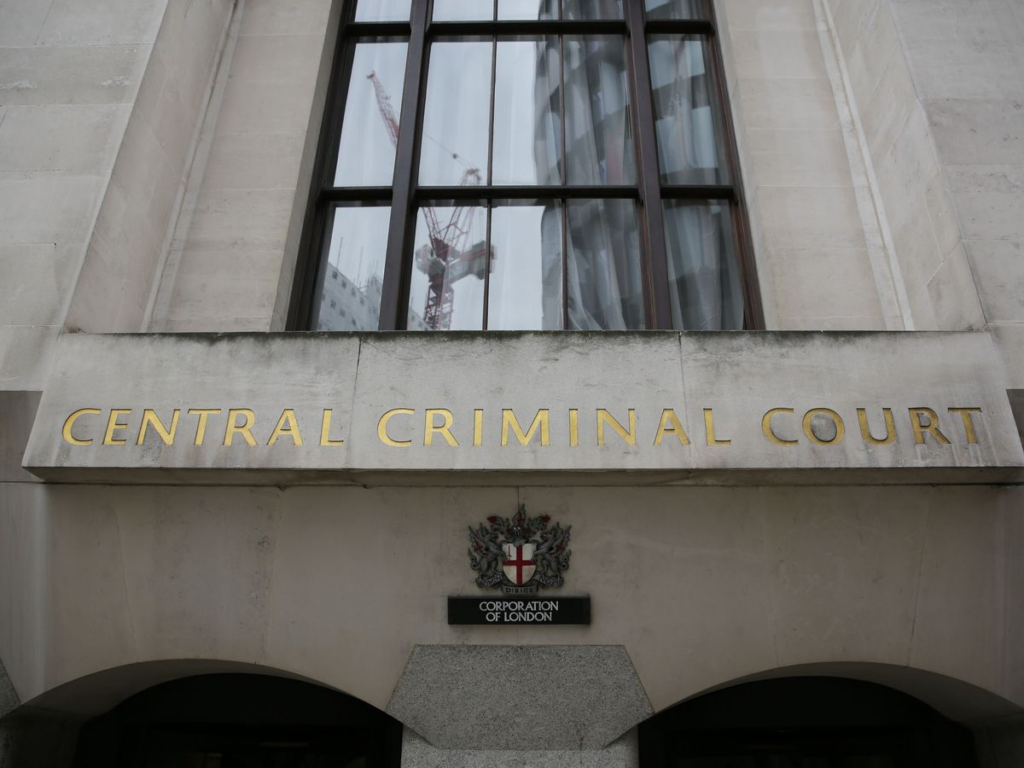
During the trial at the Old Bailey, jury members grappled with the stark contrast between Candiani’s claims and the evidence presented. While he insisted that his fascination lay solely within the realm of Satanism and occult practices, the nature of the content found on his phone pointed towards a deeper entrenchment in extremist beliefs. This dichotomy complicates the narrative, suggesting that the allure of groups like the Order of Nine Angles might have pushed him towards extremist material, beyond mere curiosity. Ultimately, the court’s judgment highlighted the necessity of addressing not only individual actions but also the broader implications of radical beliefs in society.
The Role of Satanism in Extremism
The intersection of Satanism and right-wing extremism is a complex and often misunderstood phenomenon. In Candiani’s case, his association with the ‘Order of Nine Angles’ has raised questions about how such organizations influence vulnerable individuals. This group, notorious for its beliefs that blend occult practices with extreme ideological agendas, has been implicated in inciting violence against marginalized communities. As Candiani’s case illustrates, the allure of power and rebellion that some perceive in Satanism can easily morph into a dangerous embrace of extremist ideologies.
Authorities are increasingly aware of the risks posed by individuals like Candiani who dabble in both Satanic practices and extreme right-wing material. The line between a personal spiritual journey and the indoctrination into a harmful ideology becomes dangerously thin. For many, the fascination with symbols of rebellion, like Satan, can quickly lead down a path of violence if paired with extremist beliefs. Understanding this nexus is critical for counter-terrorism efforts, as it highlights the need for targeted interventions that address both mental health needs and ideological indoctrination.
Mental Health and Radicalization
Mental health issues often complicate the landscape of radicalization, as evidenced by Declan Candiani’s case. Experts diagnosed him with a mild personality disorder, suggesting that his mental health struggles may have played a role in his susceptibility to extremist ideologies. During the trial, testimonies revealed that Candiani’s mental health began deteriorating after his mother’s cancer diagnosis, potentially catalyzing a search for identity and meaning that led him to both Satanism and extreme right-wing beliefs.
This relationship between mental health and radicalization underscores the importance of providing support to vulnerable individuals. In the face of personal crises, individuals like Candiani might be drawn into ideologies that offer a sense of belonging or empowerment, despite their violent underpinnings. By recognizing these patterns, mental health professionals and the community can work towards prevention strategies that focus not just on ideological indoctrination but also on healing and support for individuals struggling with similar issues.
Implications for Society and Policy
The case of Declan Candiani serves as a stark reminder of the implications that extremist ideologies can have on society. As more individuals are drawn into the folds of groups like the Order of Nine Angles, which blend occult practices with right-wing extremism, the risks associated with radicalization intensify. Policymakers must remain vigilant in recognizing signs of radicalization, especially in the context of youth struggling with identity and belonging.
Additionally, it is crucial for law enforcement agencies to develop strategies that address not only the criminal aspects of extremist behavior but also the psychological and social factors contributing to such paths. This approach should include community outreach, educational programs, and mental health interventions that can counteract extremist narratives and promote healthier avenues for belonging and identity.
The Media’s Role in Exoticizing Extremism
Media portrayal of cases like Declan Candiani’s often sensationalizes the bizarre aspects of his beliefs in Satanism, overshadowing serious conversations about the threats of extremism. While the bizarre imagery of Satanic beliefs can captivate public interest, it risks trivializing the genuine concerns about rising radical ideologies. The media must balance engaging storytelling with a responsible, sober analysis of the implications behind such cases.
Furthermore, sensationalized coverage can inadvertently glorify figures like Candiani, enticing other vulnerable individuals to explore similar paths. This underlines a need for restraint in how stories surrounding radicalization are told, aiming for narratives that bring awareness to the serious dangers of extremist views rather than romanticizing to attract viewership or readership. A more thoughtful media discourse can contribute significantly to public understanding and prevention efforts.
Community Responses to Extremism
In light of events surrounding Declan Candiani, community responses to extremism must evolve to adapt to changing landscapes marked by online radicalization and individual-based cases. Communities have the capacity to serve as both a buffer against radicalization and a supportive network for those at risk. Proactive outreach programs that foster inclusion, dialogue, and understanding can significantly diminish the appeal of extremist ideologies.
Moreover, local initiatives aimed at educating citizens about the signs of radicalization can empower them to intervene effectively, potentially redirecting individuals before they fully commit to extremist beliefs. Collective efforts that engage diverse community members, including mental health professionals, educators, and parents, can create a robust framework capable of identifying and preventing radicalization at grassroots levels.
Legal Measures Against Extremism
The sentencing of Declan Candiani has rekindled discussions surrounding the adequacy of current legal measures in containing the spread of extremist ideologies. His conviction on terrorism charges highlights the fine line legal systems walk between protecting freedom of expression and advocating for public safety. As societal fears about domestic terrorism rise, there is a pressing need to evaluate whether existing laws are sufficient to deter individuals from engaging with extremist content.
Current legal frameworks must also evolve to address the nuances of online radicalization. Given that many individuals now consume extremist material through digital platforms, new strategies are needed to police and combat these activities effectively. This includes collaborations between tech companies and law enforcement to identify, flag, and remove content that espouses violence and hatred, ensuring that the spaces designed for community engagement do not foster radicalization.
Understanding the Appeal of Extremist Ideologies
To effectively counteract the spread of extremist ideologies prevalent in the case of Declan Candiani, understanding what drives individuals toward these beliefs is crucial. For many, extremist organizations offer a false sense of purpose and belonging during times of personal turmoil. Candiani’s breakdown in mental health following his mother’s illness illustrates how crises can propel individuals toward dangerous ideologies that promise empowerment and vindication.
In investigating the allure of ideologies like those espoused by the Order of Nine Angles, it becomes clear that they often attract disenfranchised youth searching for direction. Education and outreach initiatives that address the psychological and social vulnerabilities exploited by these groups can help create a society resilient to extremist narratives and ideologies.
The Future of Counter-Terrorism Strategies
Given the complexity surrounding cases like that of Declan Candiani, counter-terrorism strategies must adopt a multi-faceted approach. This involves not only addressing the actions of individuals who possess extremist content but also engaging with the underlying ideologies that perpetuate such beliefs. Law enforcement agencies need to collaborate with community stakeholders and mental health professionals to develop holistic strategies aimed at prevention.
Future counter-terrorism efforts should look beyond punitive measures and focus on rehabilitation and reintegration for those who seek to abandon their extremist ideologies. Programs designed to encourage dialogue, understanding, and healing can create opportunities for individuals to reclaim their identities without resorting to violence, helping to diminish the allure of extremist narratives in a transformative manner.
Frequently Asked Questions
Why was the Satanist actor Declan Candiani jailed?
Declan Candiani was jailed for 23 months after being found guilty of possessing extreme right-wing material on his phone, which authorities linked to terrorism charges. His case underscores the serious implications of combining Satanism and extremism.
What led to Declan Candiani’s arrest related to terrorism charges?
Candiani was arrested by counter-terrorism officers at Stansted Airport, where they discovered extreme right-wing content on his phone, leading to charges of collecting information likely to be useful to terrorists.
How does the Order of Nine Angles relate to the Declan Candiani case?
In the trial, Declan Candiani claimed that his interest in Satanism led him to the Order of Nine Angles, a group associated with right-wing extremism, which further complicated his legal situation.
What were the main findings from the search of Declan Candiani’s home?
A search of Declan Candiani’s home revealed a significant amount of extreme right-wing material, including manifestos of mass murderers, reinforcing the serious nature of his charges related to terrorism.
What mental health issues did Declan Candiani face during his trial?
Declan Candiani was evaluated and diagnosed with a mild personality disorder. His mental health reportedly deteriorated, particularly after his mother’s cancer diagnosis, which he described during the trial.
What was the court’s ruling on the charges against Declan Candiani?
The court found Declan Candiani guilty of two counts of collecting information that could aid terrorists, but he was acquitted of two other similar charges, highlighting the complexities of his case.
What role did extreme right-wing material play in Candiani’s sentencing?
The extreme right-wing material found on Candiani’s phone was central to his conviction, indicating a dangerous overlap between his self-identified Satanism and extremist ideologies that warranted legal action.
What impact did the trial have on Declan Candiani’s family situation?
During the sentencing, it was noted that Candiani’s mother was terminally ill, a factor that the judge acknowledged could have influenced his behavior and decisions leading up to the arrest.
Did Declan Candiani express any remorse during the trial?
Yes, Candiani expressed in a letter that he would not engage in similar behavior again, indicating some level of reflection on his actions following his conviction.
How significant is the link between Satanism and extremism in the case of Declan Candiani?
The case illustrates a troubling link between Satanism and right-wing extremism, as seen through Candiani’s affiliations and the materials he possessed, raising concerns about the potential for violence associated with such ideologies.
| Key Point | Details |
|---|---|
| Defendant | Declan Candiani, 26, self-proclaimed Satanist. |
| Crime | Possession of extreme right-wing material. |
| Sentence | 23 months in prison. |
| Incident Date | August 13, 2024. |
| Arrest Location | Stansted Airport. |
| Material Found | Manifestos by mass murderers and documents promoting violence. |
| Mental Health | Diagnosed with a mild personality disorder. |
| Notable Claim | Claimed to have a pact with a devil figure. |
| Mother’s Condition | Terminally ill, receiving palliative care. |
Summary
The case of the Satanist actor jailed for possessing extreme right-wing material highlights the serious legal consequences of engaging with such ideologies. Declan Candiani’s story serves as a stark reminder of how personal beliefs and mental health can intersect with criminal behavior, leading to significant implications for society at large.