Listen to this article
The recent resignation of Andriy Yermak, chief of staff to Ukrainian President Volodymyr Zelensky, has sent shockwaves through the corridors of power in Ukraine. This unexpected move follows a high-profile anti-corruption raid on his home, intensifying concerns about accountability in Ukrainian politics amid a backdrop of increasing scrutiny related to a significant corruption scandal. As Zelensky’s closest advisor during Russia’s ongoing invasion, Yermak’s departure raises questions about the future of Ukraine’s anti-corruption efforts and the integrity of its leadership. While he has not been formally accused of wrongdoing, the growing turmoil hints at deeper issues within the government and the anti-corruption agencies. In the wake of Yermak’s resignation, President Zelensky is faced with the challenge of restoring confidence and navigating the treacherous waters of international diplomacy and peace negotiations.
The resignation of Zelensky’s top advisor has sparked widespread discussions about the shift in dynamics within Ukrainian governance. As the country grapples with an alarming wave of corruption revelations, this pivotal moment highlights the need for transparency and reform in the nation’s political landscape. The recent controversies surrounding Yermak reflect broader struggles as Ukraine strives to maintain its integrity and advance against the backdrop of ongoing conflict with Russia. In light of these challenges, the focus now shifts to finding a successor who can effectively lead the fight against corruption and bolster Ukraine’s negotiating position on the international stage. As public sentiment shifts and demands accountability, the implications of Yermak’s exit resonate far beyond just political consequences.
Andriy Yermak’s Resignation: A Turning Point in Ukrainian Politics
The recent resignation of Andriy Yermak, chief of staff to President Volodymyr Zelensky, marks a significant turning point in Ukrainian politics amid the ongoing corruption scandal plaguing the nation. Yermak, who has been closely associated with Zelensky since the start of his presidency, has increasingly come under fire due to investigations by Ukraine’s anti-corruption agencies. The raid on his apartment not only highlights the severity of the allegations but also raises questions about accountability and governance within Ukraine’s political landscape, which is fraught with challenges as the country navigates its war with Russia.
Yermak’s departure from his influential role comes at a critical juncture, as Ukraine seeks to maintain its negotiating position with Western allies, especially the United States. The scandal surrounding him has the potential to undermine public trust in Zelensky’s administration and complicate ongoing diplomatic efforts. With public sentiment turning against Yermak, as evidenced by polling showing a 70% desire for his ousting, Zelensky’s decision to part ways with his long-time advisor underscores the necessity for transparency and integrity in government, especially in the context of international relations.
Impact of Yermak’s Resignation on Unity Against Corruption
Andriy Yermak’s resignation from his post as chief of staff signifies not only a personal setback for Zelensky but also highlights the larger fight against corruption in Ukraine. This event has mobilized public sentiments and increased calls for comprehensive reforms within the political system, particularly regarding the operations of anti-corruption agencies. The ongoing investigations into multi-million dollar embezzlement schemes signify a pivotal moment for Ukraine, emphasizing the essential need for strengthened oversight mechanisms to restore faith in governmental operations.
As Ukraine’s anti-corruption bureau continues its investigations, the pressure mounts for the ruling government to not only hold individuals accountable but to emphasize the importance of a transparent governance framework. Yermak’s commitment to cooperate with the investigations signals a willingness to confront these allegations head-on. However, the implications of his resignation extend beyond a single individual; they set a precedent for tackling corruption at all levels of government, thereby bolstering Ukraine’s stance as it seeks to enhance cooperation with international partners.
Zelensky’s Response to the Yermak Controversy
In response to Yermak’s resignation, President Zelensky has emphasized the importance of unity within the government and among the Ukrainian populace as the nation faces external threats and internal challenges. His calls for cooperation and commitment to stringent anti-corruption measures reflect an understanding that public confidence is crucial for effective governance, especially during these turbulent times. As the war continues to rage, any signs of discord within the government can have far-reaching consequences for Ukraine, both domestically and in its international negotiations.
Zelensky’s leadership is critical as he navigates the political landscape following Yermak’s exit. The accusations of corruption that have surrounded his administration can have detrimental effects on Ukraine’s credibility on the world stage and its ability to secure the necessary support from Western allies. By taking decisive action against Yermak, Zelensky aims to bolster his commitment to fighting corruption while also reassuring allies that Ukraine is serious about maintaining integrity in its dealings with international partners.
The Future of Ukrainian Leadership After Yermak
With the resignation of Andriy Yermak, the question of leadership succession becomes paramount. Zelensky’s administration is now tasked with selecting a new chief of staff who not only aligns with the president’s vision but also embodies the integrity required to restore public trust. This decision will greatly influence how Ukraine moves forward in addressing both the ongoing war with Russia and the domestic issues of corruption that threaten governmental stability. As candidates for Yermak’s position are contemplated, the emphasis will likely be placed on experience with anti-corruption efforts and diplomatic negotiations.
The upcoming leadership change also opens the door for a potential reformation within the administrative structure of Ukraine. This shift could allow the new chief of staff to implement innovative strategies aimed at combating corruption effectively and navigating the diplomatic challenges that lie ahead. As Yermak steps away from the forefront, Ukrainian politics will have to adapt, focusing on candidates who can unify the government in its fight against corruption while ensuring the country remains resilient in the face of external threats.
Ukraine’s Anti-Corruption Agencies Under Pressure
In the wake of Yermak’s resignation, Ukraine’s anti-corruption agencies find themselves under intense scrutiny as they navigate an intricate web of political and public expectations. The raids conducted on Yermak’s residence serve as a stark reminder of the ongoing battle against corruption that has long tainted Ukraine’s political landscape. These agencies, including the National Anti-Corruption Bureau of Ukraine (NABU), aim to uphold integrity, yet they must also face the challenge of ensuring their actions are perceived as unbiased and transparent amidst heightened public and political scrutiny.
The fate of Yermak and the broader implications of the ongoing investigations highlight the critical role these agencies play in shaping Ukraine’s future. As they work to uncover the truth behind the corruption allegations, their effectiveness will be pivotal in either reinforcing or undermining public confidence in the government’s commitment to reform. The recent controversies serve as a catalyst for potential legislative changes aimed at fortifying these institutions, ultimately laying the groundwork for a more transparent and accountable governance structure in Ukraine.
Corruption Scandals and Public Outrage
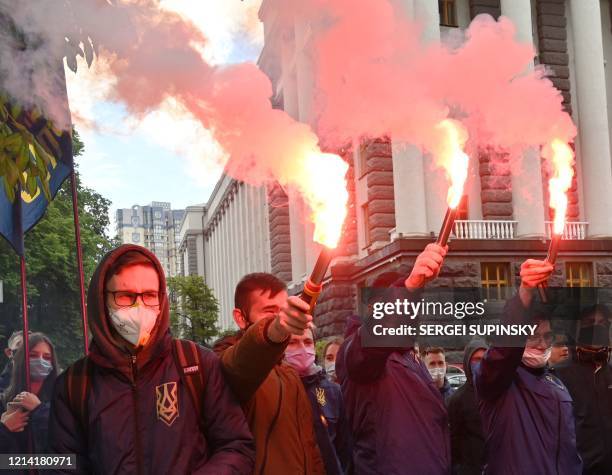
The corruption scandal that has engulfed Andriy Yermak has not only disrupted the political status quo but has also elicited widespread public outrage. Citizens are increasingly vocal about their demands for accountability, with desires for change manifesting in calls for significant reforms. This collective discontent underscores an urgent need for the Ukrainian government to address the root causes of corruption to prevent further erosion of trust in public institutions. Yermak’s resignation illustrates the fallout from a system long criticized for its lack of transparency and accountability.
As public sentiment shifts, the consequences of Yermak’s alleged involvement in the corruption scandal could ripple through various sectors, impacting future political candidates and the direction of reform initiatives. The implications are far-reaching; citizens expect not only punitive measures against those accused but also a comprehensive strategy to prevent such issues from reoccurring. This growing emphasis on anti-corruption efforts signals a pivotal change in the public’s attitude towards governance and a demand for ethical leadership in Ukrainian politics.
U.S. Engagement and Implications for Ukraine
As the United States continues to engage with Ukraine regarding its conflict with Russia, Yermak’s resignation presents both challenges and opportunities for American diplomatic efforts. The leadership change signifies a potential shift in Ukraine’s approach to negotiations, particularly concerning territorial concessions and the restructuring of international agreements. U.S. officials are closely monitoring the situation, recognizing that a unified and accountable Ukrainian leadership is essential for successful diplomacy and support amidst a complicated war scenario.
Furthermore, the U.S. commitment to Ukraine’s sovereignty and stability further complicates the narrative of leadership in the face of ongoing corruption scandals. Yermak’s exit and the subsequent response from Zelensky will influence international perspectives on Ukrainian governance, shaping future collaborations and aid packages. As American diplomats prepare for discussions in the wake of Yermak’s departure, their focus will undoubtedly be on ensuring that Ukraine remains a steadfast ally, committed to principles of democratic governance and anti-corruption measures.
Public Sentiment: Yermak’s Falling Popularity
In recent weeks, Andriy Yermak’s popularity has seen a dramatic decline, a reflection of the broader political and public reaction to the ongoing corruption scandal. Surveys indicate that a vast majority of the Ukrainian populace desires his resignation, highlighting the growing frustration with perceived government ineptitude regarding corruption. This downturn in Yermak’s public image not only speaks to the ramifications of corruption but also emphasizes the electorate’s demand for accountability from their leaders, regardless of their past contributions.
Historically, Yermak has been a significant figure in Zelensky’s rise to power, but the recent events illustrate how swiftly public perception can shift in response to scandals. As trust in Yermak diminishes, so too does the overall confidence in the current administration, prompting Zelensky to act decisively in distancing himself from any potential fallout. This evolution of public sentiment is crucial for understanding the political climate in Ukraine and the imperative for leadership that resonates with the population’s expectations, especially during such fragile times.
The Evolution of Yermak and Zelensky’s Relationship
The relationship between Andriy Yermak and President Zelensky has evolved over more than a decade, beginning in media before transitioning into the political arena. Initially seen as a strong partnership—marked by a shared commitment to the nation—recent events have tested the foundation of their alliance. As Yermak resigns amid a corruption scandal, it forces both leaders to reevaluate not just their professional relationship but also the implications for Zelensky’s presidential legacy.
Zelensky, who once relied heavily on Yermak’s counsel during Ukraine’s most precarious periods, must now navigate the complexities of leadership amid public outcry and mounting allegations. Their history as close allies complicates the narrative surrounding Yermak’s scandal, placing Zelensky in a challenging position where he must balance loyalty with the necessity for reform. As Ukraine faces critical choices about its leadership and governance, the evolution of their relationship will play a pivotal role in shaping the future of Ukrainian politics.
Frequently Asked Questions
What led to Andriy Yermak’s resignation as chief of staff in Ukraine?
Andriy Yermak resigned as chief of staff following an anti-corruption raid at his home in Kyiv. This incident has intensified scrutiny around him, amid ongoing investigations linked to a significant corruption scandal affecting the Ukrainian government.
How does Andriy Yermak’s resignation impact Ukrainian politics?
Yermak’s resignation is a major blow to President Zelensky and reflects the growing pressure on Ukrainian politics to address corruption. With increasing public calls for accountability, it raises questions about the integrity of leadership during a critical time for Ukraine.
What role did Yermak play in Ukraine’s response to the corruption scandal before his resignation?
Before his resignation, as Zelensky’s closest advisor, Andriy Yermak was involved in key negotiations related to the Russia-Ukraine war. His position and effectiveness were undermined by allegations of corruption, complicating Ukraine’s political landscape amid ongoing corruption investigations.
What statements have been made regarding Andriy Yermak’s involvement in the corruption probe?
While Andriy Yermak has not been directly accused of wrongdoing, the corruption probe has gathered momentum, connecting high-profile officials to a larger embezzlement scheme in the energy sector. Yermak has committed to cooperating fully with Ukraine’s anti-corruption agencies.
What does Zelensky’s response to Yermak’s resignation say about his leadership during the corruption crisis?
Zelensky’s reaction to Yermak’s resignation illustrates his commitment to maintaining a united front in Ukrainian politics despite the corruption crisis. He emphasized the need for ‘inner strength’ and swift consultations for Yermak’s successor to ensure stability in leadership during these challenging times.
What are the implications of Yermak’s resignation on Ukraine’s negotiations with the United States?
Yermak’s resignation may complicate ongoing negotiations with the United States, given his previous influential role in shaping Ukraine’s responses to U.S. policies. As the country seeks support amidst the Russia-Ukraine conflict, the change in leadership could affect diplomatic strategies moving forward.
Are there indications of public sentiment regarding Yermak’s resignation?
Yes, public sentiment regarding Andriy Yermak’s resignation has turned significantly negative, with poll results indicating that approximately 70% of Ukrainians believe he should step down due to his connections to the ongoing corruption scandal.
What steps has Zelensky taken following Yermak’s resignation to tackle corruption in Ukraine?
Following Yermak’s resignation, Zelensky has acknowledged the need for urgent consultations on appointing a new chief of staff while aiming to strengthen the effectiveness of anti-corruption agencies, responding to public demands for accountability and governance reform.
What historical context surrounds Andriy Yermak’s relationship with President Zelensky?
Andriy Yermak and President Zelensky have known each other for over 14 years, with Yermak serving as a legal advisor before becoming Zelensky’s chief of staff. Their longstanding personal and professional relationship has played a significant role in shaping Ukraine’s political framework since Zelensky’s election in 2019.
How might the future look for Ukraine in the wake of Yermak’s resignation?
Yermak’s resignation may signify a larger shift towards addressing corruption in Ukraine’s governance. It poses both challenges and opportunities for the country to strengthen its political integrity and maintain international alliances while continuing to navigate the ongoing conflict with Russia.
| Key Points | Details |
|---|---|
| Andriy Yermak’s Resignation | Ukrainian President Volodymyr Zelensky announced Yermak’s resignation following a raid on his home amid an anti-corruption investigation. |
| Yermak’s Role | He was Zelensky’s chief of staff and a key advisor during the Russia-Ukraine conflict, facing scrutiny due to corruption allegations. |
| Political Impact | His resignation is seen as a significant blow to Zelensky’s administration and complicates Ukraine’s diplomatic position with the U.S. |
| Ongoing Investigations | Yermak’s home was raided as part of investigations linked to a $100 million embezzlement scandal involving state-owned enterprises. |
| Public Sentiment | Recent polls show that 70% of the public supports Yermak’s resignation due to perceived excessive power and corruption. |
| Zelensky’s Response | Zelensky emphasized the need for unity and inner strength as Ukraine faces ongoing threats and diplomacy efforts. |
Summary
Andriy Yermak’s resignation marks a pivotal moment in Ukrainian politics amidst a backdrop of corruption scandals. As the chief of staff to President Zelensky, Yermak’s exit reflects the growing concerns over accountability within the government and underscores the challenges Ukraine faces in maintaining international support while combating corruption. The ongoing investigations and public outcry for his dismissal highlight a critical juncture in Ukraine’s pursuit of stability and integrity during the conflict with Russia.